Why the Metal & Electroplating Industry Needs an ETP Wastewater Treatment Plant
A plating shop can be small, but its drain is not. Almost every part that comes out of a plating line has been cleaned, etched, plated and rinsed, and the rinse water that follows carries traces of everything in the baths: chromium, nickel, zinc, copper, cyanide, acids, alkalis and oils. Those are among the most hazardous substances an industrial unit handles. Metals do not break down in a treatment plant or in a river, they simply move, accumulate and persist. An effluent treatment plant (ETP) is the only way a metal finishing or electroplating unit can discharge, reuse or dispose of its wastewater without harming people, soil and water. This article explains why the sector needs one and how it is designed.
Where the wastewater comes from
- Cleaning and degreasing: alkaline cleaners and solvent washes carrying oil, grease and surfactants.
- Pickling and etching: hydrochloric, sulphuric and other acids that dissolve scale and metal, producing strongly acidic wastewater rich in iron and other dissolved metals.
- Plating baths and their rinses: zinc, nickel, chromium, copper, tin, cadmium and precious metals. Some zinc, copper, cadmium and silver baths use cyanide. Rinse water carries drag-out from the bath and makes up most of the volume.
- Anodising and conversion coatings: acid baths, dyes, and chromate or phosphate coatings that leave chromium, aluminium and phosphate in the rinse.
- Electroless plating: baths that contain chelating agents, which hold metals in solution and make them harder to precipitate.
- Spent baths, filter backwash and scrubbers: periodic dumps of concentrated solutions, which are small in volume but very high in metals and chemicals.
What makes this effluent hazardous and hard to treat
- Toxic heavy metals. Hexavalent chromium is toxic and carcinogenic. Nickel, cadmium, copper, zinc and lead harm aquatic life and people, and they build up in sediments and food chains.
- Cyanide. Acutely toxic, and it releases hydrogen cyanide gas if it meets acid, so it must never be mixed with acidic streams.
- Extreme pH. Acid and alkali baths and rinses swing across the full scale.
- Complexed metals. Chelating agents such as EDTA and ammonia keep metals dissolved at the pH where they would normally precipitate, so ordinary neutralisation leaves them in solution.
- Oil, surfactants and additives. Degreasers and plating brighteners contribute COD and can interfere with precipitation and settling.
- High dissolved solids. Neutralisation and reagent addition leave chlorides and sulphates in the treated water.
Why an ETP is not optional
Regulatory consent and limits. Electroplating and metal finishing are regulated categories in India. Units operate under consent from the State Pollution Control Board, with discharge limits on pH, suspended solids, oil and grease and specific metals such as total and hexavalent chromium, nickel, copper, zinc and lead, along with cyanide and, in some processes, fluoride. Many plating clusters operate under zero liquid discharge or through common effluent treatment plants. Requirements differ by state, process and consent, so they should be confirmed with the Board before design.
Hazardous waste rules. Metal hydroxide sludge from plating wastewater, spent plating baths, cyanide-bearing waste and sludge from the ETP are generally classified as hazardous waste. They must be stored, transported and disposed of through authorised routes with records. An ETP built around segregation and dewatering keeps this volume down.
Protecting people, soil and groundwater. Chromium and cyanide are hazardous at very low concentrations. Contaminated soil and groundwater near plating units are expensive and slow to clean up, and workers and neighbours bear the health risk.
Municipal systems cannot take it. Metals and cyanide can poison the biology of a sewage plant, pass through untreated and contaminate its sludge, so plating effluent must be treated before it leaves the unit.
Customer expectations. Automotive, electrical and electronics buyers audit finishing suppliers on environmental and chemical compliance, and a documented ETP is part of keeping the business.
Water cost and metal recovery. Rinse water is the largest user of water in a plating line. Recovering it cuts intake, and recovering metals from rinses and baths, especially nickel and precious metals, can offset part of the treatment cost.
How a plating ETP is built
- Segregation at source. Separate lines for cyanide-bearing, hexavalent chromium, acid and alkali, oily or degreasing, chelated and general rinse streams. This is the most important design decision, both for treatment and for safety.
- Cyanide destruction. Typically by alkaline chlorination at high pH, followed by a second stage at a lower pH, or by hydrogen peroxide-based oxidation. The pH is kept alkaline throughout to avoid releasing toxic gas.
- Hexavalent chromium reduction. At acidic pH, a reducing agent such as sodium metabisulphite or ferrous sulphate converts toxic hexavalent chromium to the far less harmful trivalent form, which can then be precipitated.
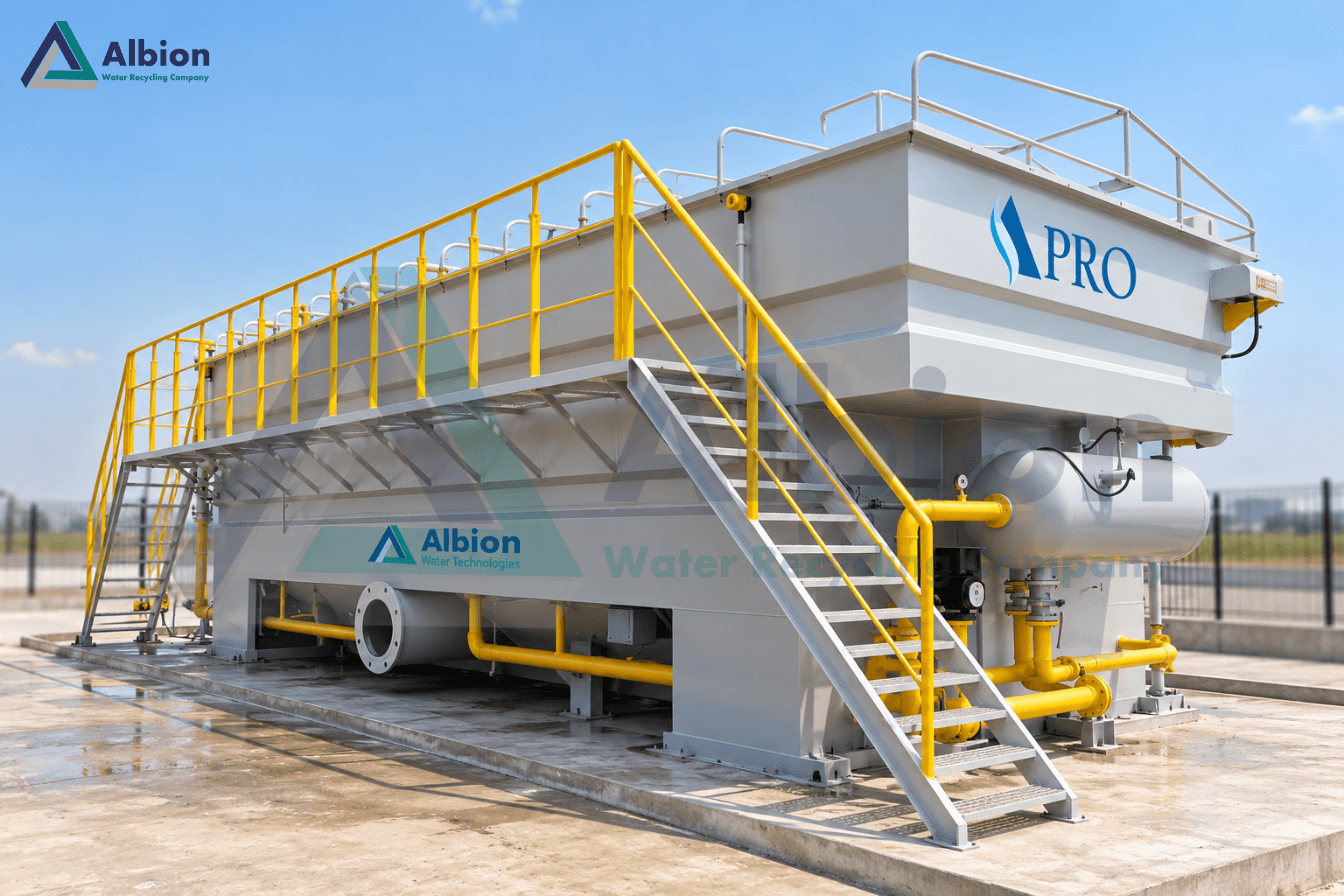
- Oil removal. Degreasing streams pass through oil separators or dissolved air flotation (DAF), since oil and surfactants disturb metal precipitation.
- Equalisation. A mixed balancing tank smooths flow and concentration, since bath dumps and rinse changes create sharp peaks.
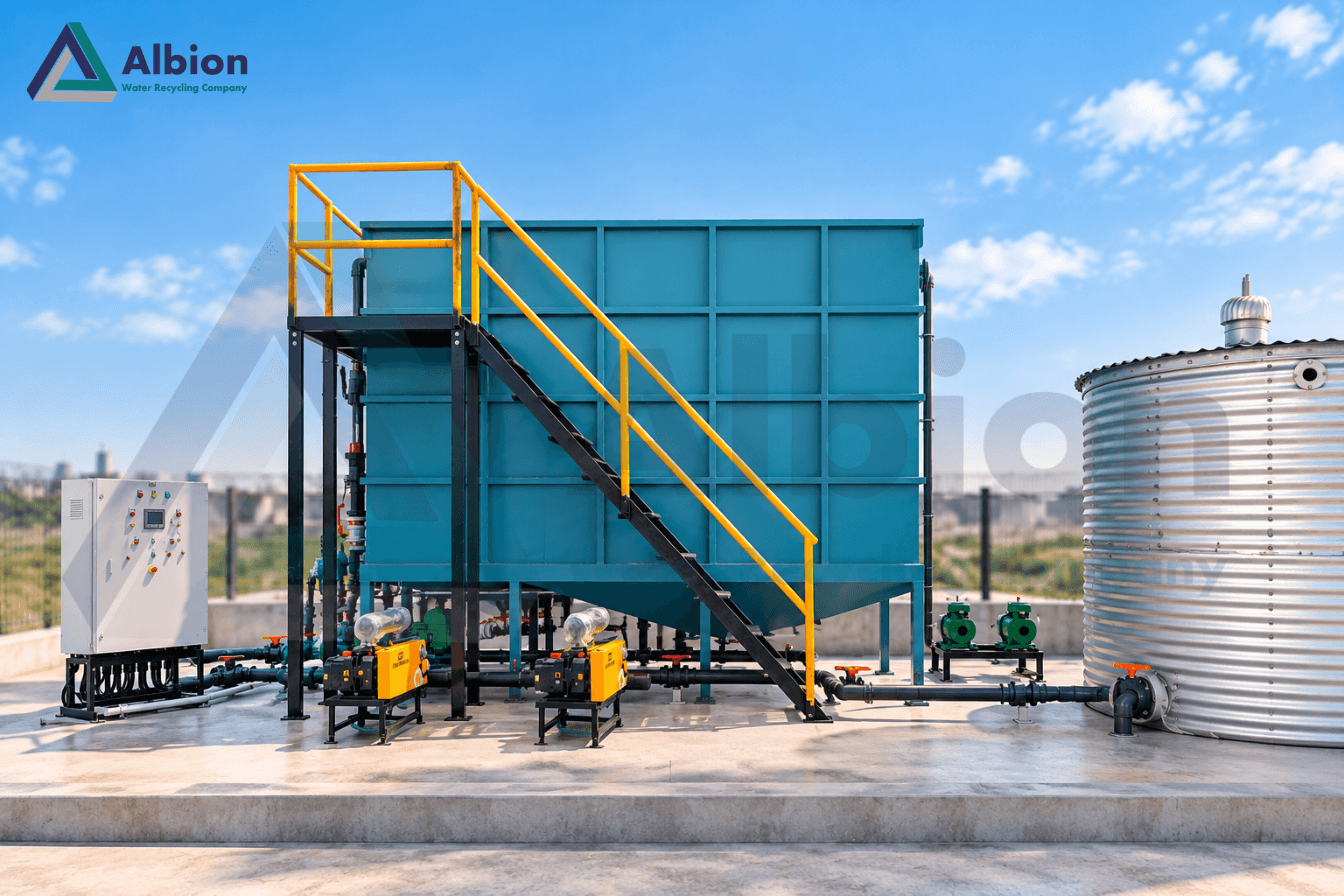
- Neutralisation and metal precipitation. Raising pH with lime or caustic converts dissolved metals into insoluble hydroxides. Each metal has its own best pH, which is why a single fixed setting often fails when several metals are present. Coagulant and polymer then help the precipitate settle in a clarifier.
- Breaking chelates and polishing. Complexed metals may need oxidation, sulphide or specialised precipitants, or chelating ion exchange resins, to bring them down to the limit. Filtration and ion exchange polish the water for strict limits.
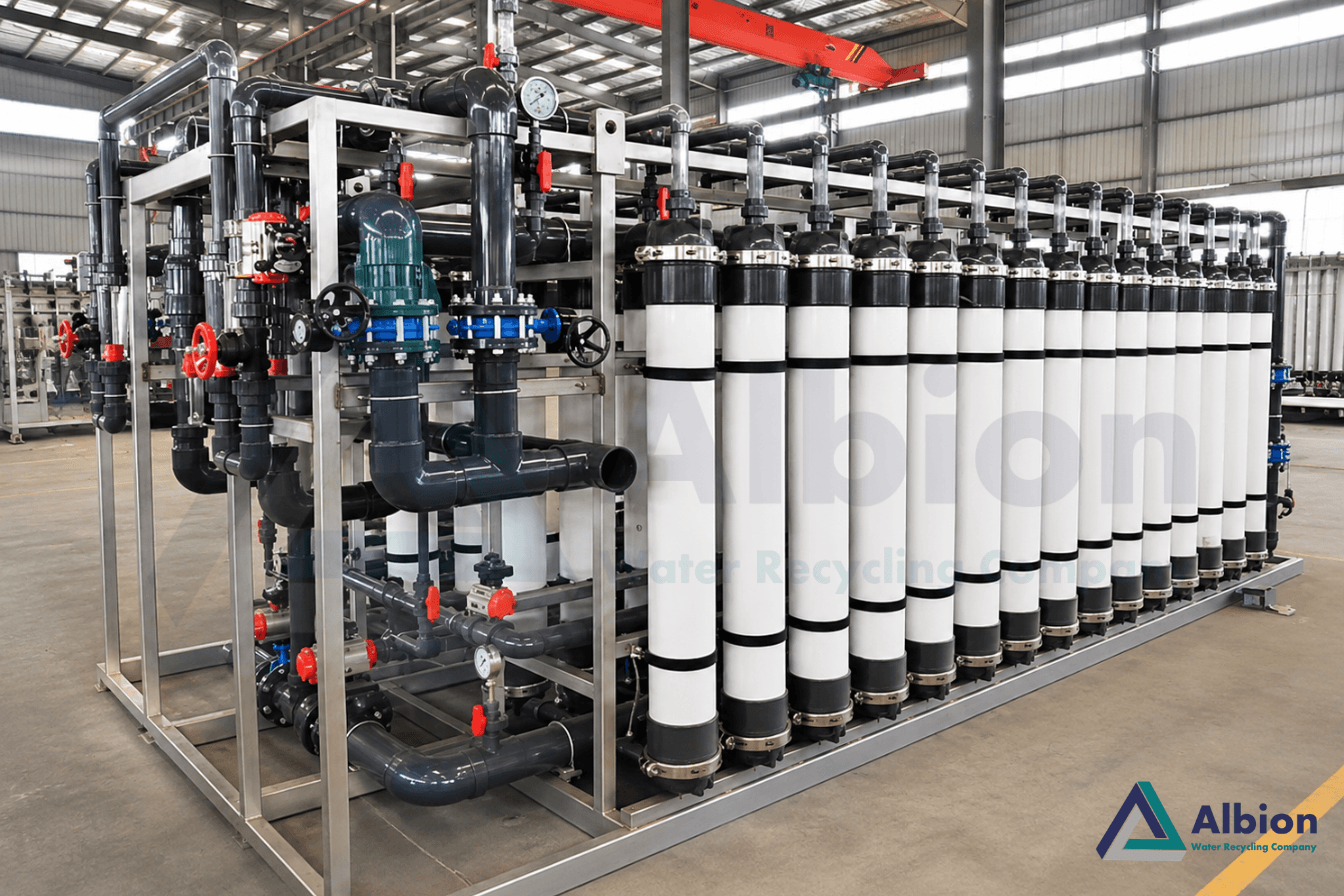
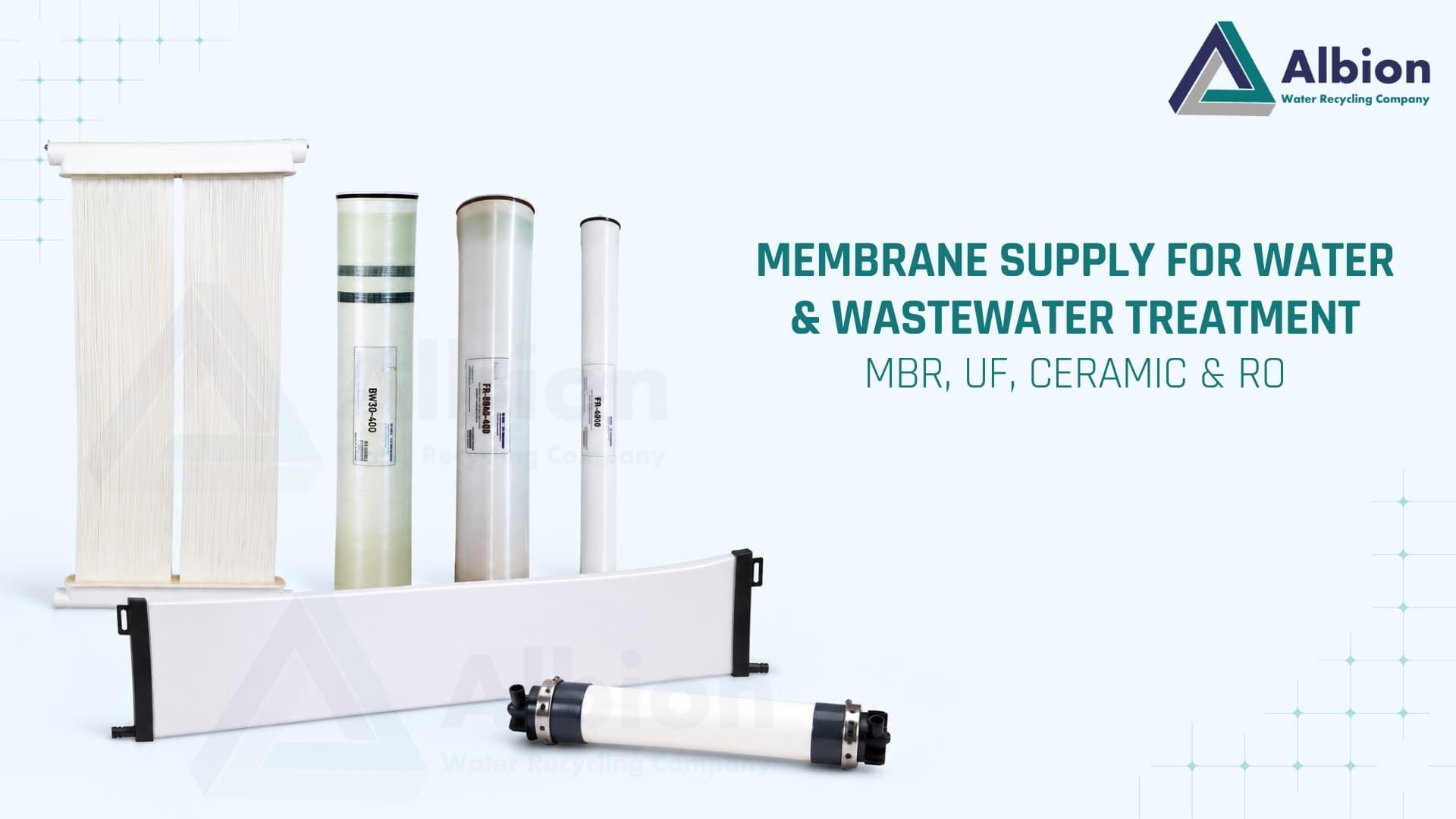
- Membranes and water recovery. UF removes fine solids and protects RO, and RO produces low-TDS water for reuse and a concentrated reject. Ceramic UF can be useful where chemistry is aggressive.
- ZLD. RO reject and high-TDS streams are evaporated and dried so that no liquid leaves the site. This adds energy cost, and the salt residue is usually hazardous and needs an authorised disposal route.
- Sludge handling. Metal hydroxide sludge is thickened and dewatered, typically in a filter press, and sent as hazardous waste. Keeping it separate from any biological sludge avoids enlarging the hazardous volume.
Biological treatment has a limited role here. Metals and cyanide are toxic to microorganisms, so a biological stage, such as MBBR, AMBBR or MBR, is used only for remaining organic load after the metals have been removed, or for the sanitary wastewater from the unit.
Reuse and recovery
Rinse water needs low hardness and dissolved solids, because contaminants affect plating quality and coating adhesion. RO permeate or ion exchange water can often supply final rinses, but it should be proven on trials before it is routed into quality-critical steps. Cooling, washing and scrubbers are easier first uses. In-line recovery, such as ion exchange or evaporation of drag-out solutions, can return metals and chemicals to the bath, which reduces both effluent and chemical purchases.
Reduce the load before the ETP
- Cut drag-out with longer drip time, drag-out recovery tanks and spray rinsing, since the metal that leaves the bath on the part is what ends up in the effluent.
- Use counter-current rinsing and conductivity-controlled rinse flow to reduce water use.
- Extend bath life through filtration, carbon treatment and good control, so fewer baths are dumped.
- Consider process changes such as trivalent chromium in place of hexavalent, cyanide-free baths and chelator-free chemistries, subject to quality and customer approval.
- Keep spills and floor washings out of drains, and meter water by line.
Common mistakes
- Mixing cyanide, chromium, acid and oily streams in one drain, which is dangerous and defeats treatment.
- Treating chelated streams with plain neutralisation and then wondering why metals stay in solution.
- Relying on manual pH adjustment instead of online pH and ORP control, which allows chromium or cyanide to slip through.
- Specifying standard materials in acid, chromium and chloride service, leading to early corrosion.
- Sizing the plant from one sample, rather than several bath changes and production cycles.
- Leaving the hazardous sludge and salt disposal route until after commissioning.
How Albion Ecotech approaches electroplating and metal finishing ETPs
Albion Ecotech designs ETPs from the unit's own effluent data: the plating and pre-treatment lines in use, metals and cyanide present, chelating agents, pH swings, batch pattern and the discharge or ZLD requirement that applies. Depending on the plant, the train may combine segregation and equalisation, cyanide and chromium treatment, DAF-based oil removal, neutralisation and precipitation with clarification, polishing, UF and RO for water recovery, and ZLD where required. Sludge management, corrosion-resistant materials of construction, PLC-based automation with online pH and ORP control, and post-commissioning support are part of the scope, and plants can be supplied in packaged or civil formats.
Frequently Asked Questions
Why does an electroplating unit need an ETP?
Its wastewater contains toxic metals such as chromium and nickel, cyanide, acids and oils, which harm people and the environment and are regulated under pollution control consent and hazardous waste rules. An ETP removes them before discharge and allows water recovery.
How is hexavalent chromium removed?
It is first reduced to trivalent chromium at acidic pH using a reducing agent such as sodium metabisulphite, and then precipitated as chromium hydroxide by raising pH. The sludge is dewatered and disposed of as hazardous waste.
How is cyanide treated?
Commonly by oxidation, such as alkaline chlorination or hydrogen peroxide, kept at alkaline pH. Cyanide streams must be kept separate from acids to avoid releasing toxic gas.
Why are some metals still present after neutralisation?
Chelating agents in some baths, especially electroless plating, hold metals in solution. They need to be broken by oxidation or treated with sulphide, specialised precipitants or chelating ion exchange resins.
Is zero liquid discharge required for plating units?
Not for every unit. Many plating clusters operate under ZLD or common effluent treatment, but it depends on the state, process and consent. The applicable conditions should be confirmed with the State Pollution Control Board.