Effluent Treatment Plants (ETP) for Industrial Compliance & Reuse
ETP solutions for textile, pharma, food & beverage, and chemical industries. Effluent treatment engineered for discharge compliance and reuse by Albion Ecotech.
Enquire about this offering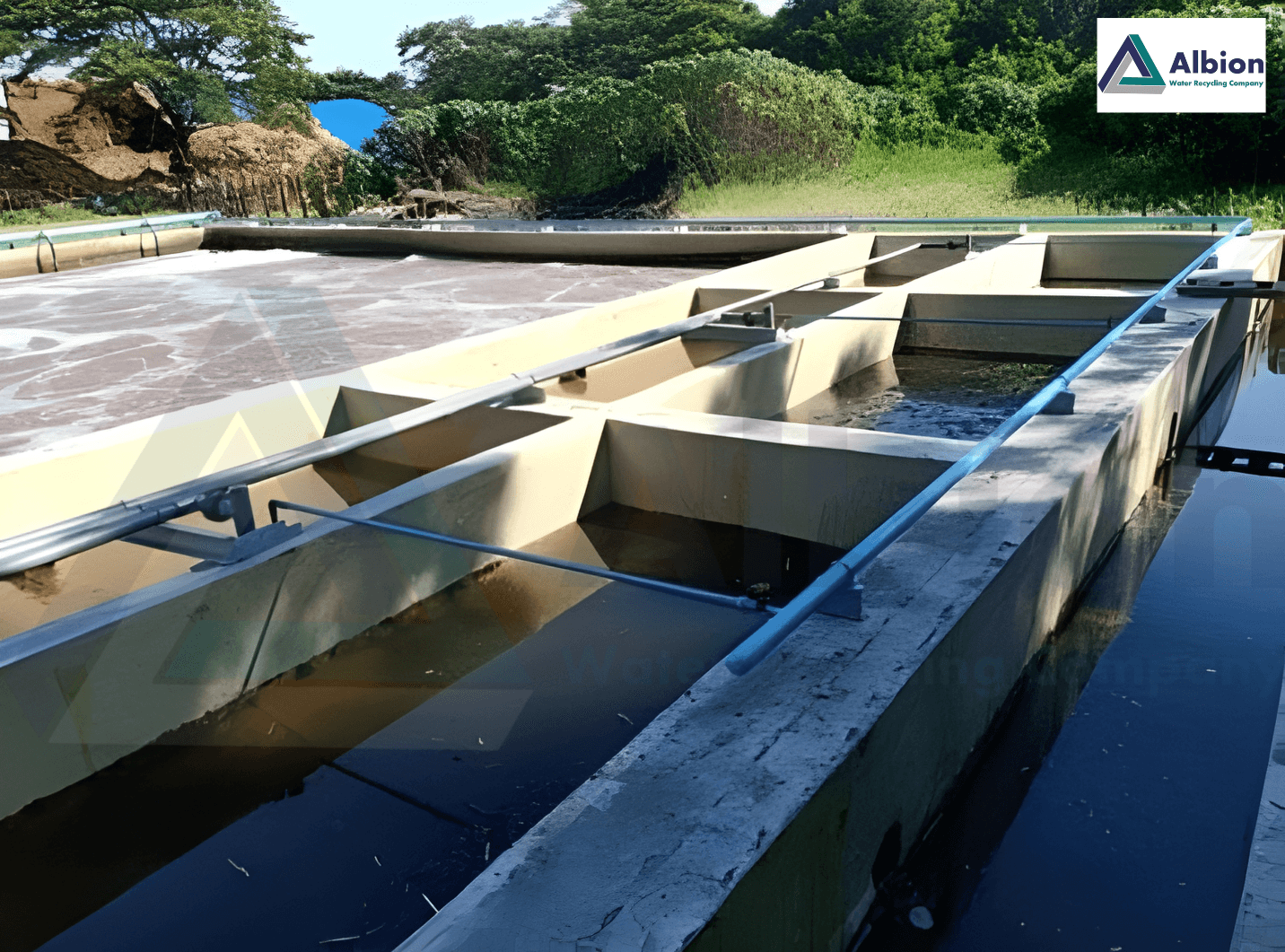
The problem
Industrial effluent varies widely by industry and process, creating compliance risk, discharge violations, and lost reuse potential when treatment isn't matched to the actual waste stream.
Our approach
Albion engineers ETPs around the specific characteristics of each industry's effluent, selecting the treatment process and technology needed to meet discharge and reuse requirements.
Features
- Industry-Specific Process DesignTreatment configuration is matched to the effluent characteristics of textile, pharma, food & beverage, or chemical operations.
- Multi-Stage Treatment CapabilityCombines physical-chemical, biological, and membrane-based stages as needed for the application.
- Compliance-Focused EngineeringDesigned to meet the specific discharge or reuse standard applicable to the industry and site.
- ZLD-Ready ConfigurationCan incorporate Zero Liquid Discharge for industries facing stringent effluent discharge restrictions.
- Packaged & Civil OptionsAvailable as compact packaged units or larger civil-based systems depending on site scale and flow.
- Reuse-Oriented DesignCan be configured to produce treated water suitable for reuse within the facility, reducing fresh water demand.
Outcomes
- Discharge ComplianceTreated effluent meets the applicable discharge standard for the industry and site.
- Water Reuse Within FacilityTreated effluent can be reused for applicable processes, reducing fresh water consumption.
- Process Matched to Effluent TypeTreatment configuration reflects the actual composition and load of the industry's wastewater, not a generic approach.
- Reduced Compliance RiskCorrectly engineered treatment reduces the risk of discharge violations and regulatory action.
- Capacity Aligned to OperationsPlant sizing reflects the facility's actual effluent volume and production-linked load variation.
- Pathway to Zero Liquid DischargeSystems can be configured or upgraded toward ZLD where regulatory requirements demand it.
Performance metrics
- Flow capacity
- Design-dependent, based on industry and production scale
- Treatment efficiency (BOD/COD/TSS removal)
- Design-dependent
- Treated water quality
- Design-dependent, per discharge/reuse standard
- Oil & grease removal
- Design-dependent, where pre-treatment (DAF) is included
- ZLD readiness
- Project-specific, based on regulatory requirement
About
Albion Ecotech's Effluent Treatment Plants (ETP) treat industrial wastewater from textile, pharmaceutical, food & beverage, and chemical industries to meet discharge compliance and support water reuse. Each ETP is engineered around the specific composition and load of the industry's effluent stream. Systems are available in packaged or civil-based configurations, using biological, membrane, or physical-chemical treatment technologies suited to the application.
Albion's ETPs treat industrial wastewater generated by textile, pharmaceutical, food & beverage, and chemical manufacturing operations, converting it into water suitable for compliant discharge or reuse within the facility. Treatment configuration depends on the effluent's specific characteristics — high-load dye-house discharge, complex pharmaceutical process streams, variable organic load from food processing, or chemical industry effluent each require a different process approach. Albion selects from established technologies including MBBR, AMBBR, MBR, and DAF, and can incorporate ZLD for industries facing stringent discharge restrictions. ETPs are delivered as packaged units for faster deployment or civil-based systems for larger industrial sites.
Process
The process begins with characterizing the industrial effluent — flow, organic and chemical load, and any industry-specific contaminants — alongside the applicable discharge or reuse standard. Based on this, Albion selects the treatment process train, which may combine physical-chemical pre-treatment (such as DAF), biological treatment (MBBR/AMBBR), and membrane-based polishing (MBR) depending on the application. The plant is then engineered, constructed or fabricated, installed, and commissioned, with performance verified against the target discharge or reuse parameters.
Treatment Objectives & Upgrade Applications
ETPs support core objectives of industrial wastewater treatment for regulatory compliance, water reuse, and reduction of environmental impact. For existing sites, this Offering applies to capacity expansion as production scales, upgrading an underperforming ETP to meet tightened discharge norms, retrofitting membrane or DAF stages into an existing process train, and modernizing toward ZLD where compliance requirements demand it.
Industrial Use Cases
- Textile & Dyeing — High-load, high-color effluent treatment for dye-house and processing wastewater.
- Pharmaceuticals — Treatment of complex process wastewater streams with industry-specific contaminants.
- Food & Beverages — Treatment of variable organic load effluent from processing operations.
- CETP Projects — ETP-level pre-treatment feeding into combined effluent treatment facilities.
- Paper & Pulp Industry — Treatment of high-volume, high-load process wastewater.
- Landfill Leachate — Treatment of contaminated leachate streams requiring specialized process design.
Frequently Asked Questions (FAQ)
Related
- Offering
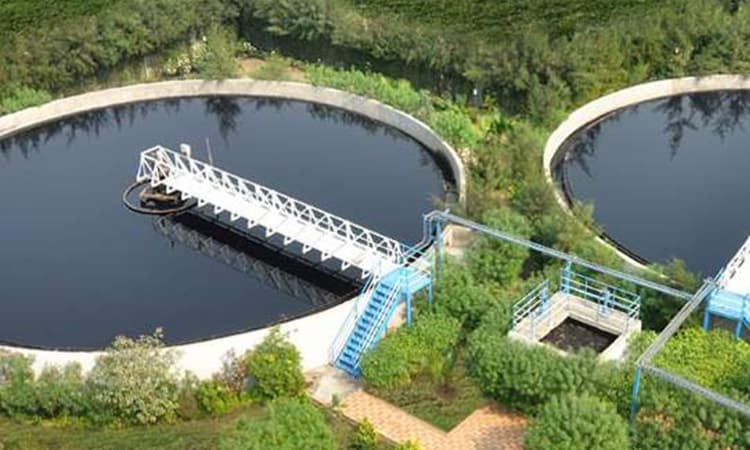 Civil-Based Water & Wastewater Treatment PlantsCustom-engineered civil STP, ETP & MBR plants for large industrial and municipal projects. Site-built treatment infrastructure designed by Albion Ecotech.
 - Offering
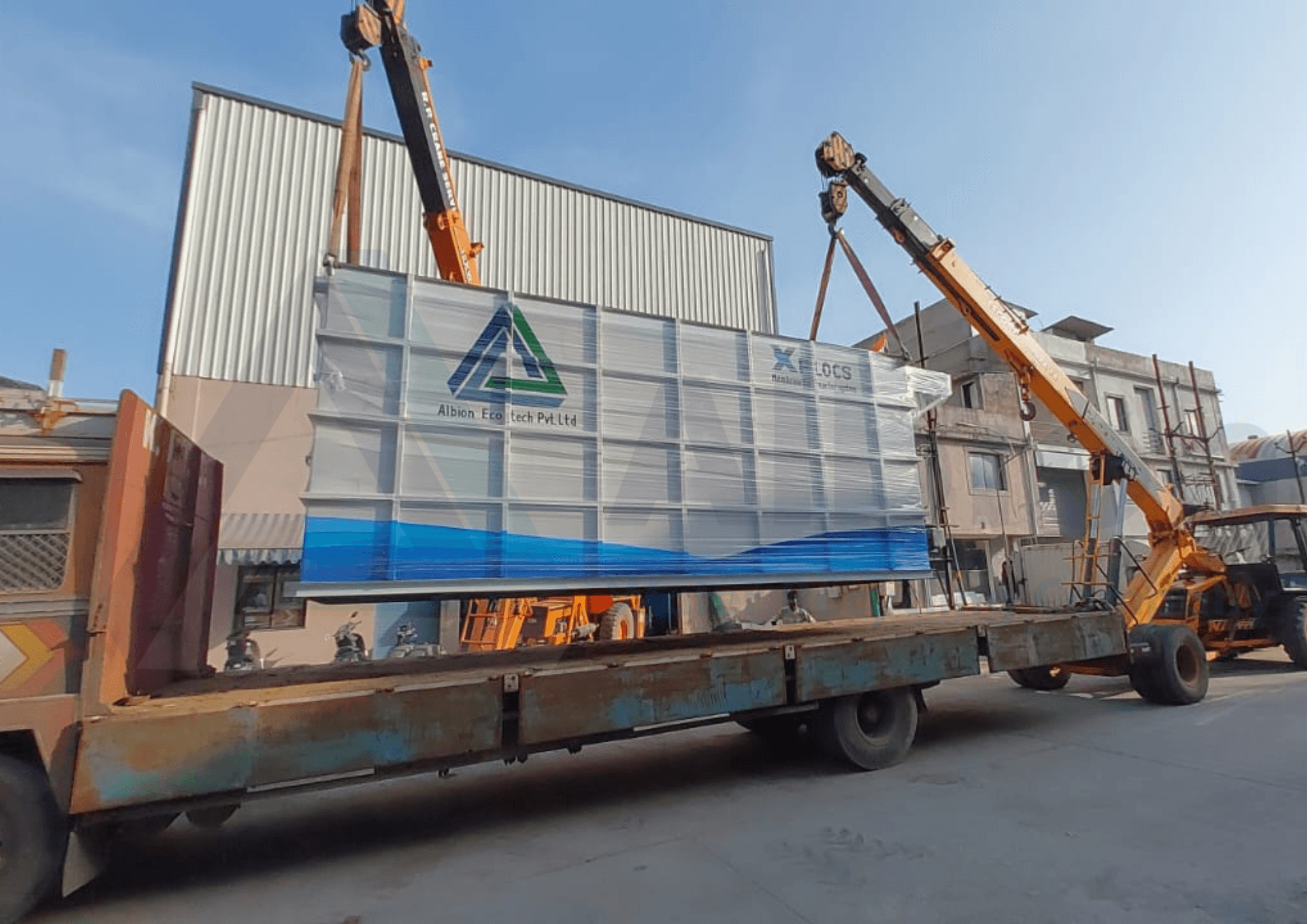 Packaged Water & Wastewater Treatment PlantsPre-engineered packaged STP, ETP & MBR plants for fast deployment and compact footprint. Factory-built, site-engineered treatment solutions by Albion Ecotech.
 - Offering
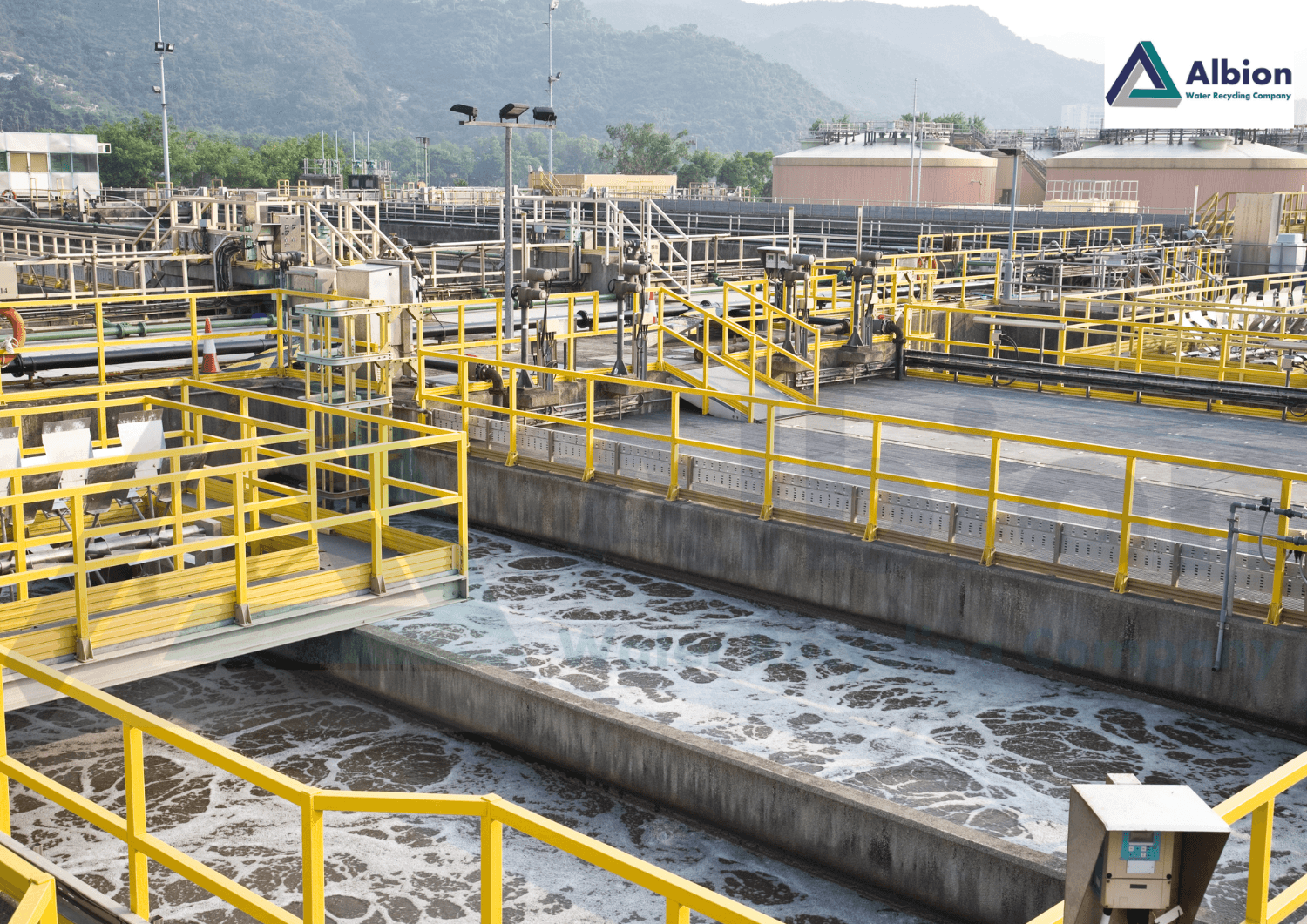 Water & Wastewater Treatment Plant Design & EngineeringTreatment plant design engineered around inlet water quality, load, and discharge requirements. Process and capacity planning by Albion Ecotech.
 - Product
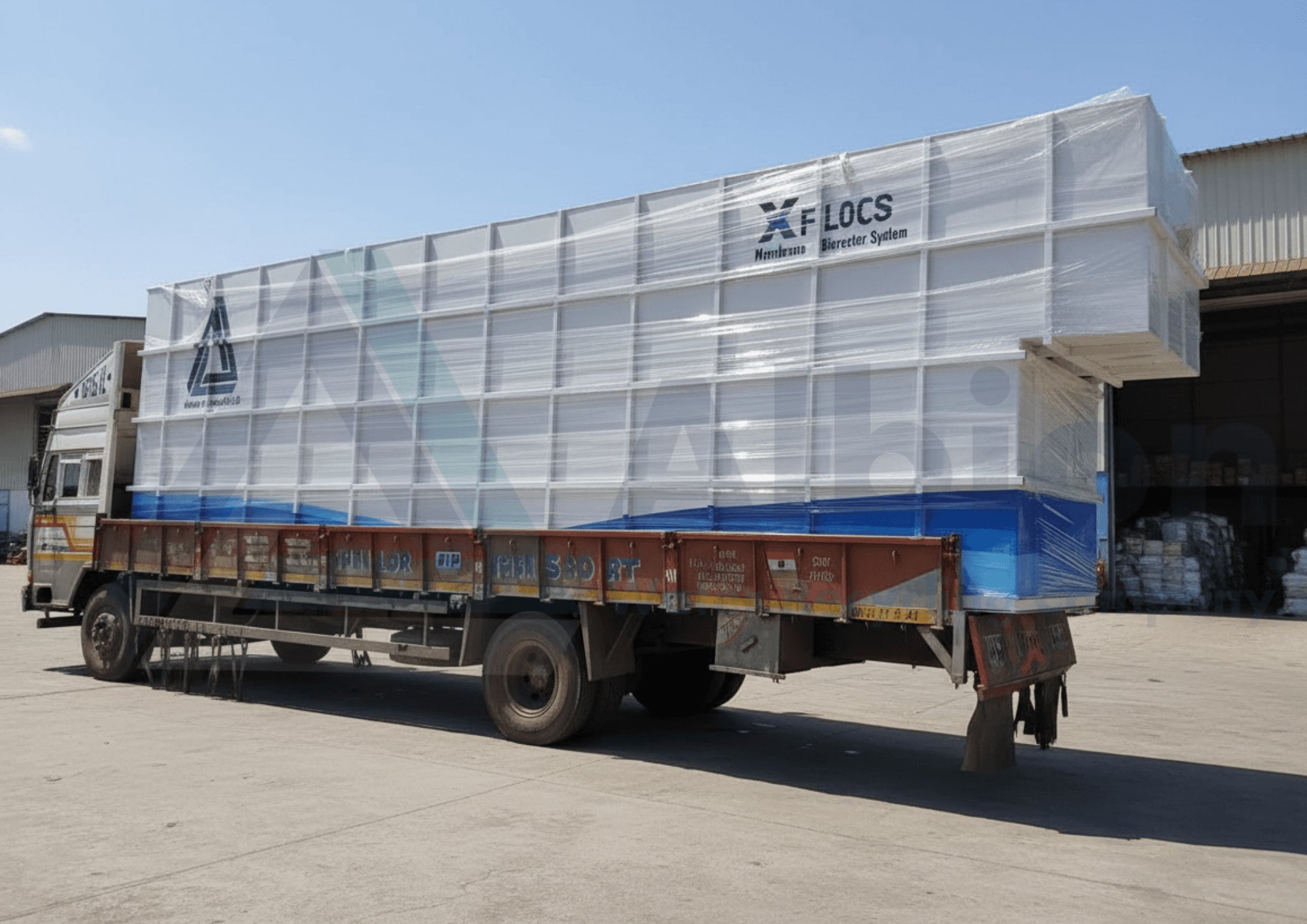 Membranes & Filtration MediaX-Flocs: Membrane Bioreactor (MBR) SystemA combined biological and membrane system that produces high-quality, reuse-ready treated water in a compact footprint.
 - Product
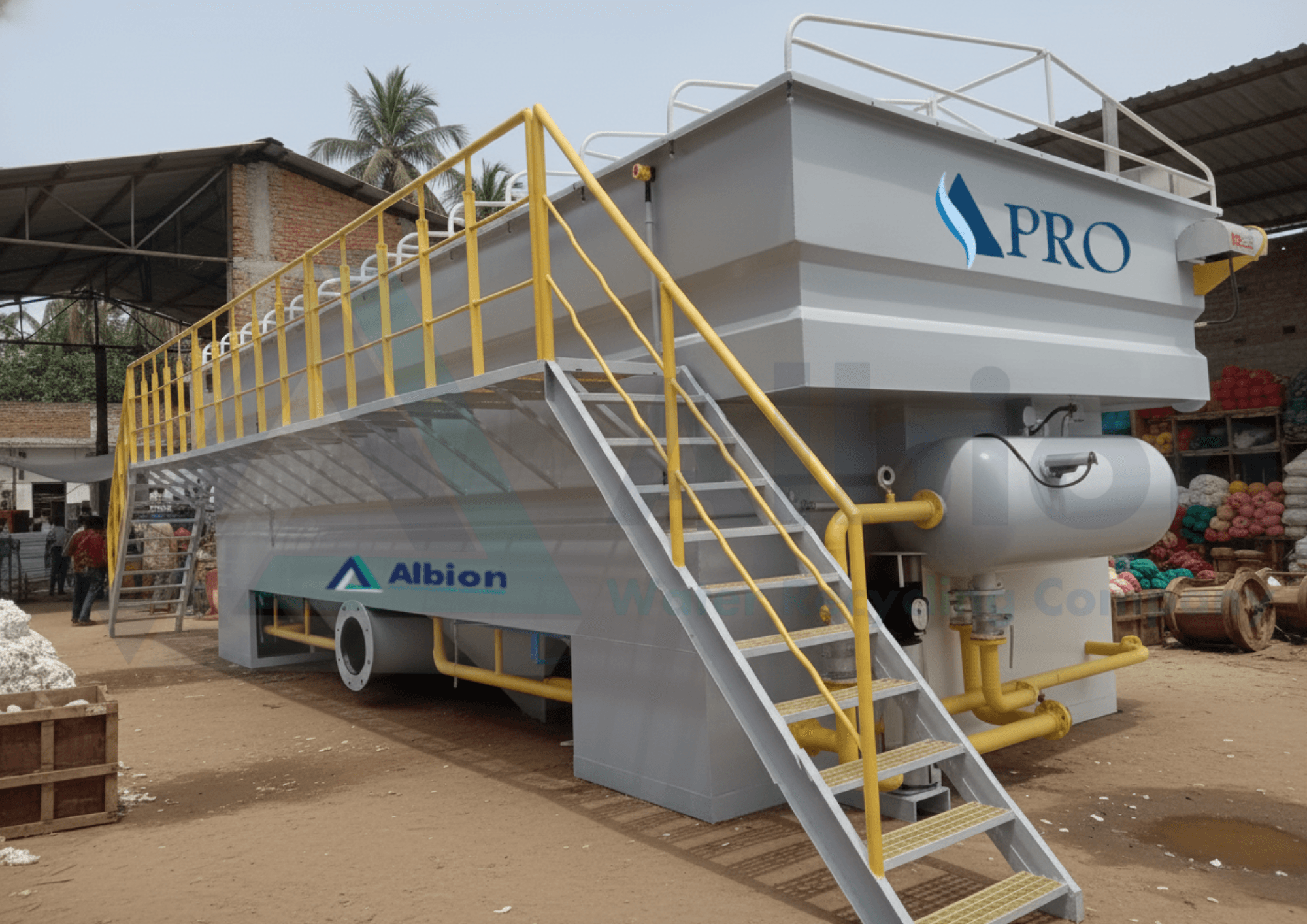 Treatment SystemsA-Pro: Dissolved Air Flotation (DAF) SystemA gravity-assisted flotation system that clarifies wastewater by floating out suspended solids and oils.
 - Product
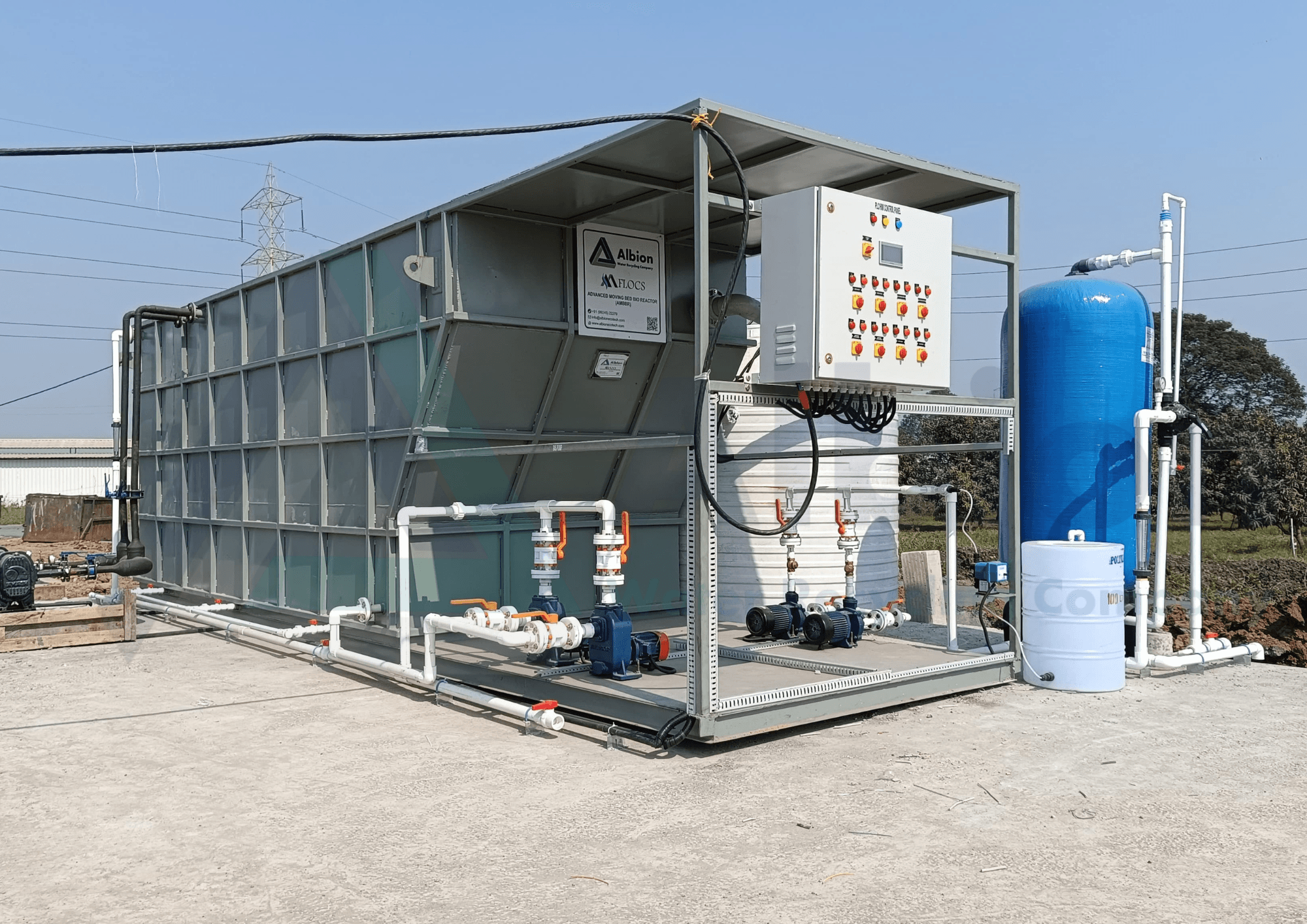 Membranes & Filtration MediaM-Flocs: Advanced Moving Bed Bioreactor (AMBBR) SystemNext-gen biological treatment using proprietary high-surface-area carriers to maximize bacterial growth in minimal tank volumes.
Discuss your project
Tell us about your project scope and requirements, and our engineers will outline how we can deliver it end to end.
Start a project enquiry