Why the Chemical Industry Needs an ETP Wastewater Treatment Plant
A chemical plant rarely produces one kind of wastewater. Depending on the products, the drain may carry spent acids and alkalis, brines, solvents, reaction by-products, catalyst metals and cleaning water, often in the same shift. Much of it is corrosive, much resists biological breakdown, and some of it is toxic to people, aquatic life and the microorganisms a treatment plant depends on. An effluent treatment plant (ETP) is the only reliable way to bring that mixture to a state where it can be discharged, reused or disposed of safely. This article explains why chemical manufacturers need one and what a well-designed plant involves.
What chemical industry effluent contains
The sector covers bulk and specialty chemicals, dyes and intermediates, agrochemicals, paints and resins, polymers, solvents and fertilisers, among others, so no two effluents are alike. Several characteristics recur.
- Extreme and fluctuating pH. Acid and alkali washes, neutralisation steps and reaction quenches send strongly acidic or alkaline slugs to the drain.
- High total dissolved solids. Neutralisation and reaction by-products leave streams rich in chlorides, sulphates and sodium. Salinity is a leading reason chemical units are pushed toward RO and ZLD.
- Refractory and toxic organics. Aromatic compounds, phenols, amines, halogenated organics and solvents give high COD with a low share that bacteria can break down, and some inhibit biological activity outright.
- Heavy metals. Catalysts, pigments and plating-related steps can release chromium, nickel, copper, zinc and others, which persist in the environment and accumulate in sediments and food chains.
- Nitrogen compounds and other specific pollutants. Ammoniacal nitrogen, sulphides, and in some processes cyanides or fluorides, each needing its own treatment step.
- Batch variability and reactive hazards. Campaign production changes the effluent often, and mixing incompatible streams can release heat or toxic gas, so the way streams are collected is a safety matter as well as a treatment one.
Why an ETP is not optional
Regulatory consent. Chemical units operate under consent from the State Pollution Control Board, with discharge conditions set for the category and the mode of disposal, and often limits for specific toxic parameters. Violations can bring penalties, closure directions and cuts to power or water. Some units and clusters are required to run ZLD. Requirements differ by state, product and consent, so they should be confirmed with the Board before design.
Protecting water, soil and people. Untreated chemical effluent can poison aquatic life, contaminate groundwater and farmland, and expose communities to carcinogenic or persistent compounds. Once groundwater is contaminated, clean-up is slow and costly, and liability can follow the occupier for years.
Municipal plants cannot take it. A sewage treatment plant is not built for toxic, saline or corrosive industrial waste. Such effluent can kill its biology, corrode its equipment and pass through untreated, so industrial units must pre-treat, or send flow to a facility designed for it.
Hazardous waste control. Metal-bearing sludge, solvent residues, evaporator salts and distillation bottoms from chemical processes are often classified as hazardous waste, which must be stored, transported and disposed of through authorised routes. A well-designed ETP keeps this volume as small as possible and plans the disposal route from the start.
Water security and cost. Chemical plants use large volumes for cooling, steam, washing and process. Recovering water from treated effluent cuts fresh-water intake, which matters in stressed areas and where tanker water is costly.
Customer, insurer and community expectations. Buyers, lenders and insurers increasingly look at environmental performance, and chemical units sit close to communities that watch them closely.
How a chemical ETP is built
No single unit handles everything. The plant is a sequence, with each stage protecting the next, and the exact order depends on what the effluent contains.
- Stream segregation and source recovery. Concentrated, toxic or high-TDS streams are collected separately from low-strength washwater and treated or evaporated on their own. Solvents and acids are recovered where practical, and ammonia or volatile organics may be stripped out at source. Incompatible streams are kept apart for safety.
- Equalisation and neutralisation. A balancing tank built from corrosion-resistant materials evens out flow, strength and pH, and neutralisation brings pH into the range later stages need.
- Metal removal. Chemical precipitation, as hydroxides or sulphides, followed by coagulation and settling removes dissolved metals into a sludge. Some metals, such as hexavalent chromium, need a reduction step first.
- Oxidation of refractory organics. Fenton treatment, ozone or other advanced oxidation can break stubborn compounds into smaller ones that bacteria can handle, or reduce toxicity. It costs chemicals and generates sludge, so it is applied where trials show a benefit.
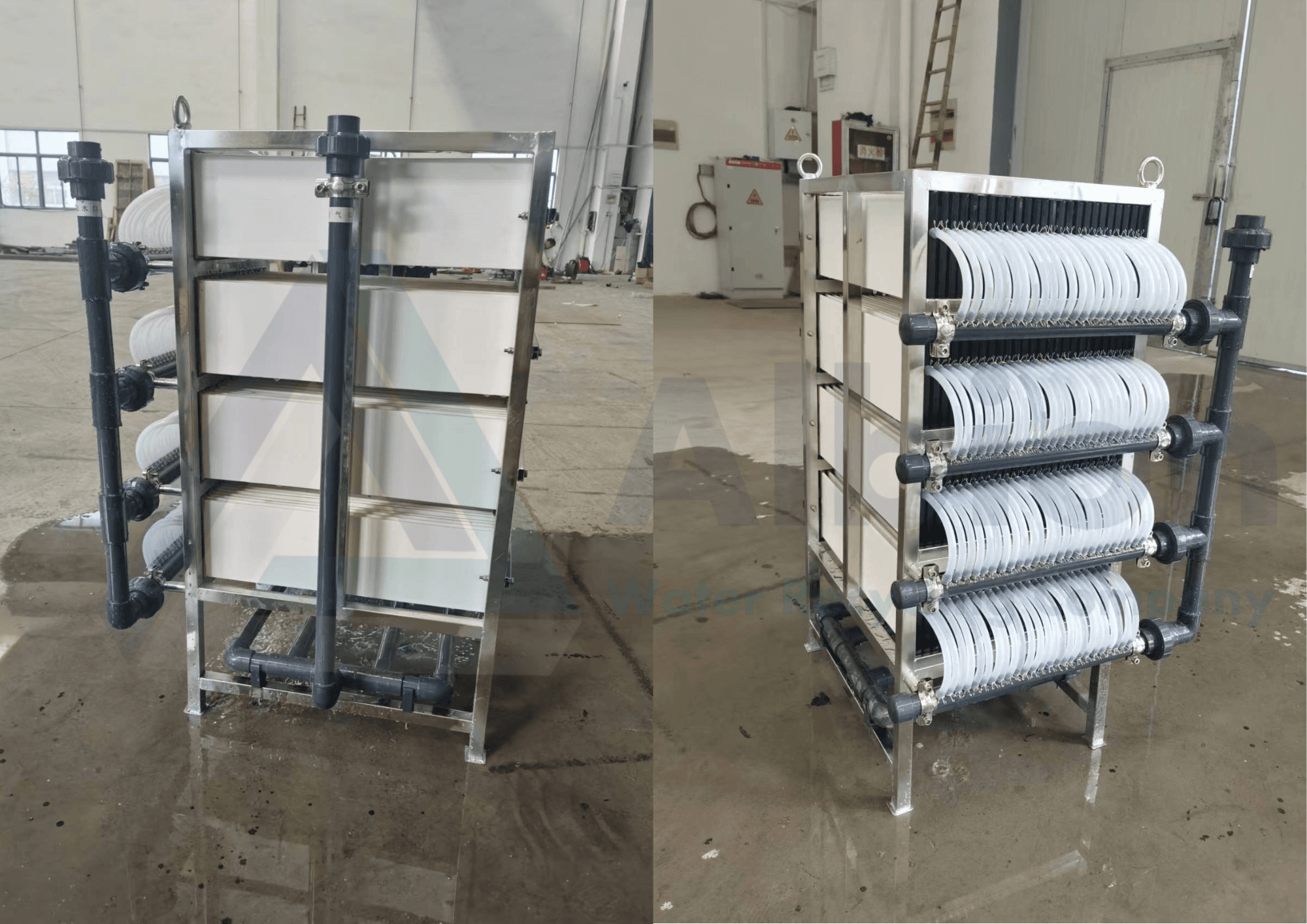
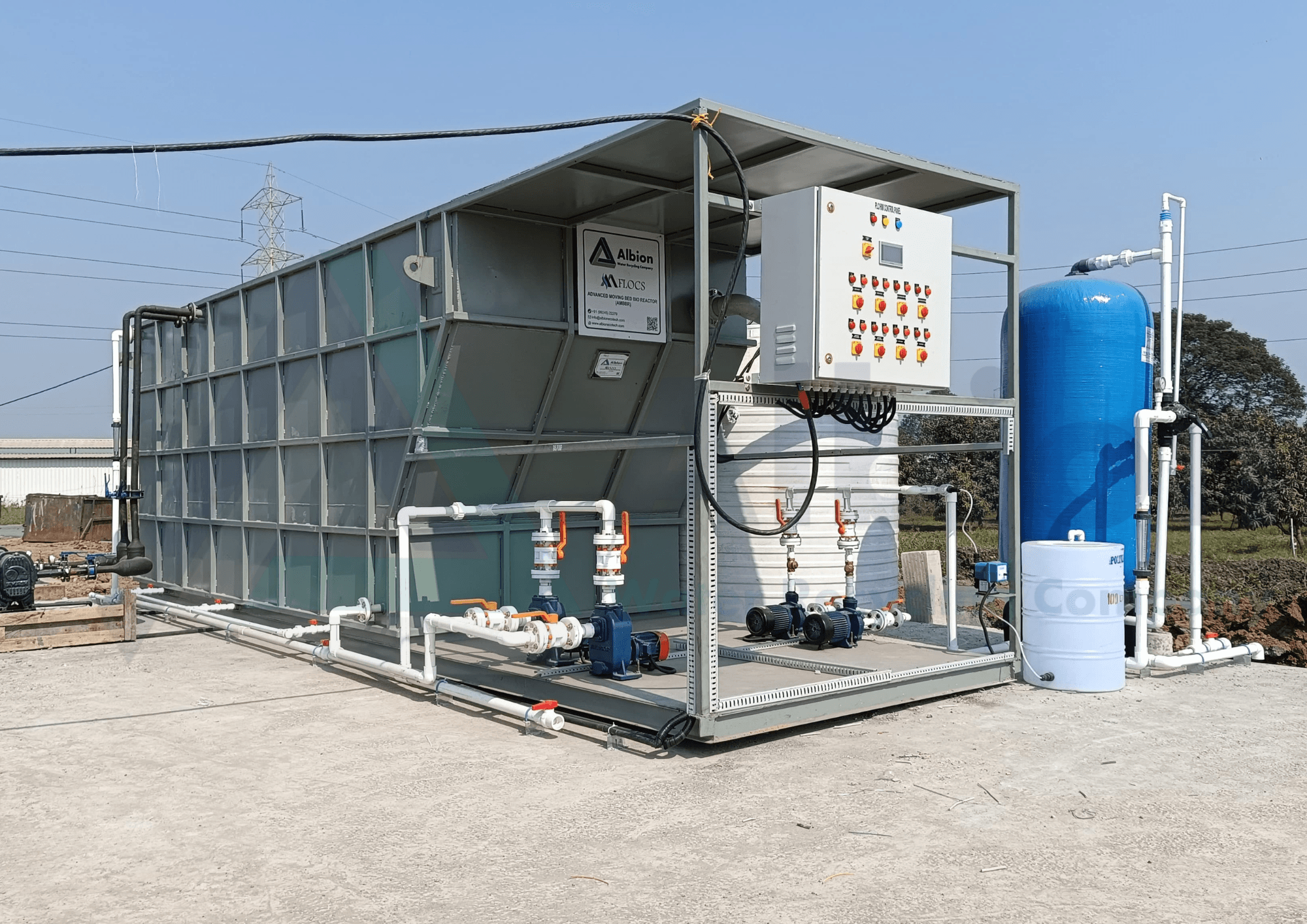
- Biological treatment. Once toxicity and salinity are managed, MBBR or AMBBR, SBR or MBR remove the biodegradable organic load. Biomass needs acclimatisation, and attached-growth systems tolerate shock loads well. Ceramic membranes in MBR or as polishing tolerate harsher chemistry and cleaning than polymeric ones.
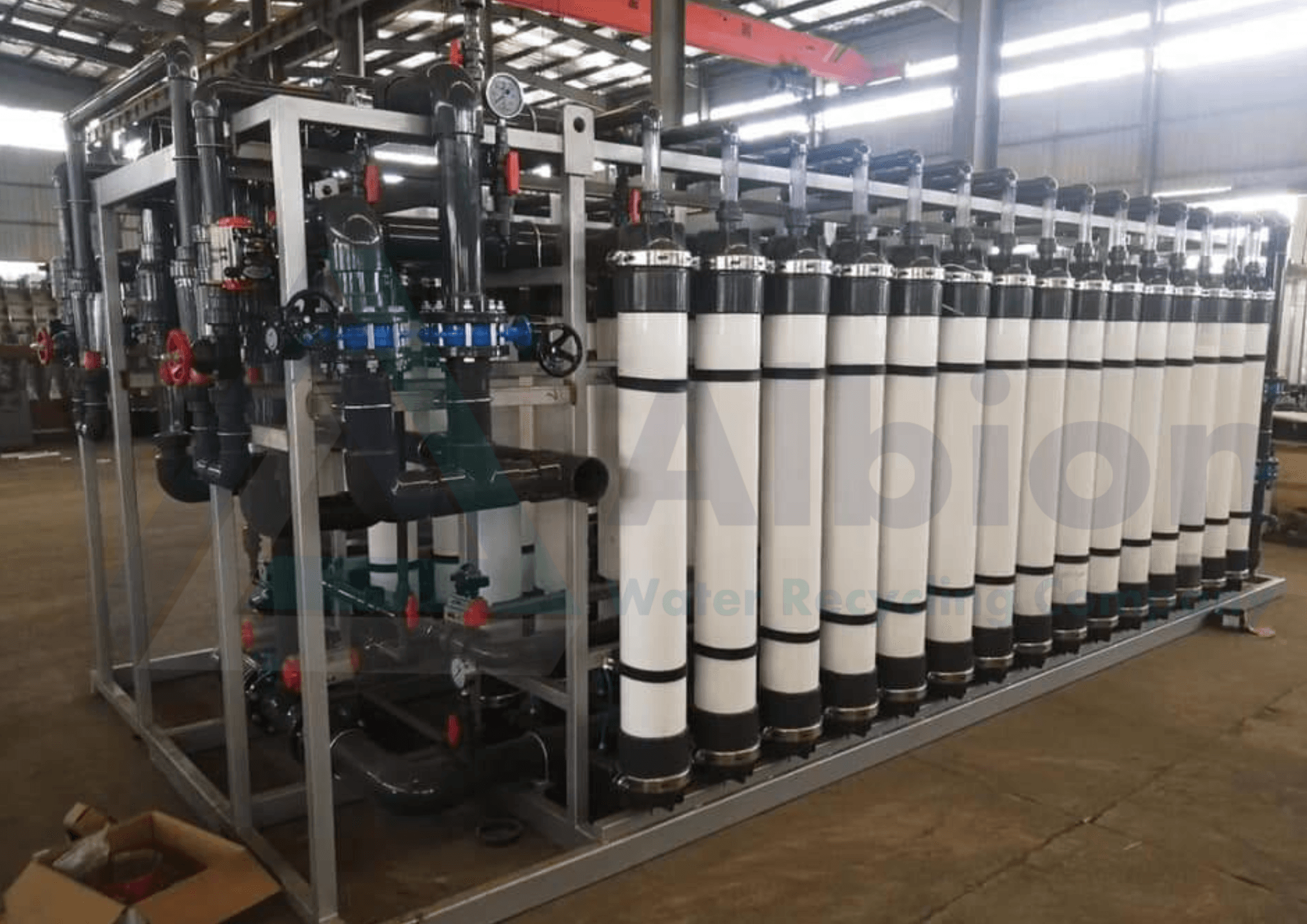
- Polishing. Activated carbon, UF and RO remove residual organics, colour and dissolved salts.
- Reject management and ZLD. RO reject and high-TDS streams are evaporated and dried so that water is recovered and only a solid residue leaves the site. This stage is energy-intensive, and the residue is often hazardous and needs an authorised disposal route.
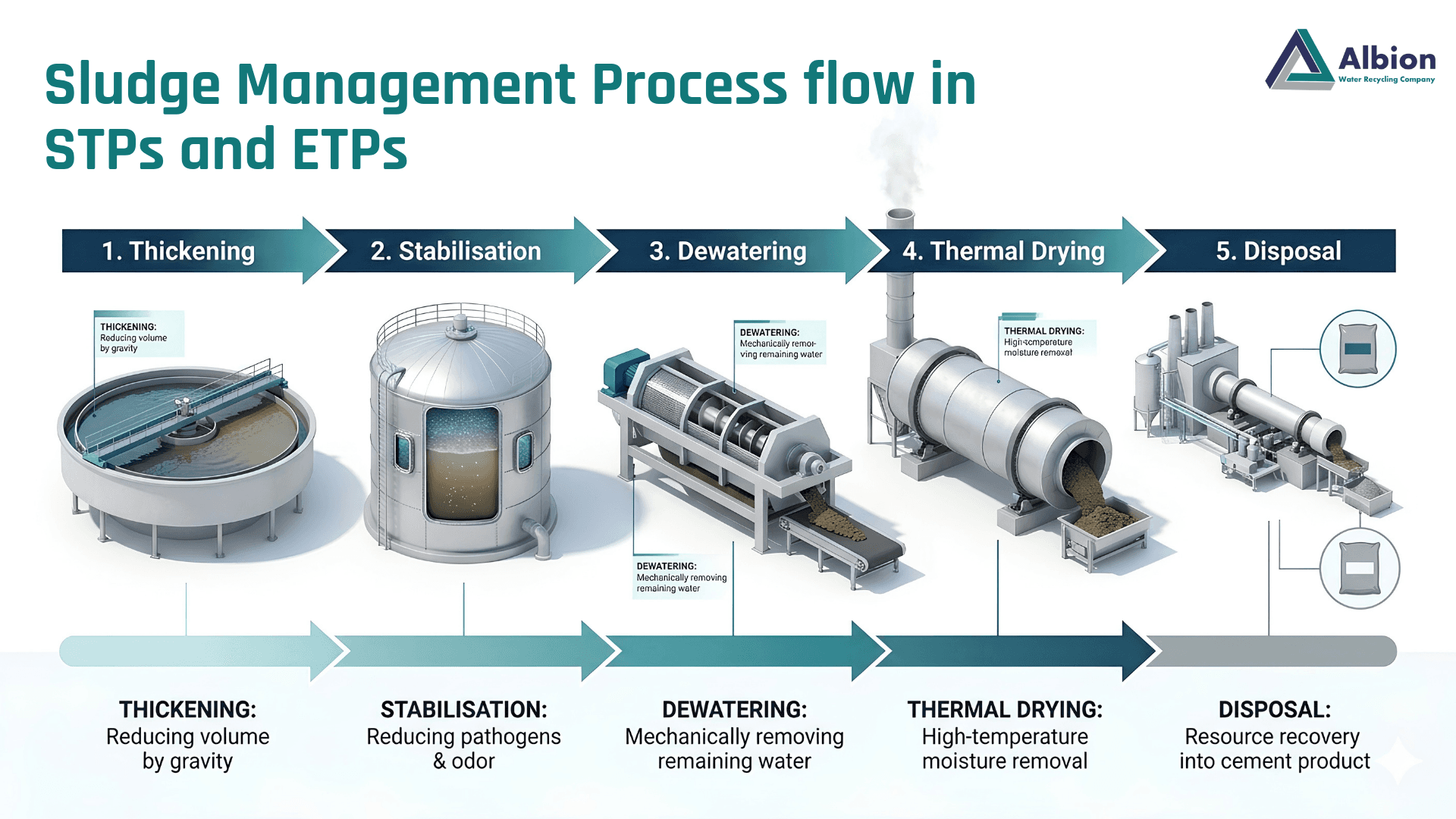
- Sludge handling. Chemical and biological sludges are thickened and dewatered separately where possible, since mixing metal sludge with biological sludge can turn a larger volume into hazardous waste.
Test before you design
Chemical effluent is the clearest case for bench work ahead of design. The BOD to COD ratio indicates how much of the organic load is biodegradable. Toxicity or respirometry tests show whether a stream will inhibit biomass and at what dilution. Jar tests guide precipitation and coagulation, oxidation trials show whether a pre-treatment step is worth its cost, and a feed analysis for scaling ions sets realistic RO recovery. Sampling should cover several product campaigns and cleaning cycles, since one grab sample rarely represents the plant.
Reuse and recovery
RO permeate from a ZLD or high-recovery train is the main source of reusable water, and it suits cooling tower make-up, boiler feed after polishing, washing and, where specifications allow, some process uses. Any reuse in a process step should be checked against that process's quality needs, since trace contaminants can affect reactions and products. Recovered solvents, acids and salts can sometimes be sold or returned to the process, but their purity and the rules on their use need to be confirmed.
Reduce the load before it reaches the ETP
- Recover solvents, acids and mother liquors instead of sending them to drain.
- Review reagents and routes with process chemists, since a different reagent can change the salt and COD load of an entire stream.
- Use counter-current washing and minimise rinse volumes where product quality allows.
- Keep cooling and boiler blowdown, which is cleaner but saline, away from concentrated process streams.
- Meter water at process and utility points so high users can be found.
Common mistakes
- Mixing all streams, so the whole flow becomes a toxic, high-TDS mixture that is expensive to treat.
- Skipping toxicity and treatability trials, then finding the biomass will not establish.
- Specifying standard materials for corrosive streams, leading to early failure of tanks, pipes and pumps.
- Sizing evaporation without a realistic RO recovery and reject estimate.
- Leaving hazardous sludge and salt disposal until after commissioning.
How Albion Ecotech approaches chemical industry ETPs
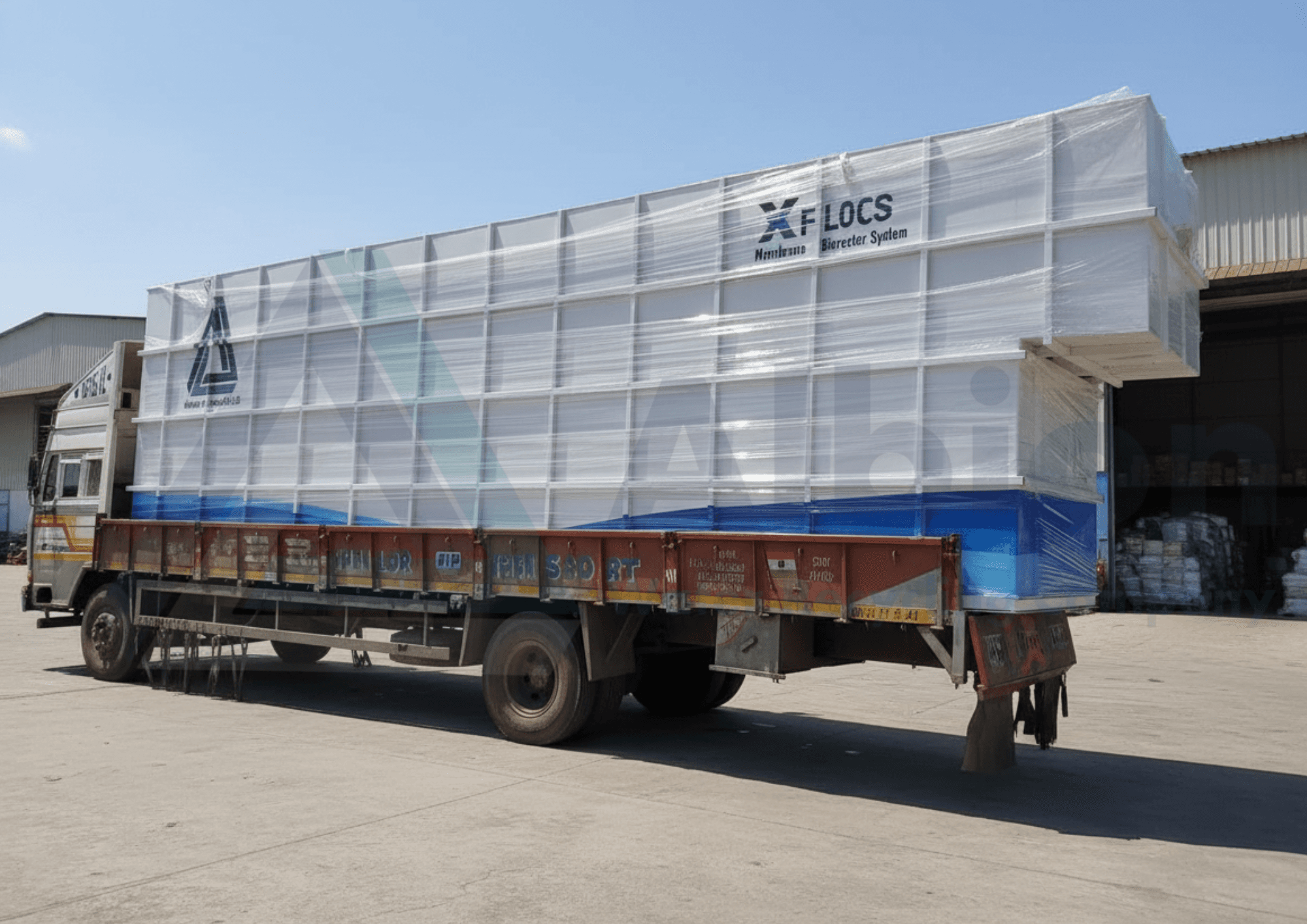
Albion Ecotech designs ETPs from the plant's own effluent data: stream characteristics, BOD to COD ratio, TDS, metals, toxicity and batch pattern, together with the discharge or ZLD requirement that applies. Depending on the site, the plant may combine segregation and equalisation, chemical and physico-chemical treatment, a biological stage selected from MBBR or AMBBR, SBR and MBR, and polishing with UF, RO or ceramic membranes, with ZLD for high-TDS streams where needed. Sludge management, energy-efficient equipment selection, PLC-based automation and post-commissioning support are part of the scope, and plants can be supplied in packaged or civil formats.
Frequently Asked Questions
Why is chemical industry wastewater harder to treat than sewage?
It can combine extreme pH, high dissolved solids, organics that resist biodegradation, heavy metals and compounds toxic to microorganisms. Composition also changes with each product campaign.
Can biological treatment alone handle chemical effluent?
Usually not. Segregation, neutralisation, metal removal and sometimes advanced oxidation are needed first to bring toxicity and pH into a range biomass can tolerate. Biological treatment is one stage, followed by membranes or evaporation where salinity or discharge limits require it.
Is zero liquid discharge mandatory for chemical plants?
Not for every unit. It depends on the state, the product category, the cluster and the conditions of the unit's consent, and some units are required to run ZLD. The applicable conditions should be confirmed with the State Pollution Control Board.
Why are ceramic membranes considered for chemical effluent?
Ceramic membranes tolerate stronger chemicals, higher temperatures and harsher cleaning than most polymeric membranes, which helps with aggressive or oily streams. They cost more, so the choice depends on the effluent and the life-cycle cost.
What should be tested before designing a chemical ETP?
Characterise each stream across product campaigns: pH, COD, BOD, TDS, metals and specific pollutants. Then run biodegradability and toxicity tests, jar tests for precipitation, oxidation trials where relevant, and a scaling assessment for RO and evaporation.