
Cera Flocs Ceramic Membrane Bio Reactor (Ceramic MBR) System
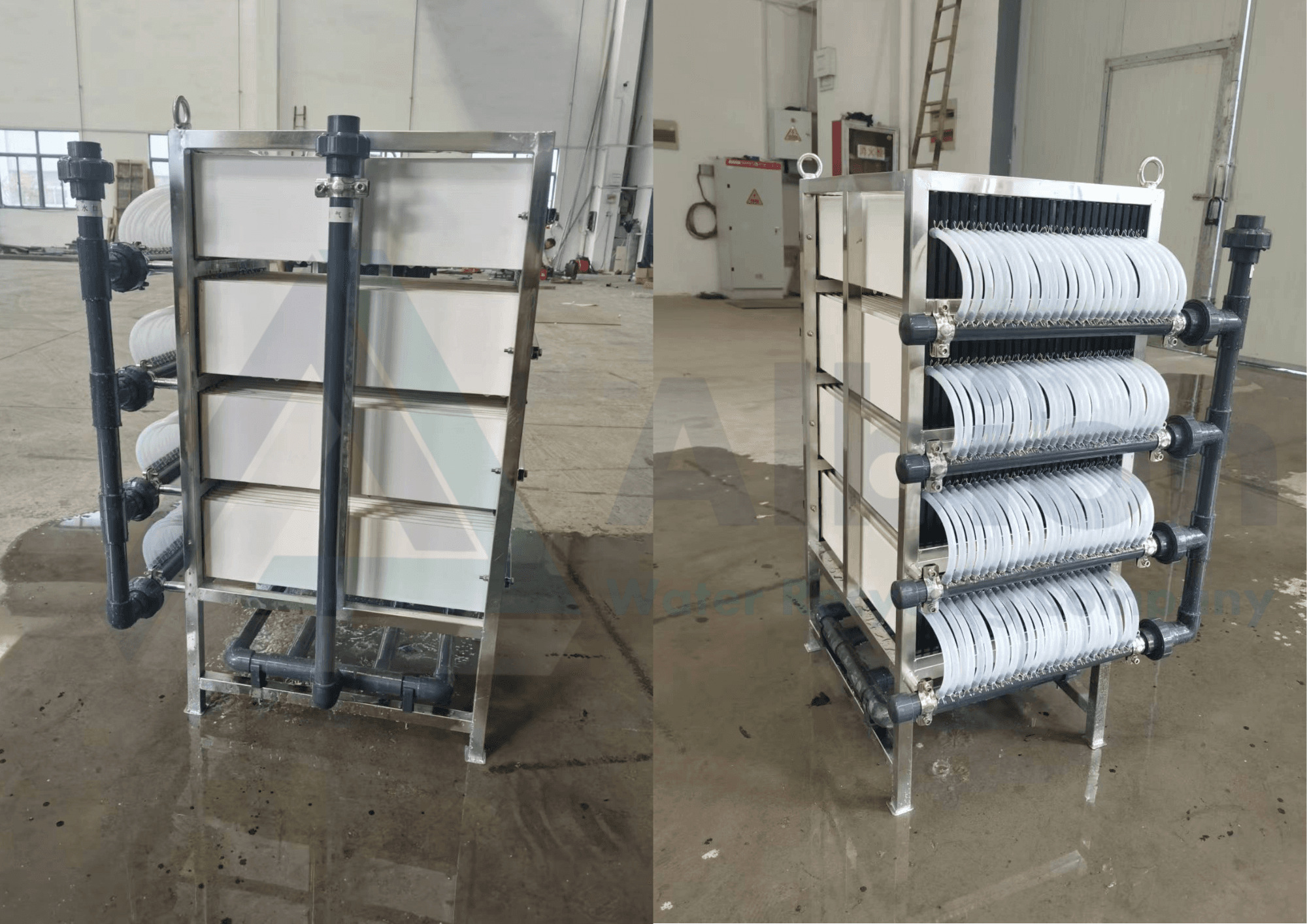
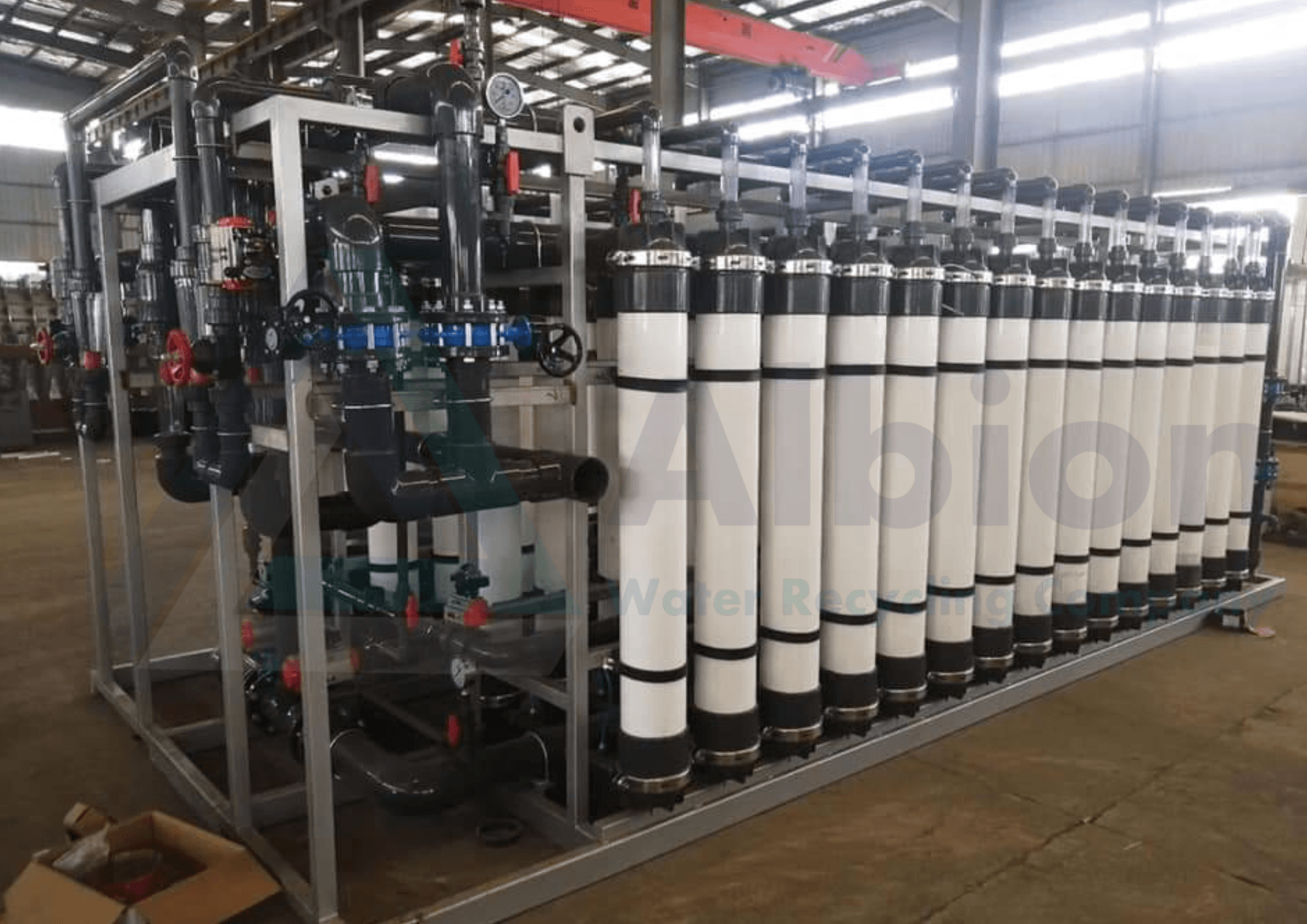
Membranes & Filtration MediaCera Flocs Ceramic MBR uses a high-strength, chemical-resistant ceramic membrane for cross-flow separation of solids, bacteria, oil and heavy metals in industrial wastewater.
Enquire about this product
Specifications
- Membrane Type
- Ceramic (inorganic) membrane
- Separation Mechanism
- Cross-flow separation
- Manufacturing Process
- Inorganic raw materials, uniformly mixed, reaction-molded, and calcined at high temperature
- Pore Structure
- Narrow, uniform pore size distribution
- Chemical Resistance
- Resistant to acids, alkalis, and organic solvents
- Mechanical Strength
- High mechanical strength; no deformation under high pressure or large pressure differentials
- Temperature Resistance
- High temperature resistant (specific rating not specified)
- Antimicrobial Performance
- Strong anti-microbial ability with good antibacterial effect
- Toxicity / Food-Grade Suitability
- Non-toxic; suitable for food and drug treatment applications
- Operational Life
- Long service life (specific duration not specified)
- Applicable Sectors
- Industrial, municipal, and specialty wastewater treatment
Features
Ceramic Cross-Flow Membrane Design
Uses a cross-flow separation mechanism across a rigid ceramic membrane, allowing continuous solids rejection while feed water flows tangentially across the membrane surface.
High-Temperature Calcined Construction
The membrane is formed from inorganic raw materials and calcined at high temperature, producing a dense, stable structure that resists thermal and mechanical stress far beyond typical polymeric membranes.
Narrow Pore Size Distribution
A tightly controlled pore structure delivers consistent, high separation efficiency across variable feed conditions, reducing the risk of contaminant breakthrough.
Broad Chemical Stability
Resistance to acids, alkalis, and organic solvents allows the membrane to operate in aggressive chemical environments that would damage conventional membrane materials.
High Mechanical Strength
The membrane withstands high operating pressures and large pressure differentials without deforming, supporting stable long-term performance in demanding process conditions.
Strong Anti-Microbial Resistance
Good antibacterial performance helps the membrane resist biological fouling and microbial degradation over extended operating periods.
High-Temperature Operating Capability
High temperature resistance allows the system to be used in thermally demanding process streams where polymeric membranes would fail.
Non-Toxic, Food & Pharma-Compatible Material
The membrane material is non-toxic and suitable for use in food and drug treatment processes, supporting applications with strict product-contact requirements.
Multi-Contaminant Separation Capability
Effectively filters suspended solids, bacteria, viruses, algae, oil, and heavy metals, and can be combined with integrated absorption for dissolved substance removal.
Long Operational Life
Built for durability, supporting extended service life under continuous industrial operating conditions.
Outcomes
High-Quality Treated Water
Narrow pore size distribution and high separation efficiency support consistent removal of suspended solids, pathogens, and other contaminants from the treated stream.
Stable Performance Under Harsh Conditions
Chemical, mechanical, and thermal resistance allow the system to maintain performance in aggressive, high-pressure, or high-temperature process environments.
Reduced Fouling Risk
Strong anti-microbial resistance helps limit biological fouling, supporting more stable long-term membrane performance.
Broad Contaminant Removal
Capable of separating suspended solids, bacteria, viruses, algae, oil, and heavy metals in a single membrane stage, simplifying treatment train design.
Enhanced Dissolved Substance Removal
When combined with integrated absorption, the system extends beyond solids separation to address certain dissolved contaminants.
Support for Water Reuse
Delivers separation performance suitable for recycling applications such as swimming pool water recovery and treated effluent polishing.
Durability and Long Service Life
High mechanical strength and resistance to deformation under pressure support a long operational lifespan versus conventional membrane types.
Suitability for Sensitive Applications
Non-toxic construction makes the membrane appropriate for food and pharmaceutical process water treatment where product-contact safety is critical.
About
Cera Flocs is a ceramic membrane bioreactor system engineered around an inorganic ceramic membrane rather than conventional polymeric membrane material. The membrane is produced by uniformly mixing inorganic raw materials with additives, reaction-molding the material, and calcining it at high temperature. This process results in a dense, rigid membrane structure with a narrow and uniform pore size distribution, which supports high separation efficiency across a wide range of feed water conditions. Because the membrane is ceramic rather than polymeric, it offers a distinct set of performance characteristics: strong resistance to acids, alkalis, and organic solvents; high mechanical strength that resists deformation under high pressure or large pressure differentials; high-temperature tolerance; and strong resistance to microbial attack. The material is also non-toxic, which extends its suitability into food and pharmaceutical processing contexts where product-contact safety matters. These characteristics position ceramic membrane technology as an emerging solution for wastewater streams that are too aggressive, hot, or biologically demanding for standard polymeric membrane systems.
How It Works / Process

The Cera Flocs system operates on a cross-flow separation principle. Feed water is directed to flow tangentially across the surface of the ceramic membrane rather than being forced straight through it. This cross-flow motion continuously sweeps rejected solids, bacteria, oils, and other contaminants away from the membrane surface while allowing treated permeate to pass through the narrow, uniformly distributed pore structure. The rigid ceramic construction allows the process to be sustained under high pressure and significant pressure differentials without membrane deformation, supporting stable separation performance over time. Where dissolved contaminants are present, the ceramic membrane stage can be paired with integrated absorption to extend treatment beyond solids and microbial separation to certain dissolved substances, producing a purified output stream suitable for discharge, reuse, or further downstream processing.
Industrial Use Cases
- Fracking Flowback Water — High-temperature and chemical-resistant filtration suited to complex, aggressive shale wastewater streams.
- Dairy Wastewater — Removal of fats, proteins, and suspended solids ahead of downstream treatment stages.
- Municipal Wastewater — Stable treatment performance with strong solids and pathogen separation.
- Oil–Water Emulsions — Breaks stable emulsions to achieve efficient oil-water separation.
- Leachate at Municipal Solid Waste (MSW) Landfills — Suited to high-COD, high-ammonia, and toxic-compound-laden leachate under harsh operating conditions.
- Recovery of Heavy Metals, Pharmaceuticals & Pesticides — Enables selective separation and recovery of high-value or hazardous contaminants.
- Retention of Microorganisms, Heavy Metals & Radioactive Substances — Provides an ultra-fine filtration barrier for containment of harmful constituents.
- Recycling of Swimming Pool Water — Produces clear recycled water, reducing chemical and make-up water demand.
- Sewage Plant Drain Purification — Polishes treated effluent to help meet discharge and reuse requirements.
Treatment Objectives
- Suspended solids removal
- Bacteria, virus, and algae separation
- Oil-water separation
- Heavy metal separation and recovery
- Dissolved substance removal (with integrated absorption)
- Effluent polishing / tertiary treatment
- Water reuse and recycling preparation
- Pathogen and microorganism retention
- Process water purification for sensitive (food/pharma) applications
Upgrade & Retrofit Applications
Confirmed Applications (Supported by Product Data)
Suited to industries and processes explicitly listed above — including municipal wastewater, dairy wastewater, oil-water emulsion treatment, MSW leachate treatment, swimming pool water recycling, and sewage plant effluent polishing — as either a new treatment stage or a replacement for existing separation technology in these processes.
General Compatibility Considerations
Because the ceramic membrane offers high chemical, thermal, and mechanical resistance compared to standard polymeric membranes, it may be considered where existing membrane systems are underperforming due to aggressive chemistry, high operating temperature, high pressure, or heavy biological/microbial fouling. Suitability for a specific retrofit should be confirmed against the actual feed water characteristics and existing plant hydraulics.
Why Choose This Product
- Ceramic construction provides chemical, mechanical, and thermal resistance beyond typical polymeric membranes.
- Cross-flow separation with a narrow pore structure supports consistent, high-efficiency solids and pathogen removal.
- Multi-contaminant capability — suspended solids, bacteria, viruses, algae, oil, and heavy metals — in a single membrane technology.
- High mechanical strength allows stable operation under high pressure and large pressure differentials without deformation.
- Strong antibacterial resistance helps reduce biological fouling over long operating periods.
- Non-toxic, food and pharma-compatible material broadens its applicability into sensitive process water applications.
Design Advantages
- Rigid ceramic structure resists deformation under pressure, supporting long-term dimensional and performance stability.
- High-temperature calcined construction provides thermal resilience for hot process streams.
- Broad chemical resistance (acid, alkali, organic solvent) supports use across a wider range of industrial feed chemistries than conventional membranes.
- Narrow, uniform pore distribution supports predictable and consistent separation performance.
Frequently Asked Questions (FAQ)
Related
Discuss your project
Tell us about your effluent characteristics and treatment targets, and our engineers will recommend the right configuration.
Start a project enquiry