Water Reuse and Zero Liquid Discharge: An Engineering Framework for Industrial Wastewater
Executive Summary
Industrial and commercial facilities are being asked to do two things at once: draw less fresh water and discharge less effluent. Treated wastewater reuse and zero liquid discharge (ZLD) are the two engineering routes that answer both demands, but they are often discussed as if they were a single upgrade. They are not. Reuse is a spectrum of water-quality targets matched to end uses, while ZLD is the far end of that spectrum, where the reject stream is also treated until almost no liquid leaves the site. This whitepaper sets out a step-by-step framework for planning either one: characterising the water balance, building the treatment train, matching quality to end use, deciding whether ZLD is justified, and estimating the full cost of ownership. It is written for plant engineers, sustainability leads and project owners who need a technical basis for these decisions rather than a vendor brochure.
1. Why Reuse and ZLD Are on the Agenda
Four pressures tend to push a facility toward reuse. Groundwater and surface-water supply is tightening in many regions, and abstraction is increasingly restricted. Discharge norms set by pollution control authorities are stricter on parameters such as BOD, COD, suspended solids and total dissolved solids, and some sites face limits on discharge to any inland surface water at all. The cost of securing, transporting and pre-treating fresh water keeps rising. And customers and lenders increasingly ask for evidence of water stewardship.
The reasons differ by sector. A textile processing unit is driven by the volume and salinity of dye-house effluent. A food and beverage plant is driven by organic load and wash-water volume. A pharmaceutical facility is driven by tightly controlled process water and complex effluent. A common effluent treatment plant (CETP) must manage variable mixed streams from many members. A commercial building or residential township is driven by flushing and landscaping demand and by limited plot area. Each starts from a different water balance, which is why the first step below matters so much.
2. Start With the Water Balance
Most failed reuse projects fail before the first tank is built, because the design was based on assumed rather than measured flows. A usable water balance records where water enters the site, where it is consumed, where it becomes wastewater, and what quality each stream carries. It should also capture variability: shift patterns, batch cycles, seasonal production, and rainfall where stormwater mixes with process flow.
- Flow measurement: install or verify flow meters on intake, major process lines and each effluent stream, and log them long enough to capture peaks, not just averages.
- Stream characterisation: sample each stream for BOD, COD, TSS, TDS, pH, oil and grease, colour, and any process-specific contaminants such as heavy metals, surfactants or residual actives.
- Stream segregation: identify streams that should be kept apart. A low-salinity rinse stream is far cheaper to reuse than the same water after it has been mixed with a high-TDS stream.
- Demand mapping: list the internal uses that could accept treated water and the quality each one needs, from flushing and landscaping to cooling make-up, process rinsing and boiler feed.
3. The Treatment Train: Stage by Stage
3.1 Preliminary and primary treatment
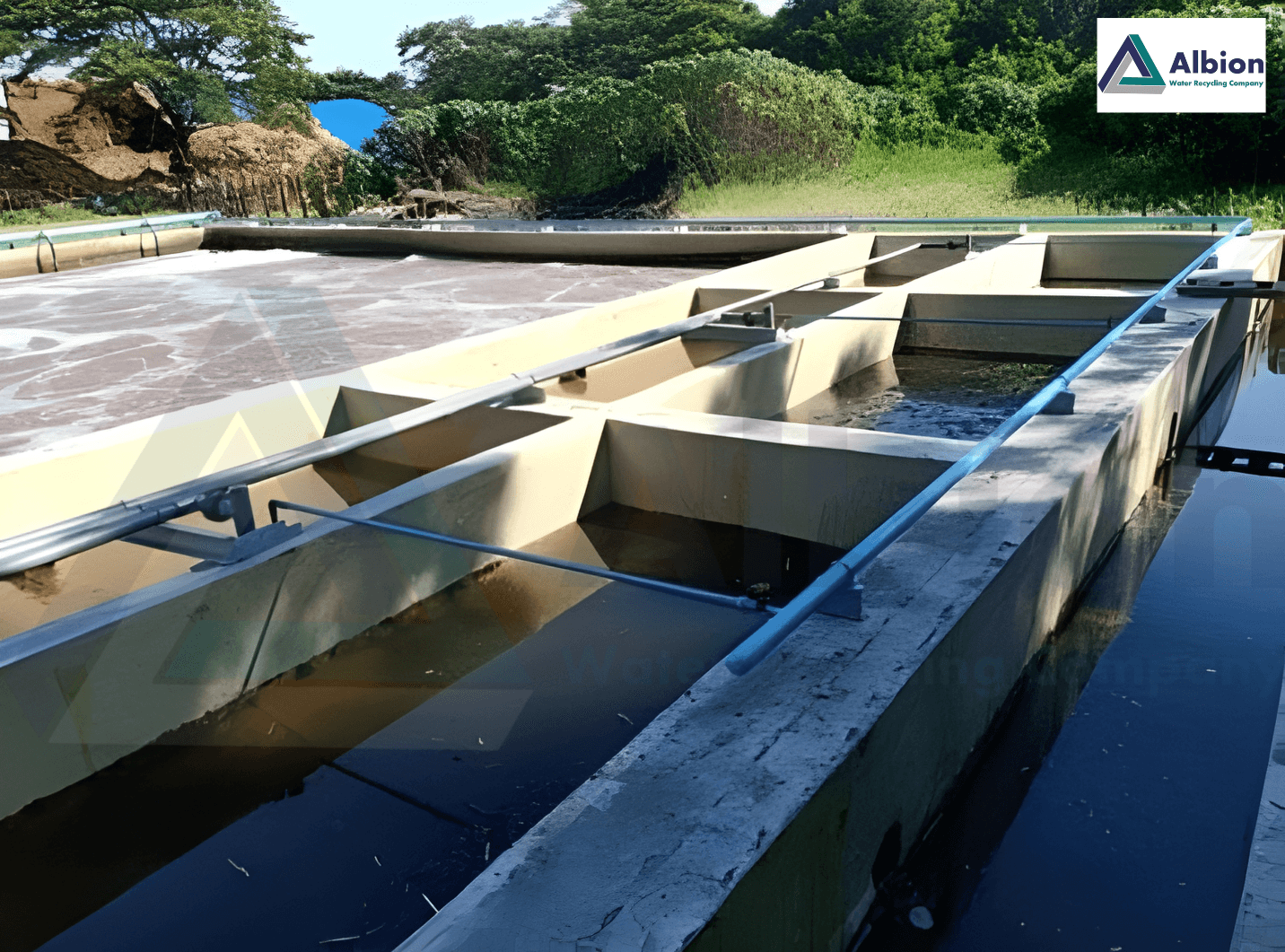
Screening, grit removal, oil and grease separation, equalisation and pH correction protect everything downstream. Equalisation deserves particular attention in reuse projects, because a stable feed lets the biological and membrane stages run closer to their design point. For industrial streams with high colour, metals or non-biodegradable COD, physico-chemical treatment such as coagulation and flocculation ahead of the biological stage is common.
3.2 Biological treatment
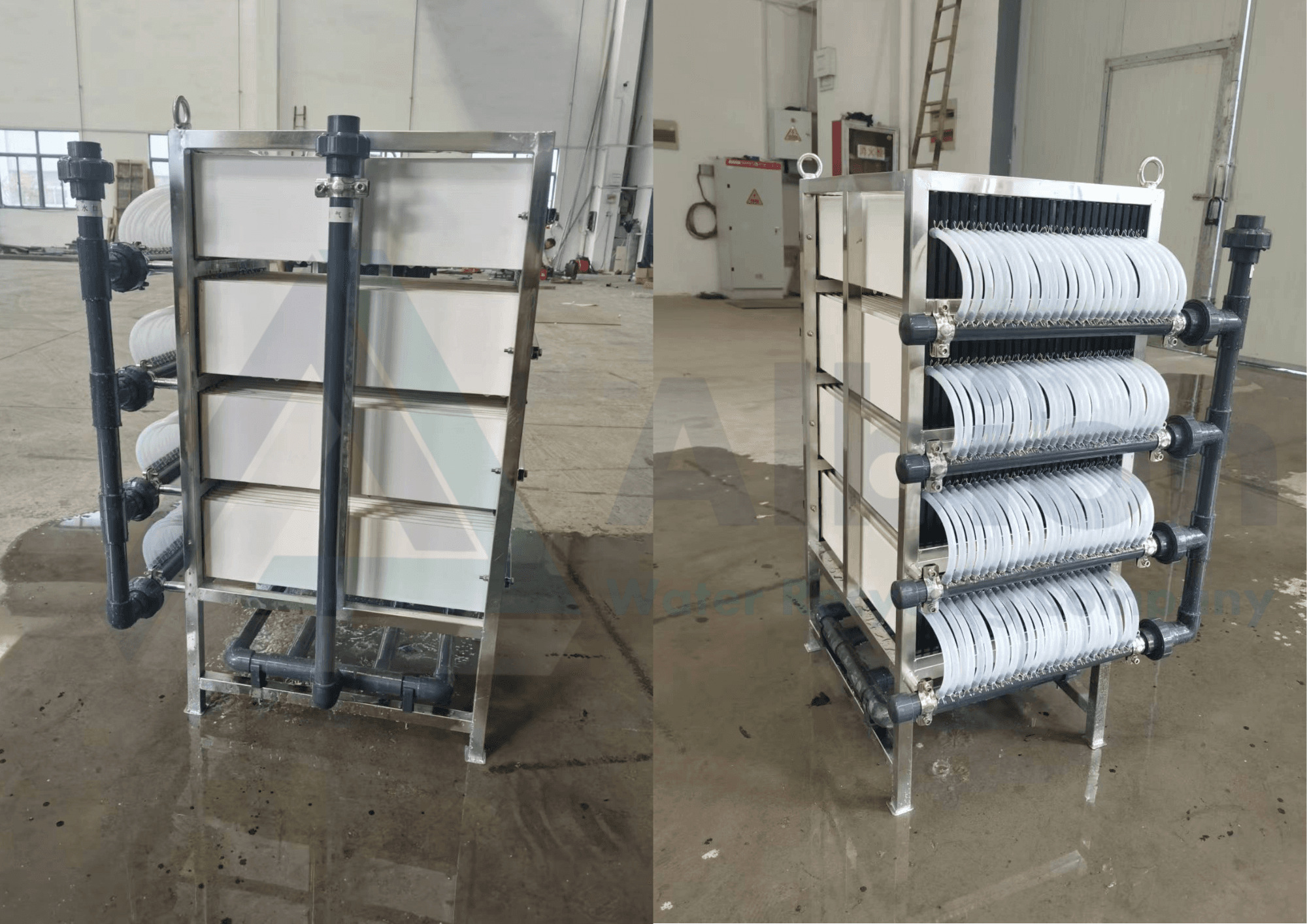
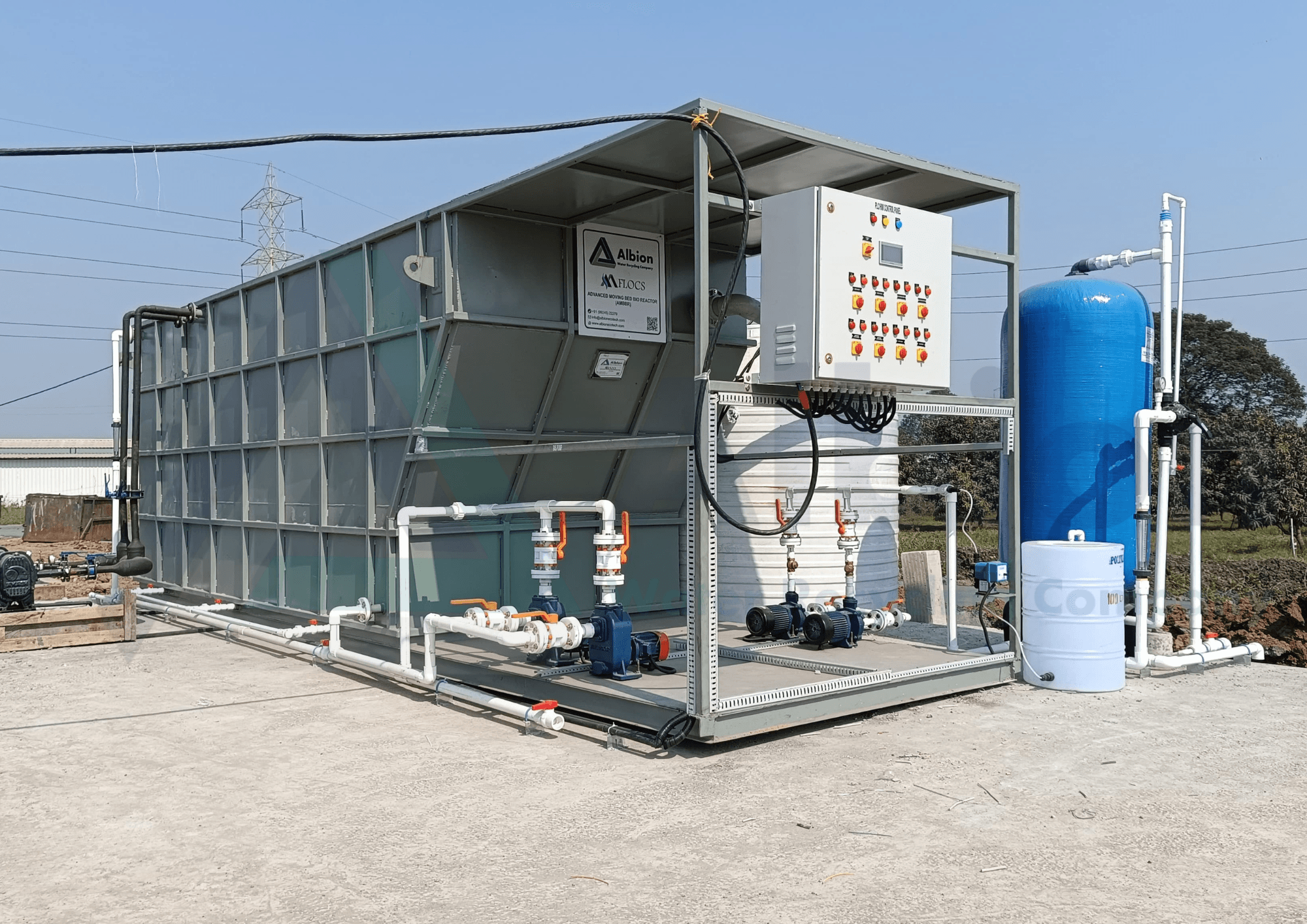
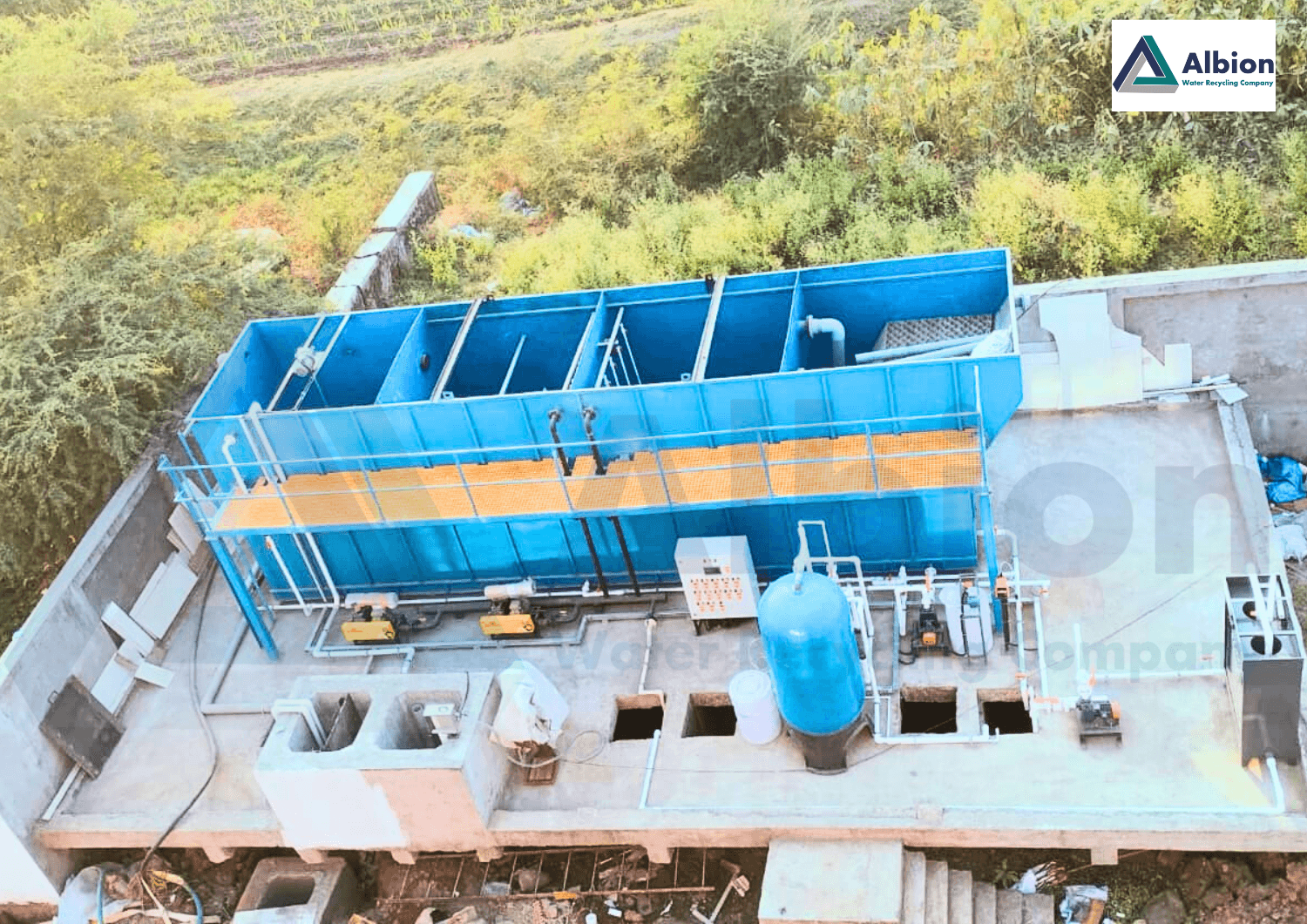
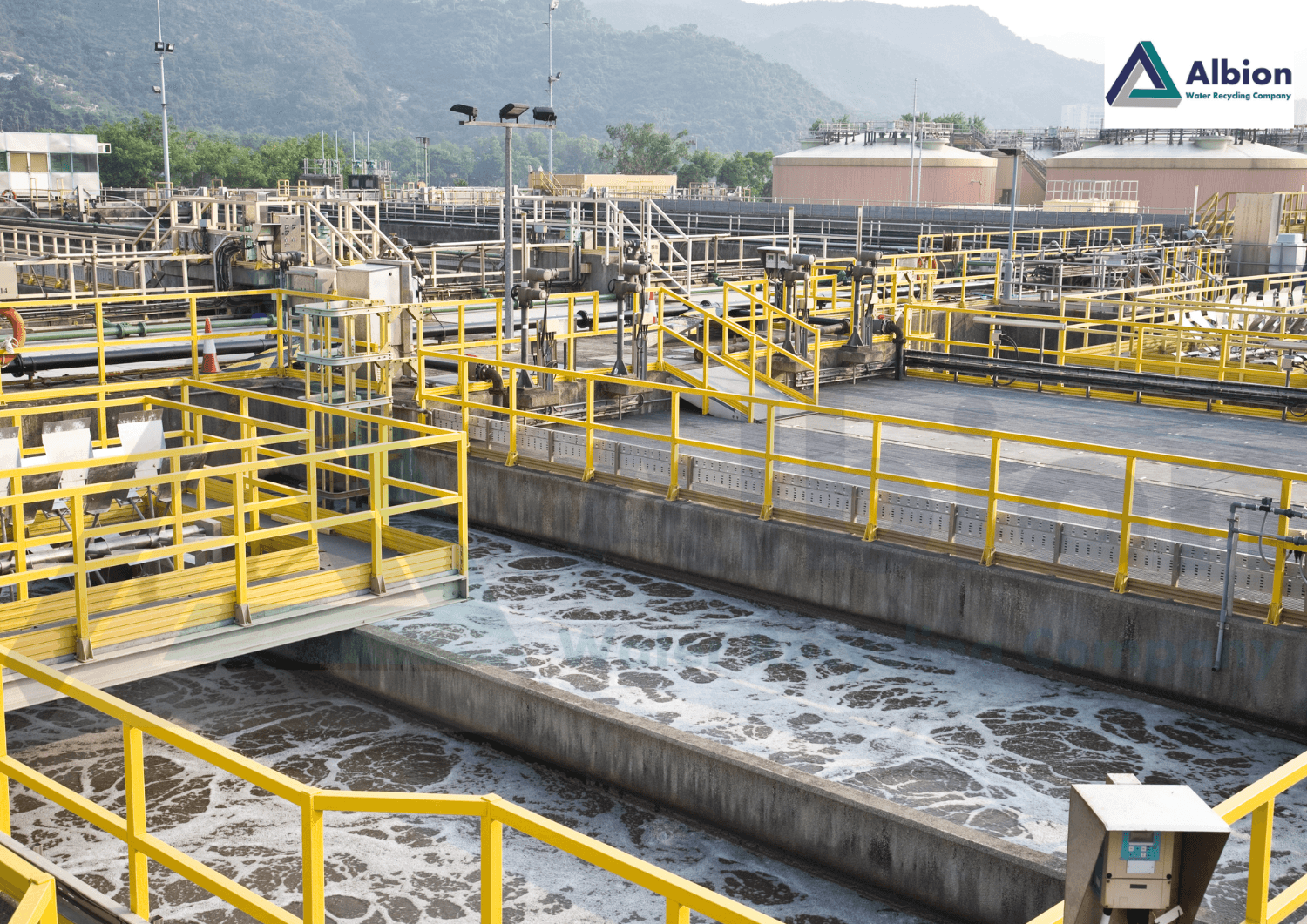
The biological stage removes biodegradable organic load and, when designed for it, nitrogen. The process choice sets the ceiling for what follows. An SBR handles variable flow in a single tank and gives flexibility for nutrient removal. MBBR and AMBBR use attached-growth biofilm on carrier media and suit compact footprints, capacity enhancement of existing tanks, and variable industrial loads, but still need downstream clarification or filtration. An MBR replaces the clarifier with a membrane and produces low-turbidity permeate that is a direct feed for reuse polishing. Where a facility expects to move toward RO or ZLD, MBR permeate or a well-clarified AMBBR effluent gives the membrane stages a cleaner, more consistent feed, which lowers fouling risk.
3.3 Tertiary treatment
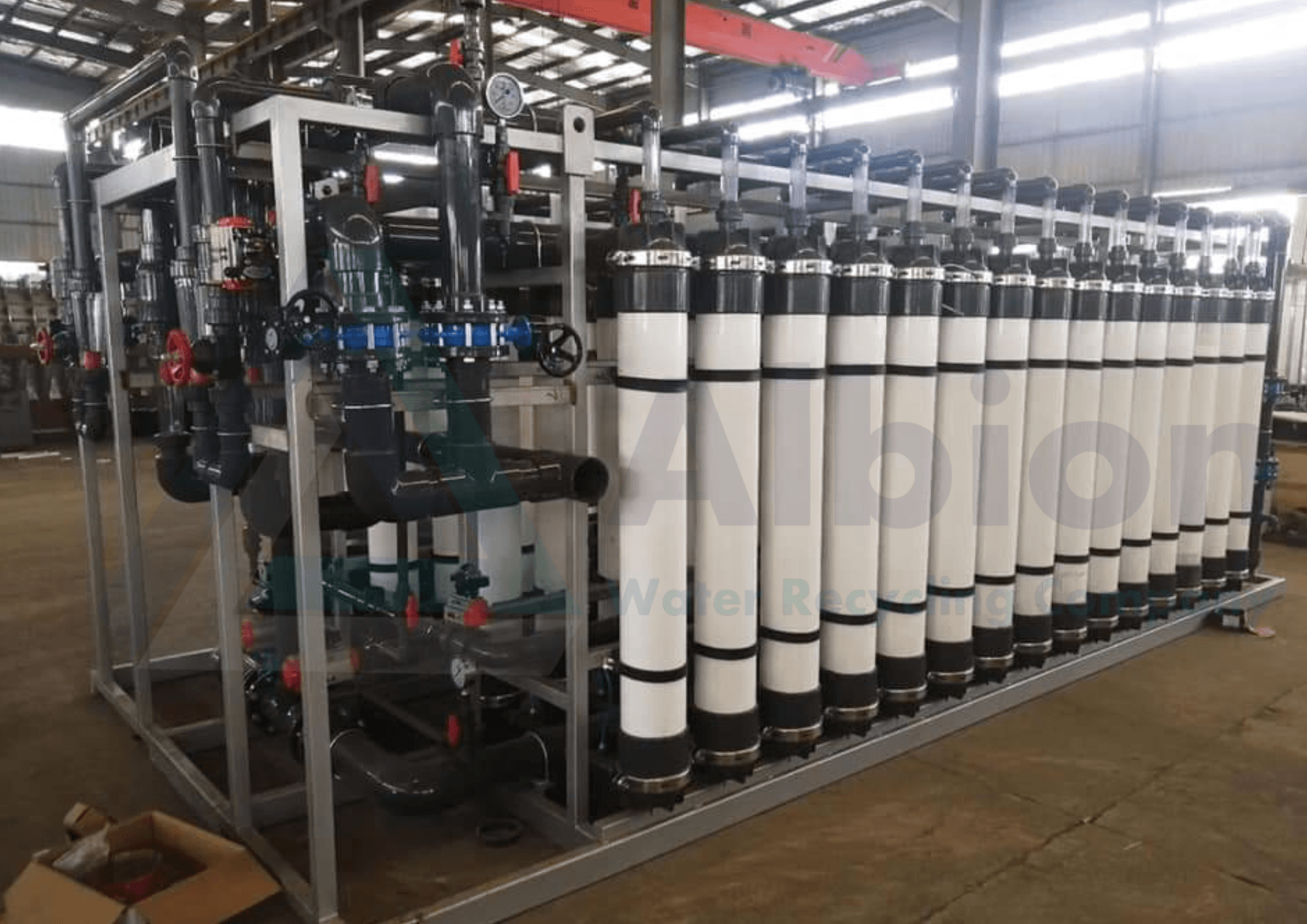
Tertiary treatment polishes biologically treated water. Pressure sand filters and activated carbon filters remove residual suspended solids and some organics. Disinfection, by chlorination, UV or a combination, addresses pathogens. Ultrafiltration (UF) provides a tighter physical barrier and is also the standard protective pre-treatment ahead of RO. The choice depends on the end use: flushing and landscaping usually need filtration and disinfection, while cooling make-up and process reuse often justify UF and RO.
3.4 Reverse osmosis and water recovery
Reverse osmosis removes dissolved salts and most dissolved organics, producing permeate suitable for demanding uses, and a concentrated reject stream. Recovery, the fraction of feed that becomes permeate, is limited mainly by the scaling and fouling tendency of the feed. Sparingly soluble salts such as calcium carbonate, calcium sulphate and silica concentrate in the reject and can precipitate on the membrane if recovery is pushed too far. Feed characterisation, antiscalant selection, and staged or multi-pass RO arrangements are the tools used to raise recovery safely. Every percentage point of recovery gained reduces the volume of reject that has to be managed, which is why RO design and ZLD design are linked.
4. Matching Water Quality to End Use
Treating all water to the highest grade is expensive and rarely necessary. A tiered approach sends each stream to the lowest-grade use it can safely serve.
- Flushing, landscaping, dust suppression and construction: biological treatment, filtration and disinfection are typically enough, subject to applicable standards.
- Cooling-tower make-up: usually needs lower suspended solids and controlled hardness, alkalinity and chlorides, so UF and sometimes partial RO come into play.
- Process rinsing and washing: depends on the process. Textile rinsing, for example, is sensitive to hardness, colour and residual salts, which points toward RO for part of the flow.
- Boiler feed and high-purity uses: require RO permeate followed by further polishing such as demineralisation.
Applicable standards for each use vary by state and application, and project teams should confirm them for the specific site before setting design targets.
5. Zero Liquid Discharge: What It Adds
ZLD means that the process water is recovered and reused, and the dissolved solids that remain are turned into a solid residue for disposal or recovery, so no liquid effluent leaves the site. It is built on top of a reuse system, not instead of one. After biological treatment, UF and RO, the reject stream is concentrated further, commonly through high-recovery membrane stages and thermal concentration in evaporators, and the final concentrate is dried or crystallised into a solid.
The trade-offs are real. Thermal concentration is energy-intensive, so ZLD raises both capital and operating cost. The residual solids are often a mixture of salts, sometimes with organics, and their disposal or recovery route needs to be settled early, because a poorly characterised salt cake can become a compliance liability of its own. ZLD also demands more skilled operation and closer monitoring than a conventional ETP. For these reasons it is best reserved for situations where discharge is restricted or prohibited, where fresh water is scarce or costly, or where regulation or a customer requirement calls for it.
6. Economic Framework
A credible business case compares total cost of ownership with and without reuse, including the cost of water avoided. The components below should each be estimated from site data rather than generic benchmarks, since energy tariffs, water prices and disposal costs differ widely between locations.
- Capital cost: civil or packaged tankage, biological equipment, filtration, UF and RO skids, thermal units for ZLD, storage and distribution for treated water, automation and instrumentation.
- Operating cost: aeration and pumping energy, RO high-pressure pumping, thermal energy in ZLD, chemicals (coagulants, antiscalants, cleaning agents), sludge handling, operator labour and routine maintenance. Energy efficiency in blower and pump selection is one of the main levers for OPEX reduction.
- Periodic replacement: UF and RO membranes, filter media, and wear items in thermal equipment.
- Avoided cost and risk: fresh water purchase and pre-treatment, tanker water, effluent discharge fees, and the exposure to production interruption if discharge or abstraction is curtailed.
The most useful sensitivity checks are the price of fresh water, the energy tariff, and the RO recovery actually achieved. A project that looks attractive at a high water price may not survive a low one, and a design that assumes optimistic RO recovery will understate reject volume and thermal load. The economics of reuse also improve with volume, so a phased plan that starts with the highest-value streams is often more defensible than a single large build.
7. Operational Considerations
- Membrane fouling and scaling: manage through pre-treatment quality, antiscalant dosing, cleaning-in-place schedules and monitoring of transmembrane pressure and normalised permeate flow.
- Influent variability: equalisation and robust biological design protect the tertiary stages. Production changes upstream should be communicated to the treatment team.
- Sludge management: biological and chemical sludge, and any ZLD solids, need thickening, dewatering and a defined disposal route. This is a recurring cost that should sit in the design from day one.
- Automation and monitoring: PLC-based control and online sensors for flow, pH, conductivity, turbidity and pressure make multi-stage plants easier to run consistently, and remote monitoring can help sites with limited specialist staff.
- Skills and support: membrane and thermal systems reward trained operators and a maintenance agreement with a provider who knows the plant.
8. A Phased Implementation Roadmap
Few sites need to jump straight to ZLD. A staged path lets each investment prove itself and keeps the option to go further.
- Stage 1, water audit: measure flows, characterise streams, map demand and set reuse targets.
- Stage 2, compliant base plant: put a well-sized STP or ETP in place, or upgrade the existing one, using the biological process that fits the load and footprint. Where an existing plant is near capacity, carrier-based retrofit can raise treatment capacity without new tankage.
- Stage 3, tiered reuse: add filtration, disinfection and storage for low-grade uses, then UF and RO for higher-grade uses, starting with the largest and cleanest streams.
- Stage 4, reject management: improve RO recovery, then evaluate whether thermal concentration and ZLD are warranted by discharge restrictions or water scarcity.
- Stage 5, optimise: track specific energy, chemical use and water recovery, and tune the system against the original targets.
9. Common Pitfalls
- Designing from assumed flows instead of measured ones.
- Mixing high-salinity and low-salinity streams and then paying to desalinate all of it.
- Under-sizing pre-treatment and then blaming the membranes for fouling.
- Assuming RO recovery without a feed scaling assessment.
- Leaving the disposal route for ZLD solids until after commissioning.
- Building treated-water storage and distribution as an afterthought, so reuse never reaches the intended consumers.
10. Albion Ecotech's Perspective
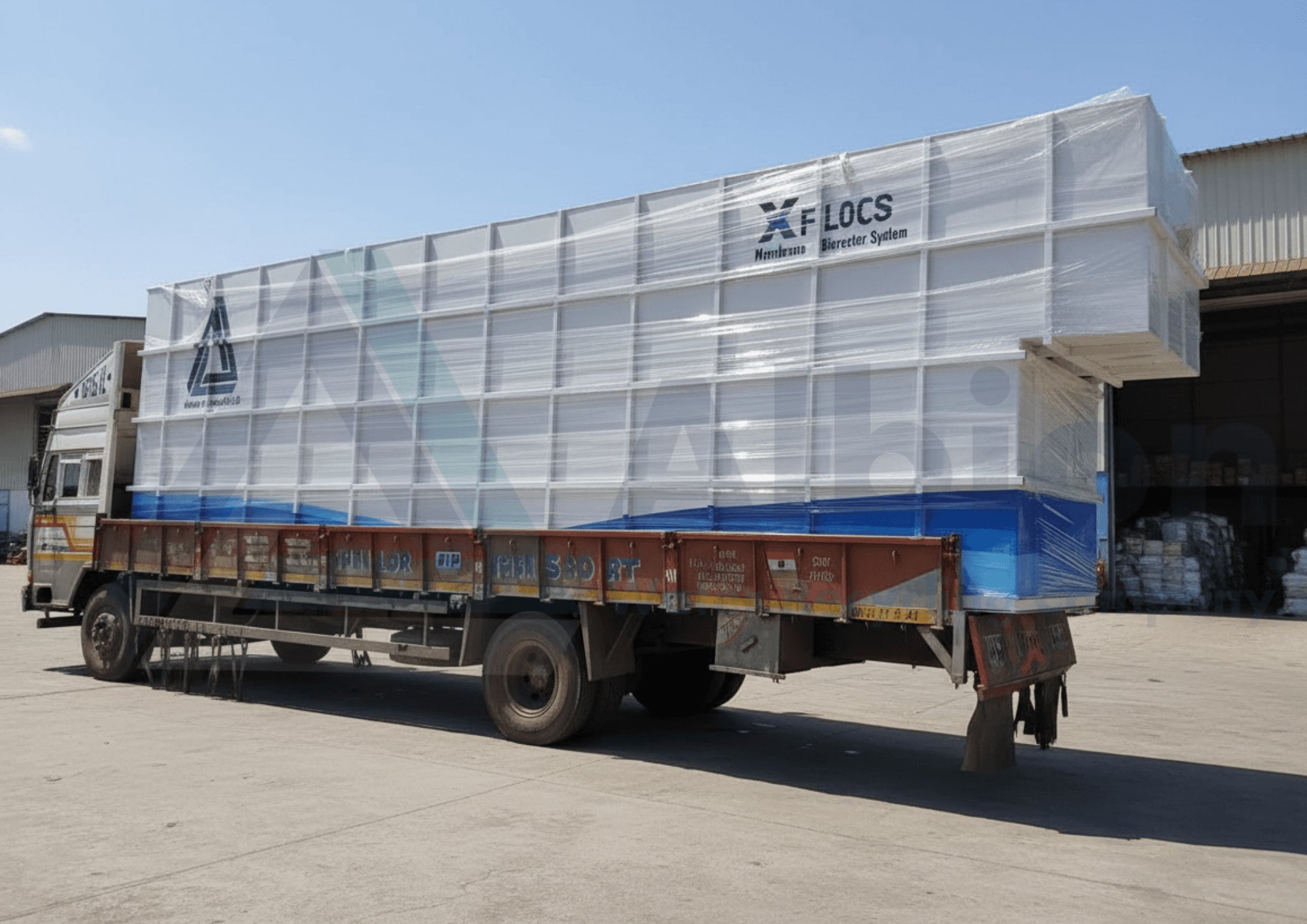
Albion Ecotech designs and executes STPs and ETPs with reuse in mind from the outset, rather than adding it as a later upgrade. Depending on the project, the biological stage may use SBR, MBBR or AMBBR, or MBR where a compact footprint and low-turbidity permeate are needed, followed by filtration, UF and RO sized to the end uses identified in the water audit. Where discharge limits or water scarcity justify it, Albion evaluates ZLD as the final stage of that train and looks at reject volume, energy demand and the solids disposal route before recommending it. Sludge management, energy-efficient aeration and pumping, PLC-based automation and post-commissioning support are part of the scope, since these are what keep water recovery and OPEX on target over the plant's life. Plants can be delivered in packaged or civil formats to suit site constraints and timelines.
11. Conclusion
Reuse and ZLD are engineering choices with clear steps and clear costs. A measured water balance shows what is worth recovering. A well-chosen biological stage and a protective tertiary train make recovery reliable. Matching quality to end use keeps cost in check. ZLD is the right answer for a specific set of constraints, and a poor one for sites that could meet their goals with tiered reuse alone. Facilities that plan in stages, test their assumptions on recovery and energy, and settle residual disposal early are the ones that end up with systems they can operate at the cost they expected.
Frequently Asked Questions
What is the difference between water reuse and zero liquid discharge?
Reuse means treating wastewater to a quality suitable for a chosen end use and using it again on site. ZLD is the most complete form of recovery: the reject stream is also treated until only a solid residue remains, so no liquid effluent is discharged.
Does every industrial site need ZLD?
No. ZLD adds significant energy and operating cost and is usually justified where discharge is restricted, fresh water is scarce or costly, or a regulation or customer requirement calls for it. Many sites meet their goals with tiered reuse and improved RO recovery.
Why does the biological process choice matter for RO and ZLD?
The membrane stages depend on a clean, consistent feed. An MBR permeate or a well-clarified AMBBR or SBR effluent reduces suspended solids and organics reaching UF and RO, which lowers fouling risk and cleaning frequency.
What limits RO recovery?
Mainly the scaling and fouling tendency of the feed. Sparingly soluble salts and silica concentrate in the reject and can precipitate on the membrane, so recovery is set through feed analysis, antiscalant selection and staged RO design rather than a fixed target.
What happens to the solid residue from ZLD?
It is typically a mixed salt residue that must be characterised and sent to an approved disposal or recovery route. Settling this route early avoids surprises, since the composition depends on the effluent and the treatment chemicals used.
Where should a facility begin?
With a water audit: measured flows, characterised streams and a map of where treated water could be used. That data decides the treatment train, the reuse tiers and whether ZLD is worth evaluating at all.