What Is a Wastewater Treatment Plant and Why Does Your Industry Need One?
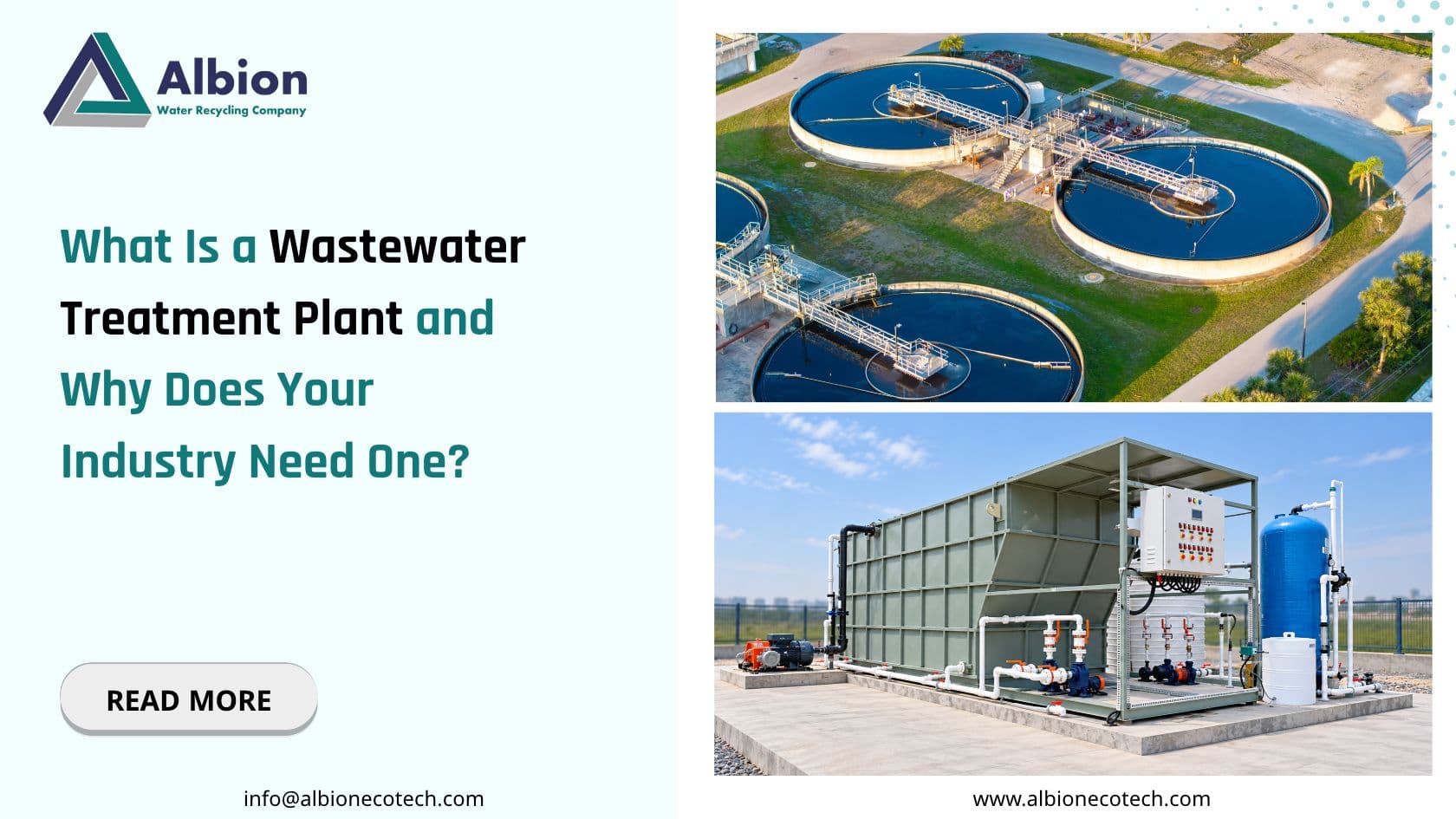
Every factory, hotel, hospital and housing society uses water, and nearly all of it leaves as wastewater carrying whatever it picked up on the way: food waste, oil, chemicals, dyes, salts, detergents or human waste. A wastewater treatment plant is the facility that takes that water back to a condition where it can be discharged safely, or better, used again. This article explains what a wastewater treatment plant is, the stages and technologies it uses, how sewage, effluent and common plants differ, and why industries cannot manage without one.
What a wastewater treatment plant does
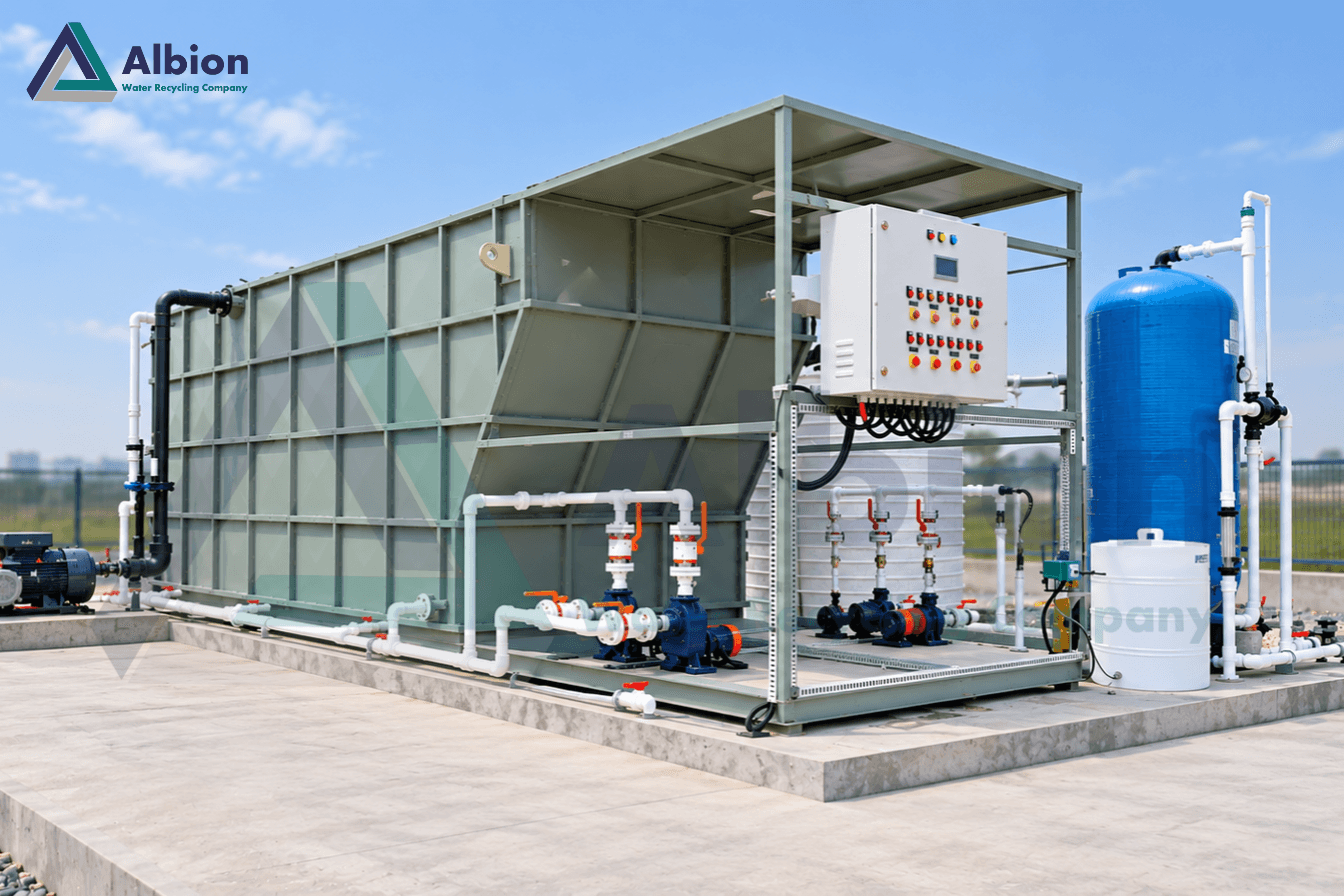
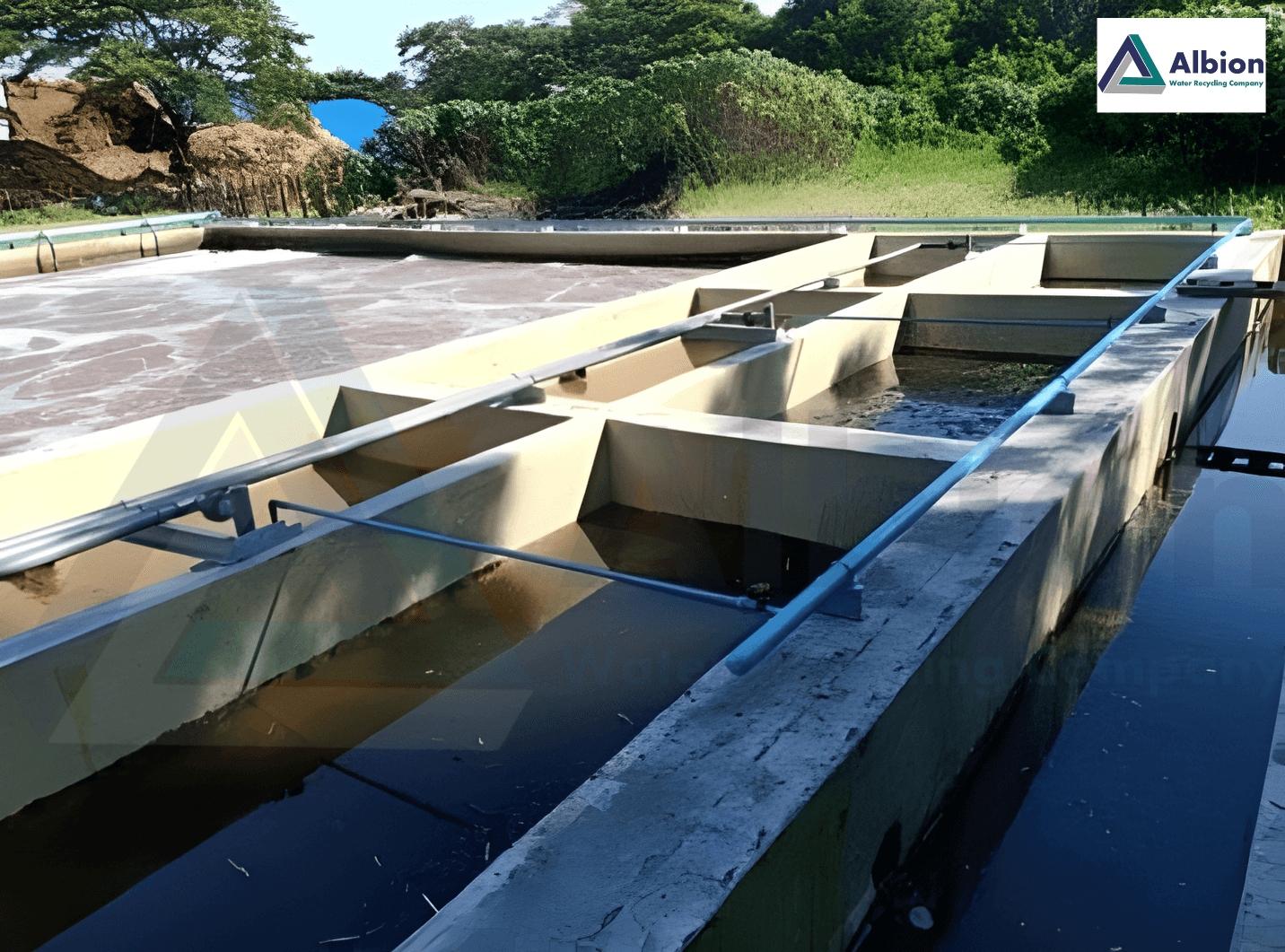
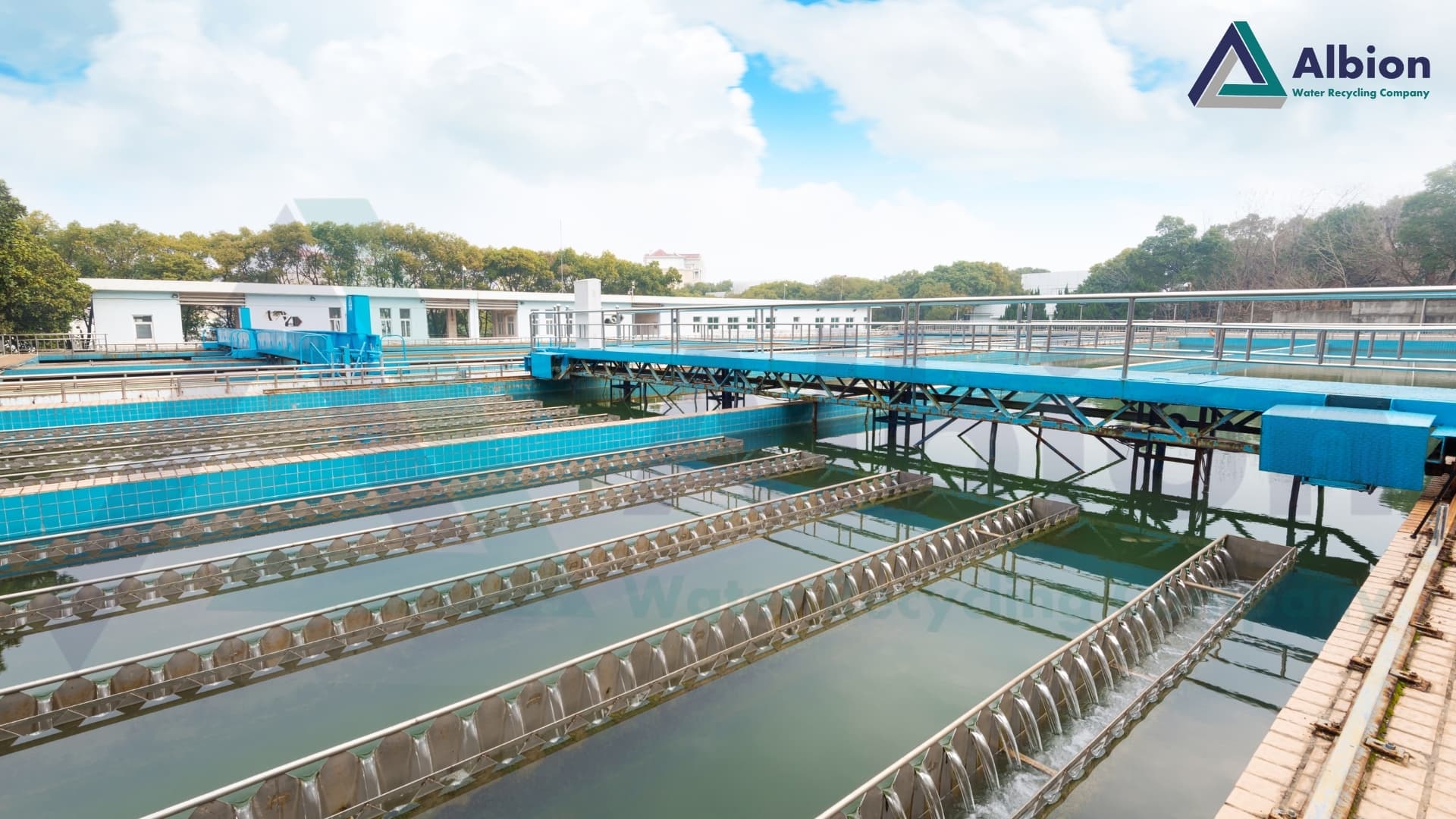
A wastewater treatment plant removes pollutants from used water in stages, using physical, biological and sometimes chemical processes. The pollutants it targets include suspended solids, organic matter measured as BOD and COD, nutrients such as nitrogen and phosphorus, oil and grease, dissolved salts, metals, colour and disease-causing organisms. The result is treated water that meets the standard for discharge to a drain or water body, for reuse on site, or in a zero liquid discharge system, for full recovery. The solids removed along the way are collected as sludge, which is thickened, dewatered and sent for disposal or reuse.
The stages of treatment
- Preliminary treatment. Screens catch rags, plastics and large solids, and grit chambers remove sand. Oil and grease traps or flotation units take out floating fats. This protects pumps and later stages.
- Equalisation and conditioning. A mixed balancing tank evens out flow and strength, and pH is corrected. Industrial plants rely on this stage more than municipal ones, since factory effluent changes with each batch.
- Primary treatment. Settling or chemical coagulation removes much of the suspended solids and some of the organic load.
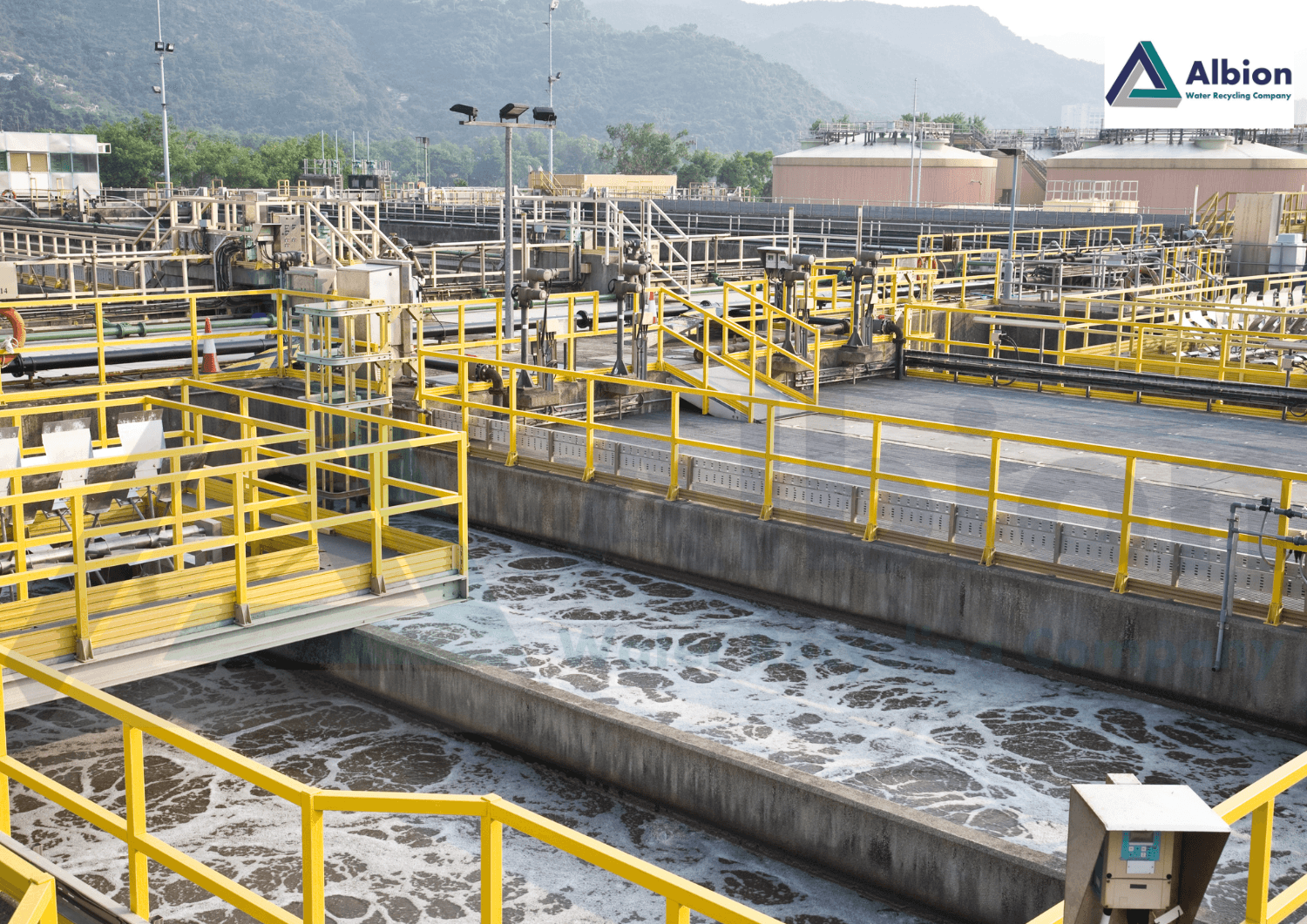
- Secondary (biological) treatment. Microorganisms consume the dissolved and fine organic matter in aerated tanks, which brings BOD and COD down. Processes include activated sludge, SBR, MBBR and AMBBR, and MBR.
- Tertiary (advanced) treatment. Filtration, disinfection, activated carbon, ultrafiltration and reverse osmosis polish the water to the quality needed for reuse or strict discharge limits.
- Sludge management. Thickening and dewatering reduce sludge volume, and a defined route handles disposal or reuse. This stage often decides running cost.

STP, ETP, CETP and ZLD: what is the difference?
- Sewage treatment plant (STP): treats domestic sewage from homes, offices, hotels, hospitals and campuses. The load is mostly organic and fairly predictable, so biological treatment does most of the work. Treated water is commonly reused for flushing, landscaping and cooling.
- Effluent treatment plant (ETP): treats process wastewater from a factory. Depending on the industry it may carry oils, solvents, dyes, metals, high salts or very strong organic loads, so the plant is built around the specific effluent and often adds physico-chemical, advanced oxidation and membrane stages.
- Common effluent treatment plant (CETP): a shared plant that treats effluent from many small and medium units in a cluster, which spreads cost and expertise. Members usually have to pre-treat to the plant's inlet norms.
- Zero liquid discharge (ZLD): a configuration in which no liquid effluent leaves the site. Water is recovered and reused through UF and RO, and the reject is concentrated by evaporation and crystallised into a solid residue. It adds energy and cost, and is justified by regulation, scarce water or restricted discharge.
Technologies commonly used
- SBR (Sequencing Batch Reactor): fill, react, settle and decant in one tank in a timed cycle. Flexible for variable flow and good for nitrogen removal.
- MBBR and AMBBR: biofilm grows on carriers moving in an aerated tank, giving a compact reactor that tolerates load swings and can raise capacity in an existing tank.
- MBR (Membrane Bioreactor): biological treatment combined with membrane filtration in place of a clarifier, giving a very clean, low-turbidity permeate in a small footprint.
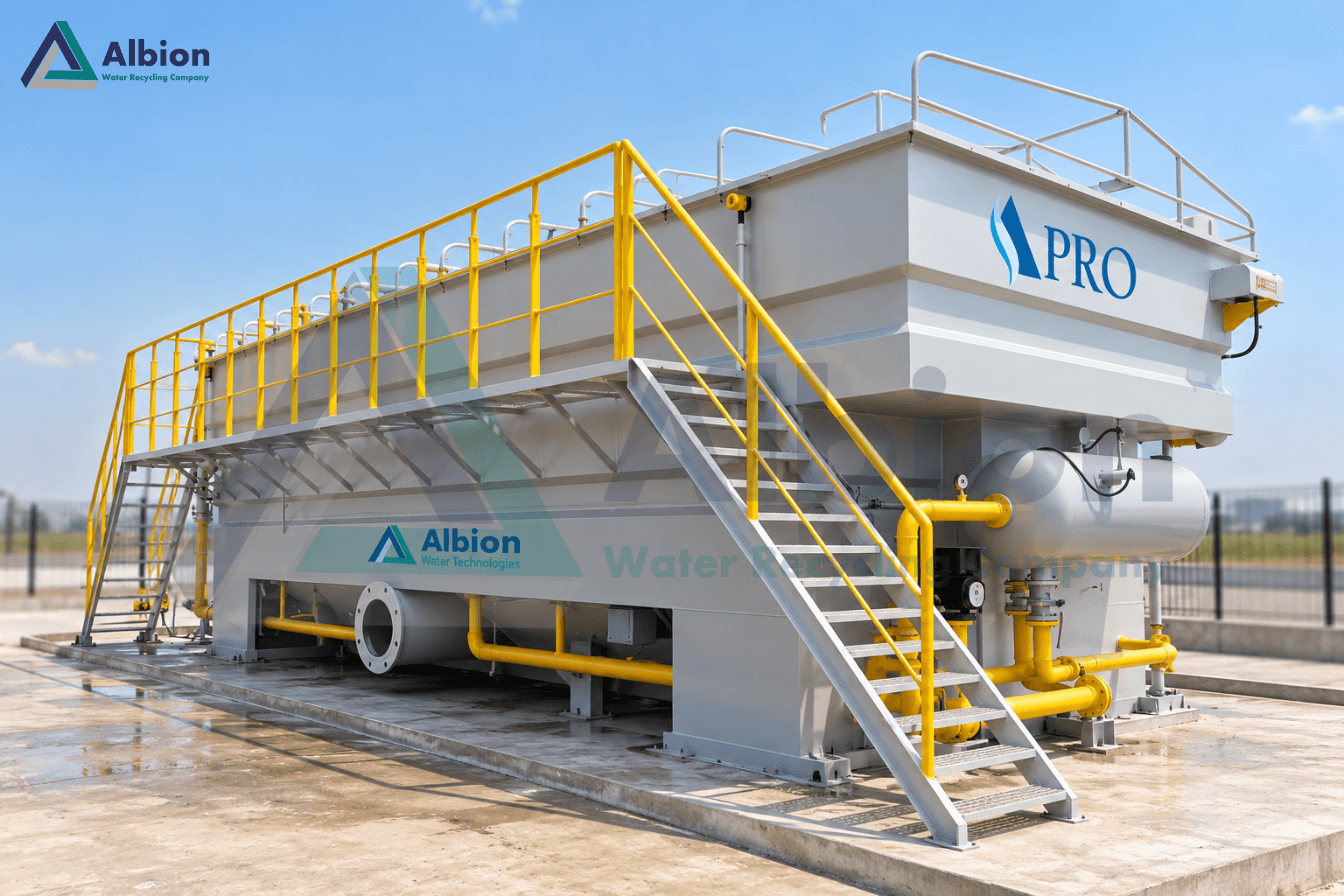
- DAF (Dissolved Air Flotation): removes fats, oils and light suspended solids, common in food and oily industrial streams.
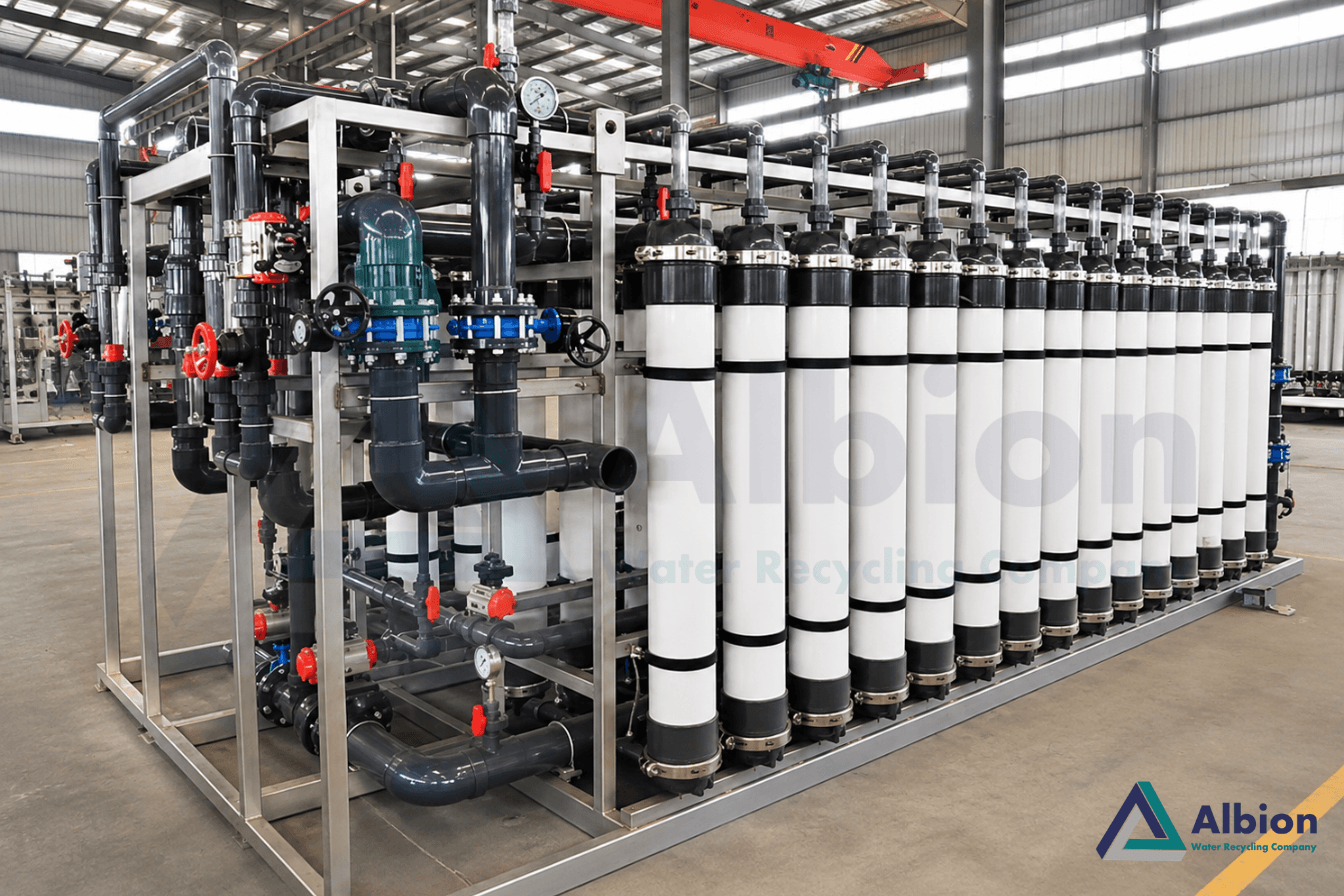
- UF and RO: ultrafiltration removes fine solids and microorganisms, and reverse osmosis removes dissolved salts, which makes high-quality reuse and ZLD possible.
Why your industry needs one
It is a condition of operating. Industrial units in India operate under consent from the State Pollution Control Board, which sets discharge limits for pH, BOD, COD, suspended solids, oil and grease, and other parameters depending on the sector. Plants that exceed them face notices, penalties and, in serious cases, closure or loss of utilities. The standards differ by industry, state and mode of disposal, so they should be confirmed for each unit.
It protects water and people. Untreated effluent strips oxygen from rivers, contaminates groundwater and soil, and can carry toxic or disease-causing material into communities that use the same water.
It reduces fresh water dependence. Water is becoming scarcer and costlier in many industrial regions. Reusing treated water for cooling, washing, flushing and landscaping cuts intake, tanker cost and supply risk.
It lowers liability and protects continuity. A discharge violation can stop production and damage customer relationships, and contamination can create long-term clean-up liability.
It supports sustainability and customer requirements. Buyers, lenders and brand owners increasingly ask for evidence of wastewater management and water stewardship, and treatment and reuse data feed directly into ESG reporting.
It recovers value. Depending on the plant, water, biogas, solvents, salts or fibre can be recovered, which offsets some of the treatment cost.
What different industries need to treat
- Pharmaceuticals: solvents, high-COD effluent that resists biodegradation, high TDS and residual active ingredients.
- Textile and dyeing: persistent colour and high salinity, with variable batch loads.
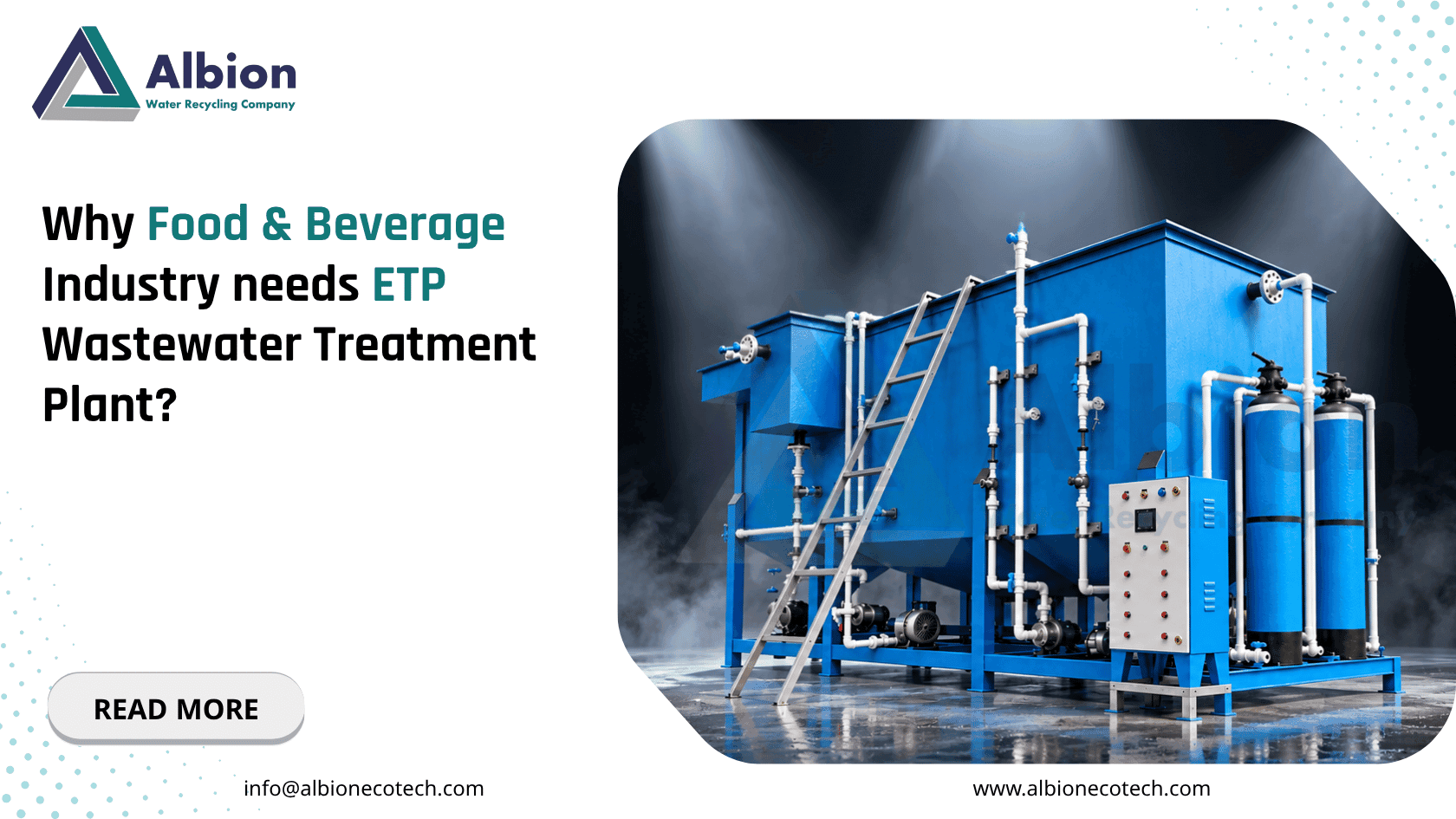
- Food, beverage, dairy, sugar and distilleries: heavy biodegradable organic loads, fats, and in some cases strong seasonality.
- Chemical industries: extreme pH, metals, high TDS and toxic organics.
- Paper and pulp: large volumes with fibre, colour and organic load.
- Power, cement and mining: cooling and process blowdown, suspended solids, and metals in mine water.
- Municipalities, hotels, hospitals, housing societies and commercial complexes: domestic sewage with variable occupancy-driven flow and strong reuse potential.
How to choose the right plant
No single design suits every site. A good selection starts from data, not from a technology name.
- Flow and its pattern: average, peak and minimum, by hour and by season, ideally from metered data.
- Effluent characteristics: BOD, COD, TSS, TDS, pH, oil and grease, metals, colour and any toxic compounds, sampled across production cycles.
- Discharge or reuse target: the consent conditions, and the quality each reuse application needs.
- Whether ZLD is required: mandated for certain industries and regions, or chosen because of water scarcity.
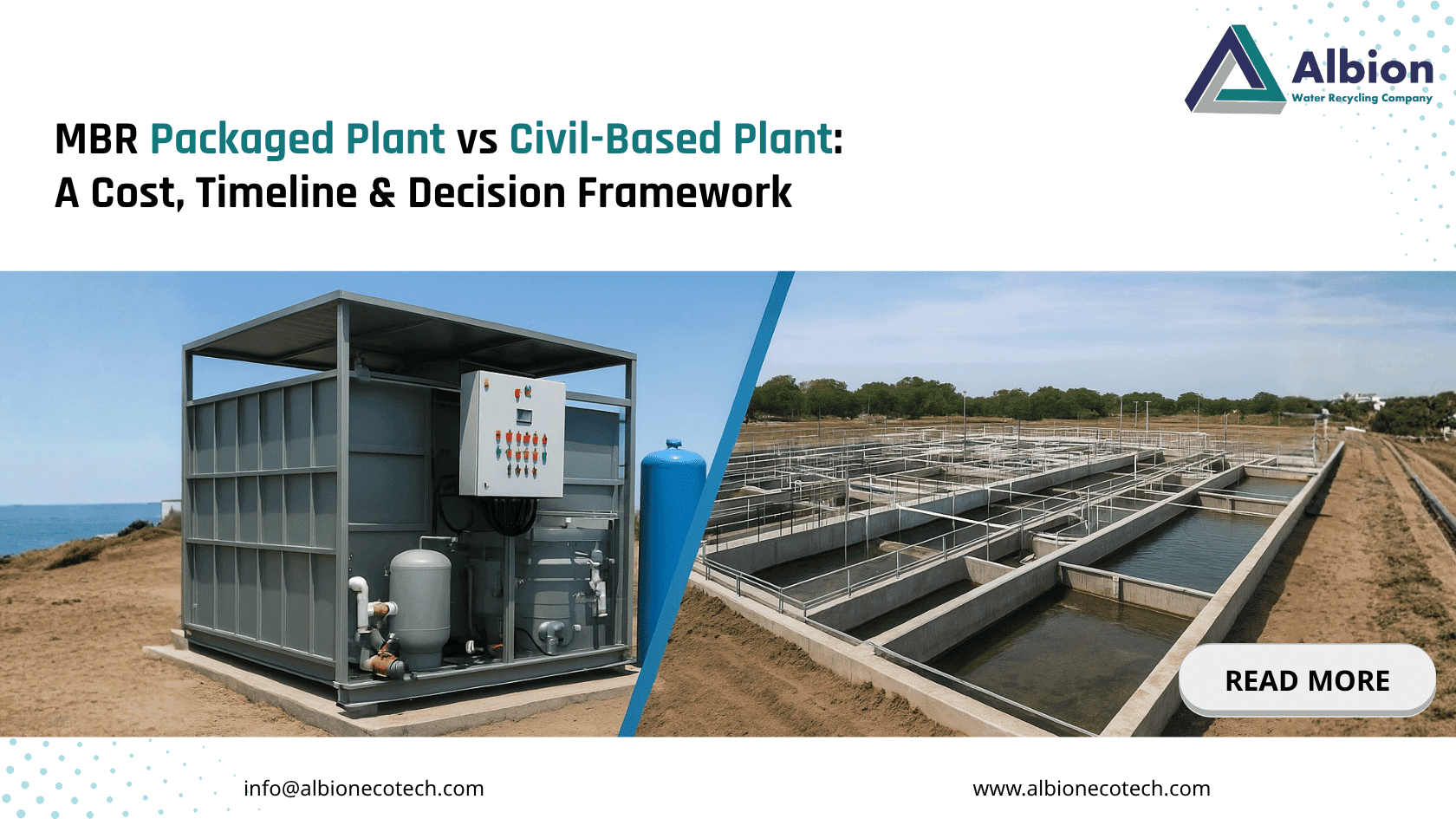
- Space and site conditions: available plot, soil, water table and access, which also decide between a packaged plant and civil construction.
- Total cost of ownership: capital cost plus energy, chemicals, sludge handling, membrane replacement and operator time over the plant's life.
- Operating capability: the skills available on site, and the level of automation and support needed.
Cost and timeline
Capital cost depends mainly on flow, effluent difficulty, the technologies required and whether ZLD is included, so it can range from modest packaged units to large multi-stage plants. Timelines run from a few months for a packaged plant to longer for a large civil plant with approvals, and they depend on site readiness, consents and equipment supply. Neither figure should be taken from a generic rule. A design based on measured data and a bill of quantities is the only reliable basis.
Common mistakes to avoid
- Choosing on lowest price without comparing scope, design basis and running cost.
- Designing from a single sample or average flow.
- Mixing all streams, so a small hard stream makes the whole flow hard to treat.
- Leaving sludge and residue disposal until after commissioning.
- Skipping operator training and a maintenance plan.
How Albion Ecotech approaches it
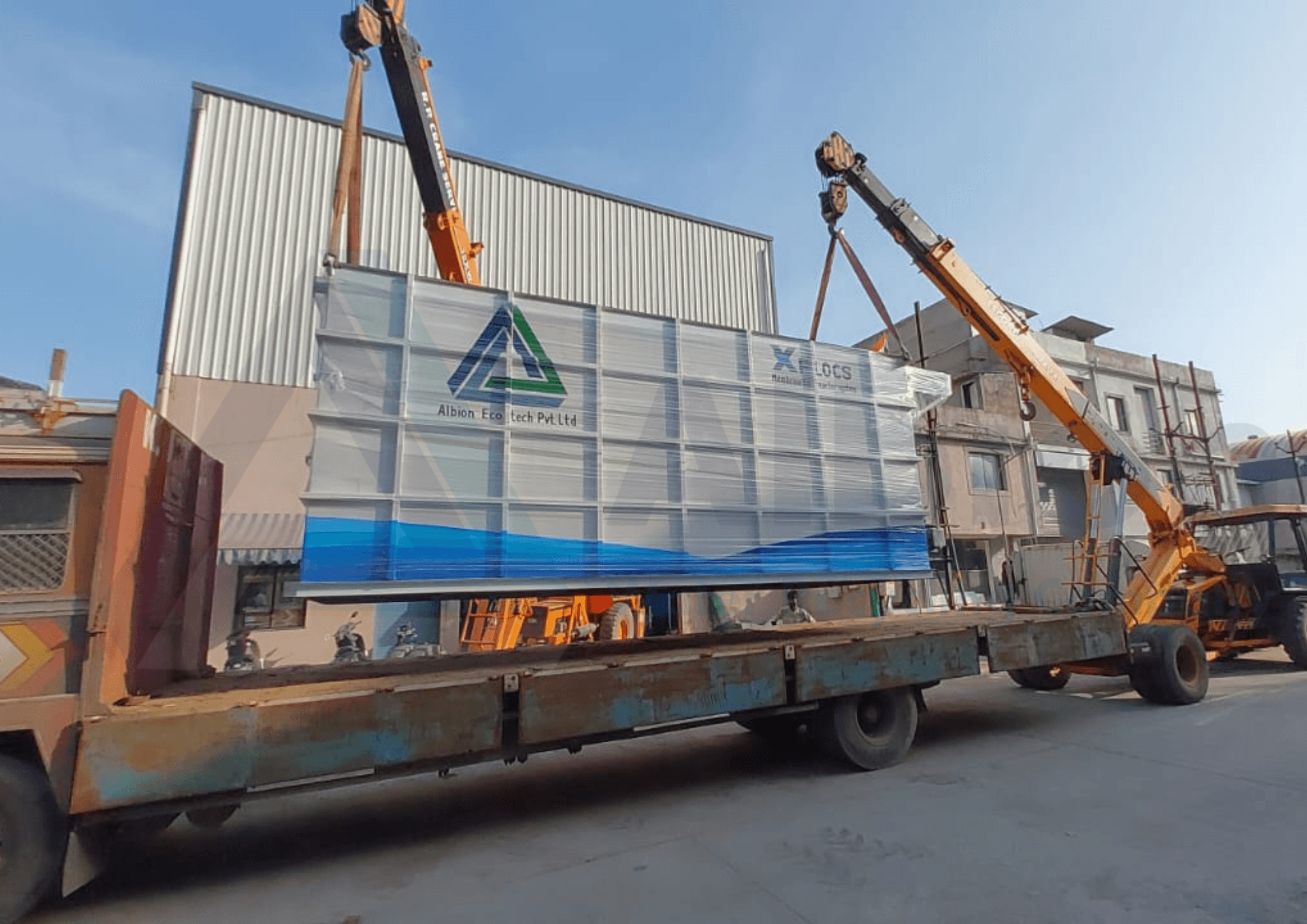
Albion Ecotech designs and executes STPs and ETPs around each site's measured flow and effluent data and the discharge or reuse target that applies. Depending on the project, the biological stage may be SBR, MBBR or AMBBR, or MBR, supported by DAF, UF and RO where needed, with ZLD for sites that require it. Sludge management, energy-efficient equipment, PLC-based automation and post-commissioning support are part of the scope, and plants can be supplied in packaged or civil formats to suit the site and timeline.
Frequently Asked Questions
What is a wastewater treatment plant?
It is a facility that removes contaminants from used water through physical, biological and sometimes chemical processes, so the water can be safely discharged or reused.
What is the difference between an STP and an ETP?
An STP treats domestic sewage, which is mostly biodegradable. An ETP treats industrial process wastewater, which may contain oils, chemicals, metals, dyes or high salts and needs a design based on the specific effluent.
What are the main stages of wastewater treatment?
Preliminary treatment, equalisation, primary treatment, secondary biological treatment, tertiary polishing, and sludge handling. Which are needed depends on the effluent and the quality target.
Is zero liquid discharge mandatory in India?
For certain industries and locations, yes, particularly where water is scarce or the pollution risk is high. The requirement depends on the state, the sector and the unit's consent, so it should be confirmed with the State Pollution Control Board.
Can treated wastewater be reused?
Yes. Depending on treatment level, it can be used for flushing, landscaping, cooling, washing and some process uses. Higher-grade uses need UF and RO, and the quality required for each use should be confirmed.
How do I choose between SBR, MBBR and MBR?
SBR suits variable flow, MBBR and AMBBR suit variable load on a tight plot, and MBR suits reuse-grade water in a small footprint. The choice depends on load, space, quality target and total cost, and should be settled from site data.