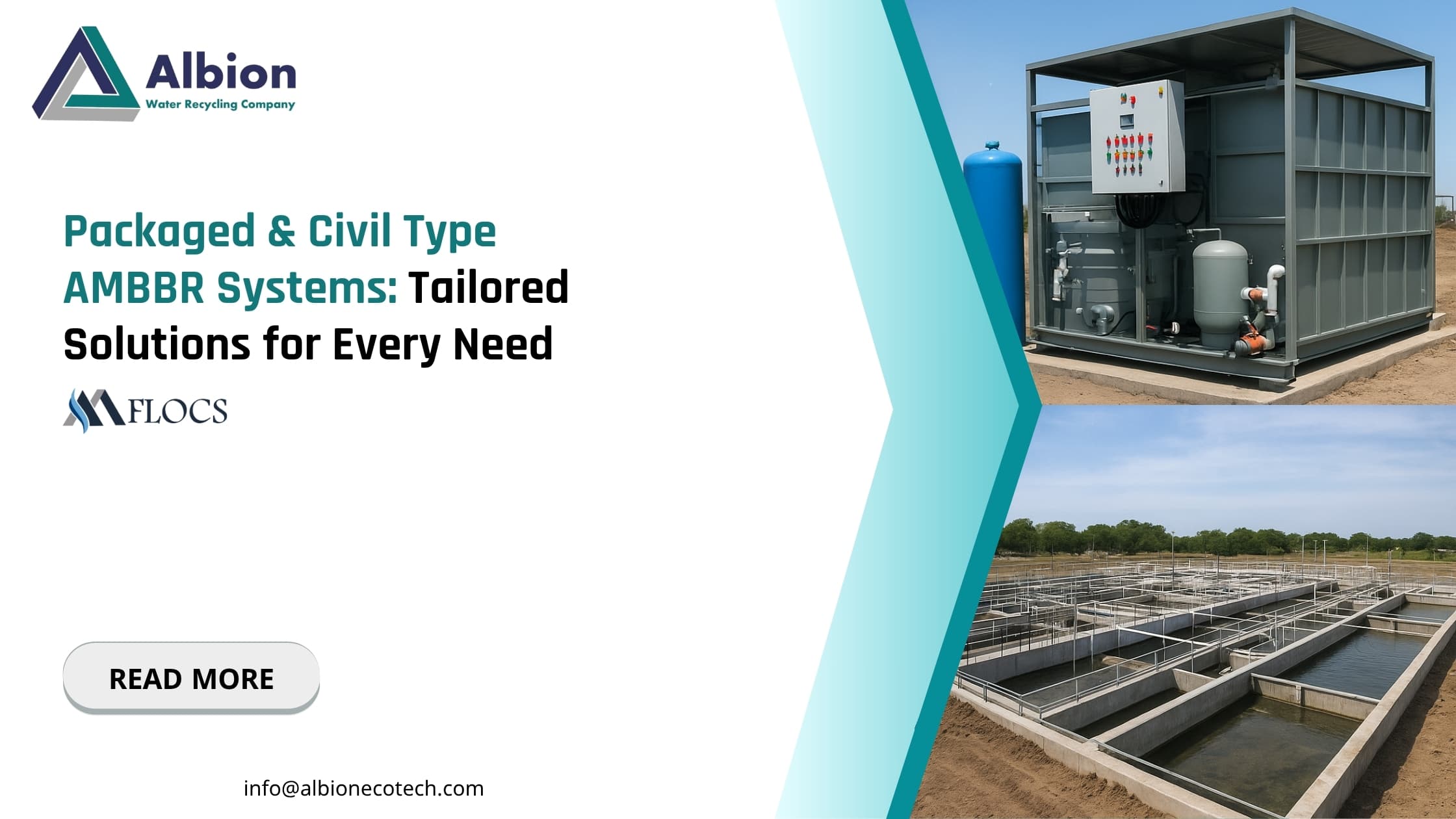
MBR Packaged Plant vs Civil-Based Plant: A Cost, Timeline & Decision Framework
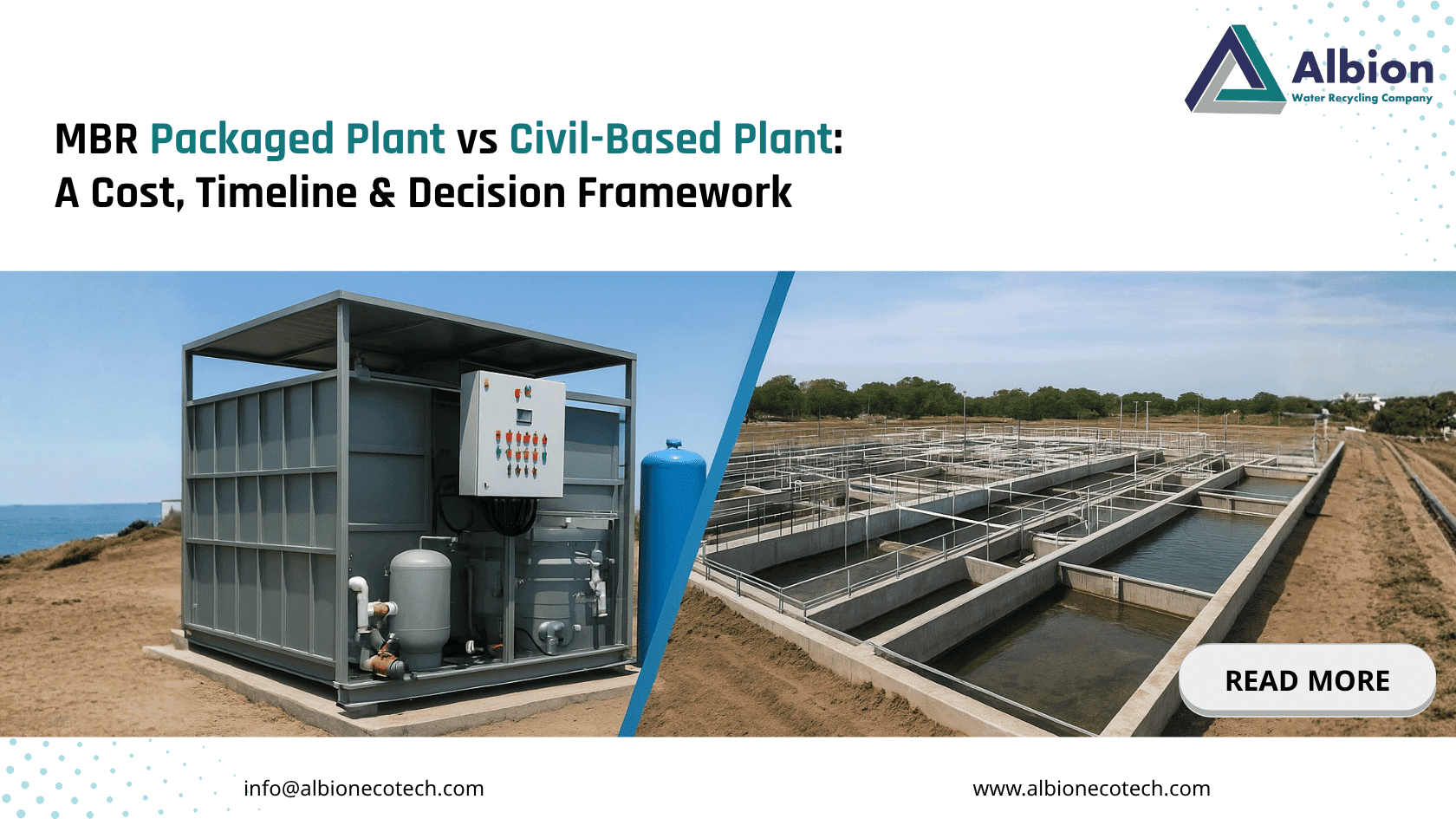
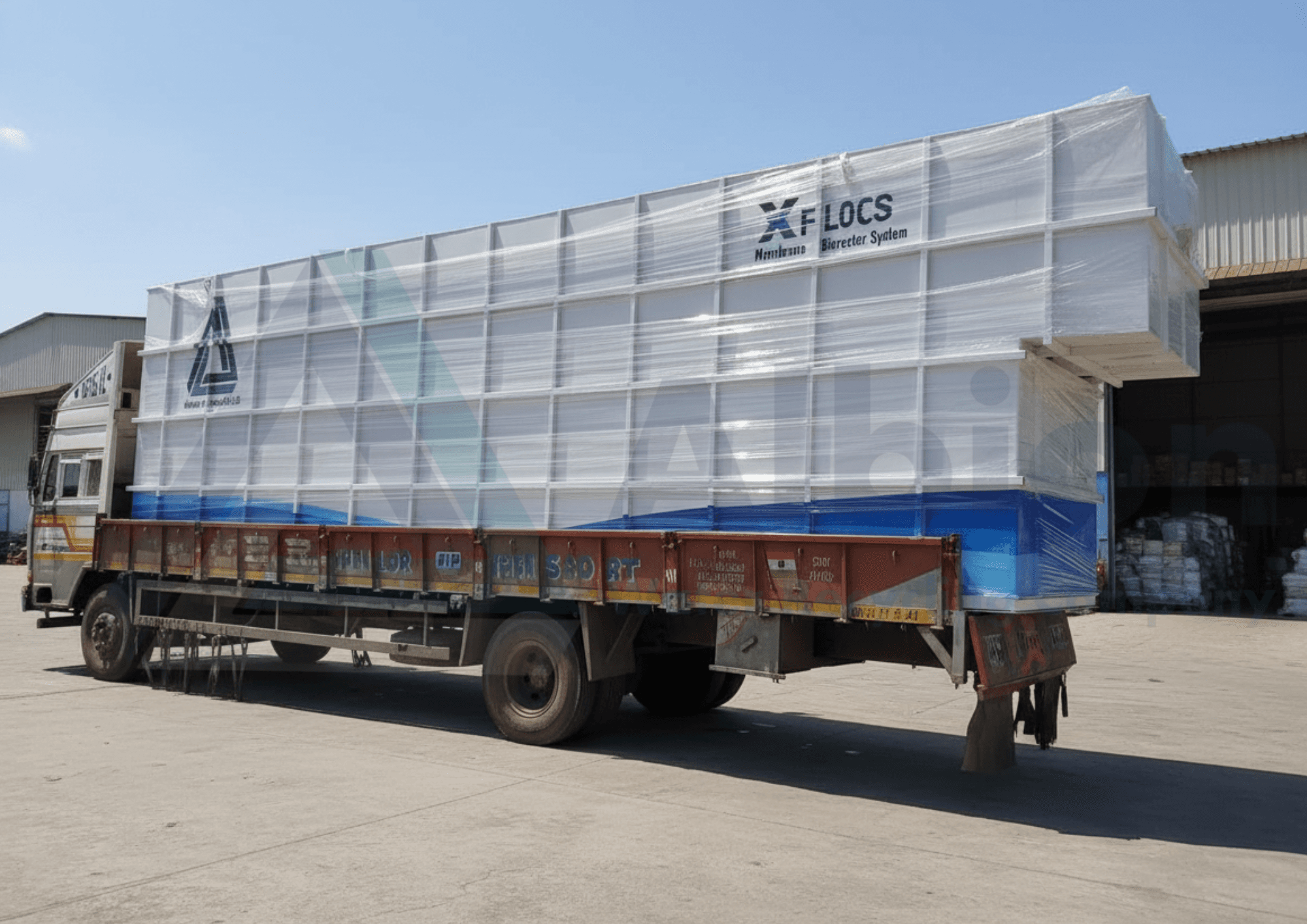
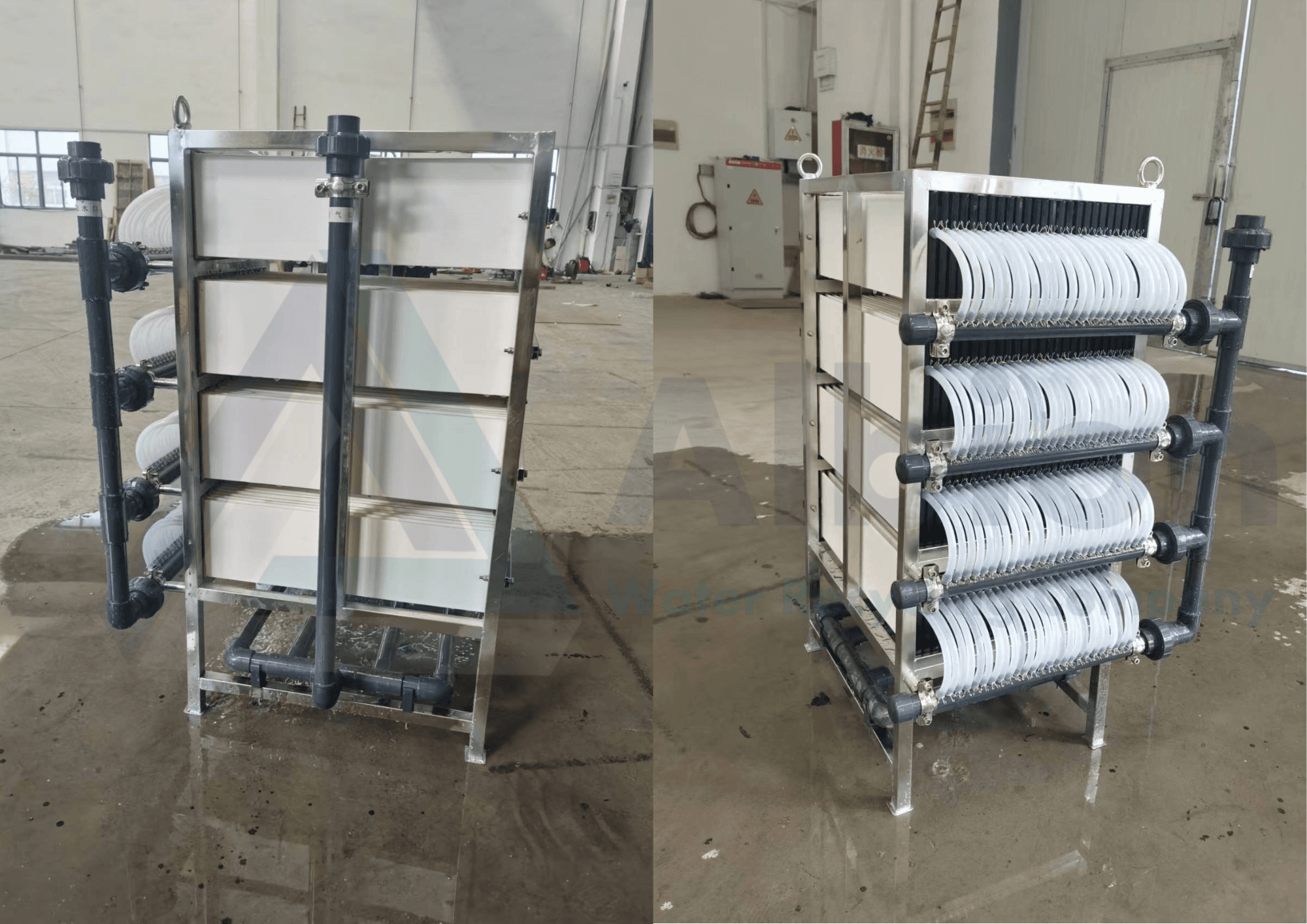
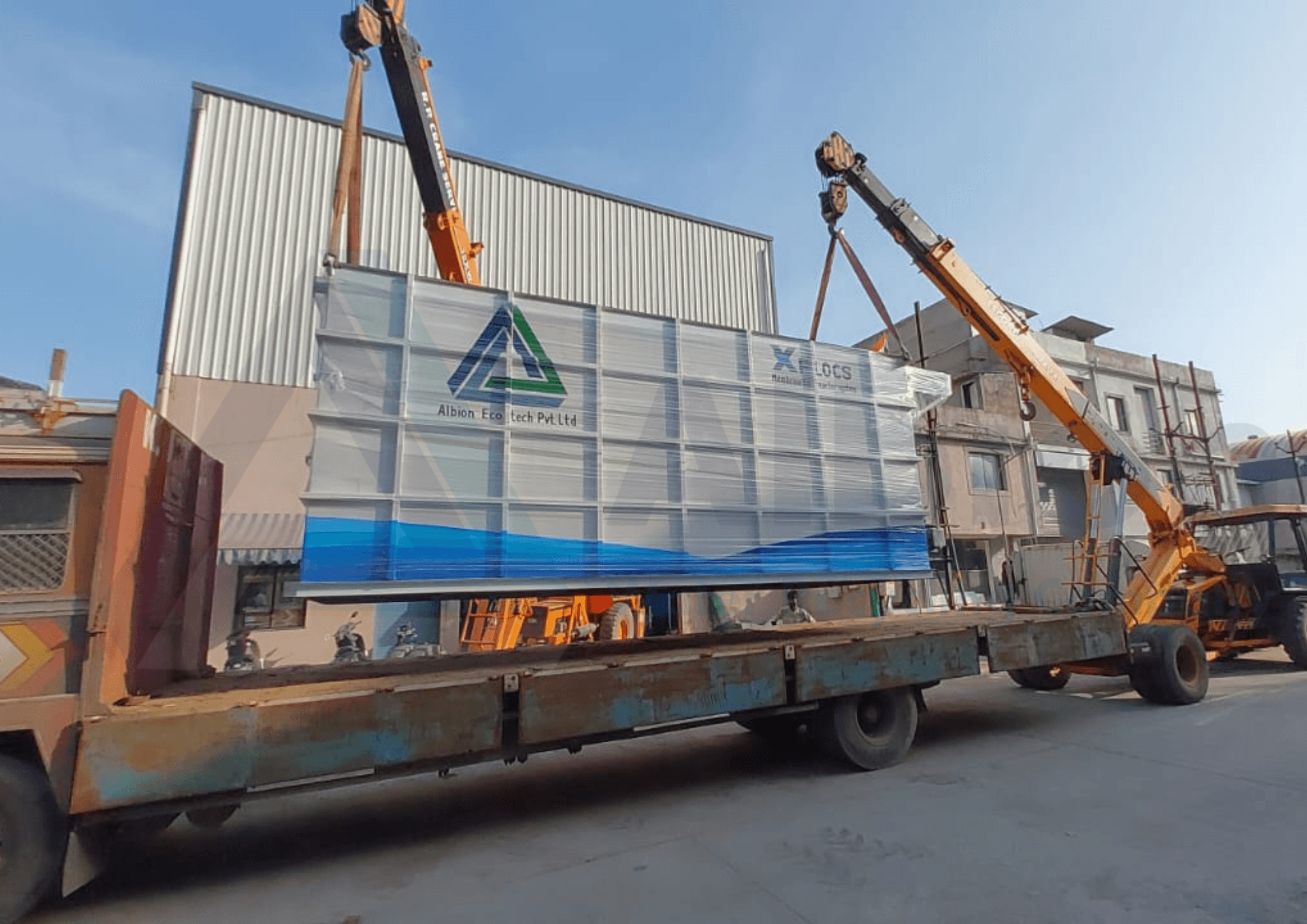
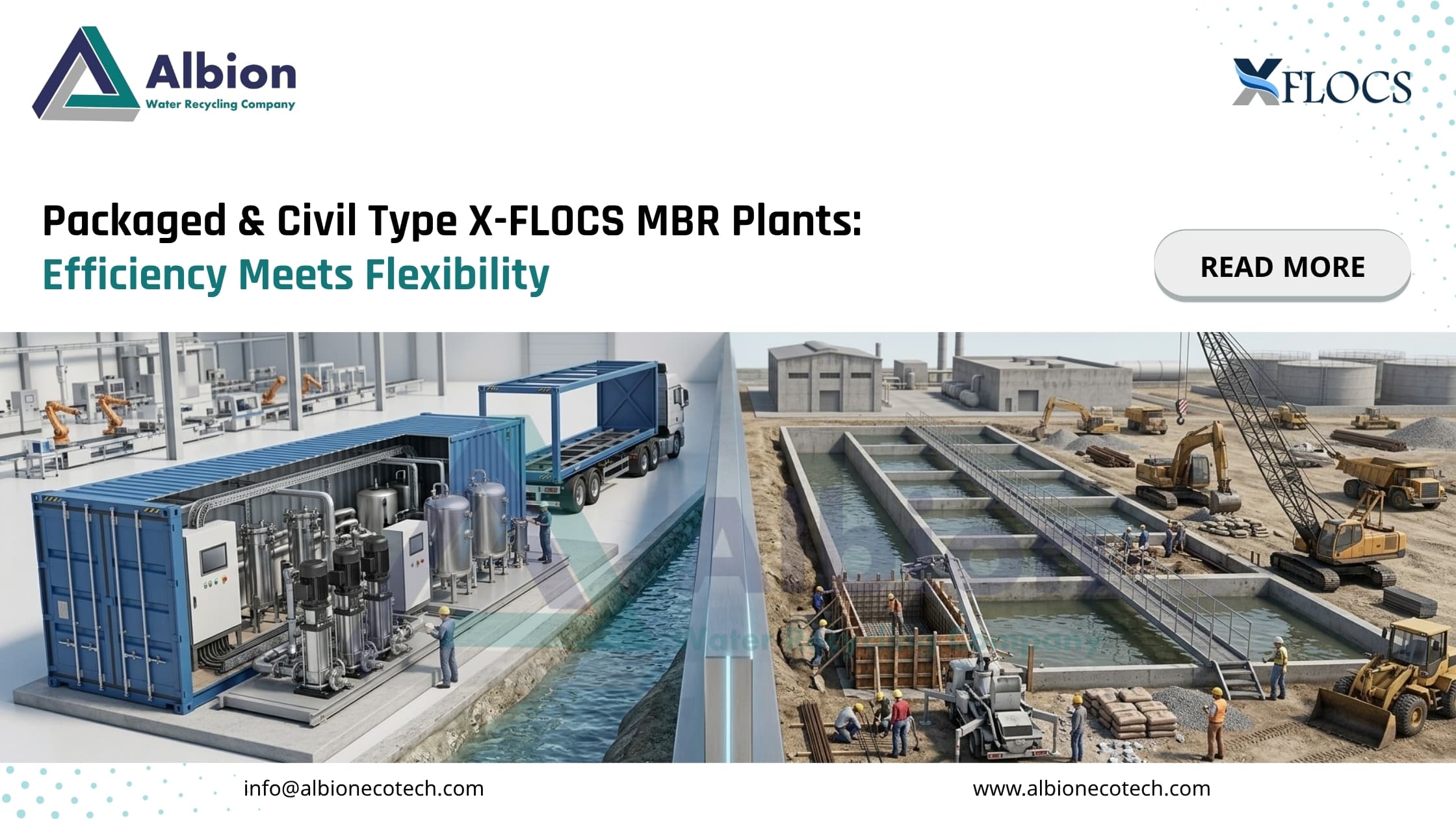
Packaged and civil-built MBR plants both deliver the same core outcome — biological treatment paired with membrane filtration — so the decision between them usually comes down to total cost of ownership, project timeline risk, and how well each format matches the site. This article works through a practical decision framework for comparing an MBR packaged plant against a civil-based MBR plant, beyond the basic construction differences.
Looking Beyond Construction Method: Total Cost of Ownership
The upfront quotation for a packaged plant versus a civil-based plant only tells part of the cost story. A meaningful comparison needs to look at total cost of ownership (TCO) across the plant's operating life, not just capital cost at commissioning.
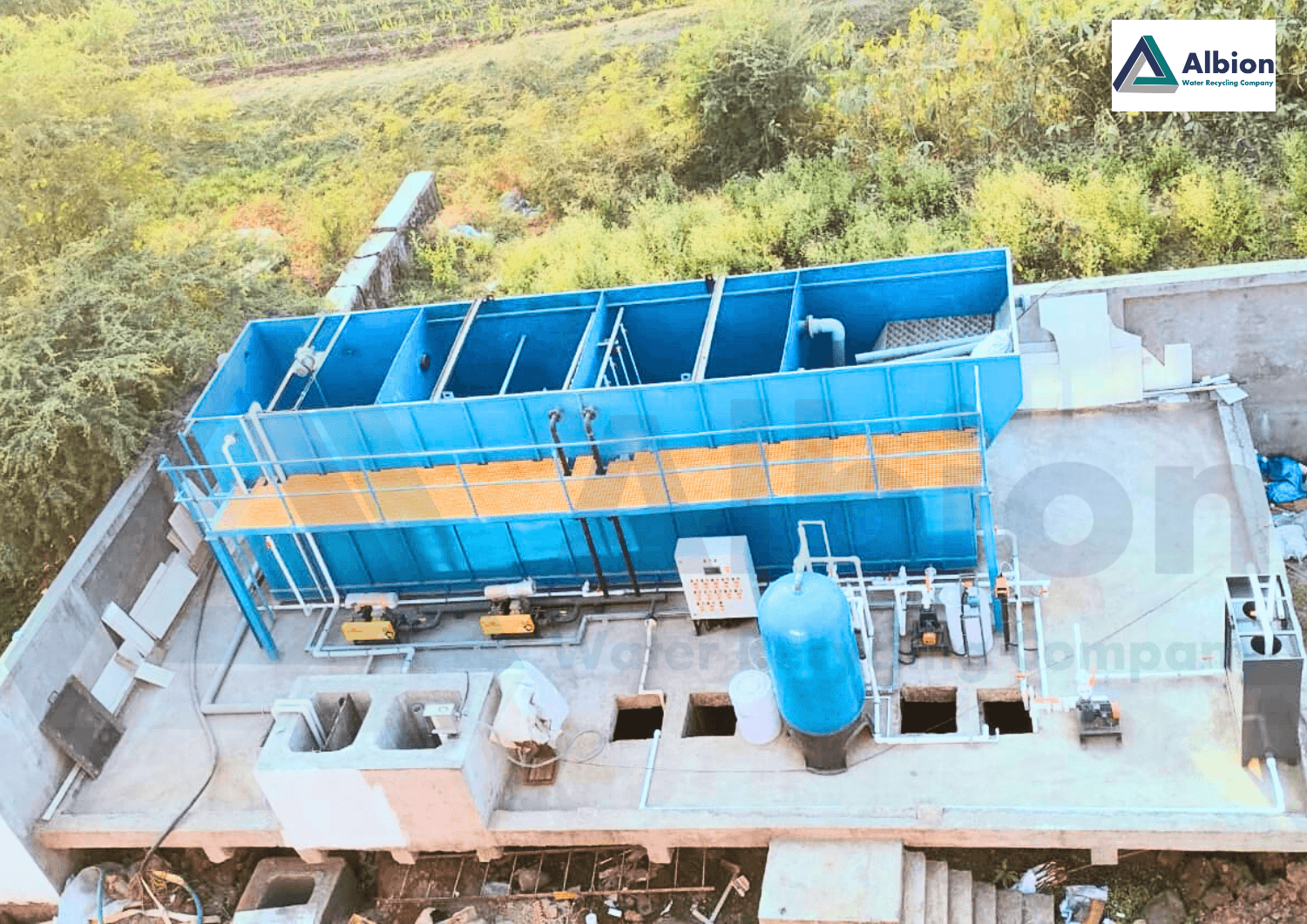
- Capital cost (CAPEX): Packaged plants typically carry a higher per-KLD equipment cost (MS/FRP fabrication) but lower civil cost; civil-based plants shift cost toward RCC construction but reduce the fabricated-tank premium, especially at scale.
- Installation and commissioning cost: Shorter installation timelines for packaged plants can reduce site overheads, supervision costs, and time-linked project expenses compared with a civil build that runs over a longer construction schedule.
- Structural life and replacement cycle: RCC civil structures are generally designed for a longer service life than MS/FRP tankage, which can affect long-term replacement or refurbishment planning, particularly for tanks exposed to corrosive effluent.
- Expansion cost: Packaged plants can often add capacity in discrete modules; civil plants may require expansion to be planned into the original layout to avoid expensive retrofitting of tank structures later.
Timeline and Project Risk
Timeline risk is often underweighted in early-stage vendor comparisons, but it can materially affect a project's overall cost and compliance timeline.
- Weather and season dependency: Civil construction is more exposed to monsoon delays and curing time requirements; packaged plant fabrication happens largely indoors, in parallel with site works.
- Labour and contractor availability: Civil work depends on local skilled labour and contractor capacity; packaged plants shift this dependency to the fabrication facility, which can reduce site-level scheduling risk.
- Regulatory and compliance deadlines: Where a project faces a fixed compliance deadline (such as an occupancy certificate condition), the faster installation of a packaged plant can reduce the risk of missing that date.
A Decision Framework: Questions to Work Through
Rather than starting with “packaged or civil,” it helps to work through the underlying project variables first:
- What is the design flow capacity, and is it expected to grow significantly within 5–10 years?
- Is the installation permanent, or could the facility need to relocate, downsize, or be decommissioned within its planning horizon?
- How constrained is the site — plot area, soil conditions, water table, and access for heavy construction equipment?
- What is the hard deadline, if any, for commissioning, and how much schedule risk can the project absorb?
- Is the budget structured as a single upfront capital allocation, or can cost be spread across phased capacity additions?
- Does the effluent characteristic (corrosivity, temperature, chemical content) favour one tank material over another for long-term durability?
Illustrative Scenarios
These are illustrative examples to show how the framework applies — not case studies of specific projects.
- A mid-sized housing society with a fixed occupancy-certificate deadline and limited plot area: a packaged MBR plant is likely to fit better, given faster installation and minimal civil dependency on a constrained site.
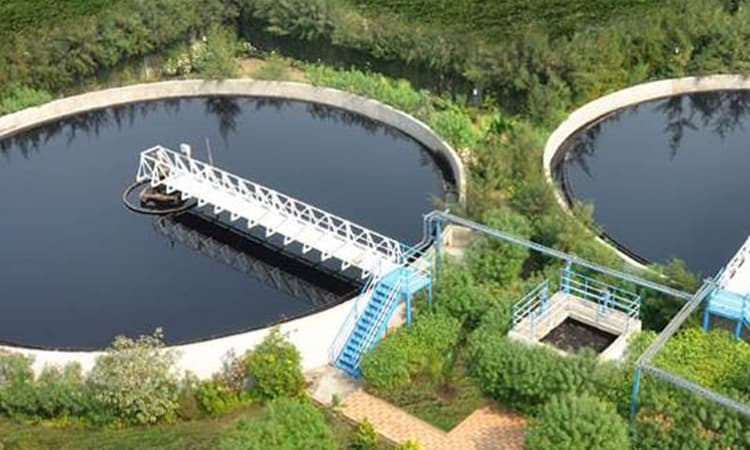
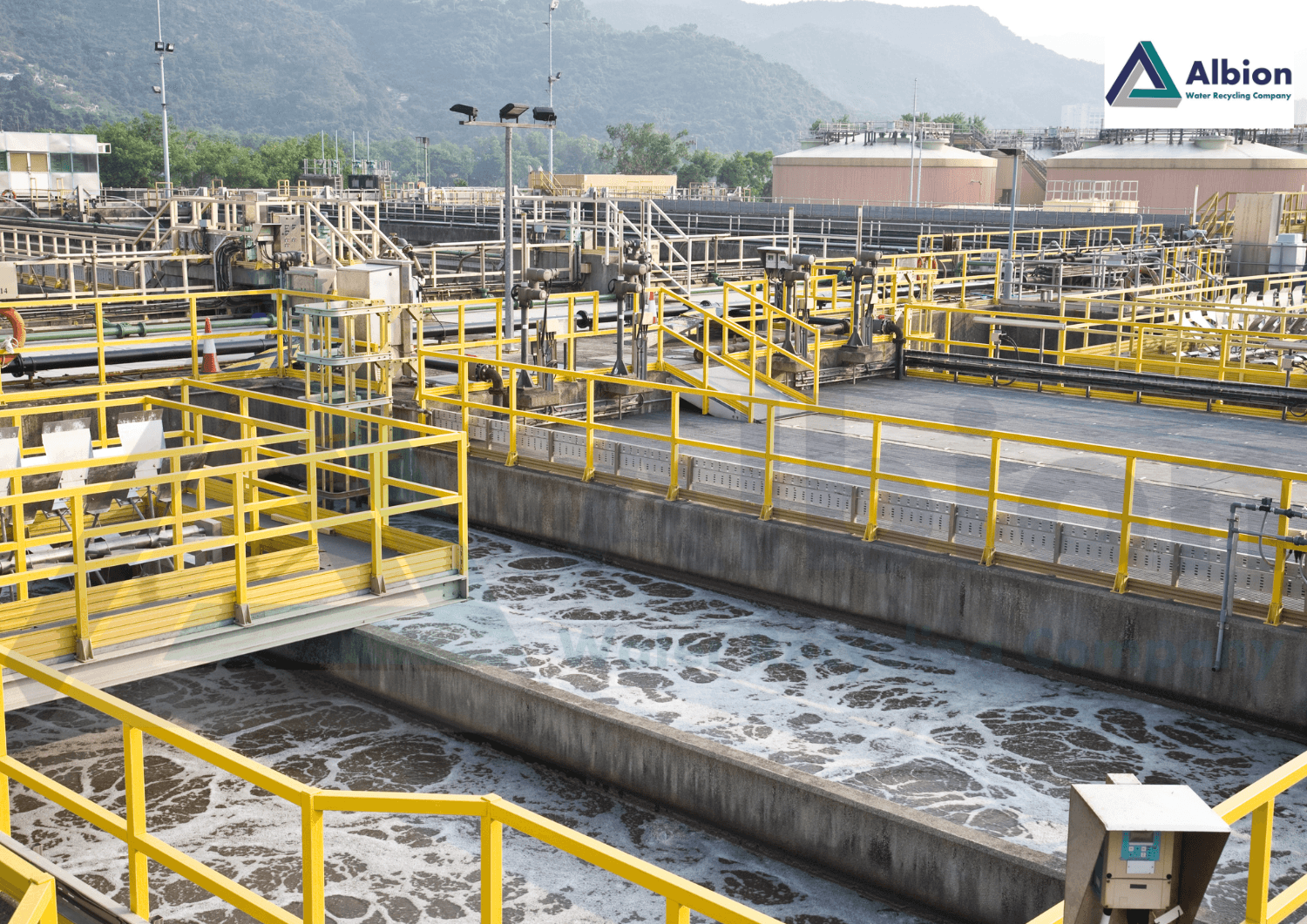
- A municipal STP designed for a 20–30 year horizon with a known, large flow capacity: civil construction is generally the more economical and durable choice at this scale, and allows the layout to be integrated with the wider site infrastructure.
- A construction camp expected to operate for 2–3 years before the workforce moves to a new site: a packaged plant designed for relocation is the more practical fit, since a civil structure would be a sunk cost once the camp closes.
- An industrial CETP with anticipated future capacity growth from new member units: a civil-based plant designed with expansion bays built into the original layout can avoid costly retrofitting compared with scaling a packaged system incrementally.
Common Misconceptions
- “Packaged plants are always cheaper.” Not necessarily — packaged plants often win on installation speed and site simplicity, but civil construction can be more cost-effective per KLD at larger capacities.
- “Civil plants always treat better.” Treatment performance depends on the process design (in this case, MBR) and operation, not the tank construction material. A well-designed packaged plant and a well-designed civil plant can achieve comparable effluent quality.
- “The choice is permanent once made.” With proper planning, some projects use a packaged plant for an initial phase and integrate or supplement it with civil construction as capacity requirements grow.
Albion Ecotech's Approach to This Decision
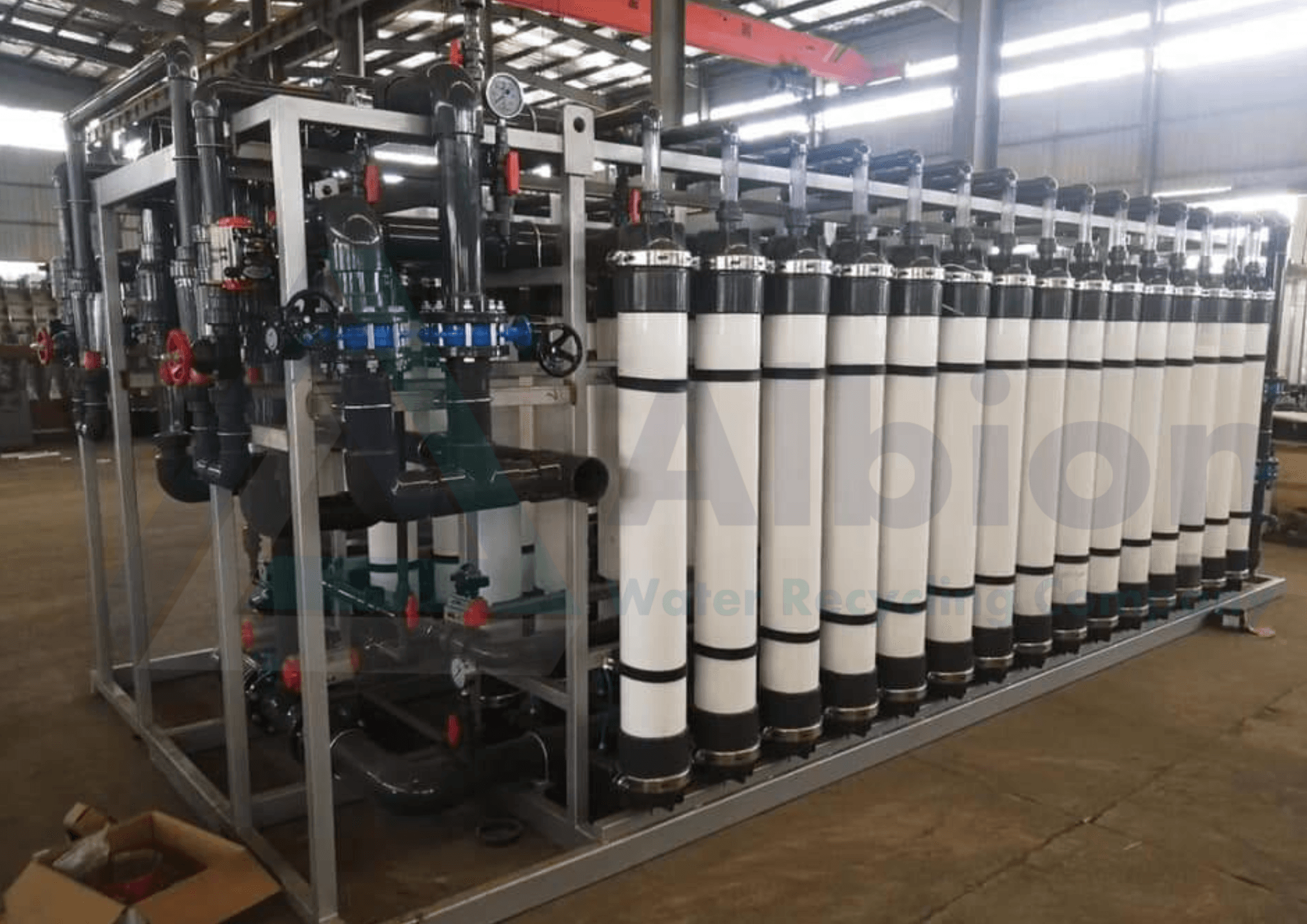
As a wastewater treatment engineering company offering MBR in both packaged and civil-based formats, Albion Ecotech works through this decision framework with clients before recommending a construction approach, rather than proposing a default format. This includes reviewing design flow and growth projections, site constraints, project timeline pressures, and budget structure alongside the process design itself. Where reuse or recovery is a project goal, Albion factors tertiary treatment such as UF or RO into the cost and layout comparison for both formats, and plans sludge management and energy-efficient equipment selection into the total cost picture regardless of which construction method is ultimately chosen.
Conclusion
The packaged-versus-civil decision for an MBR plant is best made by working backward from project variables — flow growth, timeline risk, site constraints, and budget structure — rather than a general preference for one format. Both approaches can deliver the same MBR treatment performance; what differs is how quickly, flexibly, and cost-effectively that performance is delivered for a specific project.
Frequently Asked Questions
What is the single biggest factor in choosing packaged vs civil MBR?
There isn't one universal factor — design flow capacity, project timeline pressure, and site constraints typically carry the most weight, and their relative importance varies by project.
Is a packaged MBR plant less durable than a civil one?
Packaged plants built in quality MS or FRP construction can have a long service life, but RCC civil structures are generally designed for a longer structural lifespan, which is a relevant factor for permanent, multi-decade installations.
Can total cost of ownership favour a packaged plant even if it costs more upfront?
Yes, in projects where faster commissioning avoids penalty costs, reduces site overheads, or meets a hard regulatory deadline, the value of speed can offset a higher equipment cost — this is why a TCO-based comparison is more useful than comparing quotations alone.
Should small projects also consider civil construction?
It's worth evaluating if the site is permanent, has no major timeline constraint, and civil contracting capacity is readily available — but for most small, timeline-sensitive projects, a packaged plant tends to be the more practical route.