Why Choose Albion Ecotech for Your MBR System?
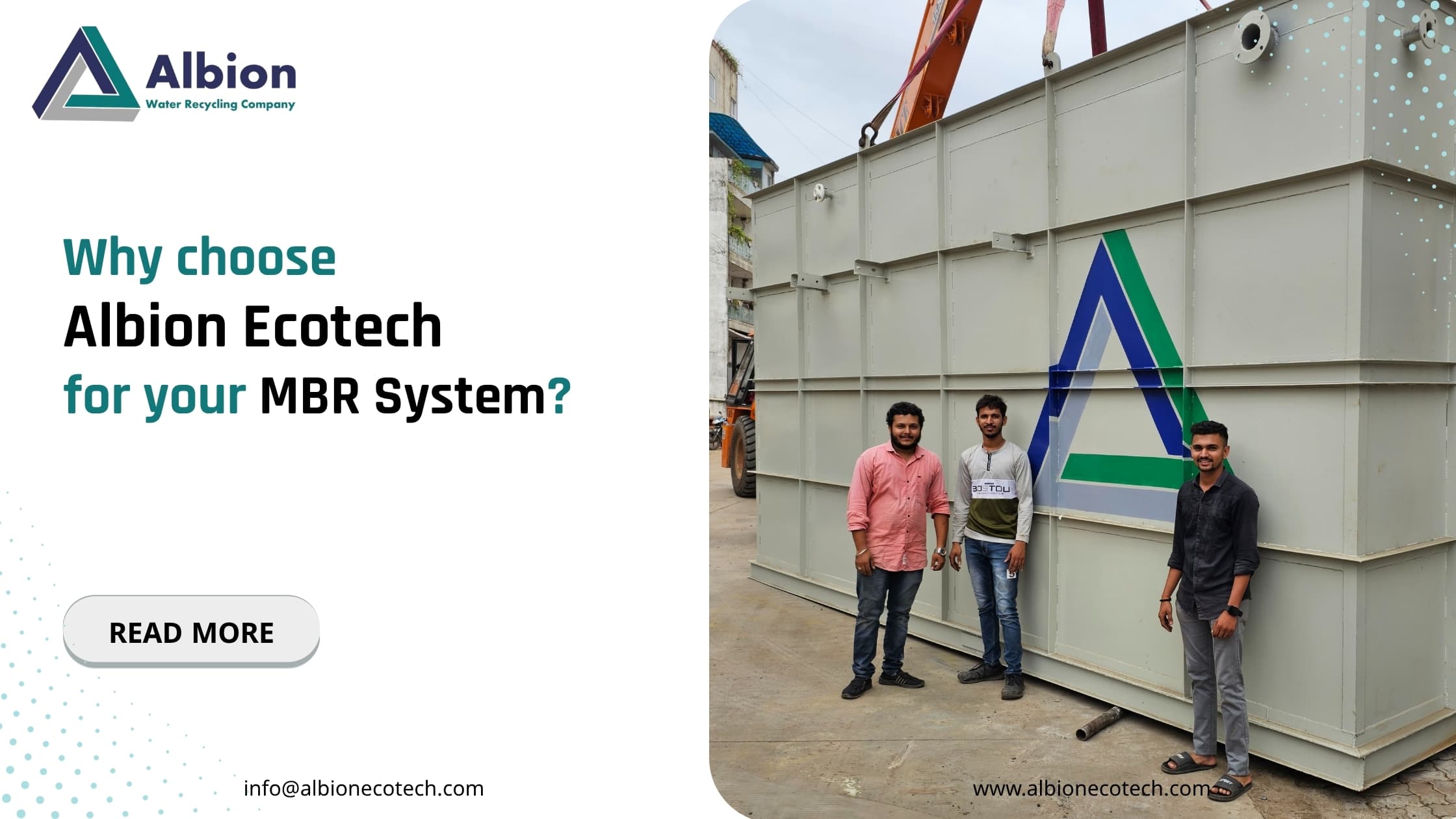
MBR is one of the more demanding wastewater treatment technologies to get right — membrane performance depends on biomass conditioning, pre-treatment, aeration design, and ongoing operation working together. Choosing a provider isn't just about who can supply a membrane bioreactor; it's about who can engineer, install, and support one reliably over its operating life. This article looks at what to evaluate in an MBR partner, and how Albion Ecotech approaches MBR projects.
What to Look for in an MBR Partner
Because MBR performance is sensitive to design and operating decisions, the right partner needs to demonstrate more than equipment supply capability. Relevant factors include process engineering depth, flexibility across construction formats, ability to integrate complementary technologies, automation capability, and dependable after-sales support.
Why Albion Ecotech for MBR Systems
Project-Specific Process Engineering
Albion designs each MBR system around the project's influent characteristics, flow variability, footprint constraints, and treated water objectives, rather than applying a fixed template. This includes sizing the biological stage, membrane area, and aeration system to match the specific application, whether it is a municipal STP, an industrial ETP, or a CETP handling mixed effluent streams.
X-Flocs MBR: A Fouling-Aware Process Approach
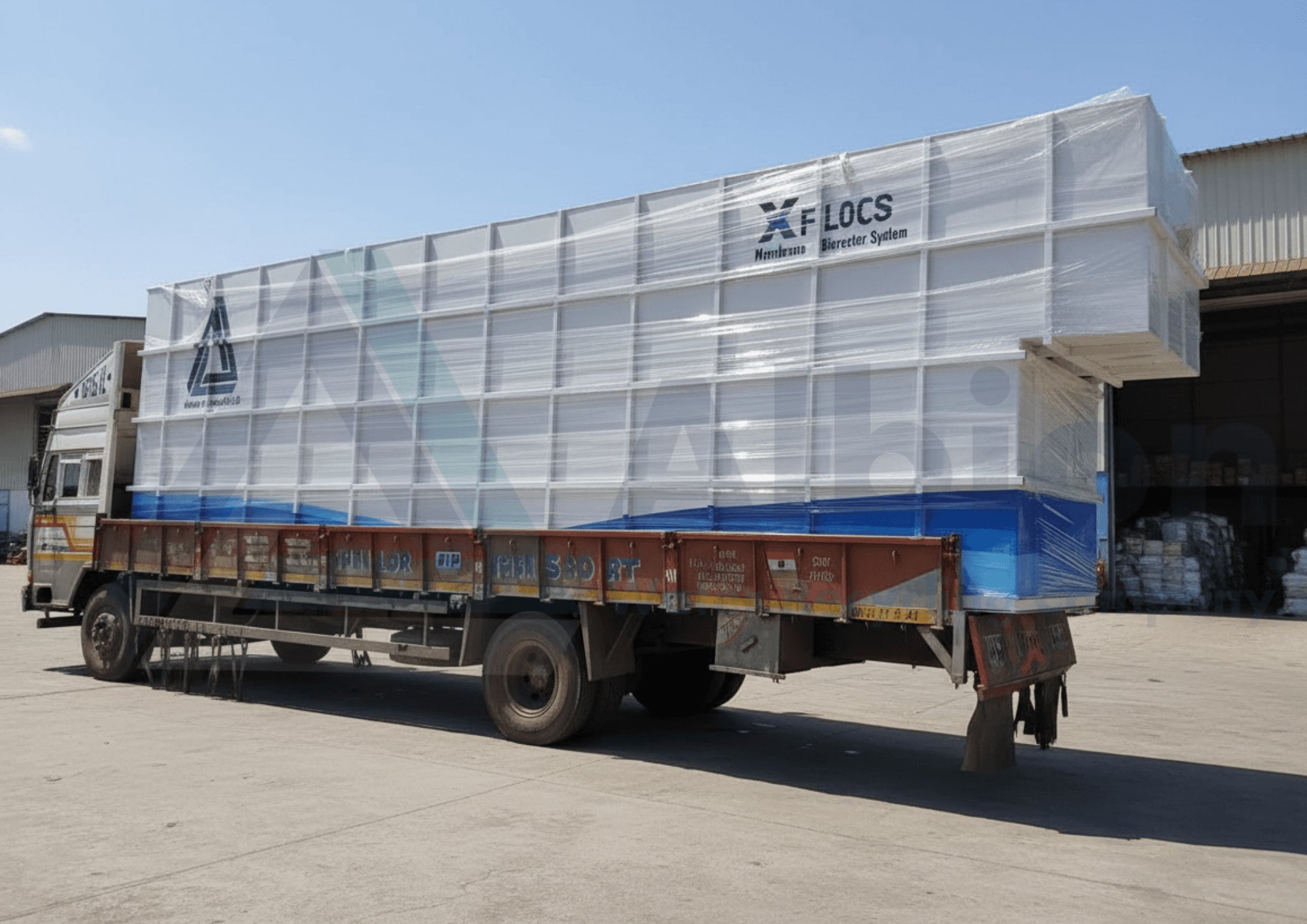
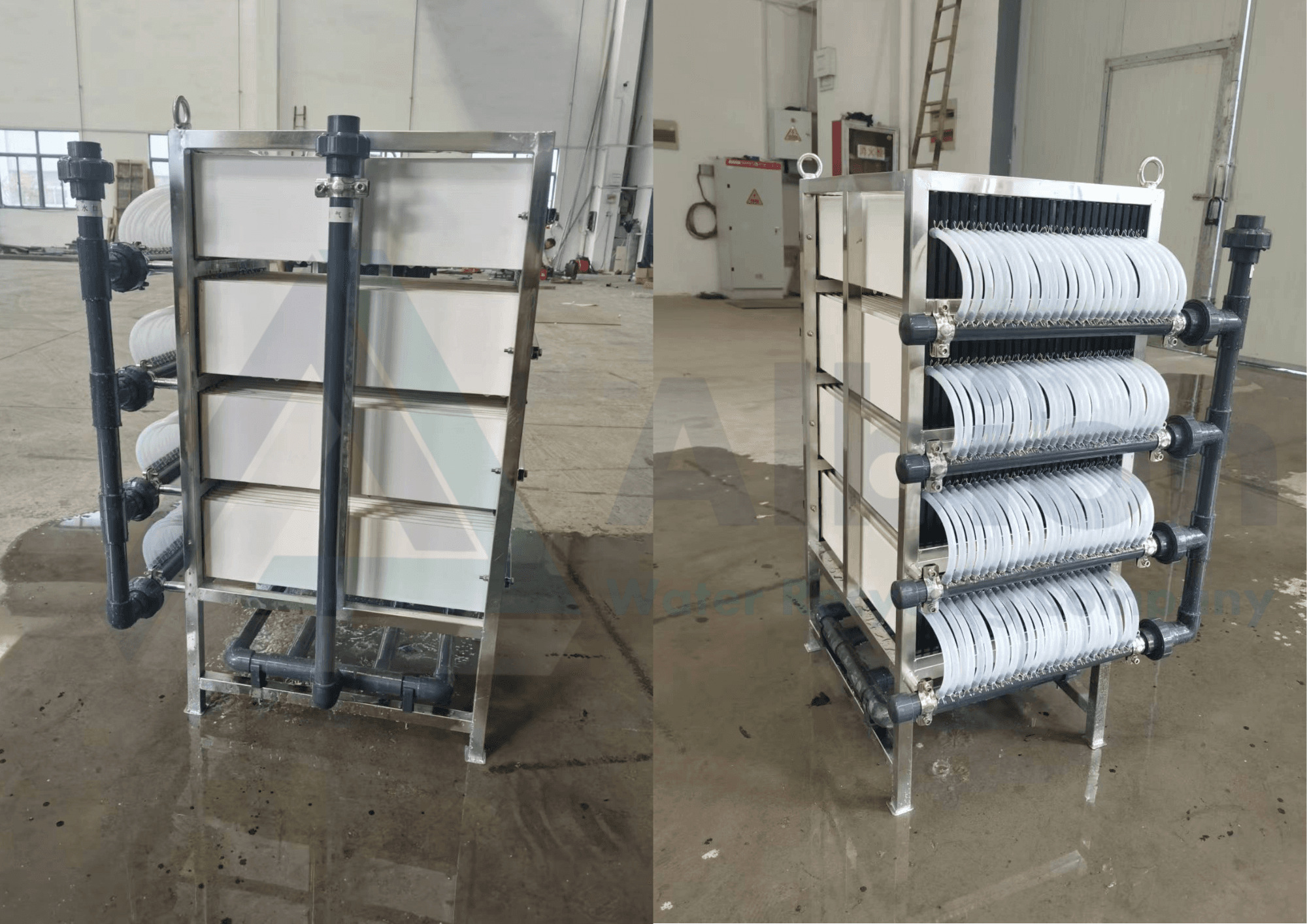
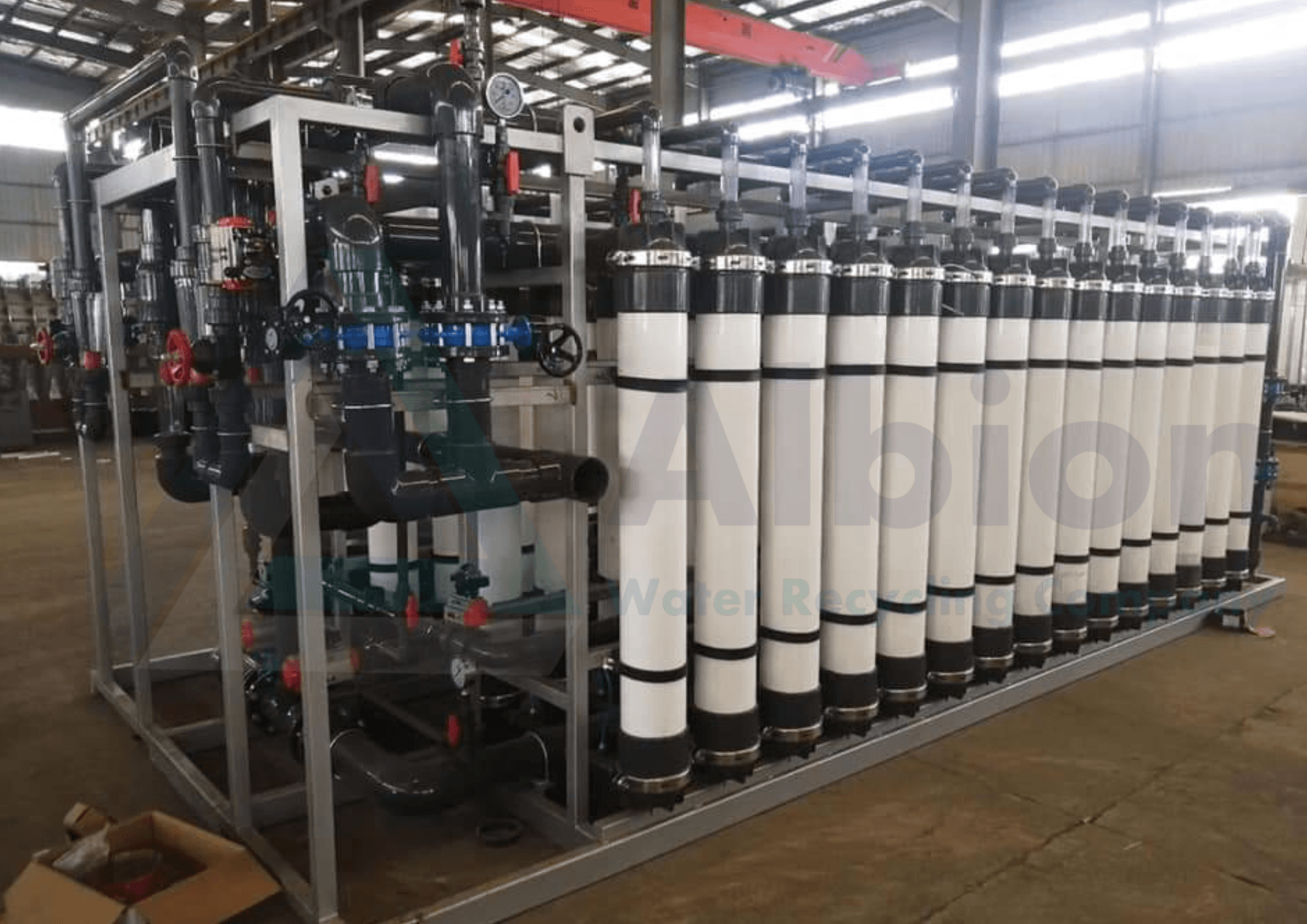
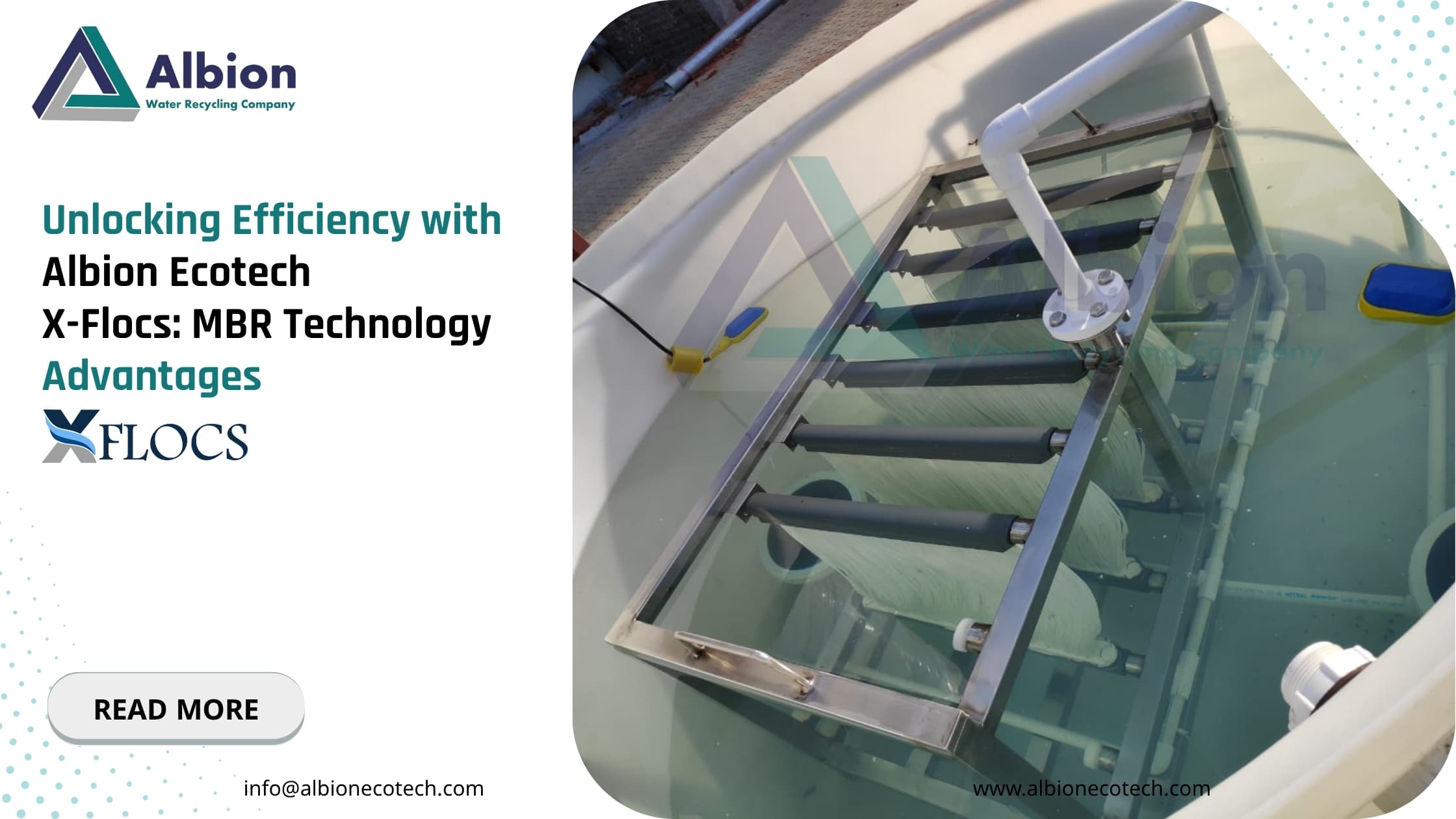
Albion's X-Flocs MBR system pays particular attention to biomass floc structure ahead of the membrane stage, which is a key factor in managing membrane fouling rates and cleaning intervals. This process-level attention is engineered into the design rather than left to be corrected during operation. Where a project calls for it, Albion also offers Cera Flocs ceramic MBR and U-Flocs ultrafiltration systems as alternative membrane configurations suited to different effluent characteristics.
Flexibility Across Packaged and Civil Construction
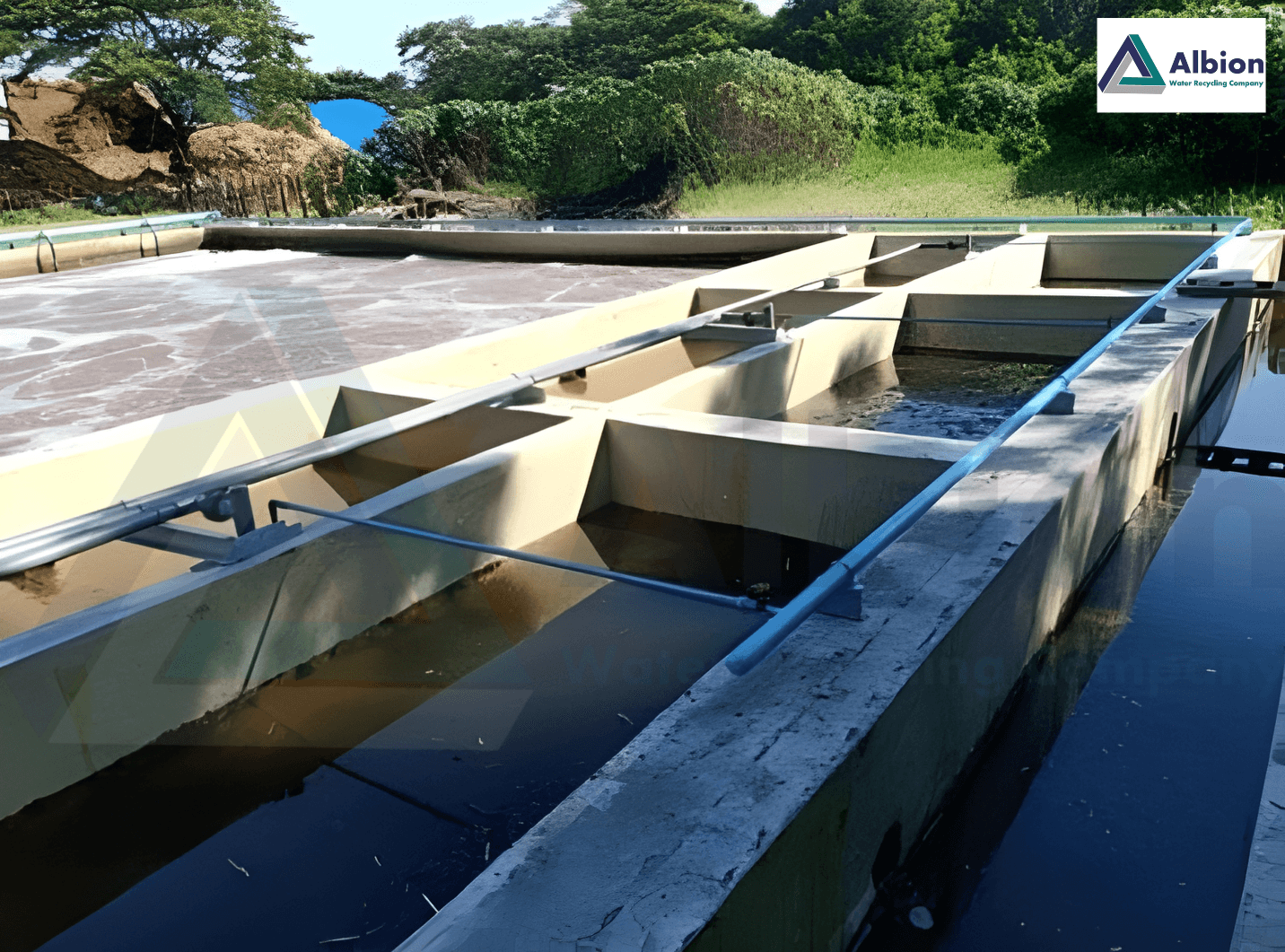
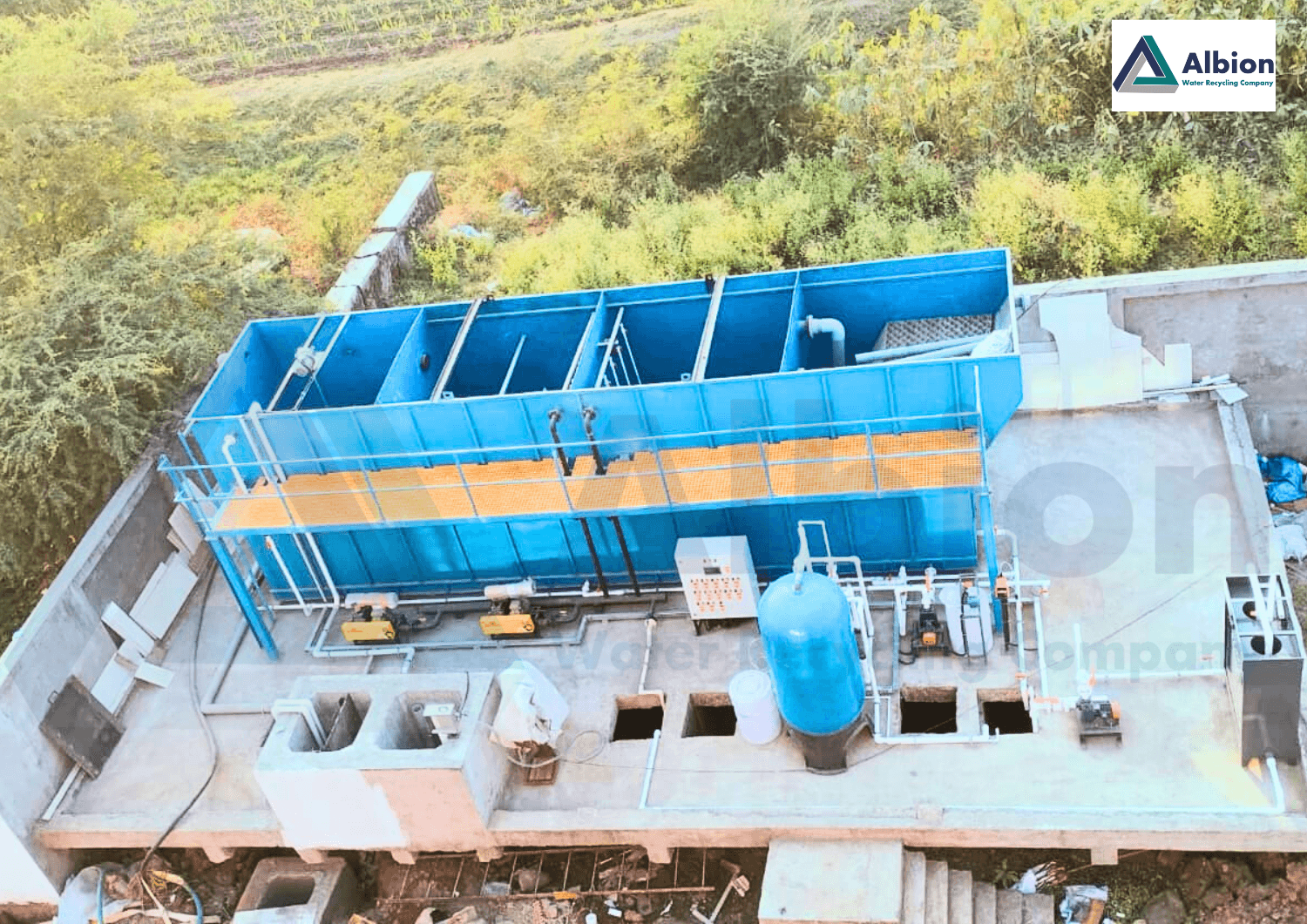
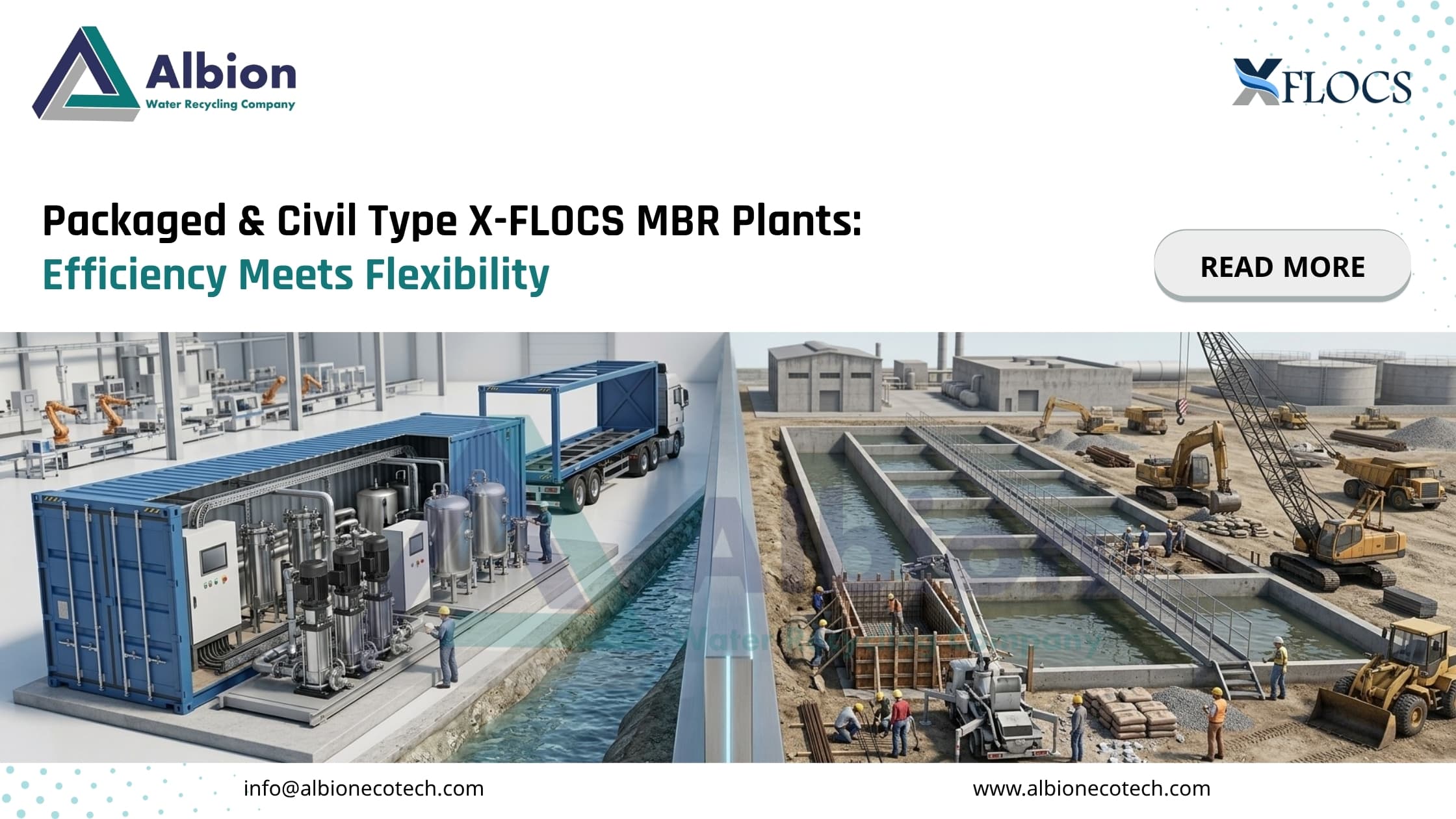
Albion offers MBR systems in both prefabricated packaged formats and civil (RCC) construction, and recommends the format based on site conditions, project timeline, and long-term capacity plans, rather than defaulting to one approach. This allows clients ranging from residential societies to municipal bodies to get a construction format that fits their specific project constraints.
Integrated Treatment Trains, Not Just a Single Unit
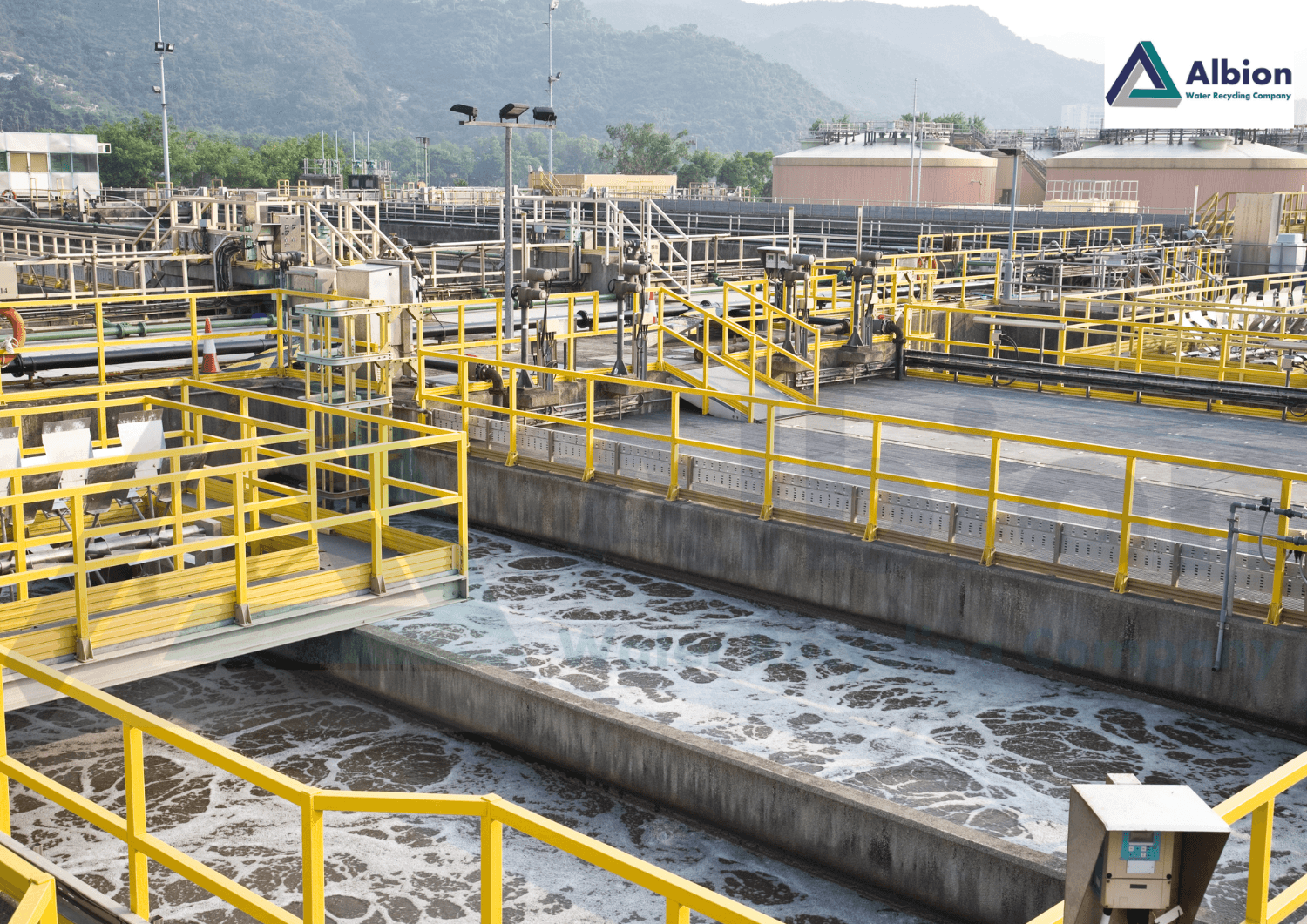
MBR rarely operates in isolation. Depending on project requirements, Albion integrates MBR with upstream MBBR or AMBBR for higher organic loading, downstream UF and RO for polishing and reuse, and, in select cases, evaluates pathways toward zero liquid discharge (ZLD) where a project's water balance and recovery goals call for it. This treatment-train approach means the MBR stage is engineered to work within the larger system, not as a standalone unit.
Automation-Led Operation
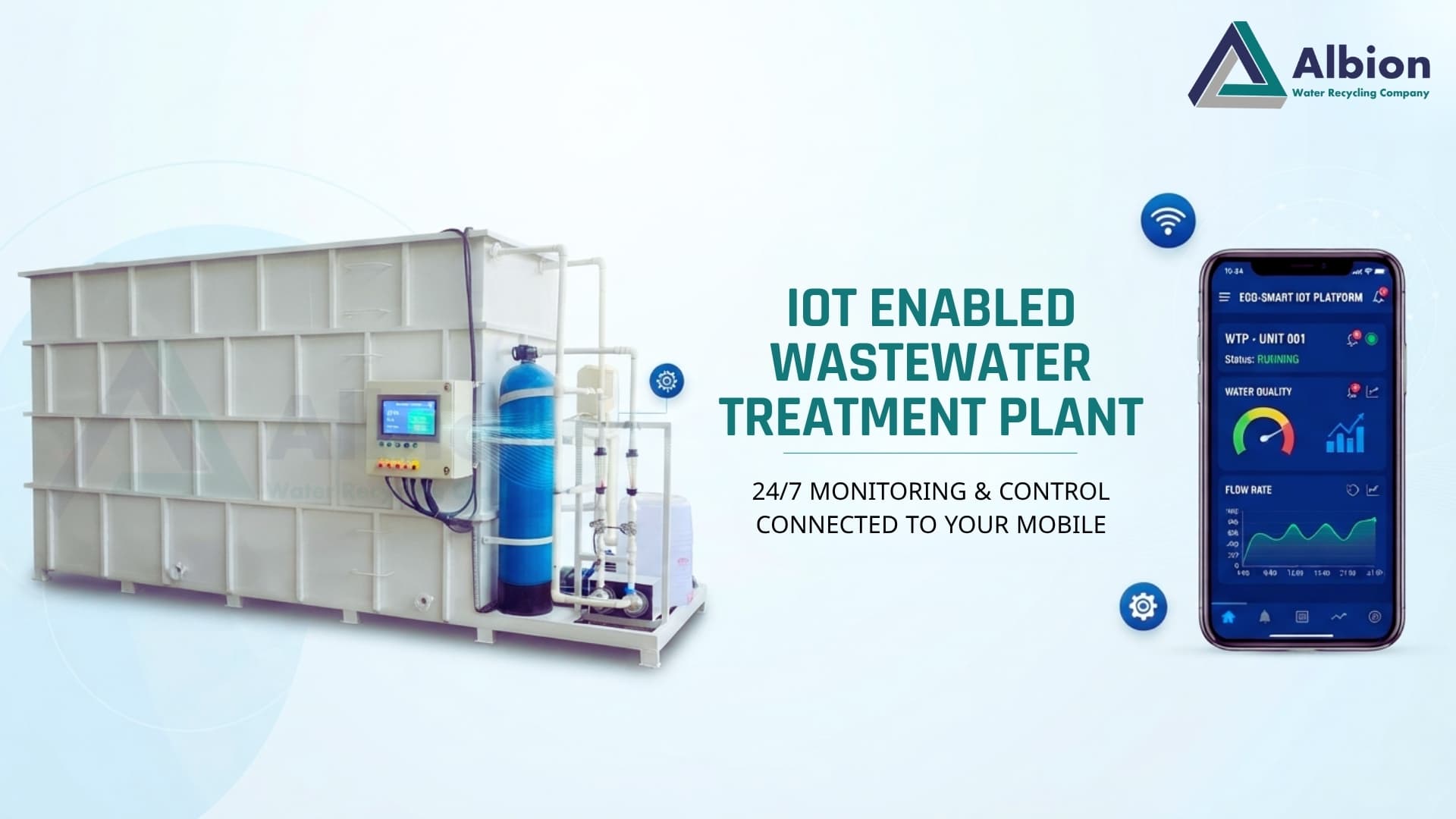
PLC-based control of aeration, membrane permeate flux, and backwash or relaxation cycles is built into Albion's MBR systems, supporting consistent treatment performance with reduced dependence on constant manual intervention. Where required, this can be extended with IoT-enabled remote monitoring, particularly useful for sites without round-the-clock skilled operators.
Sludge Management Built Into the Design
Because MBR systems operate at higher MLSS concentrations than conventional processes, sludge production and handling need dedicated planning. Albion factors sludge thickening and dewatering into the overall design rather than treating it as an afterthought once the plant is commissioned.
Attention to Energy Efficiency and OPEX
Aeration for membrane scouring and biological treatment is typically the largest recurring energy cost in an MBR plant. Albion evaluates blower and pump selection with this in mind, aiming to balance treatment performance against long-term operating cost rather than optimizing for capital cost alone.
Support Beyond Commissioning
Membrane systems require ongoing attention to parameters such as transmembrane pressure (TMP) and permeability trends. Albion supports clients through commissioning, operator training on membrane-specific monitoring, and annual maintenance arrangements to help sustain performance and compliance over the plant's operating life.
Questions to Ask Any MBR Vendor — Including Albion
- What is the basis for the proposed membrane area and biological tank sizing for this specific influent and flow?
- How is membrane fouling managed through process design, not just through cleaning chemicals?
- Can the design accommodate packaged or civil construction depending on how the project evolves?
- What is the sludge management plan, and what is its estimated recurring cost?
- What does post-commissioning support include, and what are AMC response-time commitments?
Conclusion
An MBR system is only as good as the engineering and support behind it. Albion Ecotech's approach combines project-specific process design through X-Flocs MBR, flexibility across packaged and civil construction, integration with complementary technologies like MBBR, UF, RO, and ZLD where relevant, and ongoing support to help sustain performance after commissioning. Project teams evaluating an MBR partner are encouraged to ask the same engineering questions of any vendor to compare proposals on substance rather than price alone.
Frequently Asked Questions
What industries does Albion Ecotech serve with MBR systems?
Albion designs MBR systems for municipal and government STPs, residential and commercial complexes, pharmaceutical and food and beverage ETPs, textile and dyeing effluent treatment, and CETP projects, among others, depending on site-specific requirements.
Does Albion offer both packaged and civil construction MBR plants?
Yes. Albion's MBR systems, including X-Flocs, can be delivered as a prefabricated packaged plant or as a civil (RCC) construction plant, with the format recommended based on site conditions, timeline, and capacity plans.
Can Albion integrate MBR with water reuse or ZLD requirements?
Yes. Where a project targets treated water reuse, Albion integrates downstream polishing such as UF or RO, and evaluates pathways toward zero liquid discharge where the project's water balance and goals support it.
What kind of after-sales support does Albion provide for MBR systems?
Albion supports clients through commissioning, operator training on membrane-specific monitoring, and annual maintenance contracts (AMC) to help sustain treatment performance and compliance over the plant's operating life.
How does Albion manage membrane fouling in its MBR designs?
Albion's X-Flocs MBR approach focuses on conditioning biomass floc structure ahead of the membrane stage, which is a key factor in managing fouling rates, alongside appropriate pre-treatment and aeration design.