Unlocking Efficiency with Albion Ecotech's X-Flocs MBR Technology: Key Advantages Explained
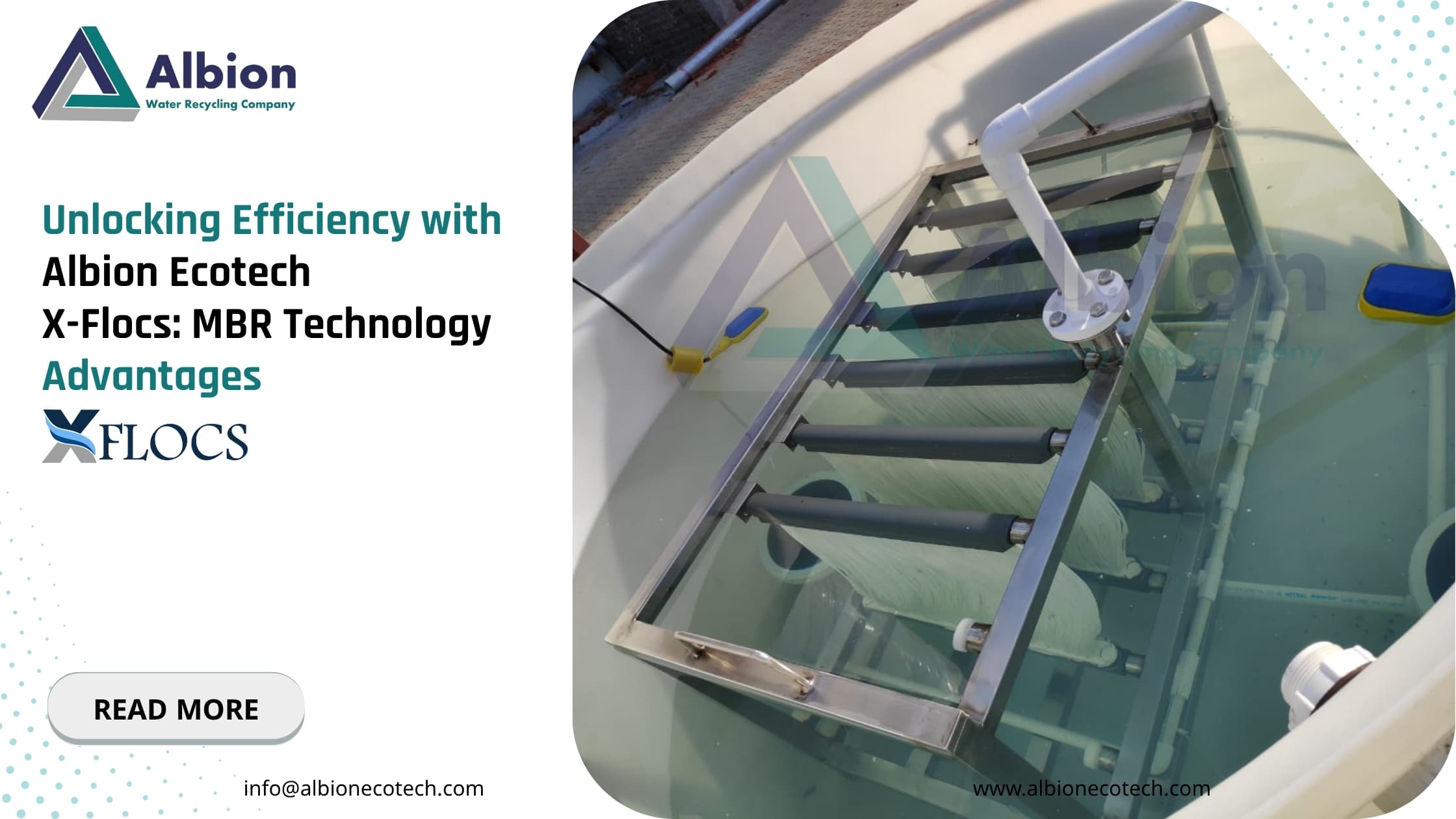
As discharge norms tighten and treated water reuse becomes a design requirement rather than an afterthought, more STPs and ETPs in India are moving toward membrane-based treatment. Membrane Bioreactor (MBR) technology is central to this shift, combining biological treatment with membrane filtration to deliver a consistently high-quality, low-turbidity effluent from a compact footprint. This article looks at how MBR technology works, the engineering advantages behind Albion Ecotech's X-Flocs MBR systems, and where this approach fits within a wastewater treatment strategy.
What Is MBR Technology?
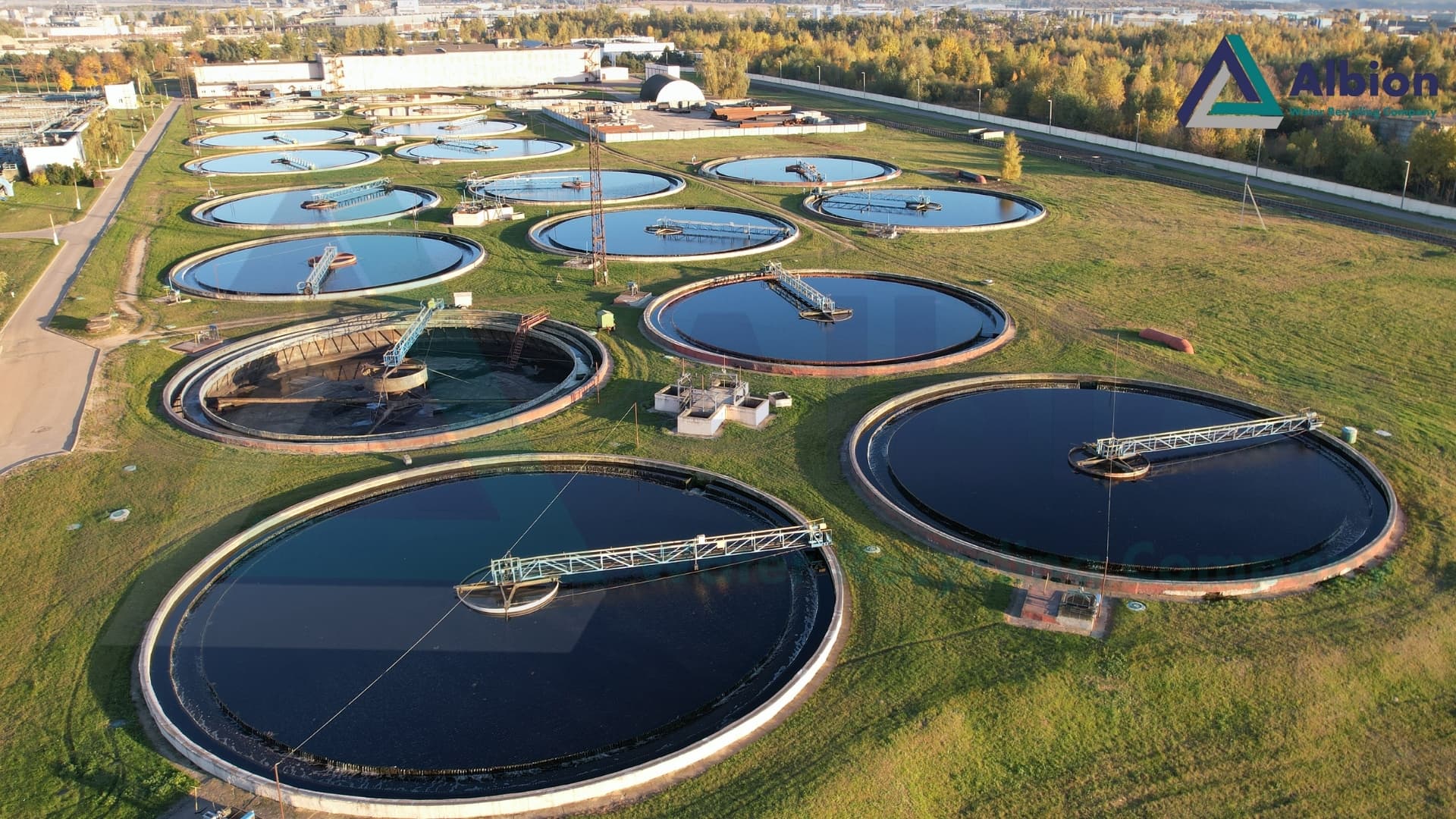
A Membrane Bioreactor combines the biological treatment principle of an activated sludge process with a physical membrane barrier — typically ultrafiltration (UF) hollow-fibre or flat-sheet membranes — in place of a conventional gravity clarifier. Instead of relying on sludge settling to separate treated water from biomass, the membrane physically retains suspended solids, bacteria, and most pathogens, allowing only clarified permeate to pass through. This removes the dependency on sludge settleability that limits conventional activated sludge and SBR systems, and it allows the biological reactor to operate at a higher biomass concentration (MLSS) within a smaller tank volume.
Introducing X-Flocs MBR by Albion Ecotech
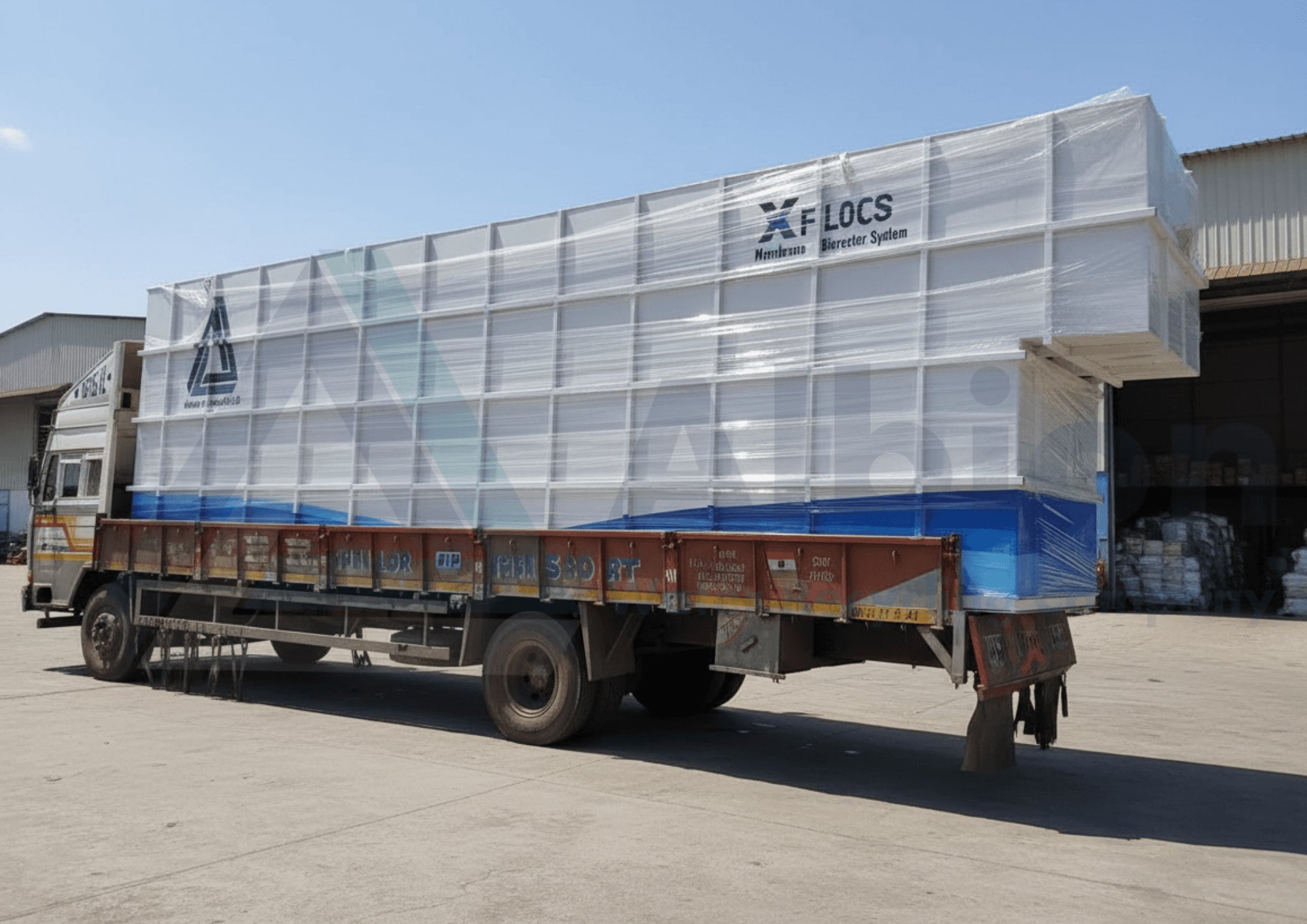
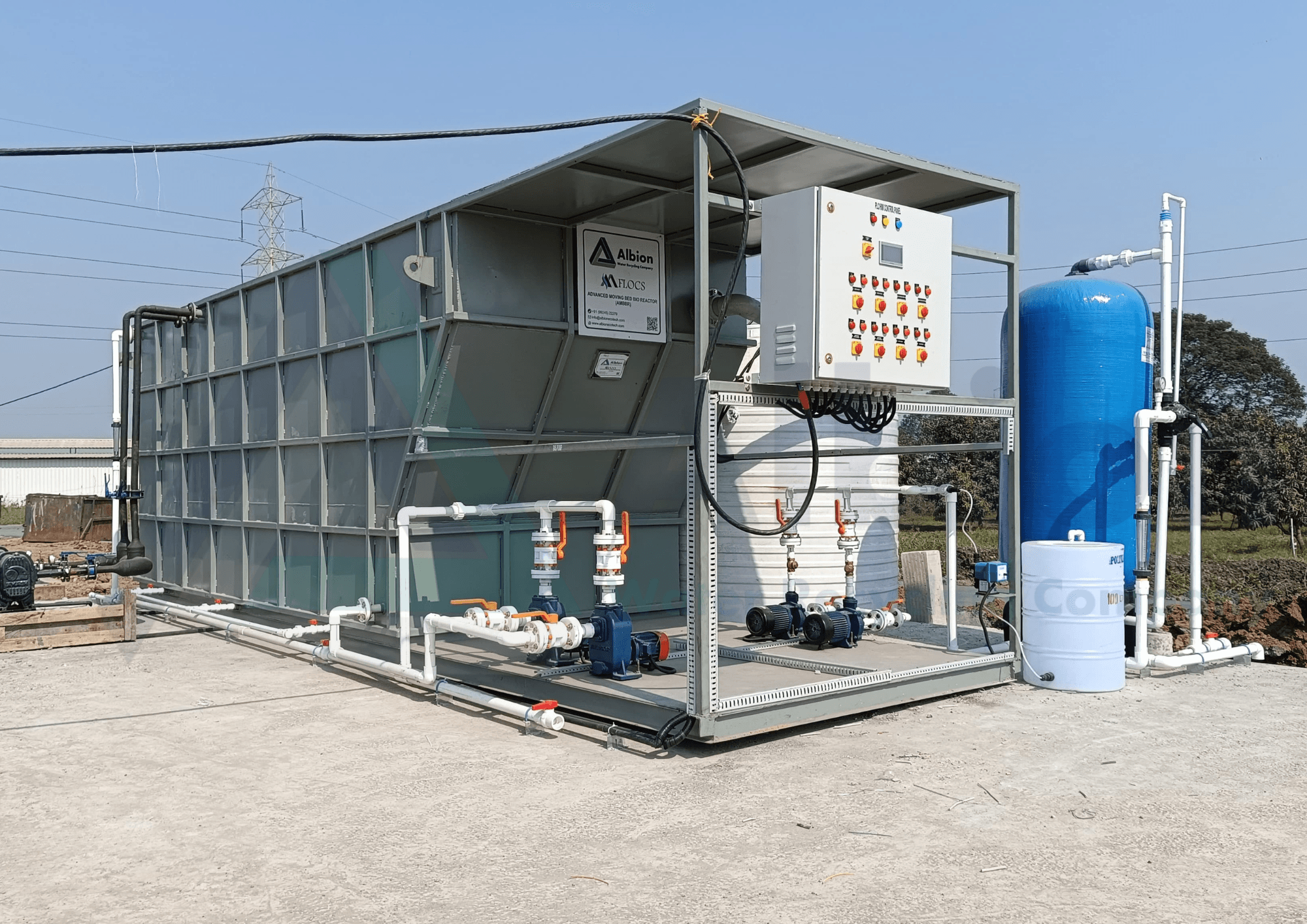
X-Flocs MBR is Albion Ecotech's membrane bioreactor process line, engineered to combine biological treatment and membrane filtration within a compact, automation-led system. The design approach focuses on floc structure and biomass conditioning ahead of the membrane stage, aiming to support stable filtration performance and manageable fouling rates over the operating life of the plant. X-Flocs MBR systems are configured project-by-project based on influent characteristics, required outlet quality, and whether the treated water is intended for discharge or reuse.
Wastewater Treatment Challenges MBR Technology Addresses
- Limited plot area: Urban sites, hotels, hospitals, and industrial plots often cannot accommodate a conventional aeration tank plus secondary clarifier plus tertiary filtration train. MBR consolidates biological treatment and clarification into a smaller footprint.
- Stricter discharge and reuse-quality norms: Membrane filtration produces a consistently low-turbidity, low-TSS permeate that is easier to disinfect and polish for reuse applications such as flushing, gardening, or cooling makeup water.
- Variable influent quality: Because the membrane provides a hard barrier rather than relying on sludge settleability, MBR systems can better tolerate fluctuations in influent load without a corresponding drop in effluent quality.
- Sludge volume and handling: Operating at higher MLSS concentrations changes the sludge age and production profile compared with conventional systems, which needs to be factored into sludge management planning.
Key Advantages of X-Flocs MBR Technology
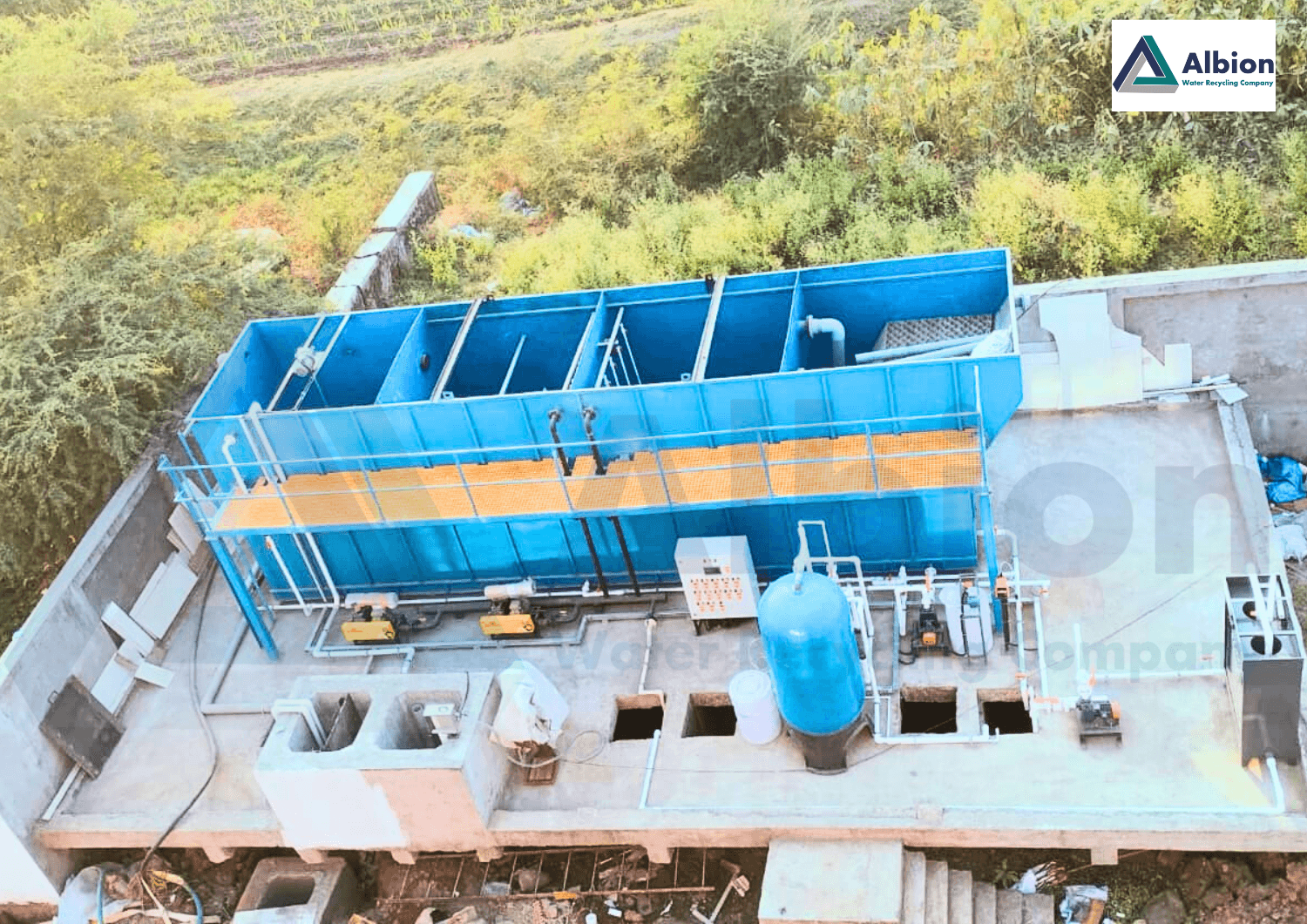
- Compact footprint: Combining biological treatment and clarification in one membrane-integrated stage reduces the civil area required compared with a conventional activated sludge plus tertiary filtration train, which is useful on constrained urban or industrial sites.
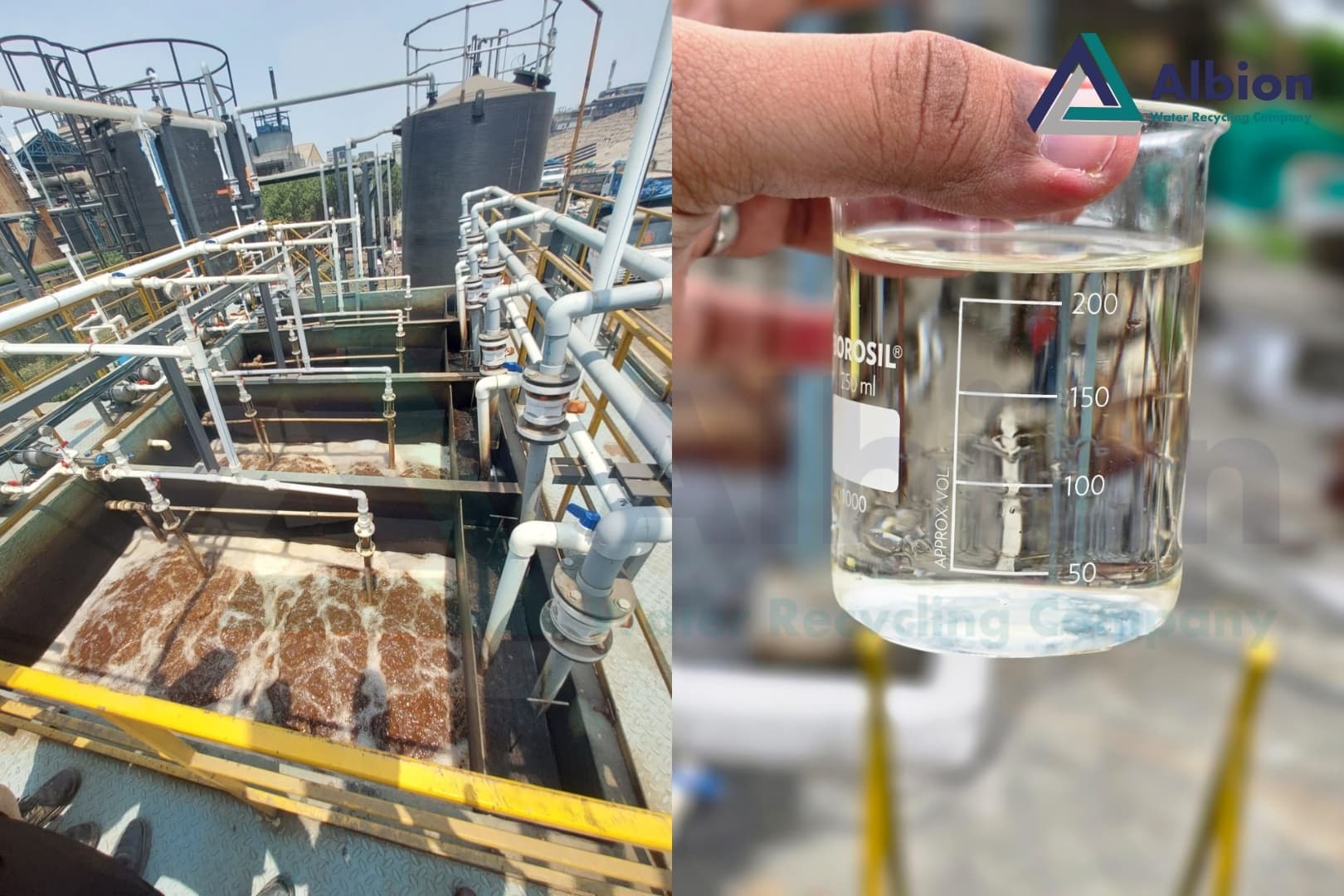
- High and consistent effluent quality: The membrane barrier retains solids and most microorganisms independent of sludge settling behaviour, supporting a stable, low-turbidity permeate suited to reuse applications.
- Fouling-aware floc conditioning: The X-Flocs approach pays attention to biomass floc characteristics ahead of the membrane, which is a key factor in managing membrane fouling rates and extending cleaning intervals.
- Water reuse readiness: MBR permeate is a strong feed quality for further polishing through disinfection or RO, making it a practical foundation for projects targeting treated water reuse and recovery.
- Automation-led operation: PLC-based control of aeration, membrane permeate flux, and backwash or relaxation cycles supports consistent operation with reduced dependence on constant manual intervention.
- Scalability: Membrane modules can be added in a modular fashion, allowing capacity to be expanded as flow requirements grow, without necessarily re-engineering the entire biological process.
Points to Consider with MBR Systems
- Membrane systems require periodic chemical cleaning (CIP) and eventual membrane replacement, which should be budgeted as part of long-term OPEX.
- Pre-treatment (fine screening) ahead of the membrane stage is important to protect membranes from damage caused by fibrous or abrasive material.
- Aeration for membrane scouring adds to the energy profile of an MBR system compared with a conventional process, which is a factor to evaluate against the footprint and quality benefits gained.
- Operators benefit from training on membrane-specific parameters such as transmembrane pressure (TMP) and permeability trends, in addition to standard biological process monitoring.
Applications and Industries for X-Flocs MBR
- Municipal and government STPs where treated water reuse or strict discharge norms apply.
- Commercial and residential complexes, hotels, and hospitals seeking a compact STP with reuse-grade output for flushing or landscaping.
- Pharmaceutical facilities requiring high and consistent effluent quality ahead of further polishing or advanced treatment stages.
- Textile and dyeing effluent treatment, typically as a biological polishing stage after physico-chemical pretreatment.
- Food and beverage plants with biodegradable effluent where footprint and reuse potential are both priorities.
- CETP projects handling mixed industrial streams that require dependable, high-quality clarification ahead of tertiary treatment.
Albion Ecotech's Approach to MBR-Based Treatment
As a wastewater treatment engineering company, Albion Ecotech designs X-Flocs MBR systems around each project's influent characteristics, footprint constraints, and treated water objectives, rather than a fixed template. Where a client's goals include water reuse and recovery, Albion evaluates downstream polishing options such as RO to move toward reuse-grade or, in select cases, zero liquid discharge (ZLD) outcomes. Sludge management is planned alongside the MBR process to handle the biomass generated at the higher MLSS concentrations typical of membrane systems, and energy efficiency is considered in blower and pump selection to help manage long-term OPEX. Albion also supports clients through commissioning, operator training on membrane-specific parameters, and ongoing maintenance planning to help sustain performance over the plant's operating life.
Conclusion
MBR technology addresses a real gap left by conventional activated sludge and SBR systems: the need for a compact footprint alongside consistently high, reuse-ready effluent quality. Albion Ecotech's X-Flocs MBR applies this principle with attention to floc conditioning and automation-led operation, but like any membrane-based process, its long-term performance depends on correct pre-treatment, energy planning, and membrane maintenance. Project teams evaluating MBR should weigh these factors against site constraints and reuse goals before finalizing a process design.
Frequently Asked Questions
What makes MBR different from SBR or conventional activated sludge?
MBR replaces gravity clarification with a membrane barrier, so solids separation does not depend on sludge settleability. This allows a smaller footprint and generally more consistent effluent quality than conventional or SBR-based systems.
Is X-Flocs MBR suitable for treated water reuse?
MBR permeate is generally a strong starting point for reuse applications since it is low in turbidity and suspended solids. Depending on the intended reuse (flushing, gardening, cooling, or higher-grade applications), it can be paired with disinfection or RO for further polishing.
Does MBR require more energy than conventional systems?
MBR systems typically need additional aeration for membrane scouring, which adds to the energy profile compared with a conventional process. This is generally weighed against the footprint reduction and effluent quality benefits during process selection.
How often do MBR membranes need cleaning or replacement?
Cleaning frequency and membrane life depend on influent characteristics, pre-treatment effectiveness, and operating conditions. Periodic chemical cleaning (CIP) and eventual membrane replacement should be planned as part of the plant's long-term maintenance and OPEX budget.
Can X-Flocs MBR be combined with other technologies like RO or ZLD?
Yes. MBR permeate is a suitable feed for downstream RO, and in projects targeting zero liquid discharge, MBR can serve as the biological pretreatment stage ahead of further concentration and recovery steps.
%20Technology.jpg&w=3840&q=75)