Yamuna River Foam: Causes and Solutions
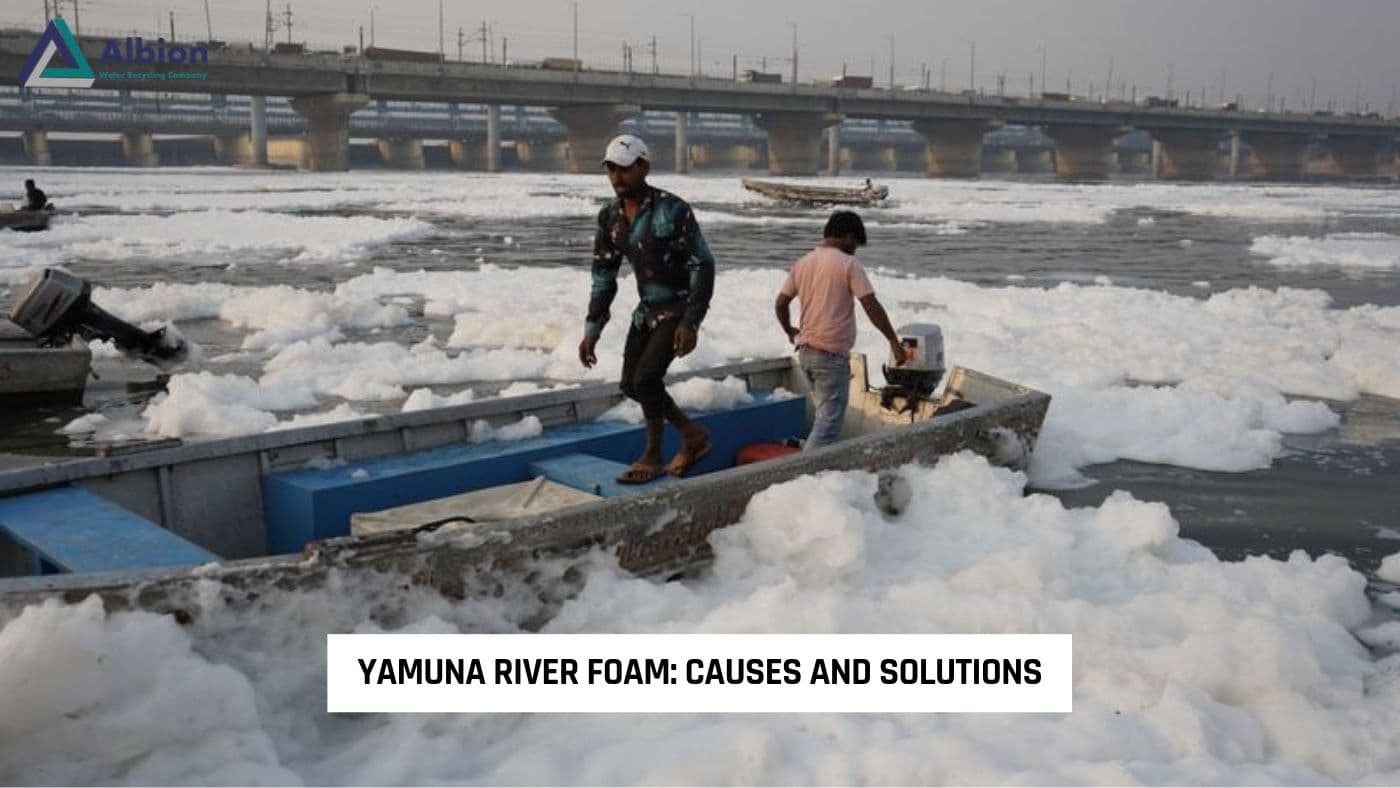
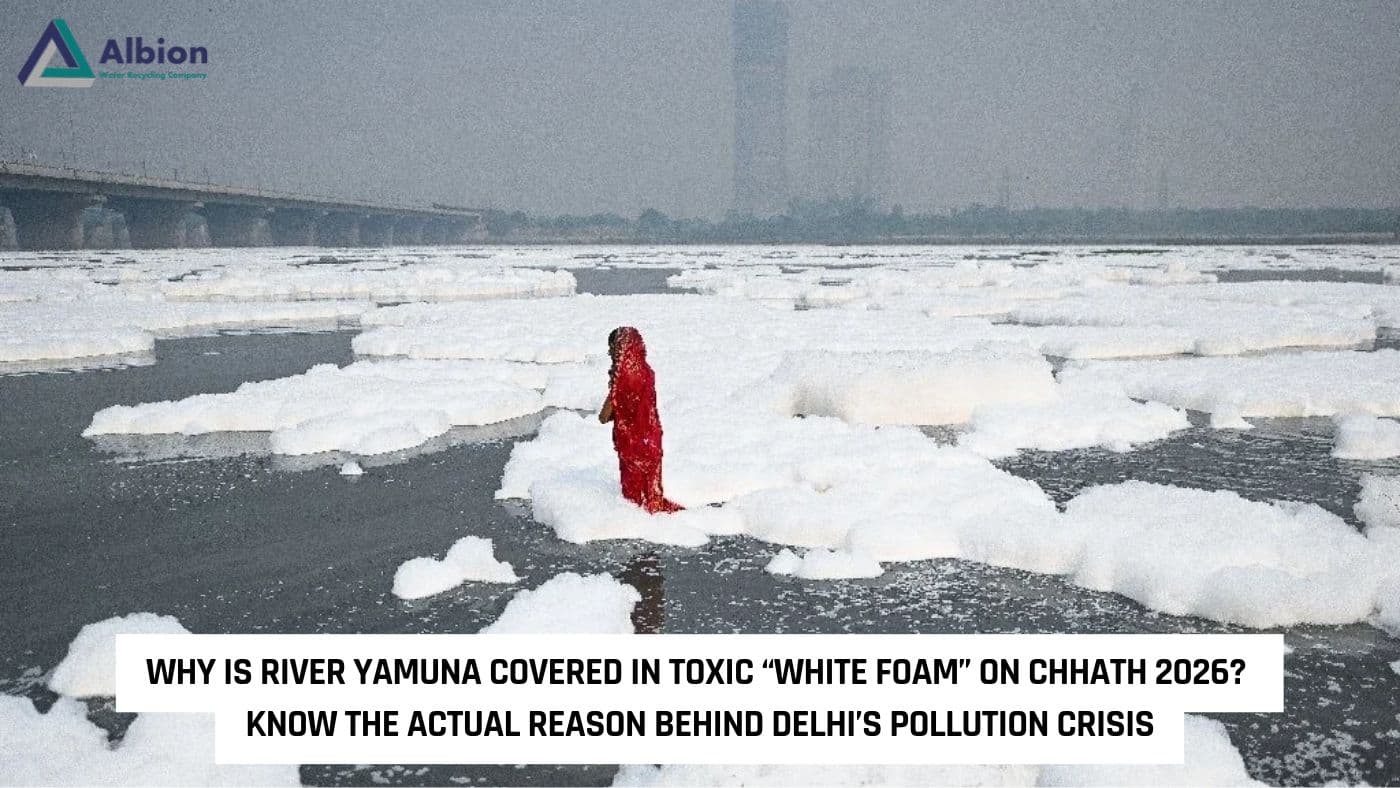
Every year, the Yamuna in Delhi is covered in white foam that drifts across barrages and ghats, and every year the response is the same: spray, skim and promise. The foam itself is easy to explain. The harder question is what actually removes it. This article sets out the causes in brief and then focuses on the solutions that work, in the order in which they have to happen.
The causes in brief
- Surfactants. Detergents from households, laundries and small industries lower surface tension and stabilise bubbles.
- Organic matter and nutrients. Sewage, fats, decaying plant matter and phosphates give the foam body and feed algae.
- Industrial effluent. Untreated or poorly treated discharge from dyeing, washing and other units adds chemicals.
- Turbulence and low flow. Water falling over a barrage mixes in air, and there is too little fresh flow to dilute the load, especially after the monsoon.
Underneath all four is the same root cause: wastewater from a large urban region reaches the river without being intercepted and adequately treated.
What does not work
Anti-foam sprays and mechanical foam breakers can make a ghat look cleaner for a few days. They leave surfactants, phosphates, organic load and pathogens in the water, and they add chemicals. One-time clean-up drives before a festival have the same limit: the discharge starts again the day after. These measures treat the symptom, and so the foam returns.
Solutions that do work
1. Intercept every drain
Open drains that carry sewage and mixed wastewater straight into the river have to be stopped, tapped and routed to a treatment plant. Interception and diversion is the fastest way to cut the load, because it needs pipes, pumps and sumps rather than new process technology. It is not enough on its own, since intercepted flow has to go somewhere with the capacity to treat it, but it is the first step.
2. Make sure sewage treatment plants perform
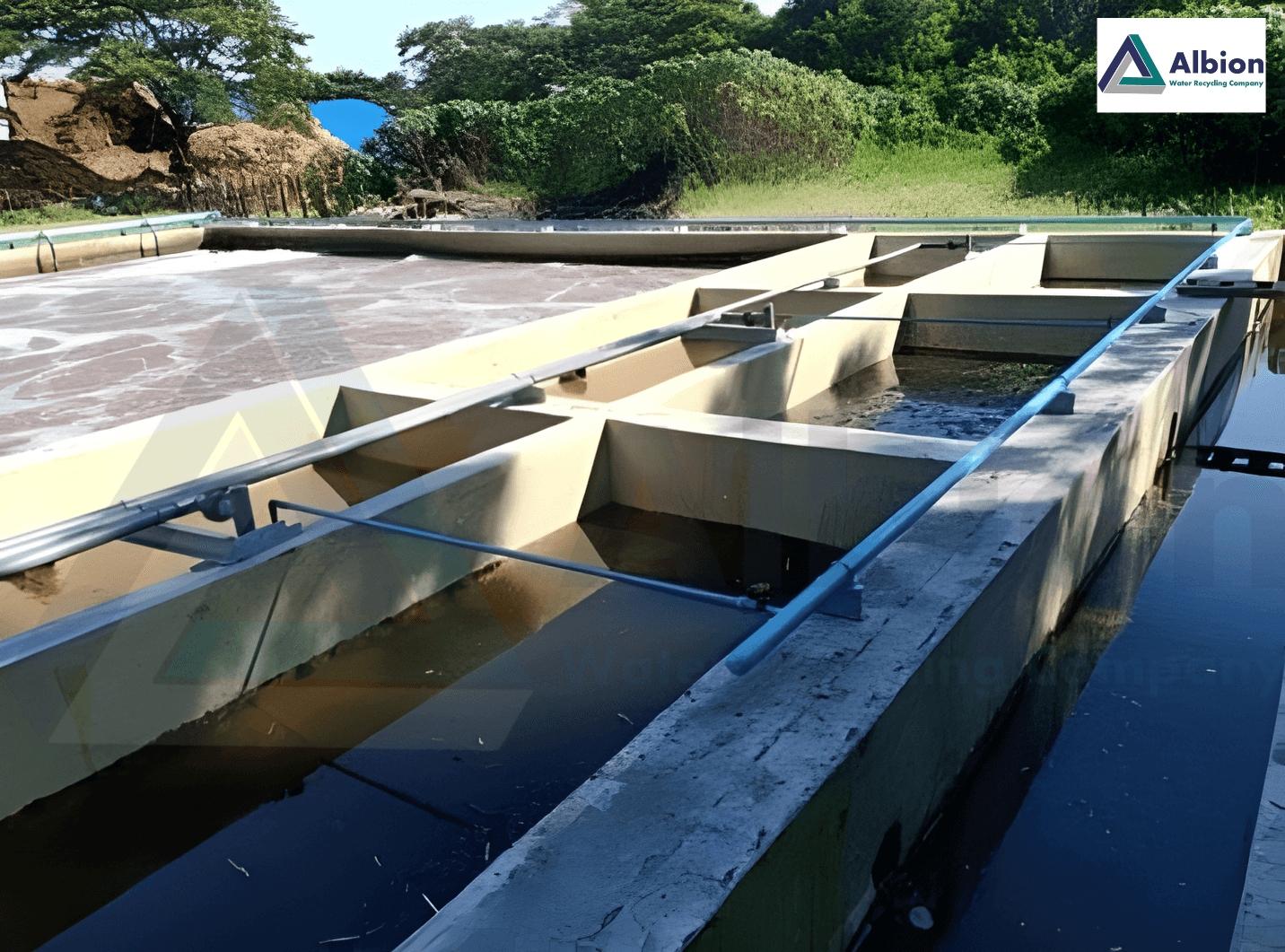
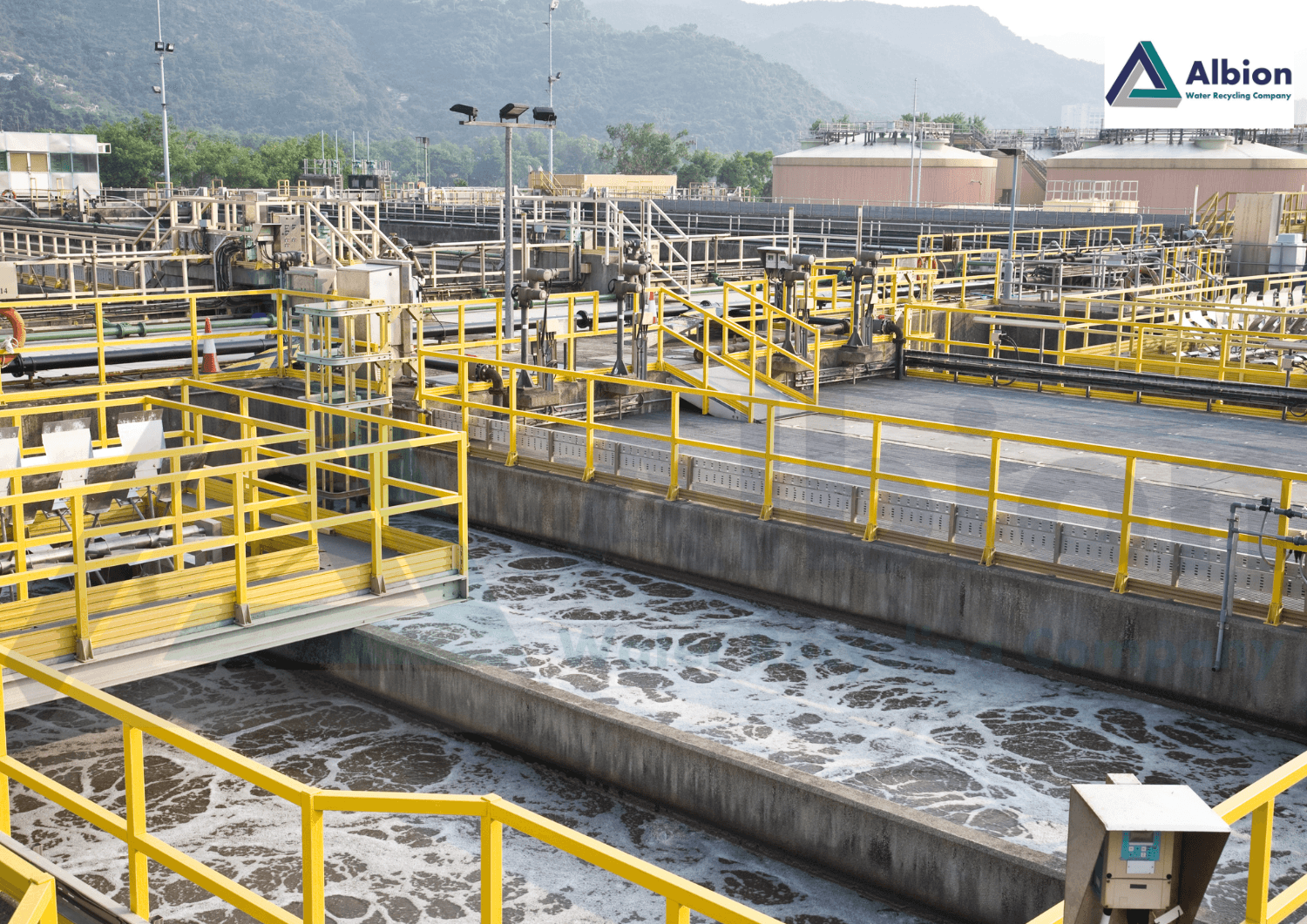
Capacity on paper is not the same as treatment in practice. Plants that are overloaded, poorly aerated, short of operators or missing parts discharge water that is only partly treated. Fixing this means sizing for measured flow, restoring aeration and mixing, repairing instruments, training operators and monitoring outlet quality continuously rather than occasionally. In many cases an overloaded plant can be upgraded within its existing tanks, for example by adding carrier media for MBBR or AMBBR, instead of building new capacity.
3. Remove phosphates and nitrogen
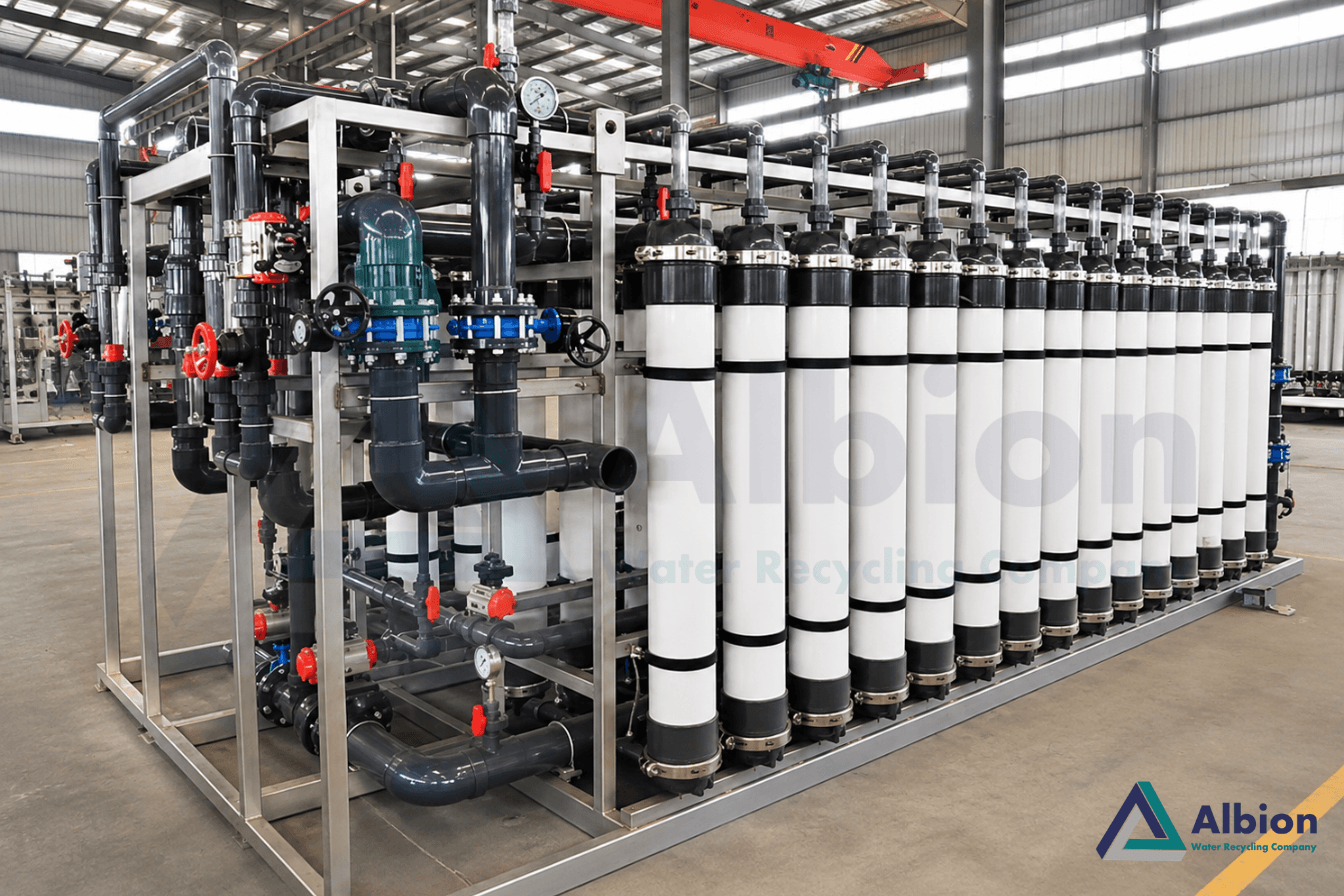
Conventional treatment removes organic matter and most biodegradable surfactants but only part of the nutrients. Where limits on phosphorus and nitrogen apply, plants add anoxic zones for denitrification, biological or chemical phosphorus removal, and filtration or membranes for a cleaner final water. SBR and MBR are well suited to this, and chemical dosing with alum or ferric salts can capture phosphorus where biology alone falls short. Lower nutrients mean less algal growth and a less foam-prone discharge.
4. Treat industrial effluent at source
Dyeing, washing, laundry and processing units must treat their own effluent, in a unit ETP or a common effluent treatment plant, to the conditions of their consent. Where discharge to a river is not permitted, zero liquid discharge keeps all effluent out of drains. Enforcement matters as much as technology, because an ETP that is not run does nothing.
5. Build decentralised plants where sewers do not reach
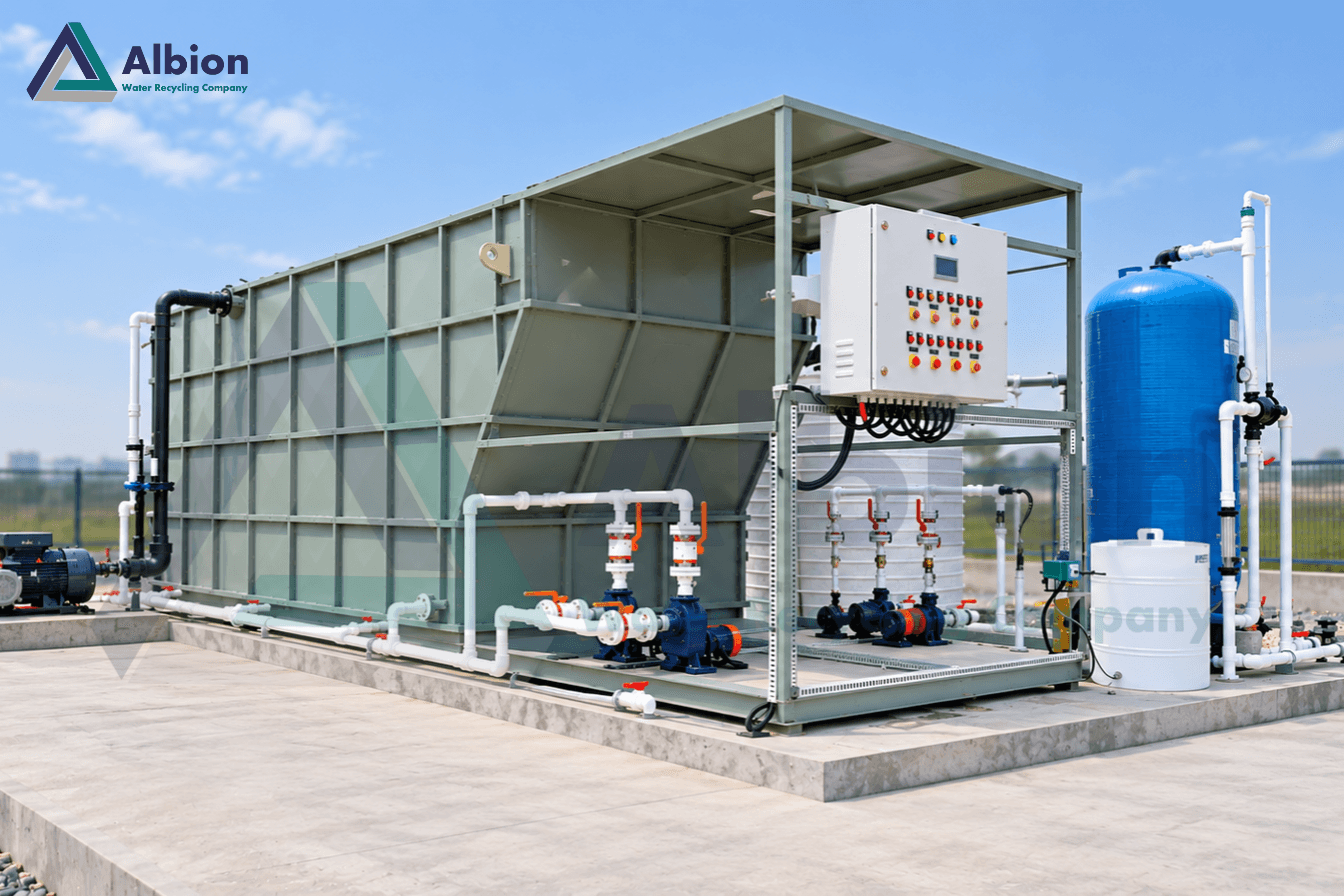
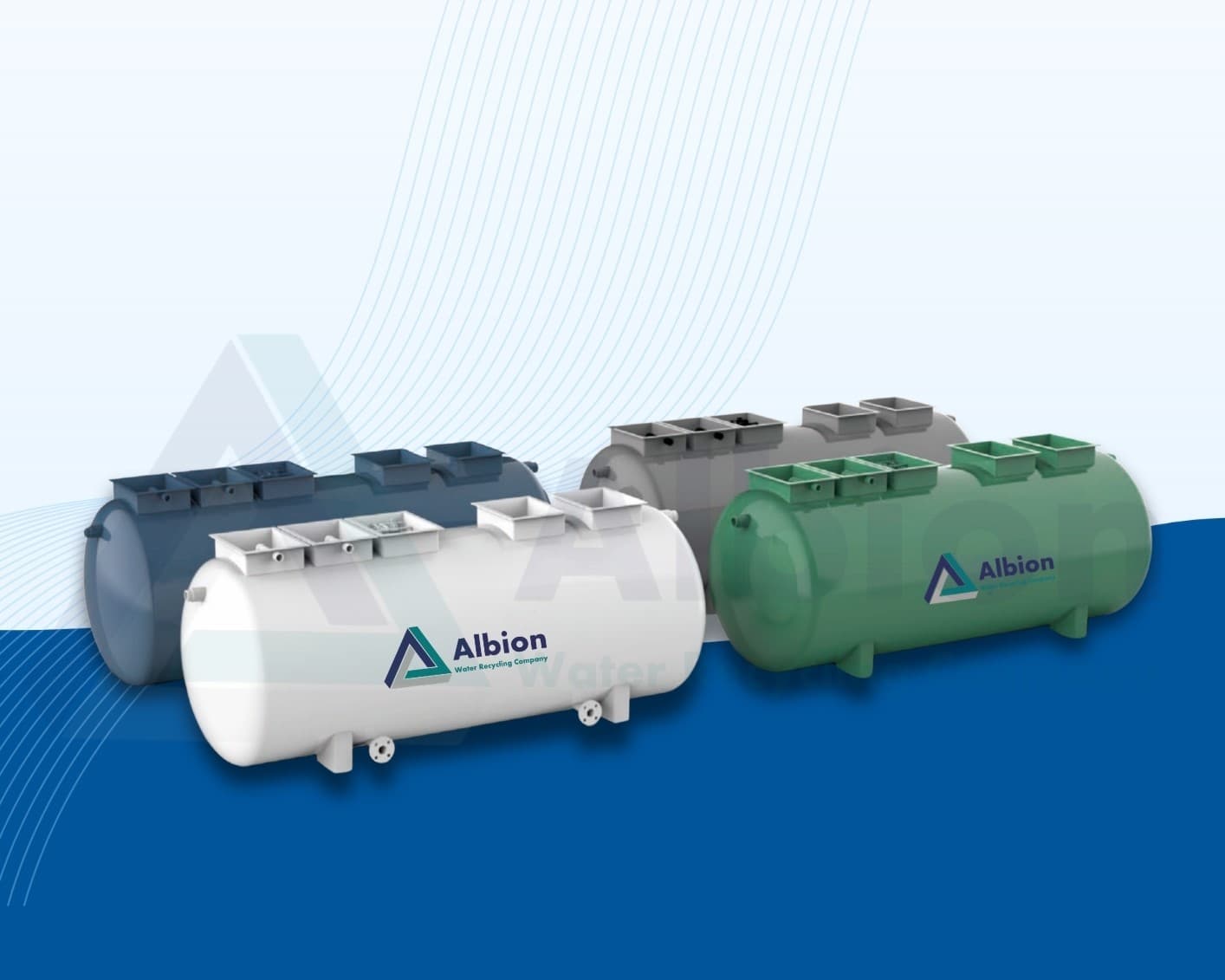
Unsewered colonies, clusters and large buildings can treat wastewater locally with packaged or civil STPs instead of waiting for a central network. Plants placed near the source intercept flow before it enters a drain, can be installed within months, and give treated water that is close to where it can be reused.
6. Reuse treated water
Reusing treated water for flushing, landscaping, construction, cooling and industry reduces both the volume discharged and the demand for fresh water. Every kilolitre reused is one that never enters the drain, and in a river with little winter flow, that matters. UF and RO widen the range of uses.
7. Cut the load at source
Detergents with biodegradable surfactants and low or no phosphate reduce the problem before the water reaches a plant. Tighter product standards, awareness of dosing and rinsing, and better practice in laundries and commercial washing help, and they cost far less than treating an avoidable load.
8. Look after the river itself
A minimum flow gives the river some capacity to dilute and absorb what treatment leaves behind. Removing floating vegetation and dumped waste from the river, and designing structures to reduce unnecessary turbulence, help at the margins. None of this replaces treatment, because a river cannot dilute an unlimited load.
9. Monitor and publish the data
Online sensors for flow, pH, dissolved oxygen, ammonia and turbidity at plant outlets and key points in the river show where problems start and whether fixes work. Published data allows regulators, operators and the public to see progress rather than rely on festival-time visuals.
Why we must use wastewater treatment plants for a safe and sustainable future
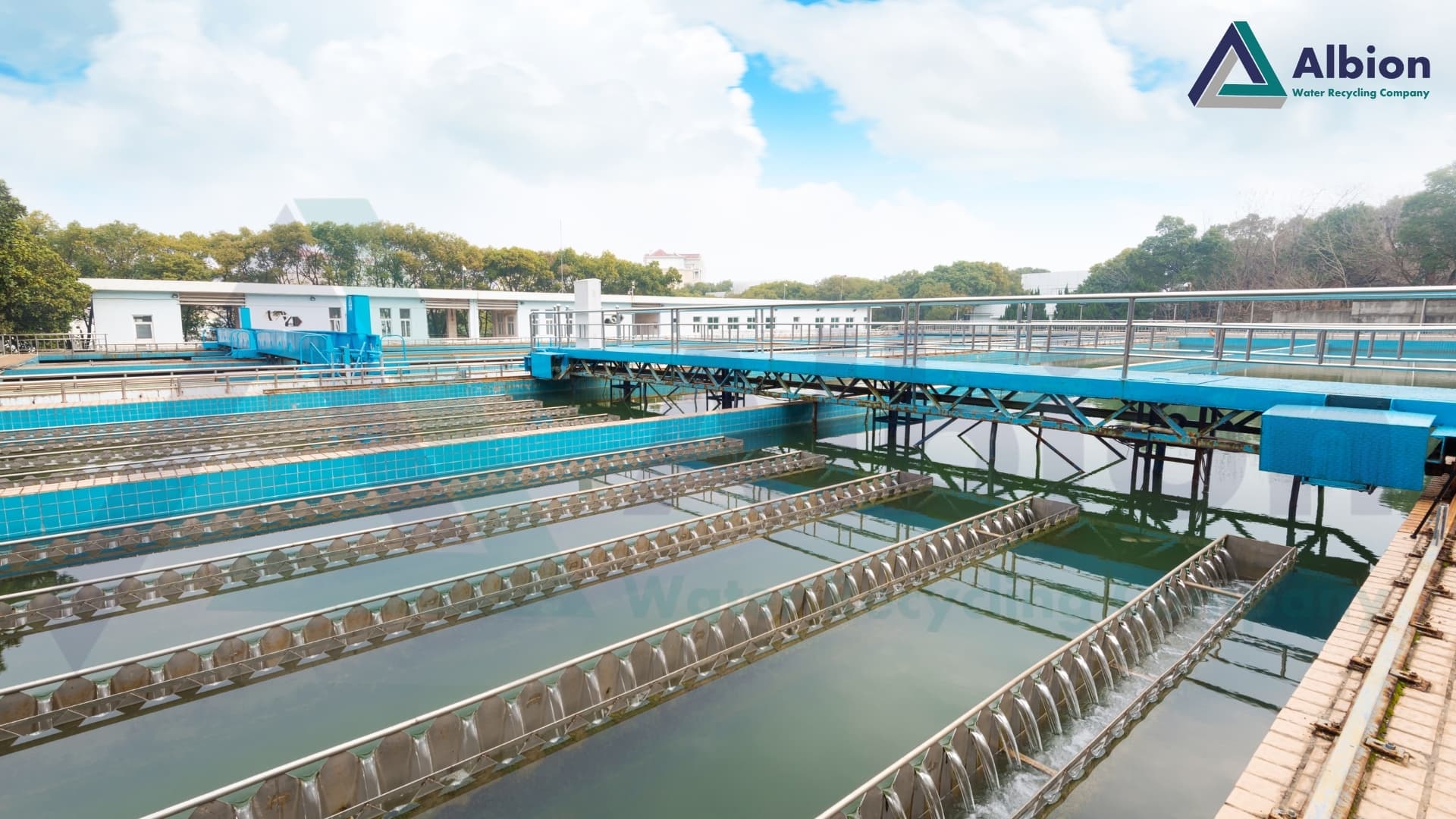
Every solution above either is a treatment plant or depends on one. Interception without treatment only moves the problem to another point on the river. Source control reduces the load but cannot remove it. Reuse needs treated water to start with. Treatment plants are the one measure that removes surfactants, organic matter, nutrients and pathogens from the flow itself, so what reaches the river is safe to bathe near, safe for fish, and in many cases reusable. A river city that wants a living river and a dependable water supply has to treat its wastewater, and the cities and industries that do it well treat it as infrastructure, not as a festival-season task.
What a river-friendly plant should deliver
- Low BOD, COD and suspended solids, so the discharge does not use up the river's oxygen.
- Controlled ammonia, nitrogen and phosphate, so there is less algal growth and less foam.
- Low surfactant content through effective biological treatment.
- Disinfection, so pathogen levels are safe for people who come into contact with the water.
- Reliable operation, with automation, monitoring and maintenance support.
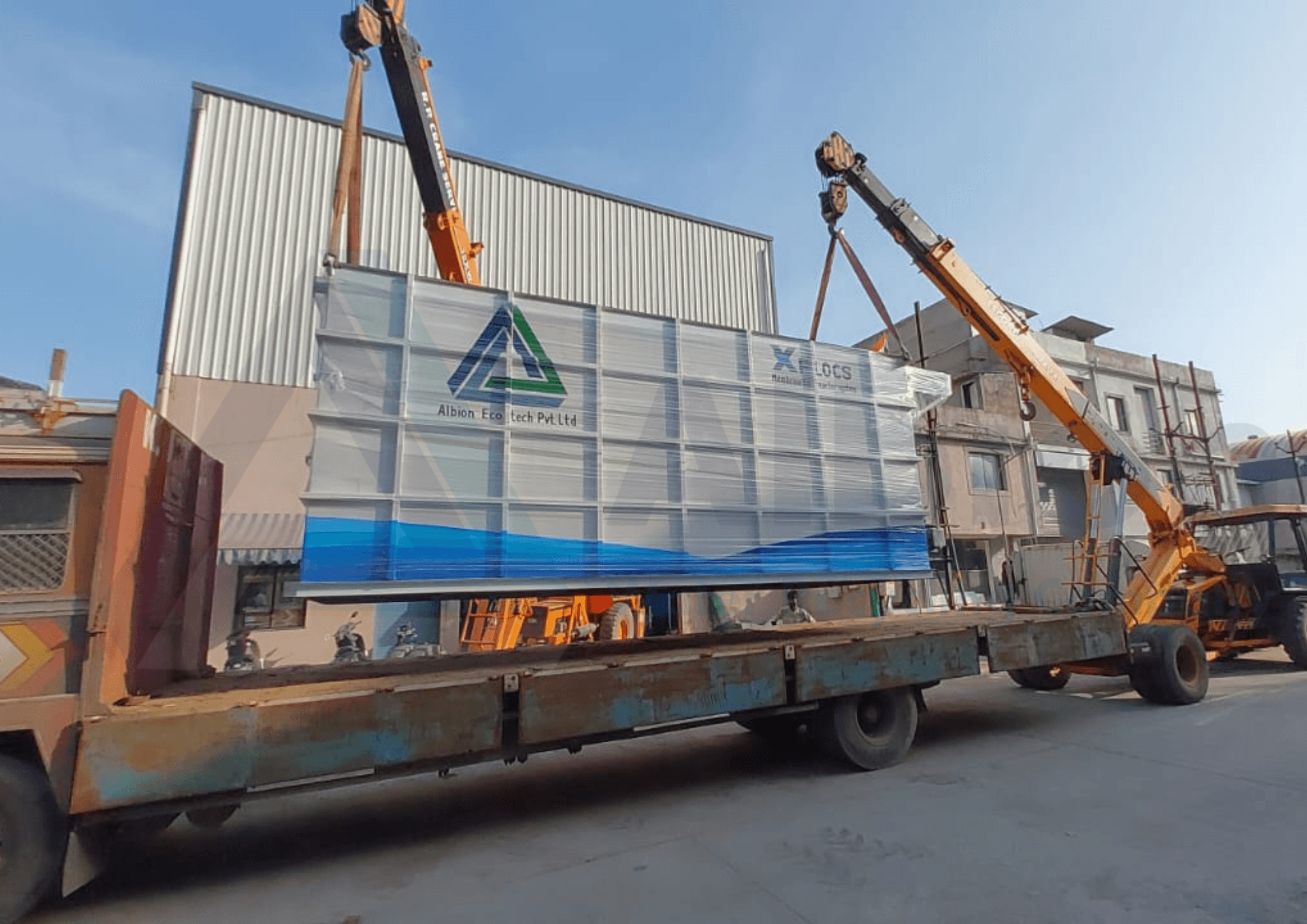
Albion Ecotech designs and executes STPs and ETPs using SBR, MBBR and AMBBR, and MBR processes, with UF, RO and ZLD options for water reuse and recovery, sludge management, energy-efficient equipment and PLC-based automation, in packaged and civil formats. Plants can be built for housing societies, commercial buildings, townships, industrial units and common effluent treatment plants, to the discharge or reuse standard that applies at each site.
Frequently Asked Questions
What are the main causes of foam in the Yamuna?
Surfactants from detergents, organic matter, phosphates and decaying plants in untreated sewage and industrial effluent, combined with turbulence at barrages and low river flow.
What is the first step to reduce river foam?
Intercept the drains that discharge untreated wastewater into the river and route the flow to a treatment plant with enough capacity to treat it properly.
Can a sewage treatment plant remove detergents?
Most biodegradable surfactants are broken down in the aerobic biological stage of a well-run plant. Phosphates need nutrient removal through biological or chemical processes, and results depend on design and operation.
How can unsewered areas treat wastewater?
With decentralised packaged or civil STPs near the source, which can be installed within months and give treated water that can be reused locally.
Why are anti-foam sprays not a solution?
They break bubbles for a short time but do not remove the surfactants, nutrients, organic load or pathogens that cause the foam and harm the river, and they add chemicals to the water.