Why Is River Yamuna Covered in Toxic “White Foam” on Chhath 2026?
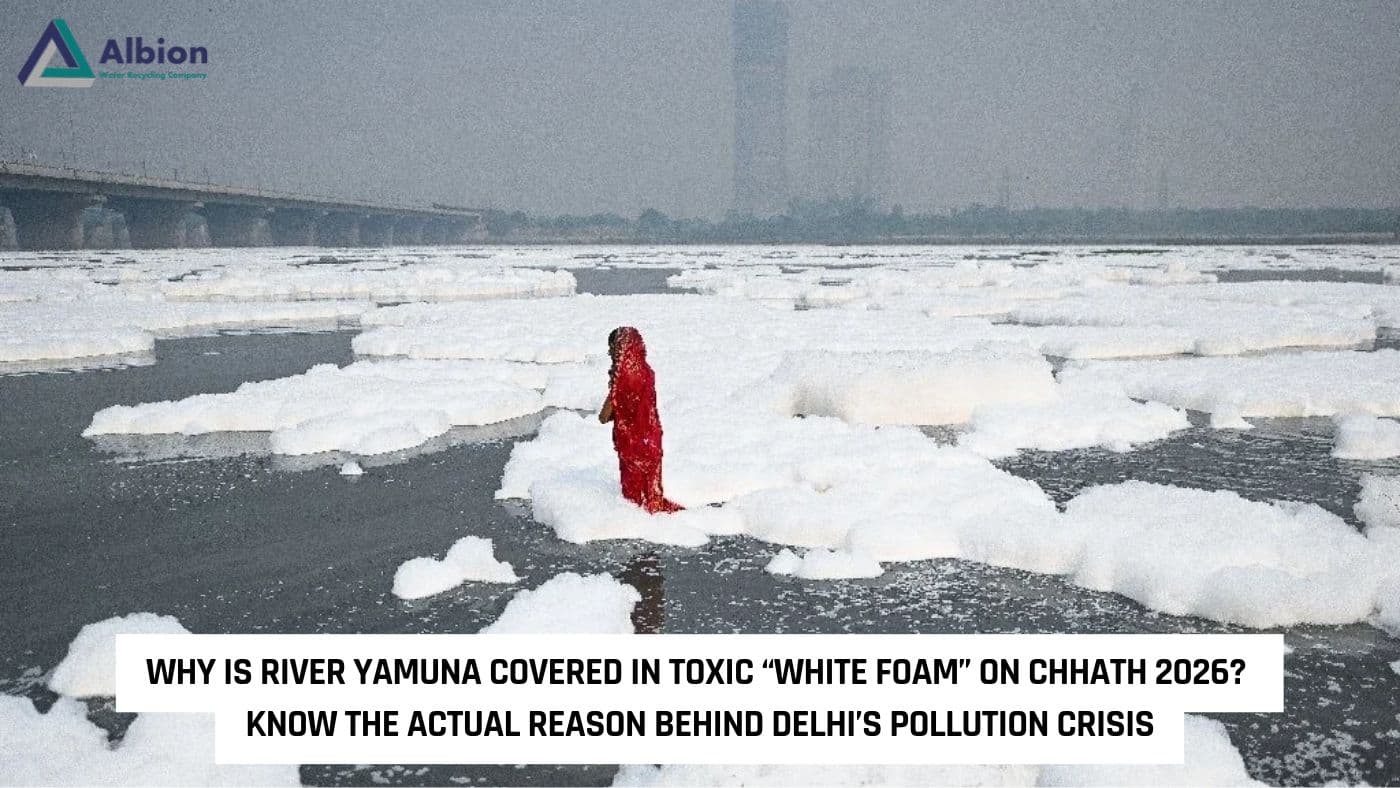
Once again, devotees marking Chhath Puja this November have stood in the Yamuna at Delhi's Kalindi Kunj, wading through thick white foam. Days earlier, images of dead fish floating near Sonia Vihar had surfaced, raising fresh alarm about what is being discharged into the river. Workers sprayed anti-foam solutions from boats at the main ghats to make the water look presentable for the festival. The foam is not a natural phenomenon and it is not a festival problem. It is a visible sign of untreated and under-treated wastewater, and spraying it away does nothing to remove the cause.
What the foam actually is
Foam forms when a liquid contains substances that lower surface tension and stabilise air bubbles, and something agitates the water to mix air in. In the Yamuna, the ingredients are well known.
- Surfactants from detergents. Laundry and cleaning detergents are designed to make suds. Wash water from homes, laundries and small industries carries them into drains, and drains carry them to the river.
- Organic matter. Raw sewage, oils and decaying plant material such as water hyacinth add proteins and fats that help foam hold its structure.
- Phosphates and nutrients. Detergent phosphates, human waste and fertiliser runoff feed algae and add to the chemical load.
- Industrial effluent. Untreated or partly treated discharge from dyeing, washing and other units adds surfactants, chemicals and colour.
- Turbulence and low flow. Water falling over a barrage whips air into the surfactant-laden water, and in the post-monsoon months the river carries little fresh water to dilute it. The foam builds up just downstream.
The real reason: wastewater that is not intercepted or treated
All of those ingredients arrive by the same route: wastewater from the Delhi-NCR region, whether household sewage or industrial effluent, that is neither properly intercepted nor adequately treated before it reaches the river. Open drains carry untreated flow straight into the Yamuna, sewage treatment plants may be overloaded or underperforming, and flows from upstream states add to what the city produces. A stretch of roughly 22 km through the capital is widely reported to account for most of the river's pollution load. Until wastewater is collected and treated before discharge, the foam, the fish kills and the sickly colour will return.
Why spraying does not fix it
Defoamers and anti-surfactant sprays break bubbles and can reduce visible froth at a chosen spot for a few days. They do not remove surfactants, phosphates, organic load or pathogens from the water, and they add chemicals of their own. Foam is the symptom. The dissolved oxygen drop that kills fish, the ammonia and bacteria that threaten bathers, and the nutrients that feed algae are still there under a clean-looking surface. Years of festival-time clean-up drives, some spending large sums, have shown that cosmetic measures return the foam as soon as they stop.
Why bathing in foam is a health concern
Water that carries untreated sewage and detergent residues can irritate skin and eyes and can carry disease-causing bacteria and viruses. People who immerse themselves for long periods, and children and the elderly in particular, are more exposed. Experts have repeatedly cautioned against bathing in such water.
Why we must use wastewater treatment plants for a safe and sustainable future
The Yamuna foam is what a city looks like when wastewater is allowed to reach a river untreated. Treatment plants break the chain at the point where it matters.
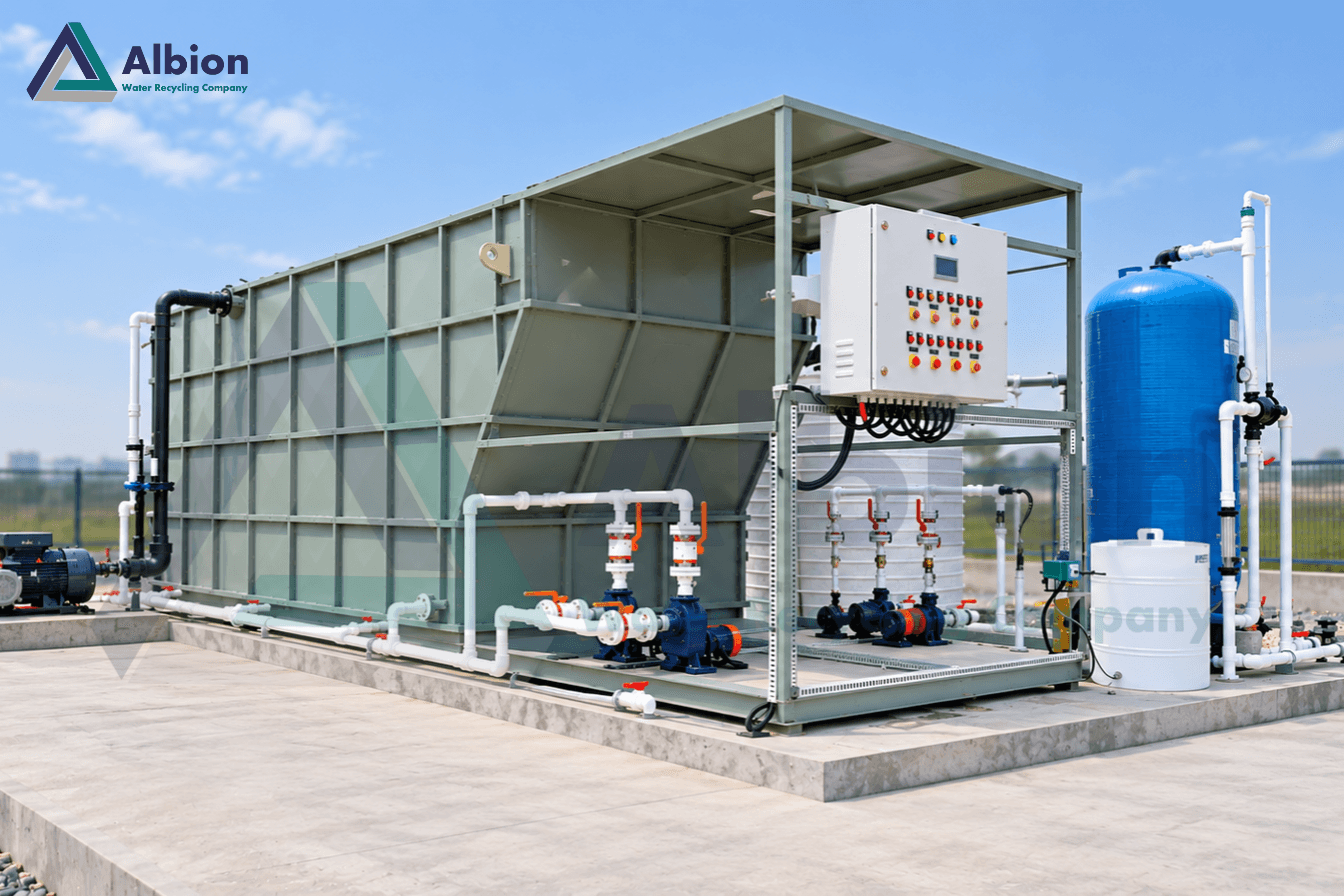
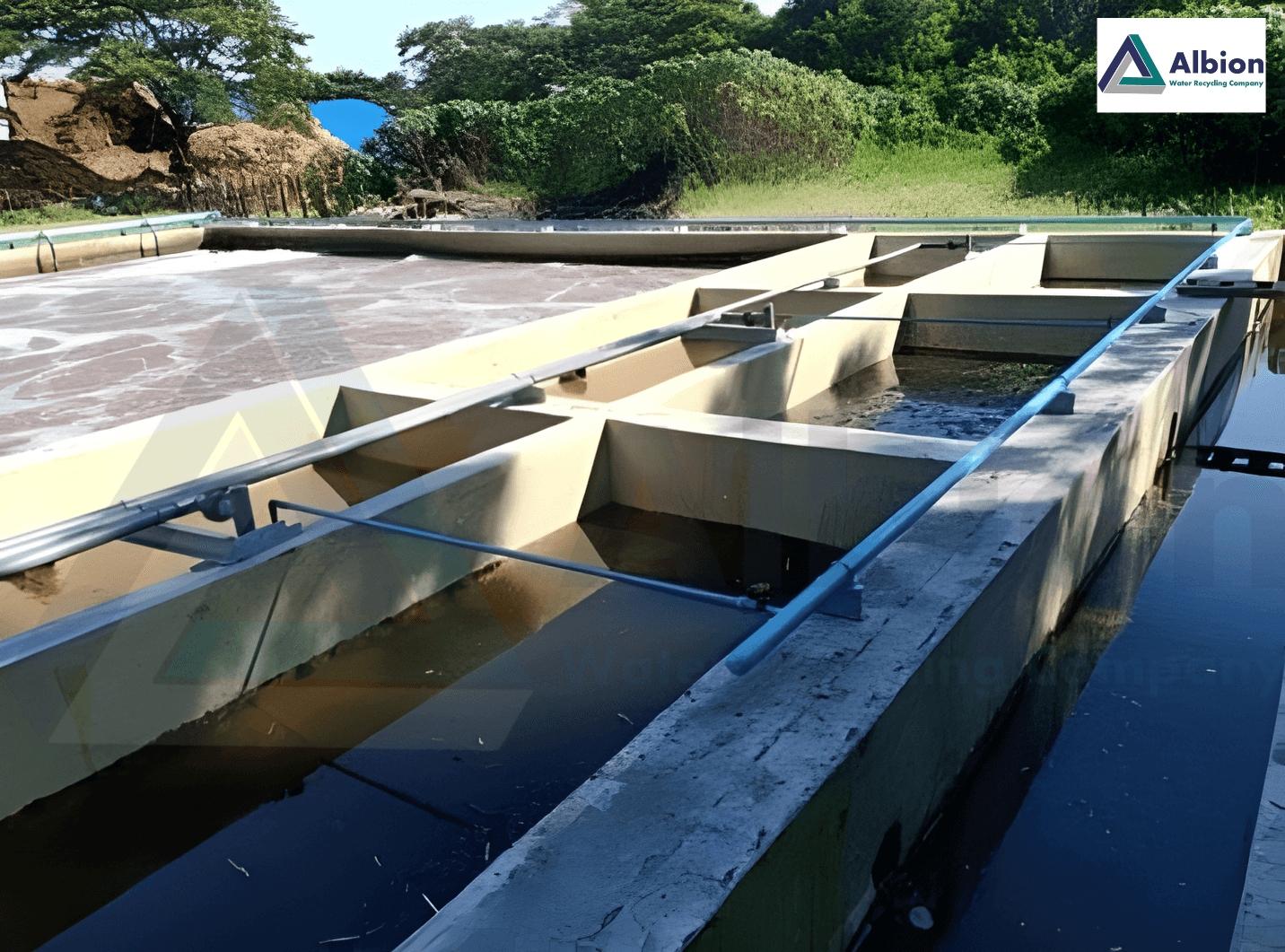
- Biological treatment breaks down surfactants and organic matter. In the aerated reactor of an STP, microorganisms consume most of the organic load and biodegradable surfactants, so the treated water no longer foams or strips the river of oxygen. SBR, MBBR, AMBBR and MBR are all designed for this.
- Nutrient removal cuts phosphates and nitrogen. Anoxic-aerobic designs and chemical dosing remove nitrogen and phosphorus, which reduces algal growth and the chemical stew that stabilises foam.
- Disinfection protects people. Filtration and disinfection remove pathogens, so water that does reach the river, or is reused, is safe to come into contact with.
- Industrial ETPs stop toxic effluent at the factory gate. Dyeing, washing and processing units need their own effluent treatment, and where discharge is not permitted, ZLD, so that chemicals never enter the drain.
- Reuse takes pressure off the river. Treated water can be used for flushing, landscaping, construction and cooling. Every kilolitre reused is a kilolitre that is neither drawn from nor discharged into the river system, and in a river that carries little flow in winter, that matters.
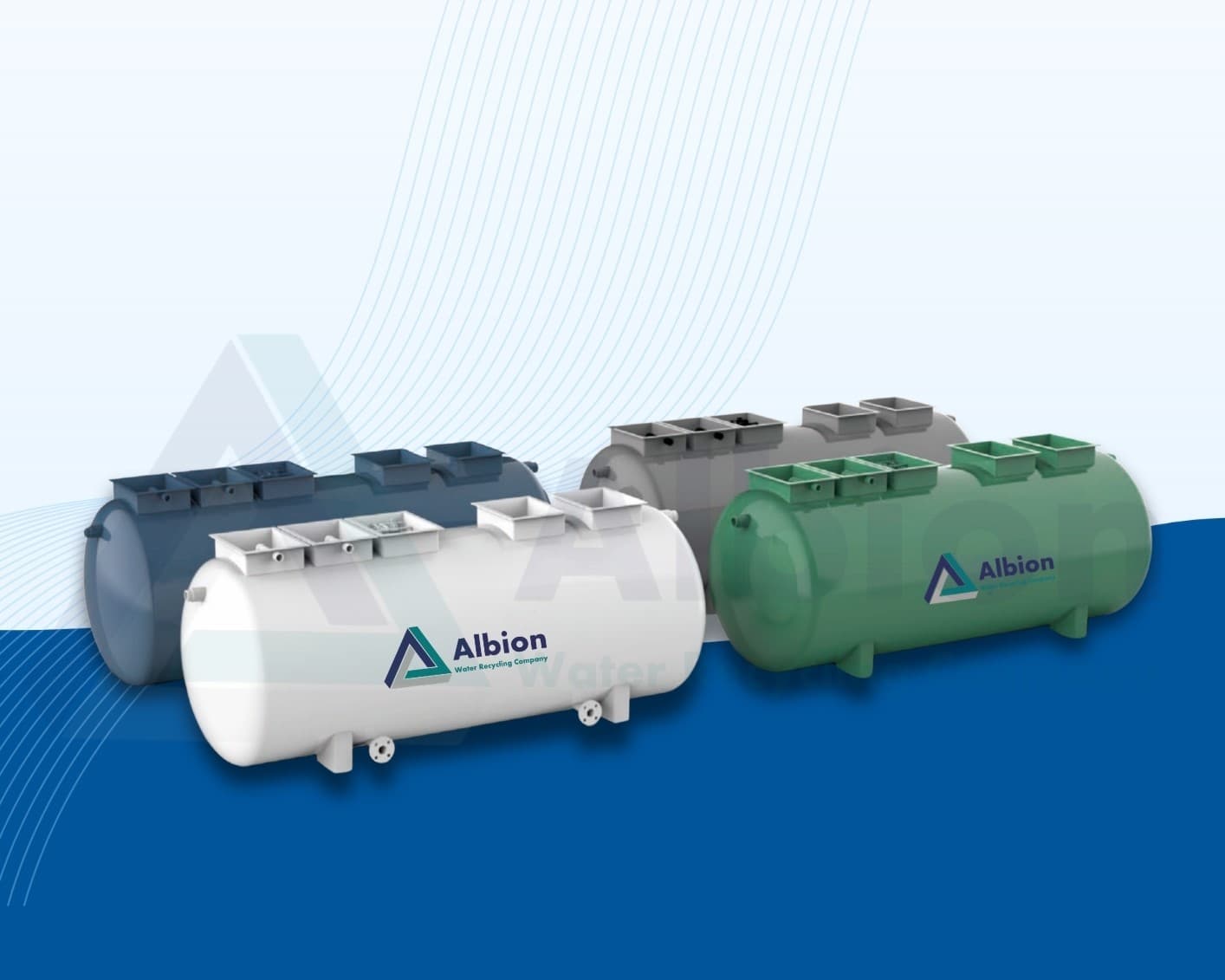
- Decentralised plants close the gaps. Where drains cannot easily be connected to a central plant, packaged STPs placed near the source can intercept and treat flow before it reaches a drain. Housing societies, hotels, hospitals and commercial buildings are well placed to do this.
- Automation and monitoring keep plants honest. A plant is only useful if it runs. PLC-based control and online monitoring record performance, flag problems early and make compliance verifiable.
What it takes to fix it
- Intercept every drain that discharges to the river, and send the flow to a treatment plant.
- Make sure existing STPs are sized for actual flow and run to their design performance, with outlet quality monitored.
- Require ETPs, CETPs or ZLD for industrial units as the consent conditions demand, and enforce them.
- Add nutrient removal where phosphate and nitrogen limits apply.
- Promote reuse of treated water so less is discharged.
- Reduce phosphate and surfactant load at source with better detergents and awareness.
- Maintain adequate flow in the river, since dilution alone cannot absorb the present load.
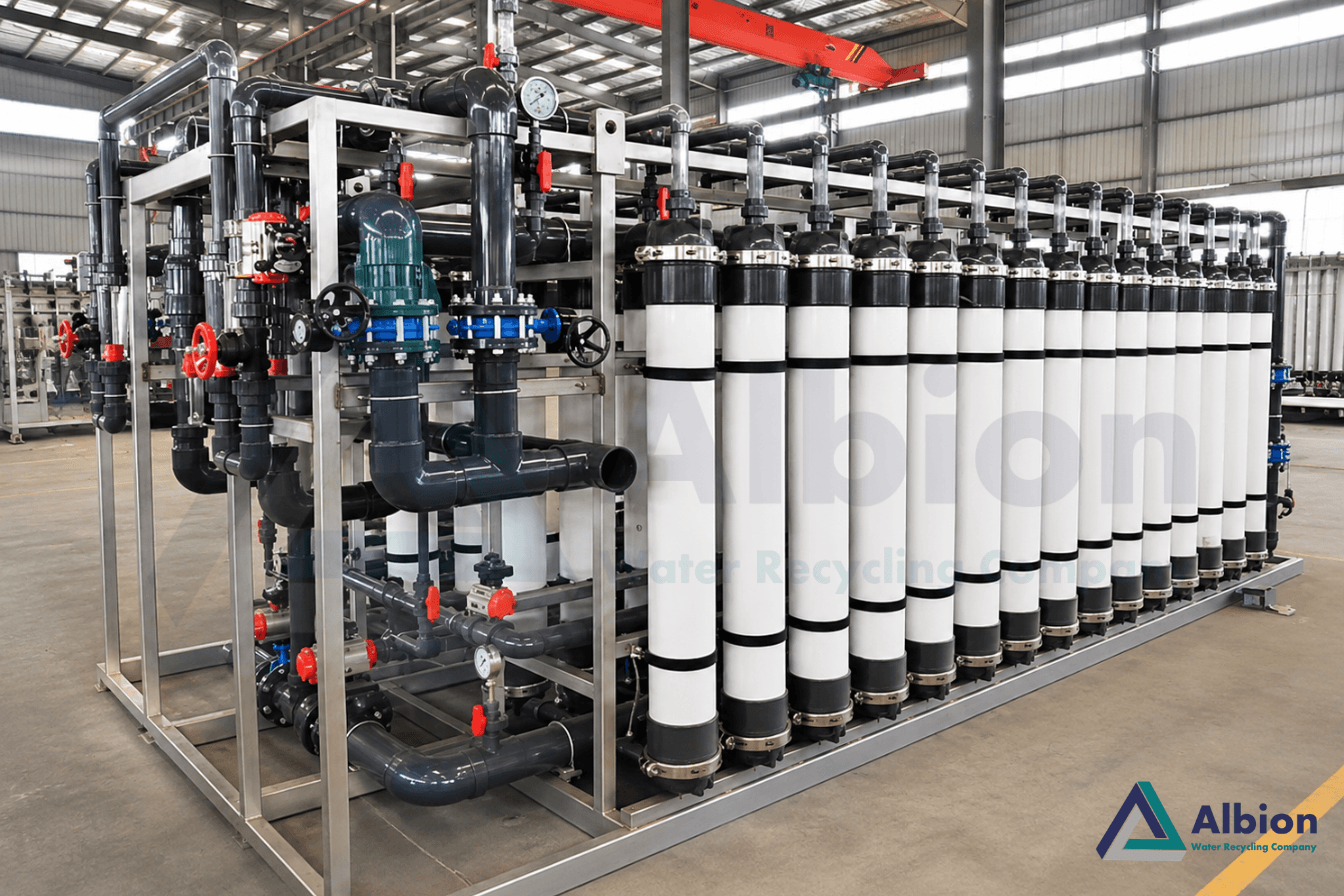
Albion Ecotech designs and executes STPs and ETPs using SBR, MBBR and AMBBR, and MBR processes, with UF, RO and ZLD options for water reuse and recovery, sludge management, energy-efficient equipment and PLC-based automation, in packaged and civil formats.
Frequently Asked Questions
What causes the white foam on the Yamuna?
Mainly surfactants from detergents in untreated sewage and industrial effluent, together with organic matter, phosphates and decaying plants, which stabilise bubbles when turbulence mixes air into the water, particularly below a barrage in low-flow months.
Does spraying anti-foam chemicals clean the river?
No. It can reduce visible foam for a short time, but it does not remove the surfactants, nutrients, organic load or pathogens, and it adds chemicals to the water.
Is it safe to bathe in the foam?
It is not advisable. The water can carry untreated sewage, detergent residues and disease-causing organisms that irritate skin and eyes and may cause infection.
How do wastewater treatment plants stop river foam?
Biological treatment breaks down most surfactants and organic matter, nutrient removal cuts phosphates and nitrogen, and filtration and disinfection remove pathogens, so water leaving the plant does not foam or deplete the river's oxygen.
What can housing societies and industries do?
Install and properly operate an STP or ETP, reuse treated water for flushing, landscaping and cooling, and keep untreated wash water and effluent out of storm drains. Industries should meet the conditions of their consent, with ZLD where required.