From Treatment to Resource Recovery: How Modern Wastewater Treatment Plants Are Changing
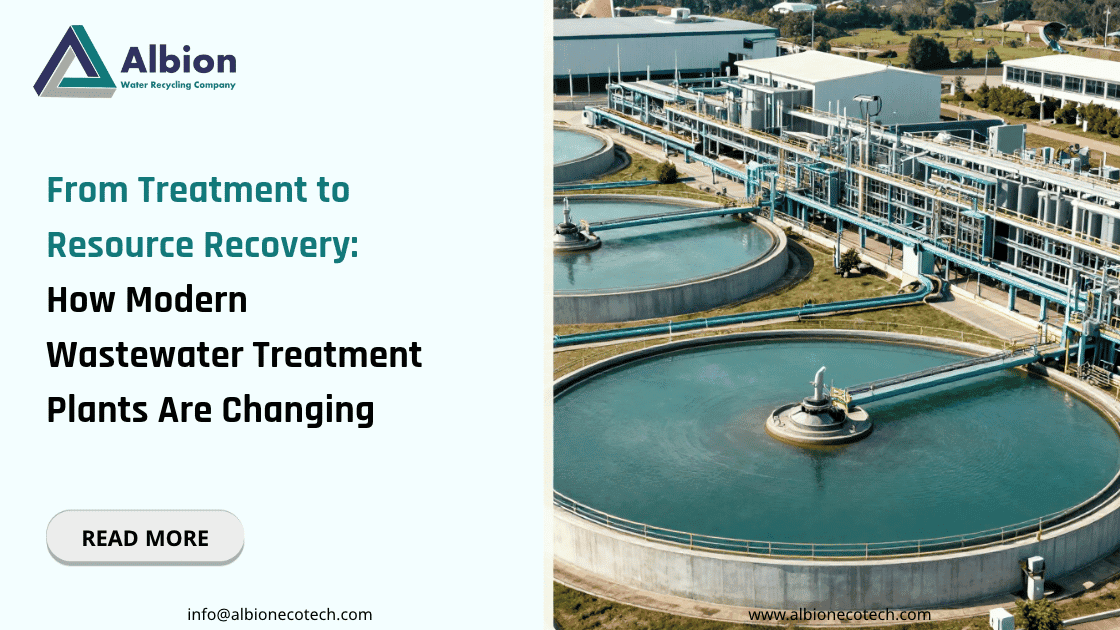
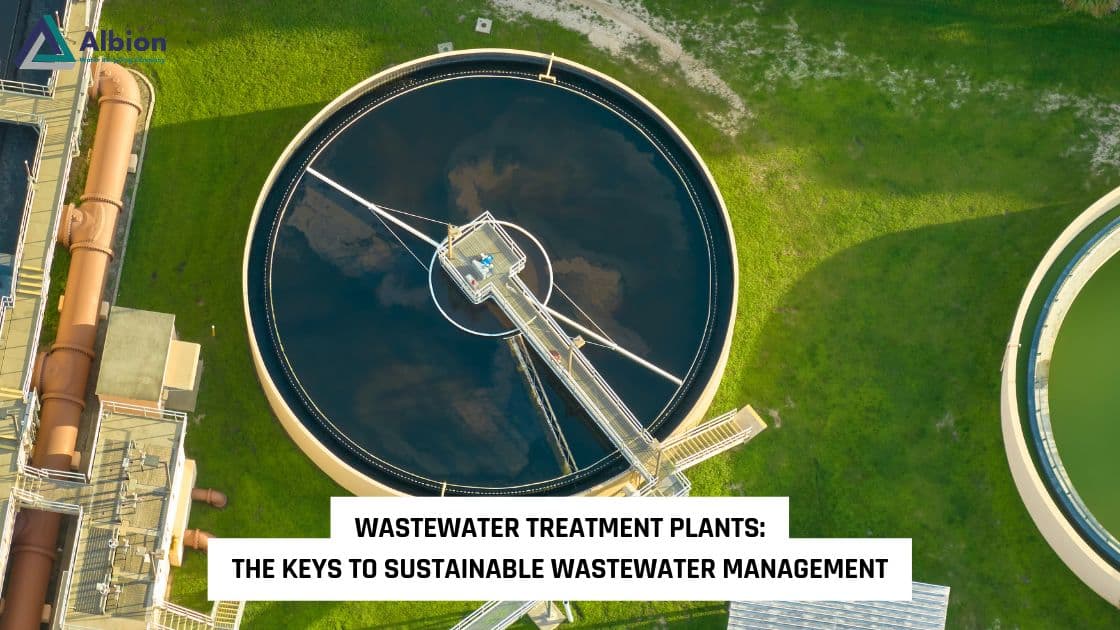
For decades the job of a wastewater treatment plant was simple to state: clean the water to the discharge standard and dispose of the sludge. That is still the first duty, but the better plants being built and upgraded today do more. They use less energy, fit into smaller sites, remove contaminants that older plants let through, and turn what used to be waste into usable water, energy and nutrients. This article looks at how that shift works in practice, and what it means for towns, housing developments and industries planning a plant.
Why plants have to do more than comply
Population growth, urbanisation and new patterns of production and consumption keep raising the volume of wastewater, which is a real challenge for health and the environment. At the same time, fresh water is under pressure, land near cities is expensive, power costs are rising, and receiving waters are more closely watched. Treating wastewater properly protects biodiversity and water resources, and a plant designed for resource recovery also eases the pressure on supply, energy and fertiliser inputs.
Two families of plants
- Domestic plants (STPs) treat wastewater from homes, apartments, hotels, offices and campuses. The load is largely organic and predictable, so biological treatment does most of the work, and the best opportunities lie in energy, reuse and sludge.
- Industrial plants (ETPs) treat process wastewater that can carry heavy metals, solvents, dyes, oils, high salts or toxic compounds. They are designed around the specific effluent, and recovery of water and by-products is often what makes them pay.
Better biology: more treatment from less space
Biological treatment is the heart of the plant, and it largely decides both treatment quality and capacity. Modern designs aim to remove carbon, nitrogen and phosphorus in one integrated train, and to do it in a smaller footprint.
- Densification. Carrier-based processes such as MBBR and AMBBR hold biomass as a biofilm, and membrane bioreactors hold it at high concentration behind a membrane. Both put more treatment into a given tank volume, which suits tight sites and capacity upgrades of existing plants with fewer new structures and, in some cases, fewer chemicals.
- Nutrient removal. SBR, MBR and anoxic-aerobic designs remove nitrogen through nitrification and denitrification, and phosphorus through biological uptake or chemical dosing, which protects water bodies from algal growth.
- Smarter aeration. Aeration is usually the largest energy user. Dissolved oxygen sensors feeding variable-speed blowers let air supply follow the actual load, and energy-efficient motors, good diffuser maintenance and realistic oxygen demand calculations take out waste.
Matching treatment to the receiving environment
Not every discharge needs the same level of polishing. A plant that discharges to a sensitive stream, a bathing area, a fishery or an aquifer recharge zone needs tighter limits than one that sends water to a large river. Filtration removes residual suspended matter, and disinfection by chlorination, ozone or UV makes the water safe for contact uses. Plants in places with intense rain also need to handle overload from storm flows, either with a dedicated treatment line or by designing the main process to take peaks.
Micropollutants: the next frontier
Traces of pharmaceuticals, personal care products, pesticides and other synthetic compounds pass through conventional treatment at least in part. Options for removing them include oxidation with ozone or advanced oxidation, adsorption on activated carbon, membranes, and processes integrated with biology. Results vary by compound, and persistent chemicals such as PFAS remain difficult to treat, so removal should be confirmed on the actual water. Source control, meaning keeping industrial and hospital streams out of the sewer or pre-treating them, remains the most reliable defence.
From waste to resources
The newest idea in the sector is to treat a plant as a place that produces resources, not only one that disposes of waste. Four streams matter.
- Water. With advanced treatment, treated water can be reused for agricultural and urban irrigation, industrial cleaning and cooling, groundwater recharge and, in some contexts after further treatment and under strict rules, even as a source of drinking water. Where the water goes decides how far treatment has to go.
- Energy. Sludge digested anaerobically produces biogas, which can run cogeneration engines for electricity and heat, or be cleaned to biomethane. Recovering heat from engines, treated water and equipment, and installing solar panels on plant roofs and tanks, further reduces purchased power. Whether this suits a plant depends on its size, since anaerobic digestion is generally worthwhile only at larger scales.
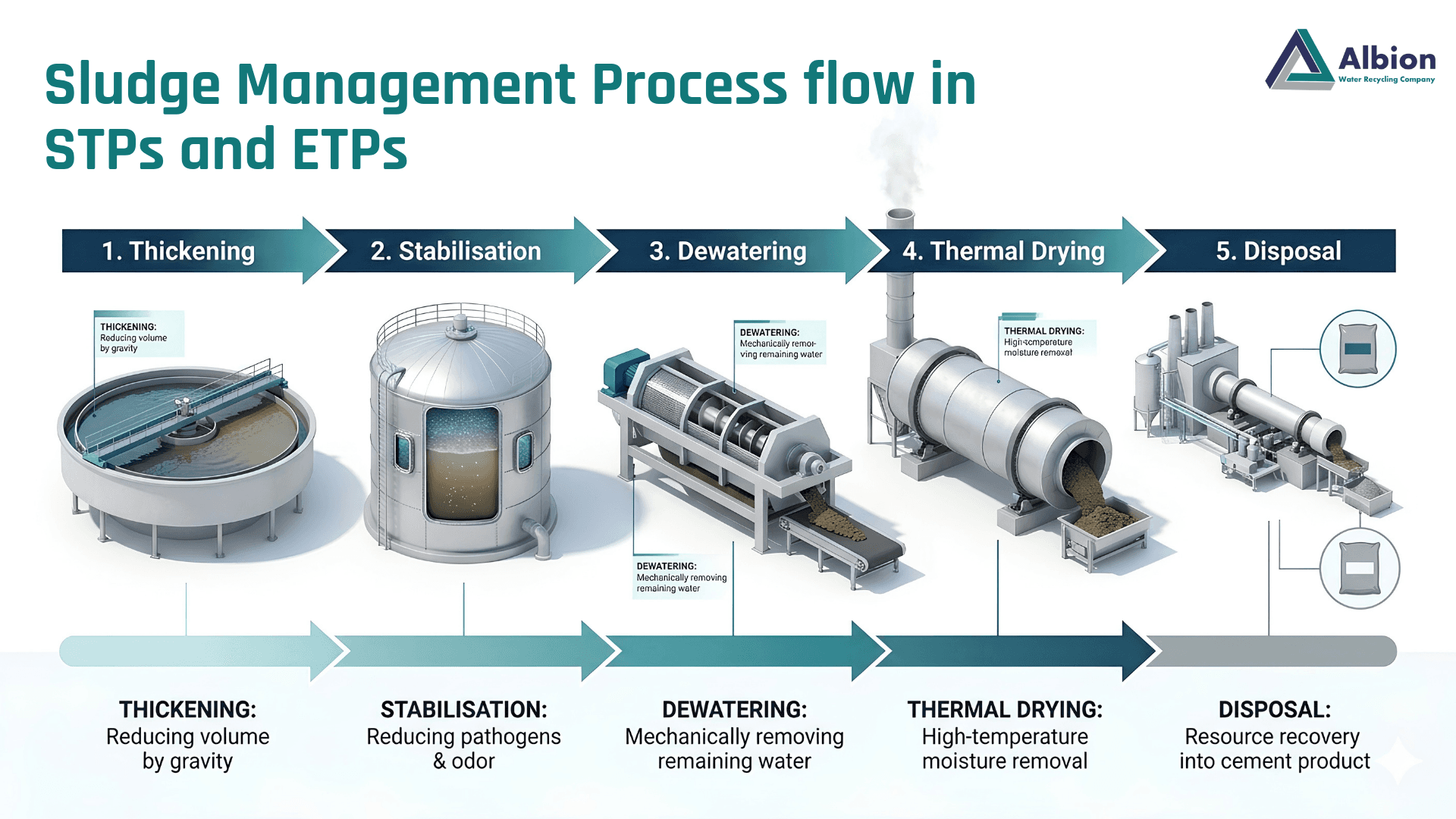
- Nutrients. Phosphorus can be recovered from digested sludge liquors as struvite, a slow-release fertiliser that substitutes for mined phosphate. Stabilised sludge can also return nutrients and organic matter to soil where quality and rules allow, or be co-composted with green waste.
- Carbon and solid fuel. Biogenic carbon dioxide separated when biogas is upgraded can be captured for industrial use, and deeply dewatered and dried sludge can serve as a soil improver or a substitute fuel.
The sludge route has to be matched to what is available locally. A route that depends on a farmer, a composter or a gas network that does not exist is not a route, so the outlets should be confirmed before the plant is designed.
Environmental footprint and neighbours
- Size the plant to the available land and blend it into its surroundings, for example with covered tanks and landscaping.
- Cut greenhouse gas emissions through low-energy design, avoiding methane leaks, and using renewable power.
- Manage odour and air quality with covers and air treatment, both to protect operators and to keep the plant acceptable to nearby residents.
- Use automation and real-time monitoring so that the plant is operated closer to its optimum and problems are caught early.
What this means for projects in India
Many of these ideas scale down well. A residential township or a hotel will not run a digester, but it can use compact biology, efficient aeration, automation, and reuse of treated water for flushing, landscaping and cooling. A municipal plant or a large industrial site has a stronger case for sludge digestion, energy recovery and nutrient recovery. Industries facing zero liquid discharge can treat water recovery as the main objective. Discharge and reuse standards are set by the Central Pollution Control Board and State Pollution Control Boards and differ by sector and location, so the applicable conditions should be confirmed for each project.
Questions to ask when planning a new or upgraded plant
- What is the measured flow and load, and how much do they vary?
- What is the plot area, and could a denser process reduce civil work?
- Where will the treated water go, and what quality does each use need?
- Is the sludge large enough to justify digestion, or is dewatering and a local outlet the better route?
- What will energy, chemicals and sludge cost over ten years, not only at purchase?
- Who will operate it, and what automation and support are needed?
How Albion Ecotech approaches it
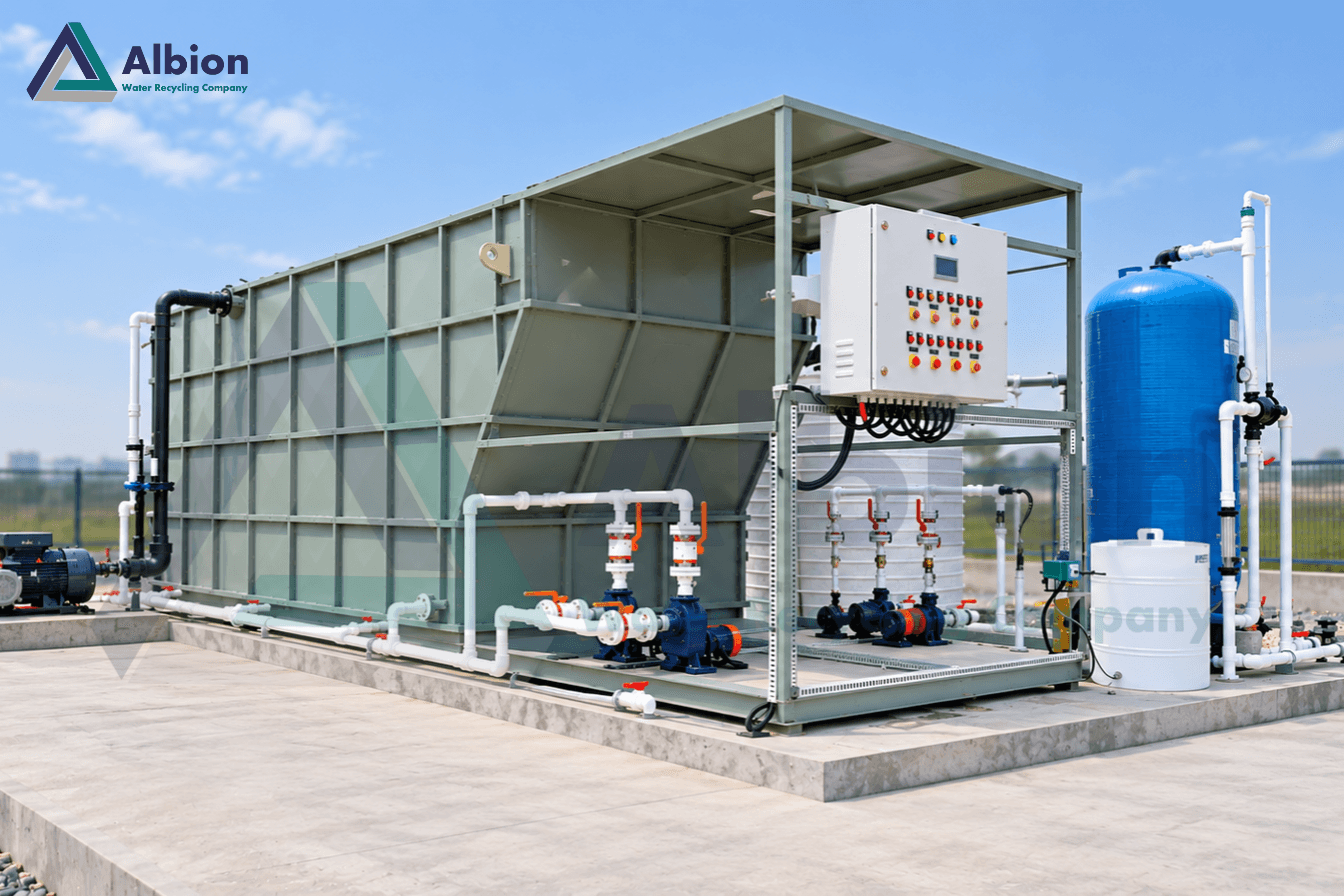
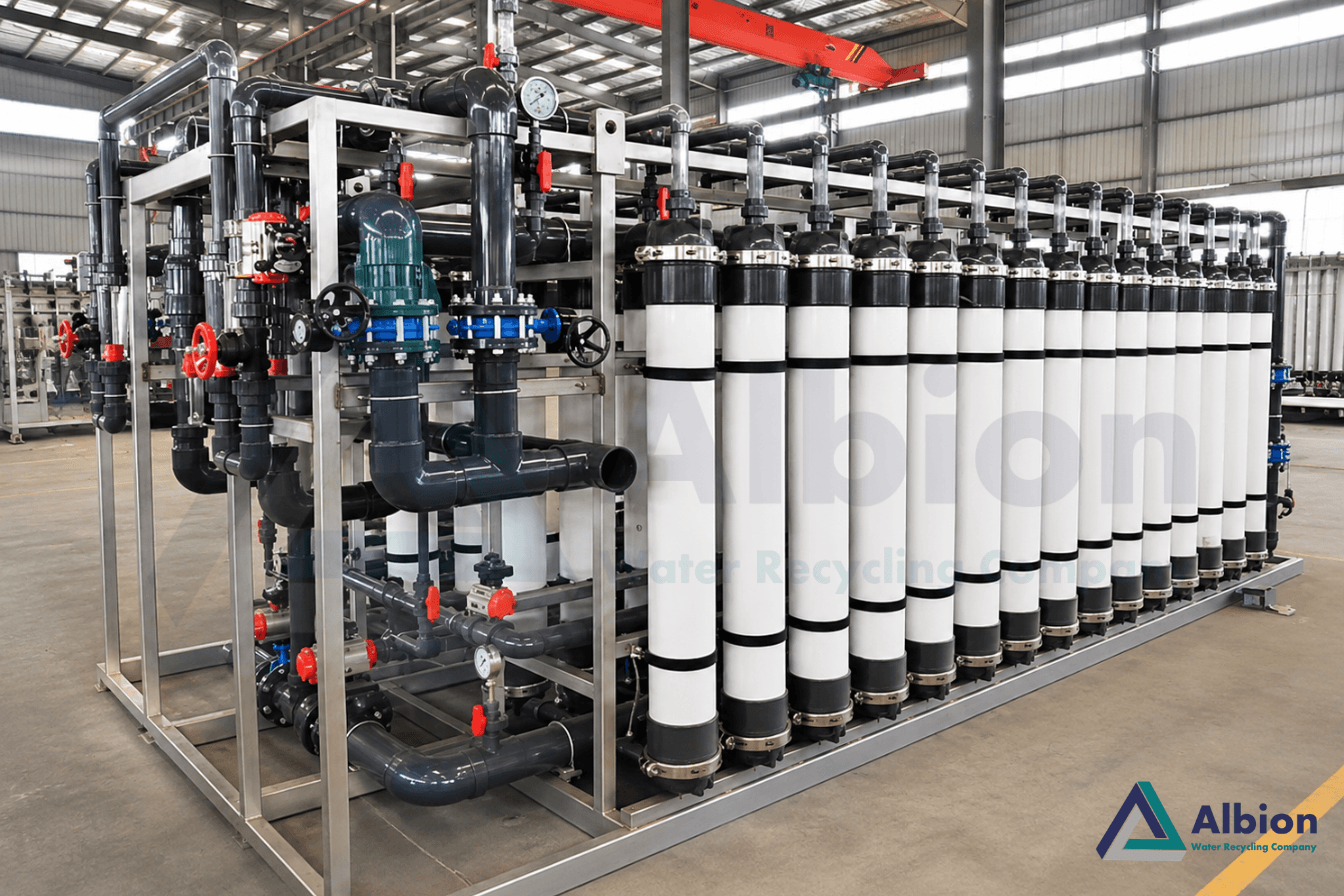
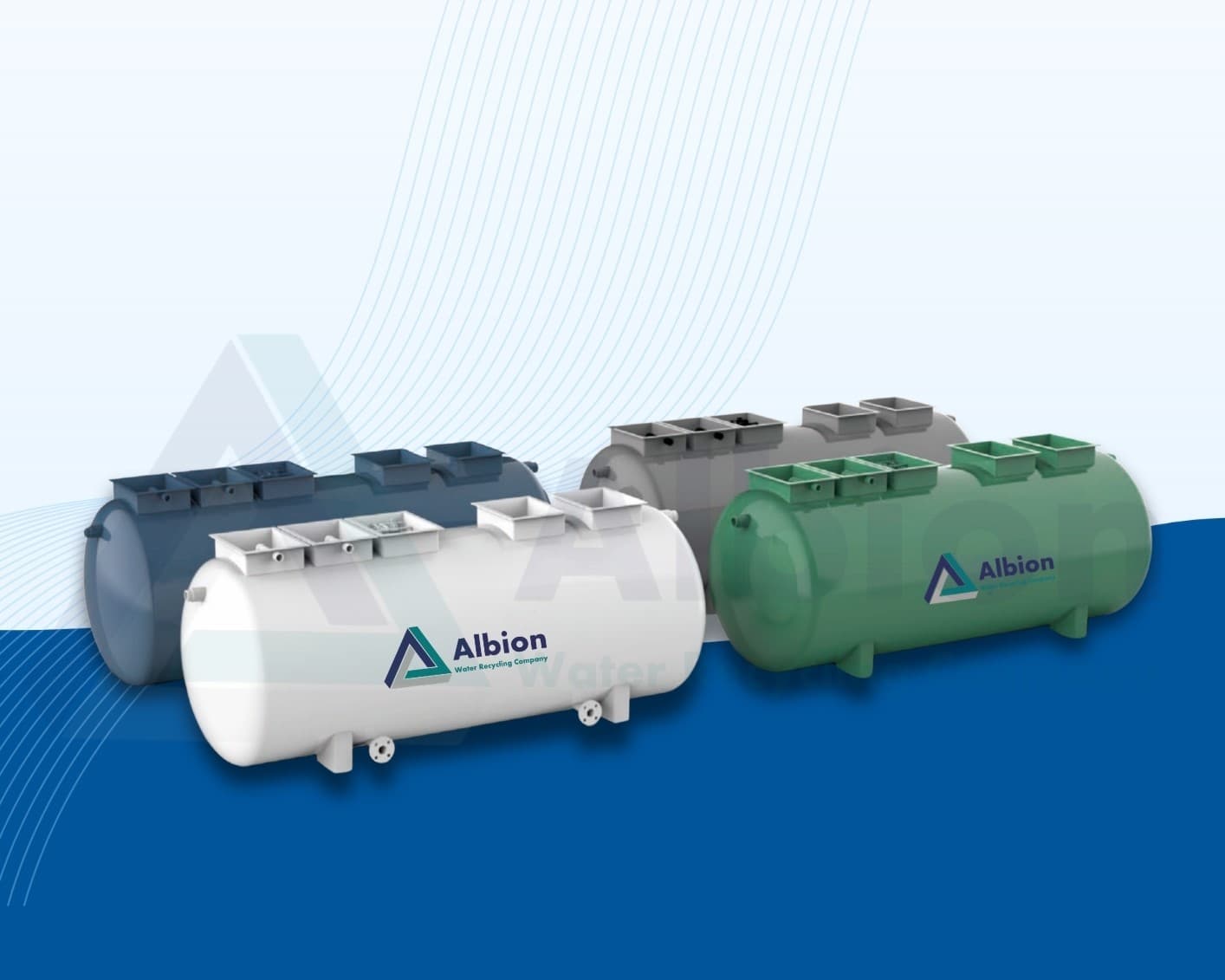
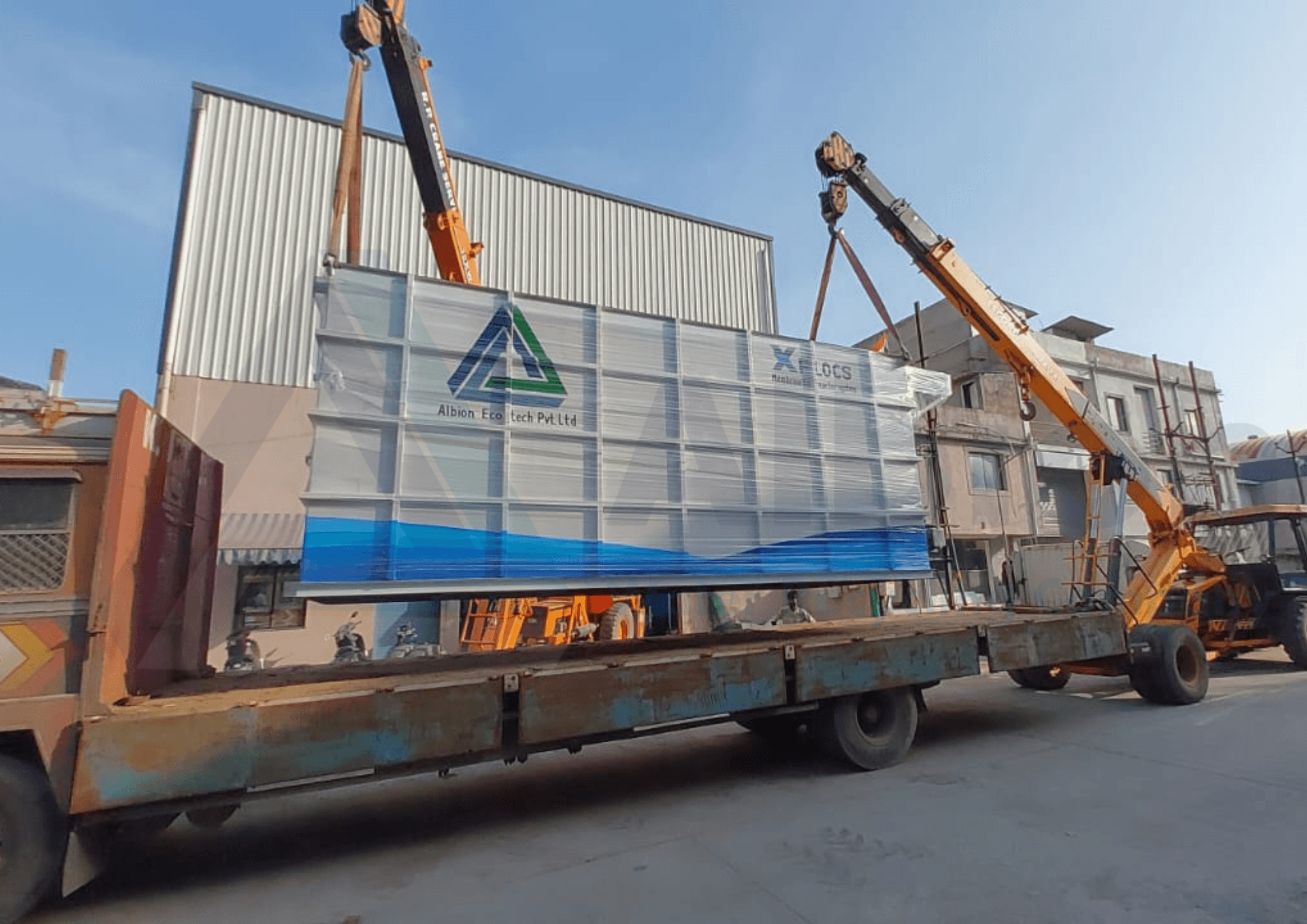
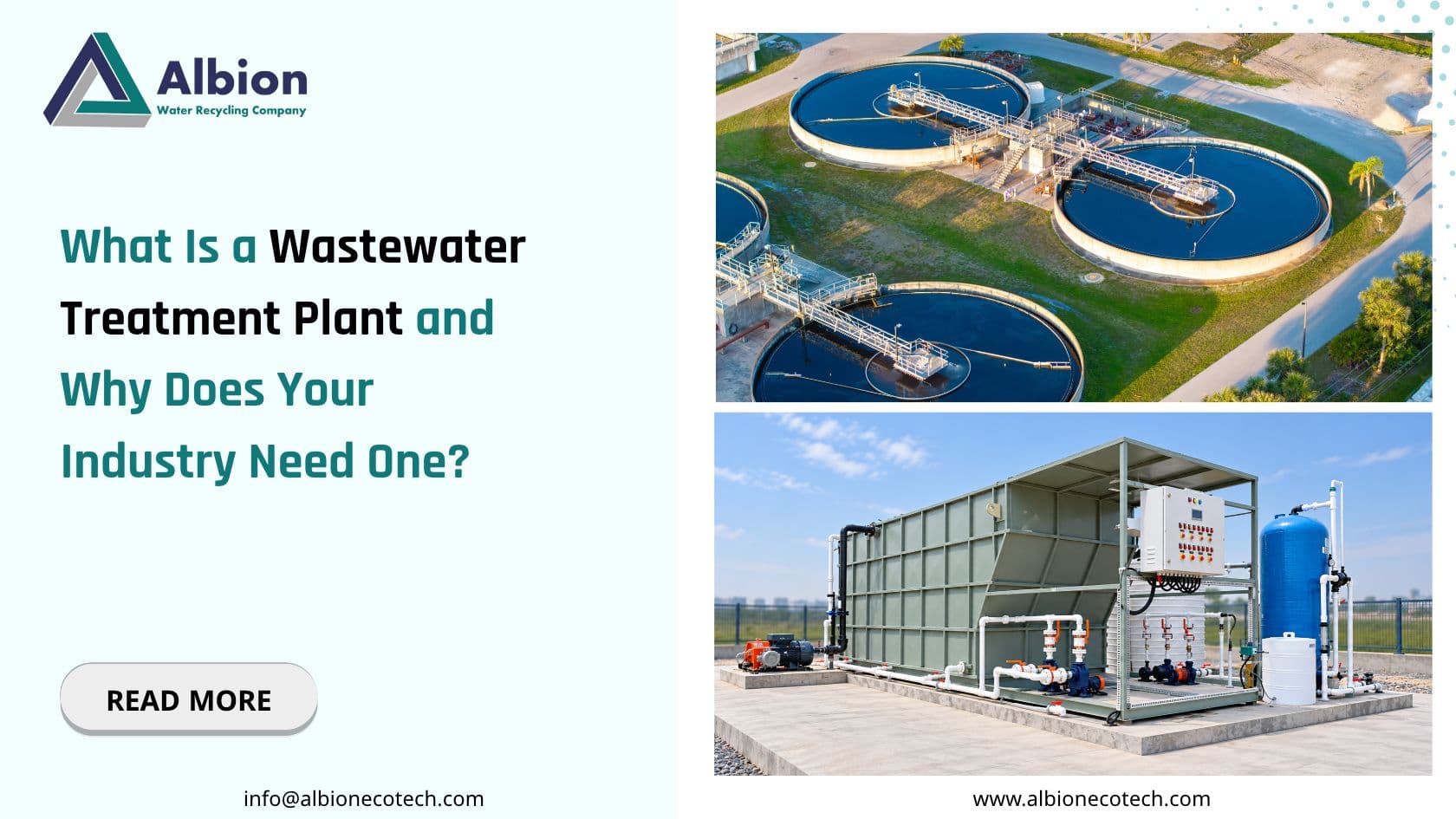
Albion Ecotech designs and executes STPs and ETPs around each site's measured flow, load and reuse or discharge target. Depending on the project, the biological stage may be SBR, MBBR or AMBBR, or MBR, followed by UF, RO and ZLD where reuse or regulation calls for it. Energy-efficient aeration and pumping, sludge management, PLC-based automation and post-commissioning support are part of the scope, and plants can be supplied in packaged or civil formats to suit the site and timeline.
Frequently Asked Questions
How does a conventional wastewater treatment plant work?
Pre-treatment removes debris and grit, primary treatment settles solids and fats, secondary biological treatment removes most organic matter and, if designed for it, nutrients, and tertiary steps and disinfection polish the water. Sludge is treated and disposed of or reused.
Where does treated water from a plant go?
Usually back to a river, lake or the sea. With advanced treatment it can also be reused for irrigation, industrial processes, groundwater recharge and non-potable urban uses.
Can a wastewater plant produce energy?
Larger plants can digest sludge to make biogas for electricity and heat, and recover heat from engines and treated water. Smaller plants usually cut energy use through efficient aeration and compact processes instead.
Can phosphorus be recovered from wastewater?
Yes. In larger plants it can be recovered as struvite, a slow-release fertiliser, and stabilised sludge can return nutrients to soil where quality and rules allow.
How are micropollutants removed?
With ozone or advanced oxidation, activated carbon adsorption, membranes or processes integrated with biology. Results depend on the compound, so removal should be verified on the actual water, and controlling sources is the most reliable approach.
How can a plant do more with less land?
Densified biology such as MBBR, AMBBR and MBR puts more treatment into less tank volume, and can often raise the capacity of an existing plant without major new civil work.