India's Reservoirs Drop to 63% of Capacity in a Week: Why Wastewater Treatment and Reuse Can't Wait
India's 178 major reservoirs lost 5.07 billion cubic metres (BCM) of water in a single week, leaving them at 63.25 percent of their total usable storage capacity, according to the national water commission's weekly report released on 12 November 2026. The reservoirs held 116.854 BCM on that date, down from 121.926 BCM on 5 November, when they were about 66 percent full. The figures point to a tightening water situation in large parts of the country, and they make a strong case for treating and reusing wastewater.
The national picture
- Total usable capacity of the 178 reservoirs is 184.762 BCM.
- Current storage is 29.65 percent lower than the 166.101 BCM recorded at the same time last year, a gap of 49.247 BCM.
- It is also 19.86 percent below the normal level of 145.811 BCM, a shortfall of 28.957 BCM.
Southern India is hit hardest
The 50 major reservoirs in the south hold 22.206 BCM against a usable capacity of 55.879 BCM. That is 39.74 percent of capacity, compared with 49.440 BCM at the same time last year and a normal level of 41.814 BCM, which puts current storage about 47 percent below normal.
- Andhra Pradesh: seven reservoirs at 27.54 percent of capacity, holding 3.432 BCM.
- Telangana: eight reservoirs at 33.49 percent, holding 3.269 BCM.
- Tamil Nadu: nine reservoirs at 36.28 percent, holding 1.720 BCM.
- Karnataka: 19 reservoirs at 44.89 percent, holding 11.228 BCM.
- Kerala is better placed, with seven reservoirs at 65.55 percent, holding 2.557 BCM.
The north is nearly 25 percent below normal
The 11 major reservoirs across Himachal Pradesh, Punjab and Rajasthan hold 10.948 BCM, or 55.19 percent of their combined 19.836 BCM capacity. That is 24.82 percent below the normal level of 14.562 BCM. Himachal Pradesh's three reservoirs are at 55.48 percent and Punjab's single reservoir is at 44.37 percent, 27.12 percent below normal, while Rajasthan's seven reservoirs hold 2.987 BCM against a usual 4.325 BCM, or 59.54 percent of capacity. All three states are below both normal levels and last year's storage.
Drought declarations in the west
- Maharashtra: 38 major reservoirs hold 14.589 BCM, or 71.63 percent of capacity, which is 19.26 percent below the normal 18.069 BCM and well under the 19.814 BCM of last year. The state declared 305 talukas across 33 districts drought-hit on 14 October 2026.
- Gujarat: 19 reservoirs hold 13.437 BCM, or 74.60 percent of capacity, against 17.282 BCM last year and 6.82 percent below normal. Four districts, Devbhoomi Dwarka, Porbandar, Jamnagar and Kutch, are declared drought-hit, and the state has declared 80 tehsils across 14 districts drought-affected, of which 69 are classed as severely affected and 11 as moderately affected.
- Rajasthan: also among the states that have declared several districts and administrative areas drought-affected.
A mixed picture in the east
Eastern India's 31 major reservoirs hold 16.399 BCM, or 75.04 percent of their 21.853 BCM capacity, which is 2.43 percent below normal. The average hides wide differences. Reservoirs in Assam are at 36.58 percent, Bihar at 46.87 percent, Meghalaya at 48.59 percent and West Bengal at 47.14 percent, all below half full, while Jharkhand (71.97 percent), Odisha (81.60 percent) and Tripura (84.29 percent) are better placed. Mizoram stands at 52.80 percent and Nagaland at 59.07 percent.
Why this makes wastewater treatment essential
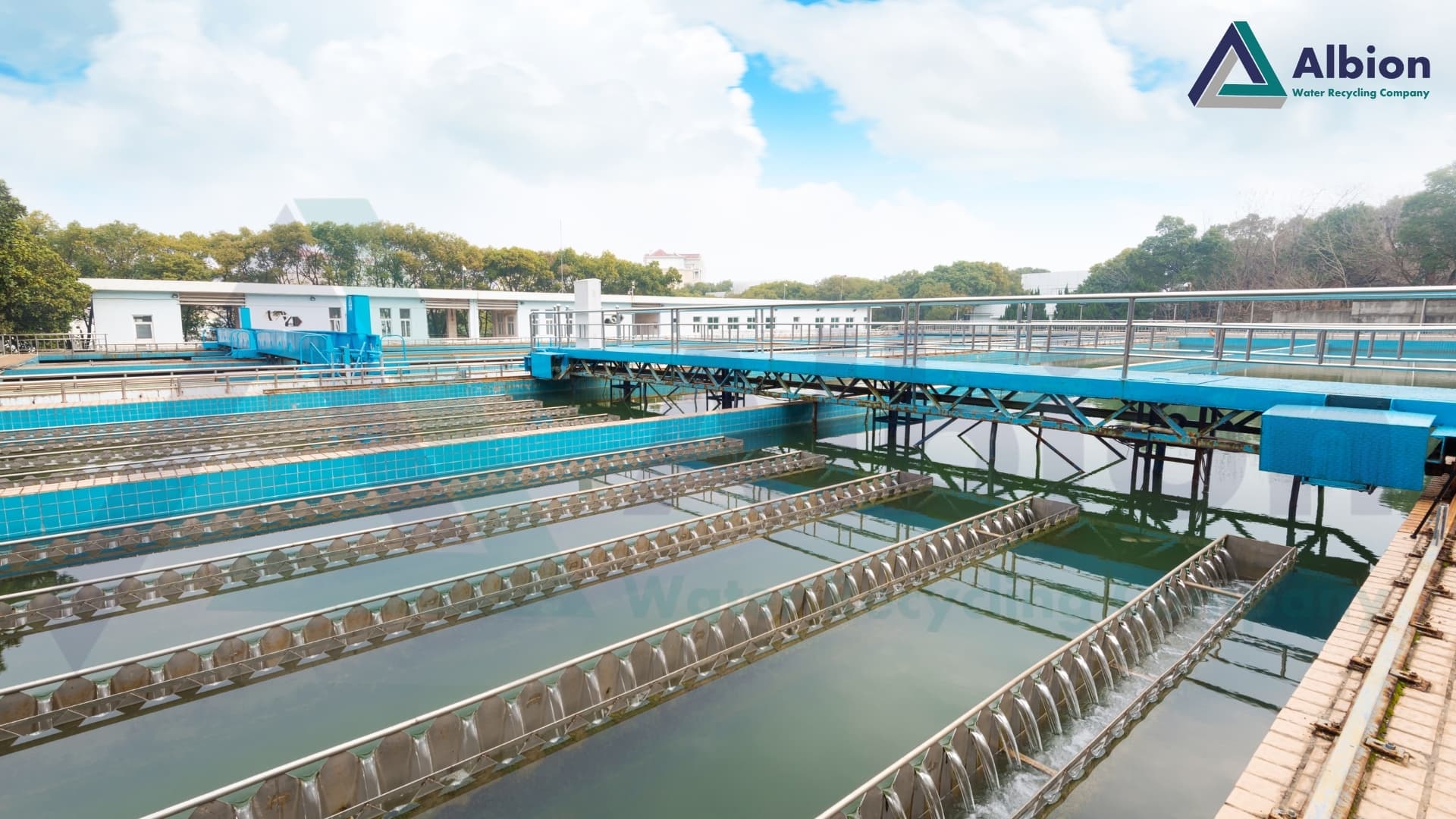
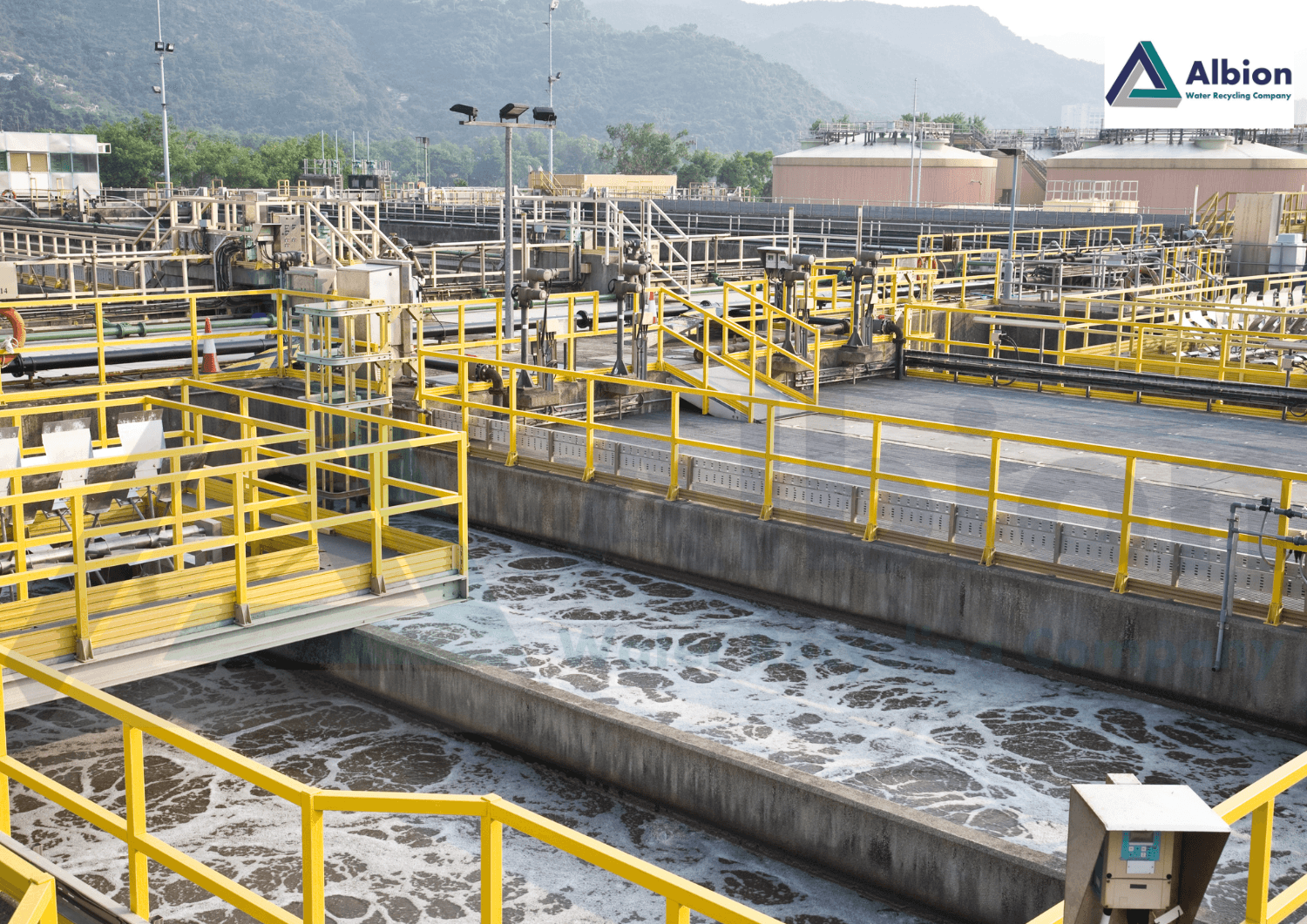
Reservoirs supply drinking water, irrigation and industry, and when they run low, all three compete for what is left. Rainfall cannot be controlled, and new storage takes years and large areas of land. What a city, township or factory does control is the water it has already used. Most of the water that enters a household or a factory leaves it as wastewater, every day, in proportion to how much was supplied. Treated safely, that stream is a dependable second source. Left untreated, it pollutes the same rivers and aquifers that remaining supplies depend on, which makes a scarce resource scarcer still.
That is why wastewater treatment plants are needed for a safe and sustainable water future, and why drought-hit and low-storage regions are where they matter most:
- They free up reservoir water for drinking. Flushing, landscaping, construction, cooling and many industrial uses do not need drinking-quality water. Supplying them from treated wastewater leaves more reservoir and groundwater supply for people.
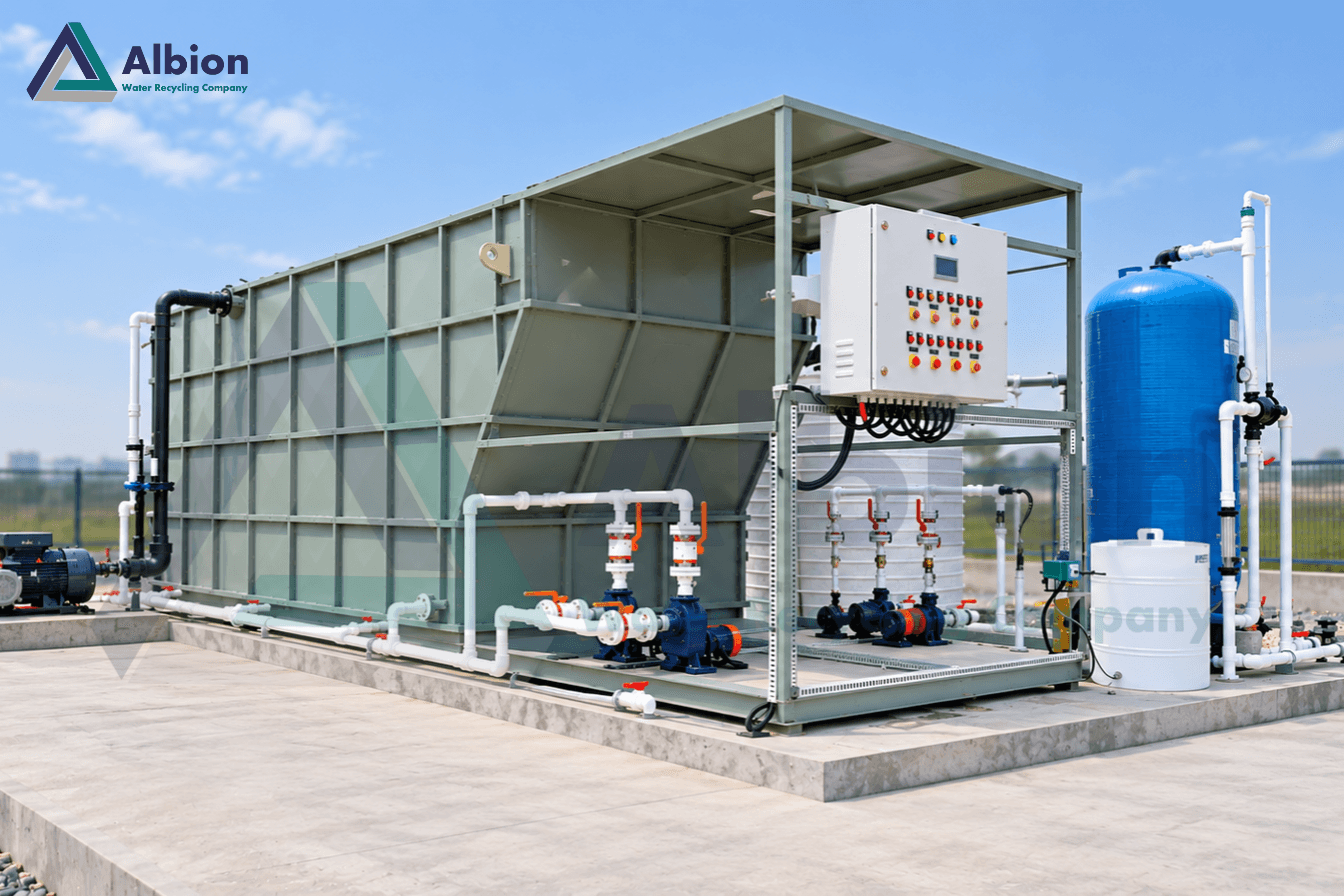
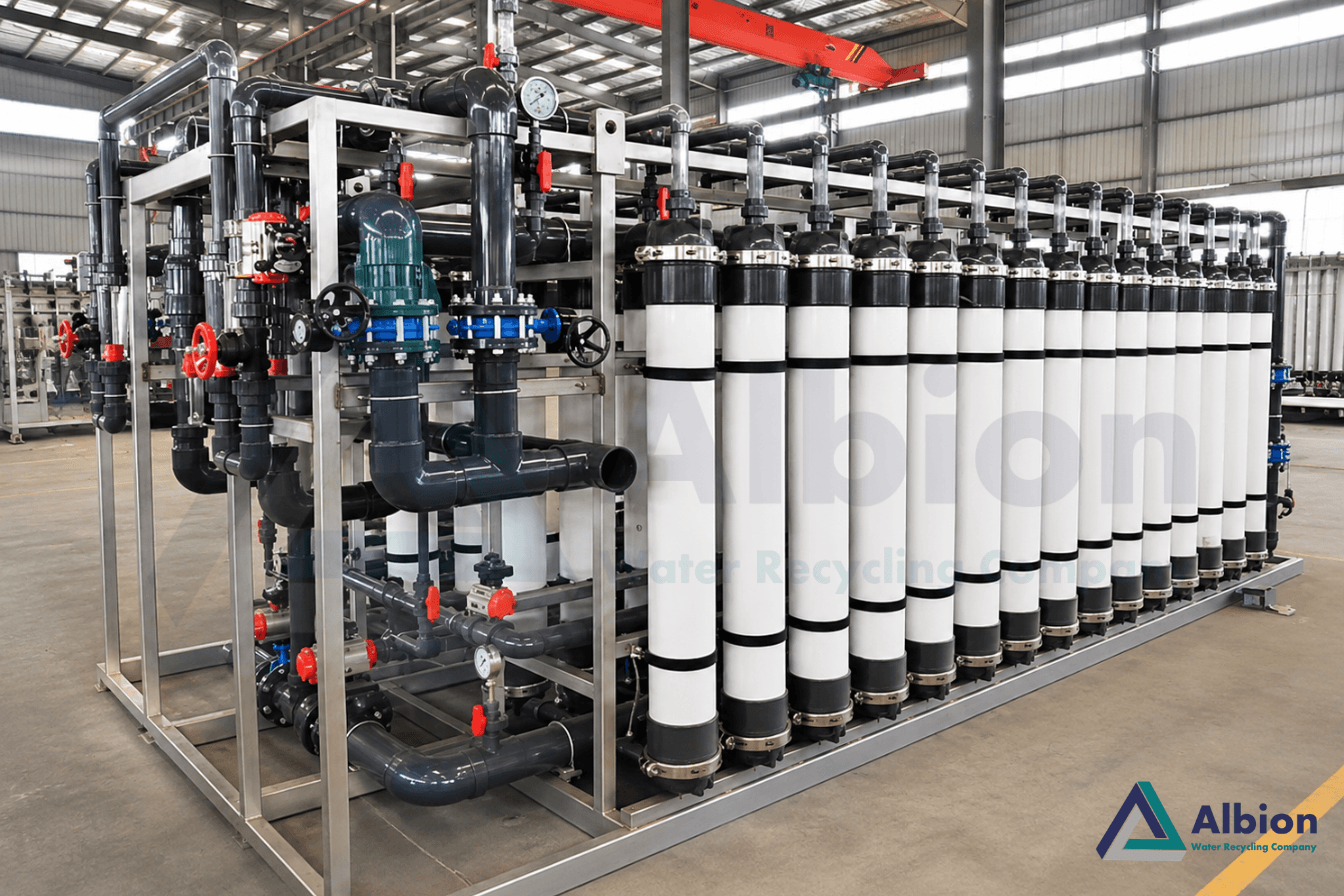
- They give industry a way to keep running. In districts under drought declarations, factories that depend on tanker or reservoir water face restrictions and rising costs. An ETP with UF and RO, and ZLD where required, lets a plant recover and reuse most of its process water.
- They protect the water that is left. When storage is low, there is less water to dilute pollution. Treating sewage and effluent before discharge prevents contamination of rivers, tanks and aquifers at the point when quality matters most.
- They work in a dry year. Wastewater is produced whenever a building or plant is in use, regardless of rainfall, so reuse supply holds up when rivers and reservoirs do not.
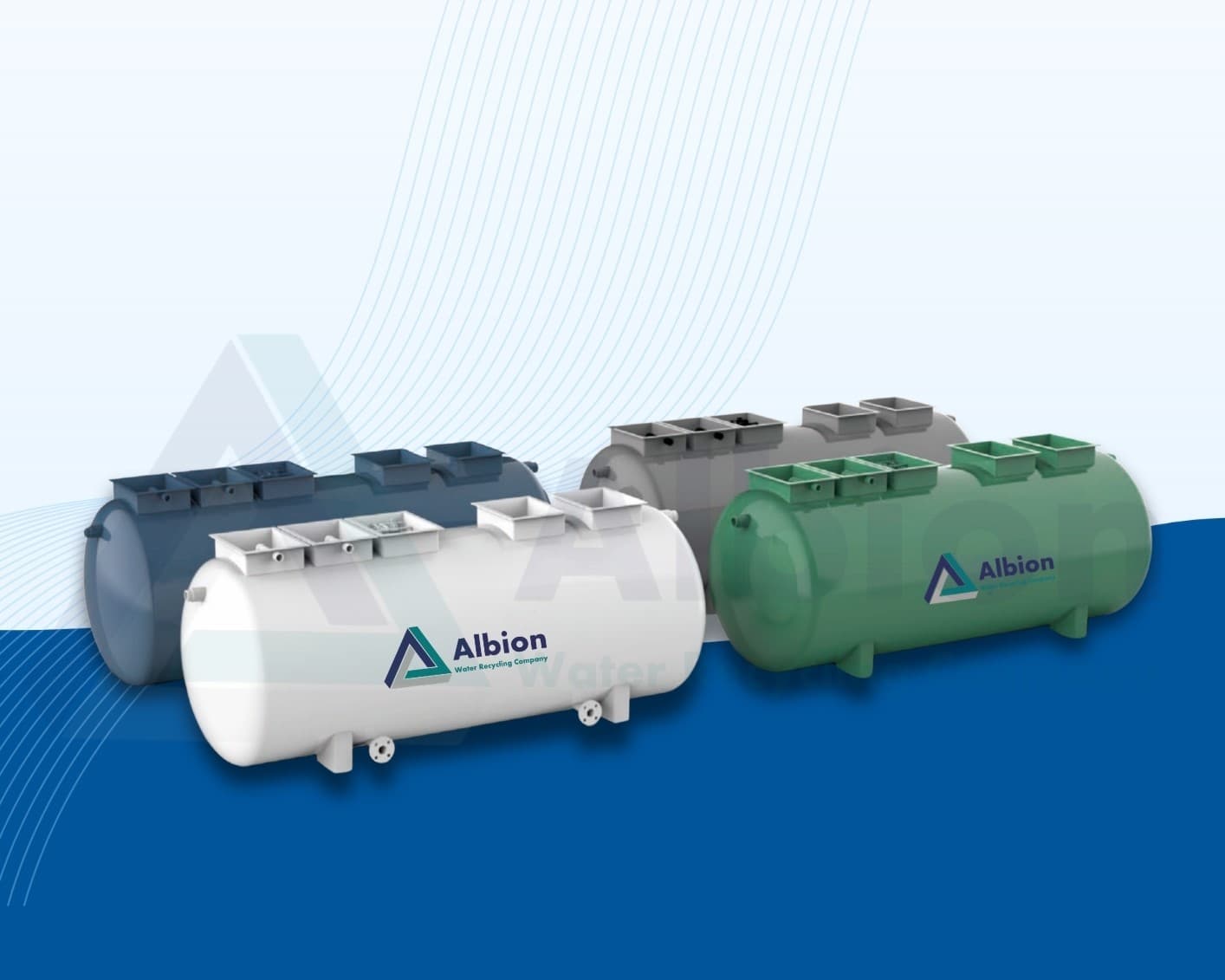
- They can be built quickly and at any scale. Packaged plants go in within months, close to where water is used, and range from small units for a single building to plants for townships and clusters.
What to do in water-stressed regions
- Start with a water balance: how much is used, for what, and what quality each use needs.
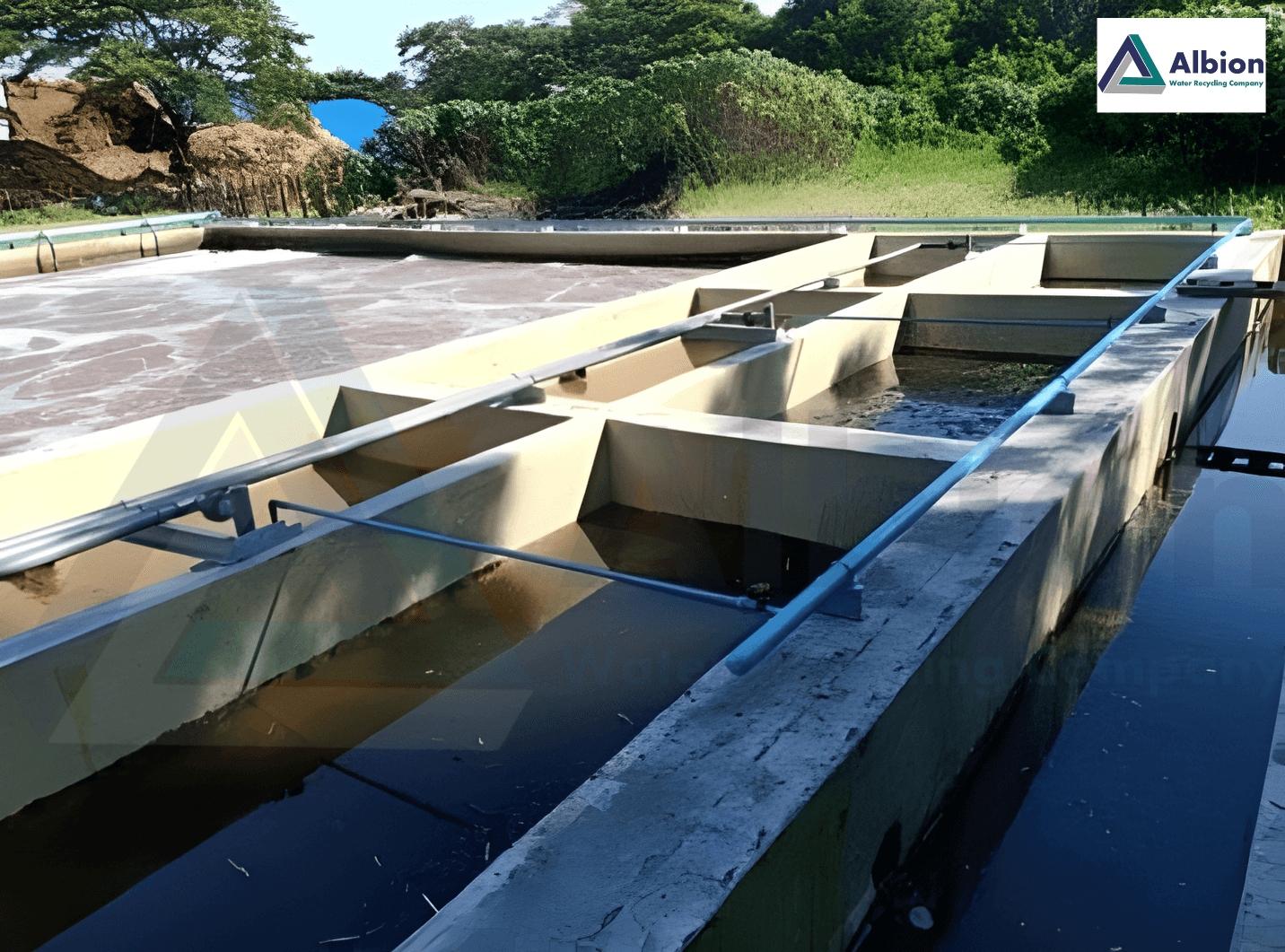
- Build or upgrade an STP or ETP with a process suited to the site, such as SBR, MBBR or AMBBR for variable loads and tight plots, or MBR for reuse-grade water.
- Match treated water to uses, and install separate storage and distribution for it.
- Add UF, RO or ZLD for industrial and higher-grade reuse, where discharge is restricted or water is scarce.
- Plan sludge handling and energy use from the start, and use automation to keep performance steady.
- Confirm discharge and reuse standards with the State Pollution Control Board for each use.
Albion Ecotech designs and executes STPs and ETPs using SBR, MBBR and AMBBR, and MBR processes, with UF, RO and ZLD options for water reuse and recovery, sludge management, energy-efficient equipment and PLC-based automation, in packaged and civil formats.
Frequently Asked Questions
How full are India's major reservoirs?
As of 12 November 2026, the 178 major reservoirs held 116.854 BCM, or 63.25 percent of their usable capacity, which is 29.65 percent lower than a year earlier and 19.86 percent below normal.
Which region has the lowest reservoir storage?
Southern India, where 50 major reservoirs hold 39.74 percent of capacity, about 47 percent below normal. Andhra Pradesh, Telangana and Tamil Nadu are all below 40 percent.
How can treated wastewater help during low reservoir storage?
It can supply non-drinking uses such as flushing, landscaping, cooling, washing and industrial processes, leaving more reservoir and groundwater supply for drinking. It also keeps untreated sewage from polluting scarce water.
Can industries in drought-hit districts reuse their wastewater?
Yes. An ETP with UF and RO can recover water for cooling, boiler feed, washing and, after trials, some process uses, and ZLD can recover most of the remaining water where discharge is restricted. Quality required for each use should be confirmed.
How quickly can a wastewater treatment plant be installed?
Packaged plants can often be installed within months because they are built off site and need limited civil work. Larger civil plants take longer, depending on capacity, approvals and site conditions.