Why the Textile & Dyeing Industry Needs an ETP Wastewater Treatment Plant

A dyeing unit can look clean from the shop floor and still send out a drain that is deeply coloured, salty and chemically loaded. Textile wet processing uses a lot of water, and nearly all of it leaves as effluent carrying dyes, salts, alkali, surfactants and organic matter from the fibre and its finishing chemicals. Discharged untreated, that effluent harms rivers, soil and groundwater, and it puts the unit's consent to operate at risk. An effluent treatment plant (ETP) is what turns it into water that can be discharged to the permitted standard or recovered for reuse. This article explains why the sector needs one and what drives its design.
Where textile effluent comes from
- Desizing: removes starch and synthetic sizing agents from woven fabric, giving a high organic load.
- Scouring and bleaching: strongly alkaline wastewater with waxes, surfactants and oxidising chemicals.
- Dyeing: the main source of colour, and of salt in reactive dyeing, where large quantities of salt are added to the dye bath to push dye onto the fibre. Dye that does not fix washes out in the rinses.
- Printing and finishing: thickeners, binders, resins and, depending on the process, metal-containing pigments or auxiliaries.
- Utilities: boiler and cooling blowdown, and softener and RO reject, which add volume and dissolved solids.
The combined stream is hot, high in pH, coloured, high in COD and high in total dissolved solids, and its character changes with every batch, shade and fabric. Colour from dyes designed to resist fading is hard to remove, and the salt does not break down at all.
Why an ETP is not optional
Environmental damage. Colour cuts light penetration, which hurts aquatic plants and the oxygen they produce. Organic load consumes dissolved oxygen. Some dye breakdown products and auxiliaries are toxic to aquatic life. Salt and alkali raise the salinity of soil and groundwater where effluent is used for irrigation or seeps from unlined storage, which can damage farmland for years.
Regulatory consent and ZLD mandates. Textile dyeing and processing is a regulated category in India, and units operate under consent from the State Pollution Control Board with discharge conditions on pH, colour, BOD, COD, suspended solids, TDS and other parameters, depending on the mode of disposal. Several textile clusters operate under zero liquid discharge requirements because their effluent is too saline for local water bodies. Standards and mandates differ by state and cluster, so they should be confirmed with the Board before a plant is designed.
Continuity of production. Non-compliance can bring notices, penalties and directions to stop production or cut utilities. A unit that cannot show a working ETP can lose orders and months of output.
Water scarcity and cost. Wet processing is one of the more water-intensive manufacturing activities, and many textile clusters sit in areas where groundwater is falling or tanker water is expensive. Recovering a large share of the effluent as reusable water directly cuts intake cost and supply risk.
Buyer and brand requirements. International brands and retailers increasingly audit suppliers' wastewater and chemical management, and ask for test reports and records. A well-run ETP is part of qualifying for export orders.
Common treatment is not always an option. Small units can sometimes send effluent to a common effluent treatment plant (CETP), but the CETP only works if members pre-treat to its inlet norms, and its capacity and salinity limits still apply. Many units therefore need their own pre-treatment or a full ETP of their own.
What a textile ETP typically includes
- Screening and equalisation. Lint and fibre screens, followed by a mixed balancing tank, so batch swings in pH, colour and load do not hit the next stages. Heat is usually reduced here as well.
- Physico-chemical treatment. pH correction, coagulation and flocculation to settle suspended solids and a part of the colour. Some dye classes respond to this much better than others.
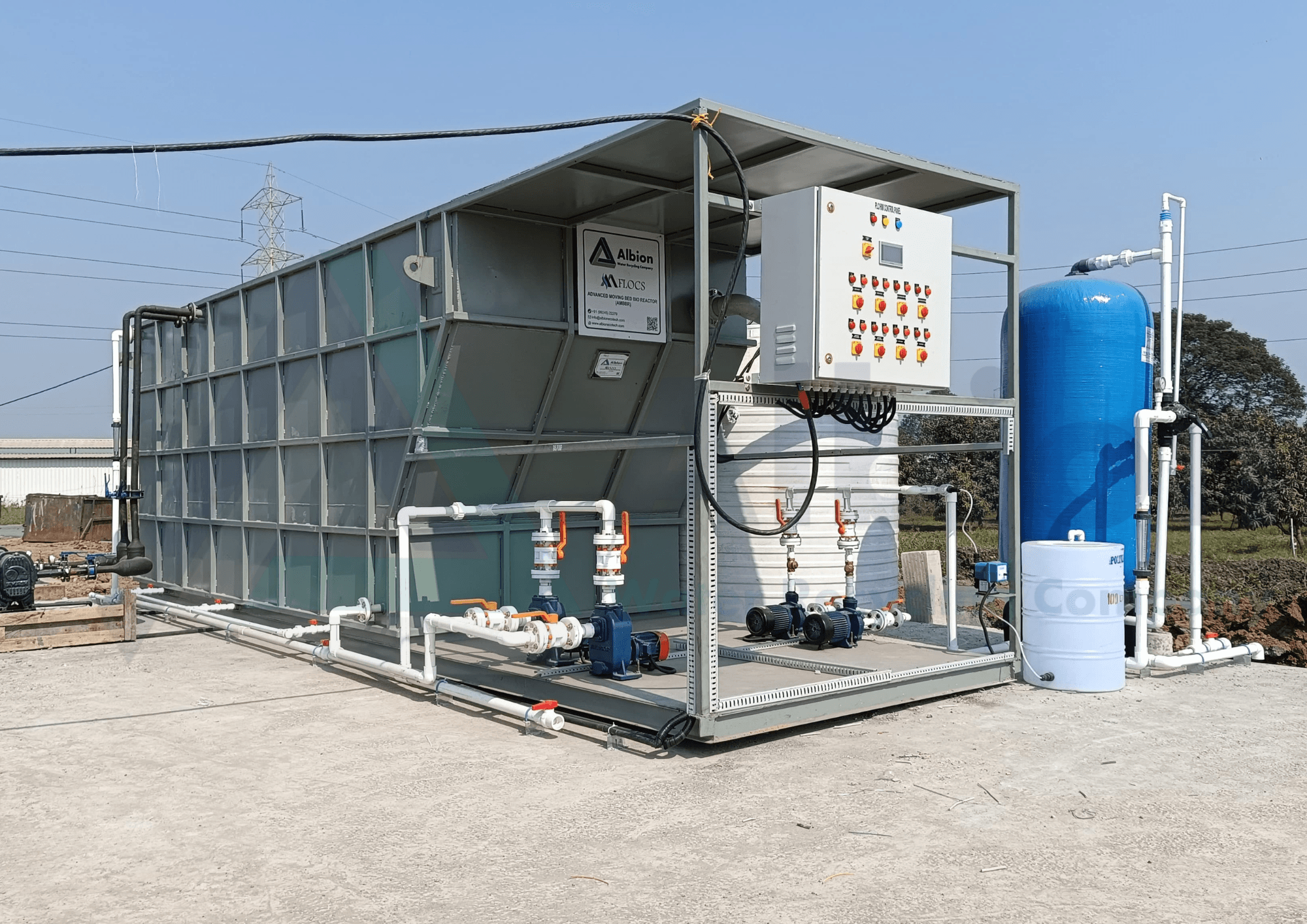
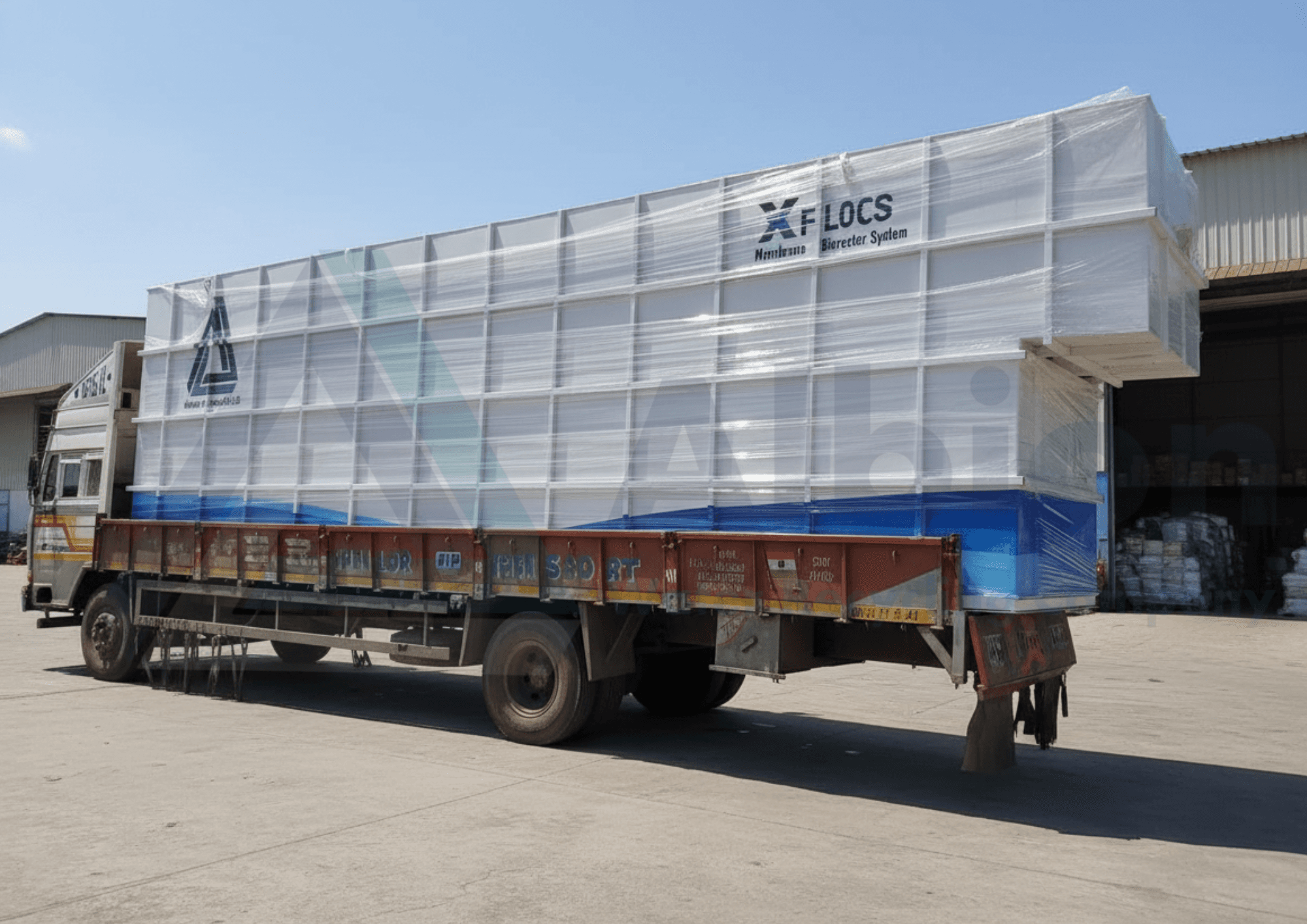
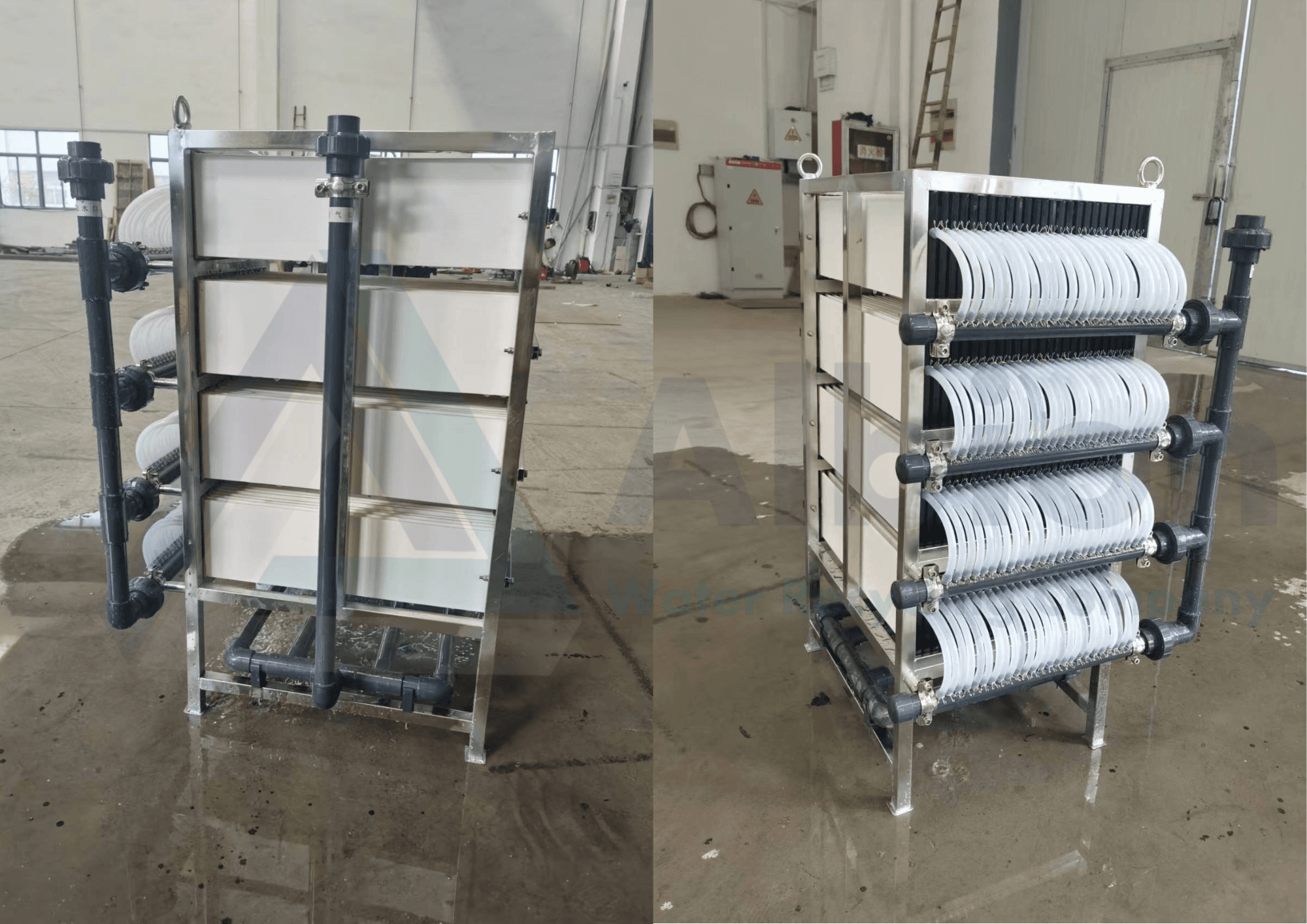
- Biological treatment. Removes biodegradable COD and BOD. AMBBR and MBBR cope well with variable load and tight plots, SBR follows batch patterns, and MBR gives a compact system and a clean feed for downstream membranes.
- Colour polishing. Further coagulation, activated carbon, or advanced oxidation such as ozone or Fenton treatment, chosen by bench trial on the actual dye mix rather than assumed.
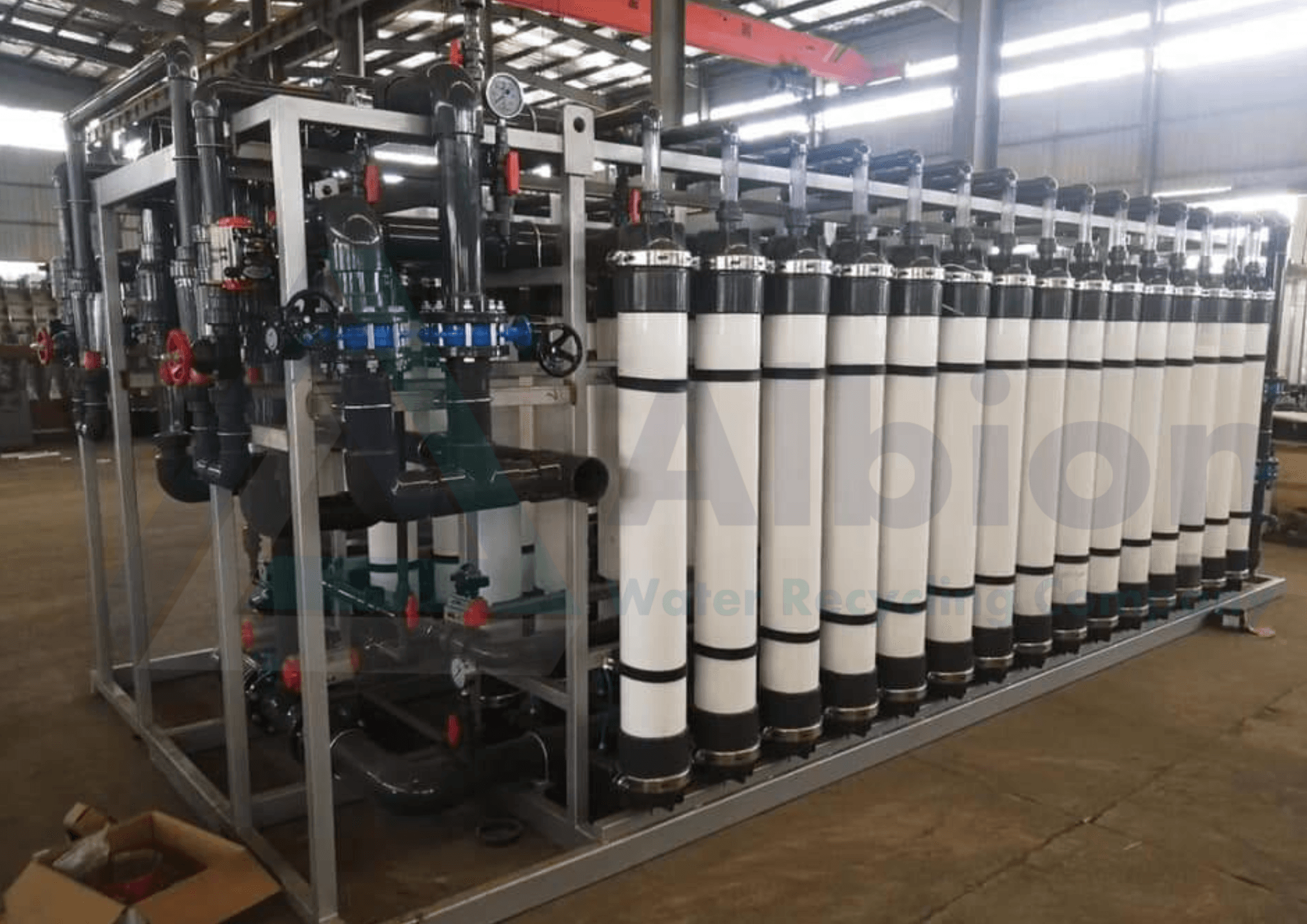
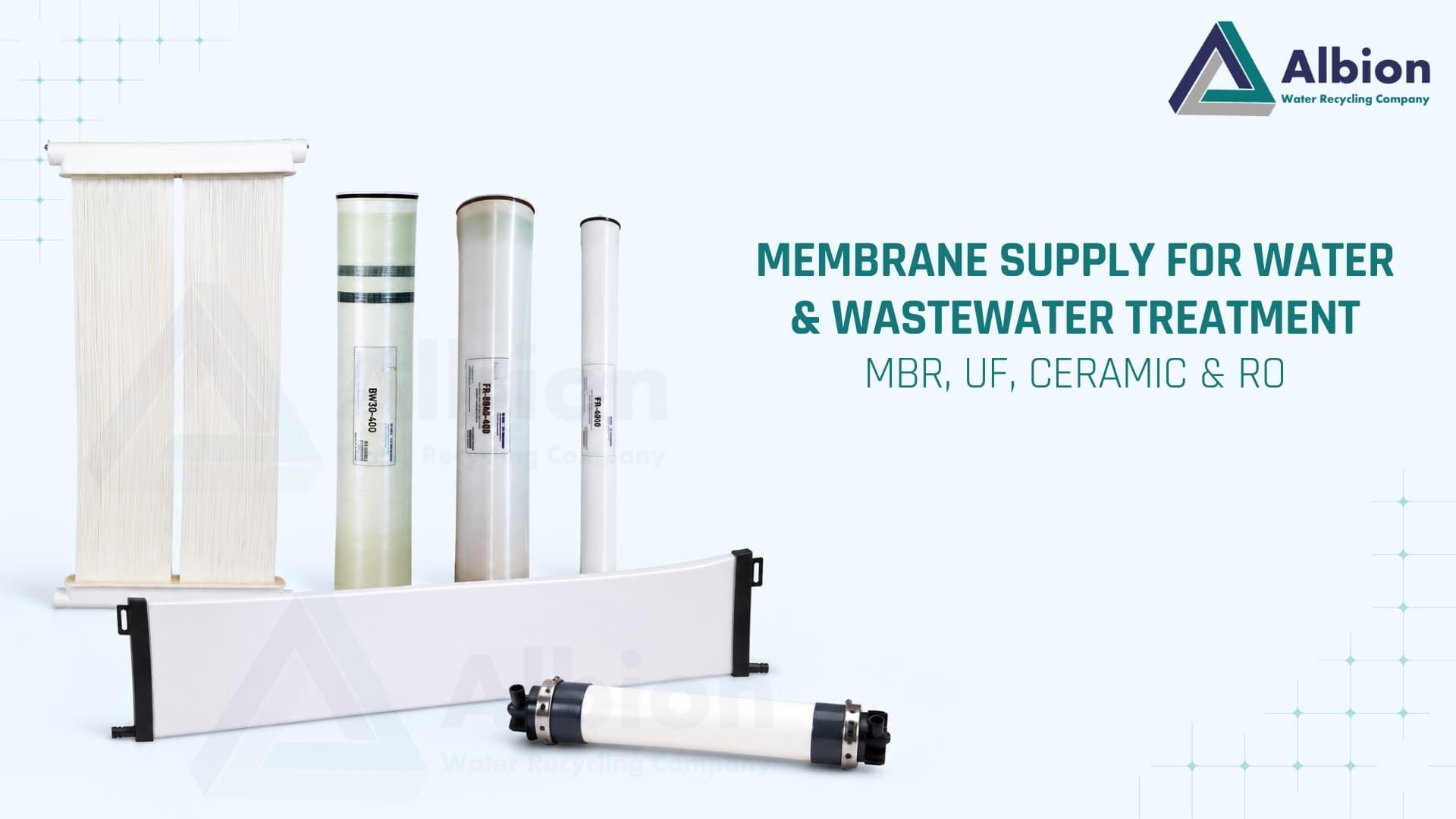
- UF and RO. UF protects the RO membranes and polishes the water. RO removes dissolved salts and leftover colour, giving low-TDS permeate and a concentrated reject.
- Reject management and ZLD. RO reject is concentrated further and evaporated or crystallised so that water is recovered and only a solid residue remains. This is the most energy-intensive stage and the residue needs an approved disposal route.
- Sludge handling. Chemical and biological sludge are thickened and dewatered, and may fall under hazardous waste rules depending on composition, so the route should be confirmed with the authorities.
Reuse inside a dyeing unit
RO permeate is soft and low in salts, which suits many processing steps, and reuse in wet processing is where textile units gain the most from an ETP. Hardness, residual colour and chlorides all matter to shade consistency, so the reuse quality should be agreed with the dye house and checked on trials before water is routed into critical steps. Lower-grade uses such as washing, cooling make-up and landscaping are easier starting points. Recovering part of the salt from the evaporation stage for reuse in dyeing is possible in some systems, but its purity depends on the effluent, so it should be assessed case by case.
Reduce the load at the source
- Choose dyes and processes with higher fixation, so less dye reaches the drain and fewer rinses are needed.
- Reuse dye baths and rinse water where the shade requirements allow, and arrange rinses counter-current.
- Keep high-salinity dyeing streams separate from lighter wash water, so only the smaller high-TDS volume goes to the costly stages.
- Recover heat from hot effluent before it reaches the ETP.
- Meter water by process so unusually high users can be found and fixed.
Common mistakes
- Sizing the plant from one sample when effluent changes with every batch and shade.
- Undersizing equalisation, which then upsets every stage after it.
- Choosing a colour removal method without testing it on the unit's own dyes.
- Planning RO and evaporation on assumed recovery, without a feed scaling check.
- Leaving sludge and salt disposal until after the plant is running.
How Albion Ecotech approaches textile and dyeing ETPs
Albion Ecotech designs textile ETPs from each unit's own effluent data: dye classes, salt use, COD range across batches, flow pattern and the discharge or ZLD requirement that applies. Depending on the site, the plant may combine equalisation, physico-chemical treatment, a biological stage selected from AMBBR or MBBR, SBR and MBR, colour polishing, UF and RO, and ZLD where it is mandated or justified by water scarcity. Sludge management, energy-efficient equipment, PLC-based automation and post-commissioning support are part of the scope, and plants can be supplied in packaged or civil formats.
Frequently Asked Questions
Why is textile dyeing effluent so hard to treat?
Many dyes are made to resist fading and so resist breakdown, reactive dyeing adds large amounts of salt that no biological process removes, and composition changes with every batch. The result is a stream with persistent colour, high TDS and variable load.
Is ZLD compulsory for textile units?
Not for every unit. Several textile clusters in India operate under ZLD requirements, while other locations allow discharge to a standard. The rules depend on the state, the cluster and the unit's consent, so the applicable conditions should be confirmed with the State Pollution Control Board.
Can a textile unit send its effluent to a CETP instead of building an ETP?
Sometimes, if a CETP serves the area and has capacity. Members usually must pre-treat to the CETP's inlet norms, so a unit often still needs its own pre-treatment, and a full ETP where no CETP is available.
Can treated water be reused in dyeing?
Yes, once quality is confirmed. RO permeate is low in salts and hardness, which suits many processes, but residual colour and hardness can affect shade, so reuse into critical steps should be agreed with the dye house and checked on trials.
What is the best way to lower the cost of a textile ETP?
Cut the load at source: higher-fixation dyes, less salt and fewer rinses, bath reuse, and keeping high-salinity streams separate. Lower salt and volume reaching RO and evaporation reduces both capital and running cost.