Why the Pharmaceutical Industry Needs an ETP Wastewater Treatment Plant
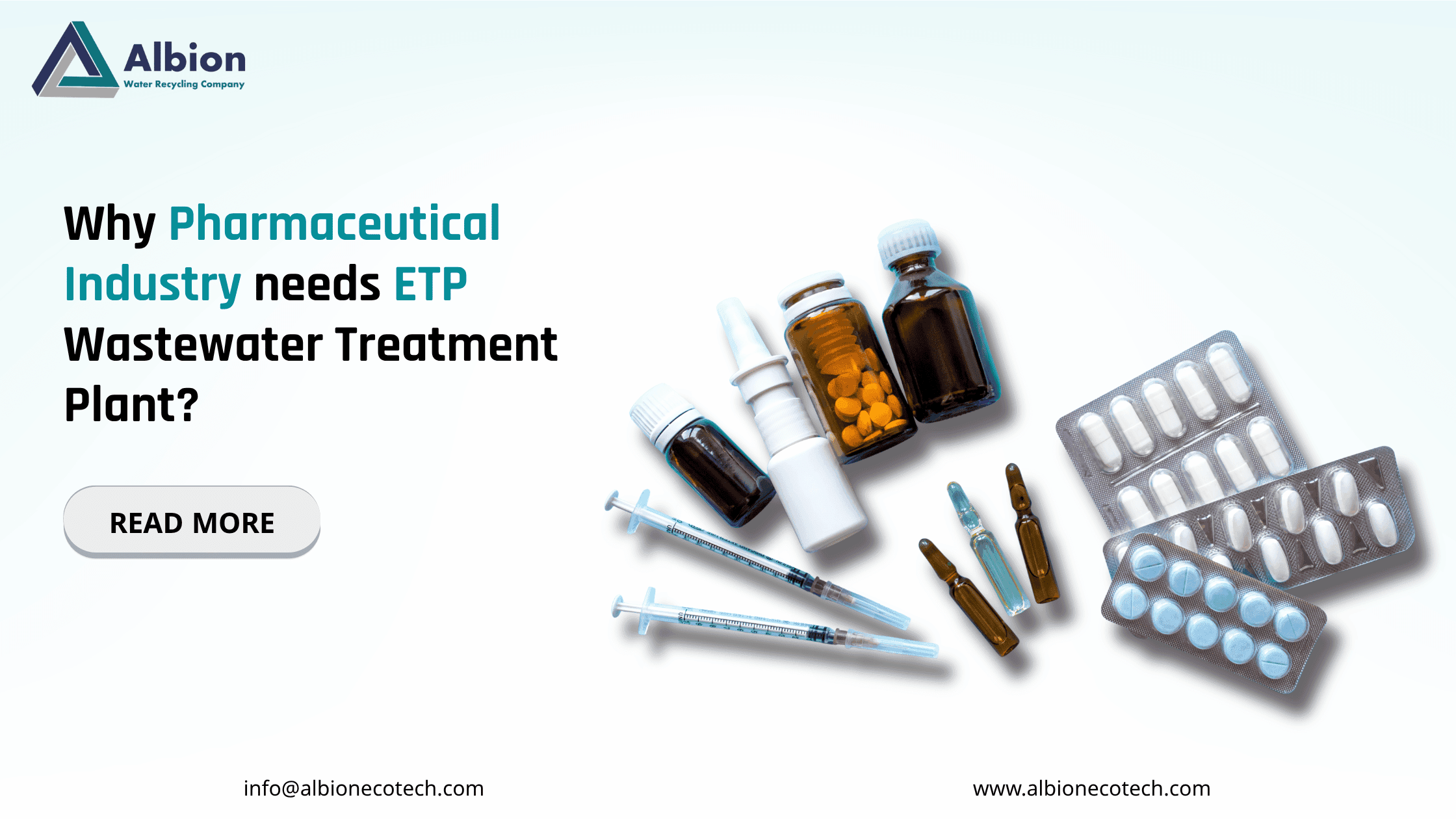
Pharmaceutical wastewater is not simply strong sewage. A bulk drug plant can discharge spent solvents, salts from neutralisation, mother liquors and residues of the active ingredients themselves, often in the same drain as washdown water. Much of that load resists biological breakdown, some of it is toxic to the microorganisms a conventional plant relies on, and the dissolved solids can be too high for discharge to inland water. An effluent treatment plant (ETP) is the only practical way to bring that mixture to a state where it can be discharged, reused or disposed of safely. This article explains why the sector needs one and what a well-designed pharma ETP involves.
What makes pharmaceutical effluent different
The picture depends on what the plant does. Active pharmaceutical ingredient (API) and intermediate manufacturing, which involves chemical synthesis or fermentation, produces the hardest effluent. Formulation plants, which make tablets, capsules, injectables and syrups from finished APIs, generate weaker wastewater, mostly from equipment cleaning, floor washing and utilities. Many sites do both.
- High COD with low biodegradability. Synthesis streams can carry very high COD, but a large share may be solvents and organic intermediates that microbes break down slowly or not at all. A low BOD to COD ratio is a warning that biological treatment alone will not be enough.
- High total dissolved solids. Acid and alkali neutralisation, salting out and reaction by-products leave streams rich in sodium, chloride and sulphate. High TDS also stresses biological systems and limits discharge options.
- Extreme and swinging pH. Batch processing sends strongly acidic or alkaline slugs to the drain.
- Inhibitory and toxic compounds. Residual antibiotics, solvents such as methanol or dichloromethane, heavy metals from catalysts, and cleaning agents can inhibit or kill the biomass in a biological reactor.
- Residual active ingredients. Trace amounts of the drugs being made can reach the drain through cleaning and spills. Their fate in conventional treatment varies by compound.
- Batch variability. Campaign manufacturing means the effluent changes with each product, sometimes several times a week.
- Utility streams. Cooling tower blowdown, boiler blowdown and RO reject from purified-water plants add volume and salinity.
Why an ETP is not optional
Regulatory compliance. Industrial units in India operate under consent from the State Pollution Control Board, with discharge conditions set for the sector and the mode of disposal. Pharmaceutical units, especially API and bulk drug manufacturers, are generally held to strict conditions, and in some states and categories zero liquid discharge is required. Because the applicable norms differ by state, category and consent, they should be confirmed with the Board for each unit before the plant is designed.
Protecting receiving water and public health. Untreated or poorly treated pharmaceutical effluent can be toxic to aquatic life, deplete oxygen and add persistent organic compounds to rivers and groundwater. There is also growing concern in public health circles about antibiotic residues in the environment and their possible role in antimicrobial resistance.
Municipal systems cannot absorb it. A sewage treatment plant is built for domestic waste. Solvents, high salinity and toxic compounds can upset its biology and pass through untreated, so industrial effluent needs pre-treatment on site, or treatment in a facility designed for it.
Hazardous waste control. ETP sludge, spent solvents, evaporator salts and distillation residues from pharmaceutical processes are often classified as hazardous waste, which must be stored, transported and disposed of through authorised routes. An ETP designed with this in mind keeps that volume as small as possible.
Water security. Pharma plants use large volumes for cleaning, cooling, steam and purified water. Recovering water from treated effluent lowers fresh-water intake, which matters where groundwater is stressed or tanker supply is costly.
Customer and audit expectations. Global buyers and regulators increasingly review environmental, health and safety performance of suppliers. A properly operated ETP with records and monitoring is part of passing those audits.
Building a pharma ETP: the treatment train
No single unit can handle everything in pharmaceutical effluent. Plants are built as a sequence, with each stage protecting the next.
- Stream segregation and source recovery. Concentrated streams such as mother liquors and spent solvents are kept apart from dilute washwater. Solvents are recovered by distillation where practical, and the strongest, hardest streams go to dedicated treatment such as evaporation rather than being diluted into the main flow.
- Equalisation and neutralisation. A mixed balancing tank smooths flow, strength and pH between batches. Neutralisation brings pH into the range biological treatment needs.
- Physico-chemical treatment. Coagulation and flocculation remove suspended and some colloidal matter. For poorly biodegradable organics, advanced oxidation such as Fenton treatment can break compounds into forms that biology can handle, at the cost of chemicals and extra sludge.
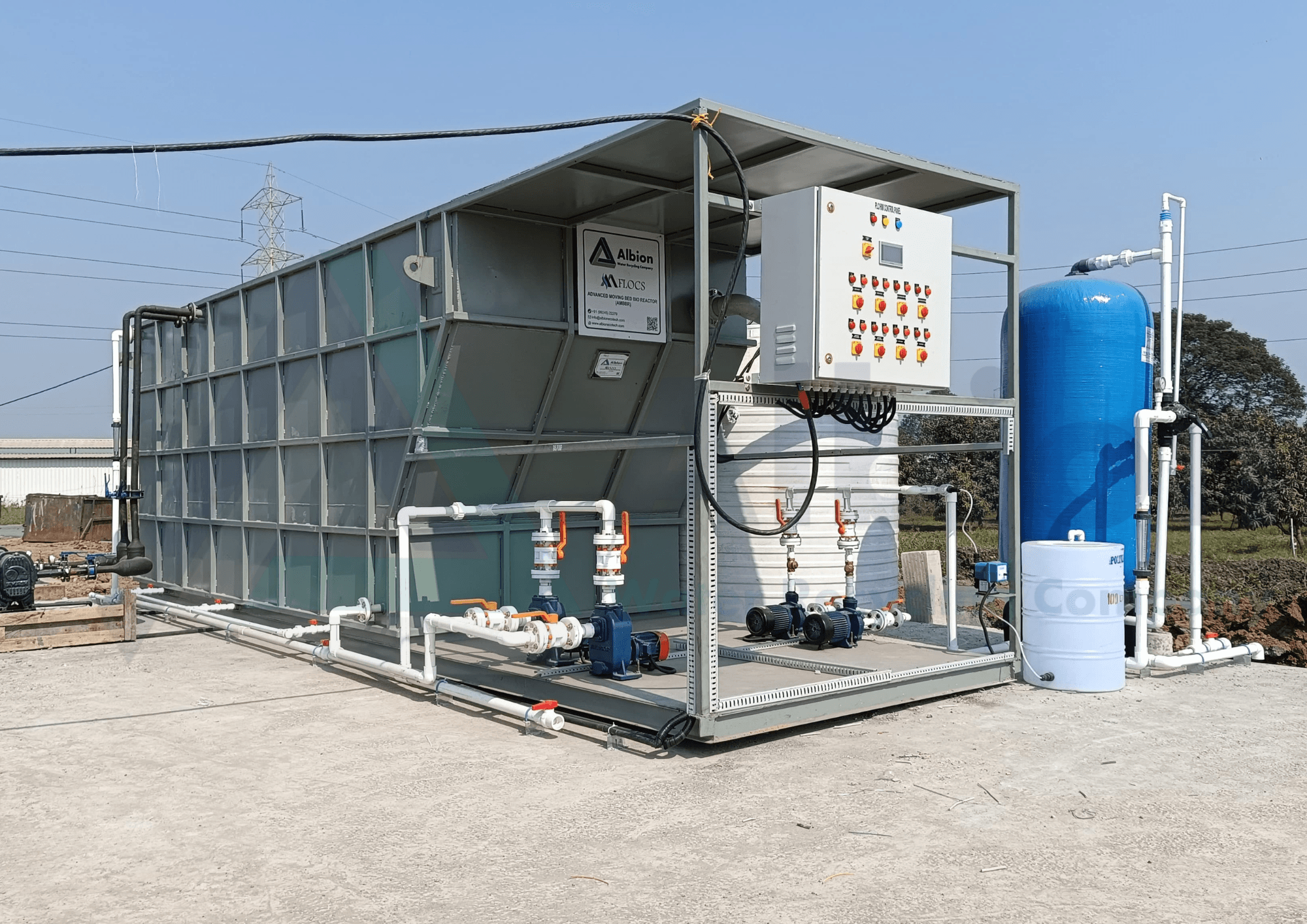
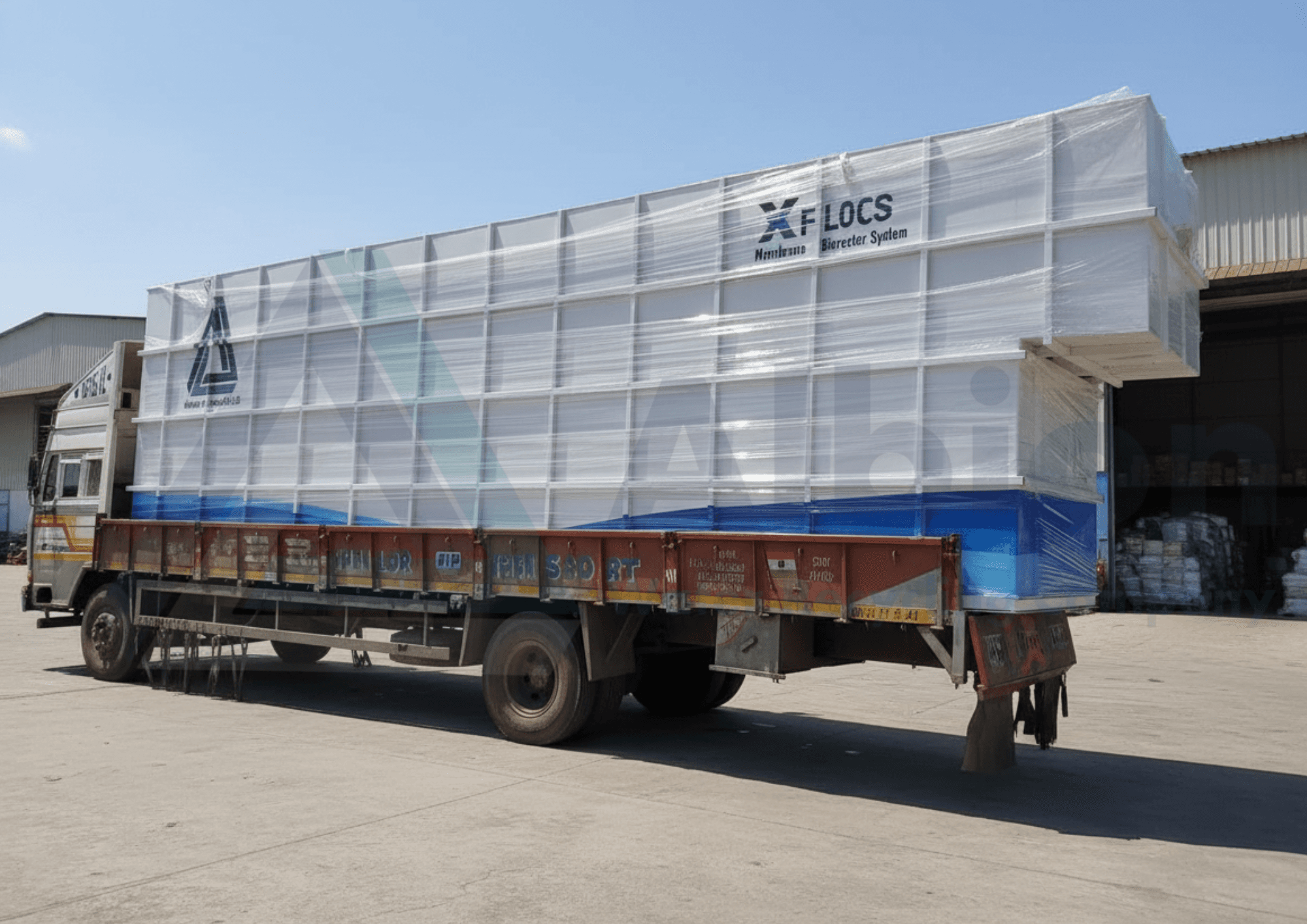
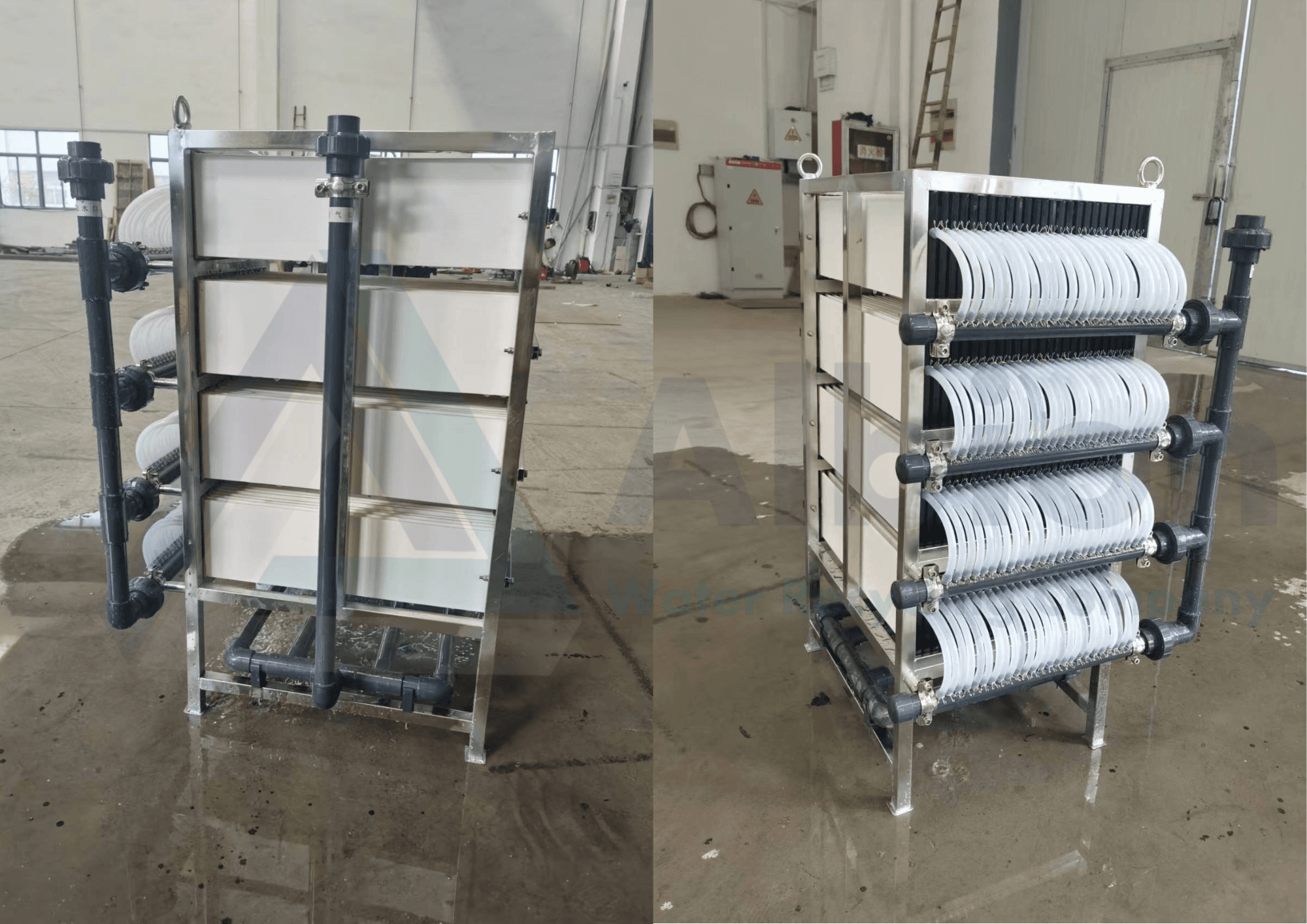
- Biological treatment. Anaerobic treatment is sometimes used for high-strength, biodegradable streams, followed by an aerobic stage. MBBR and AMBBR suit variable, shock-prone effluent because biofilm on carriers tolerates swings. SBR can follow campaign cycles. MBR keeps a high, stable biomass concentration with a long sludge age, which can help break down slowly degradable compounds and gives a clean feed to downstream membranes.
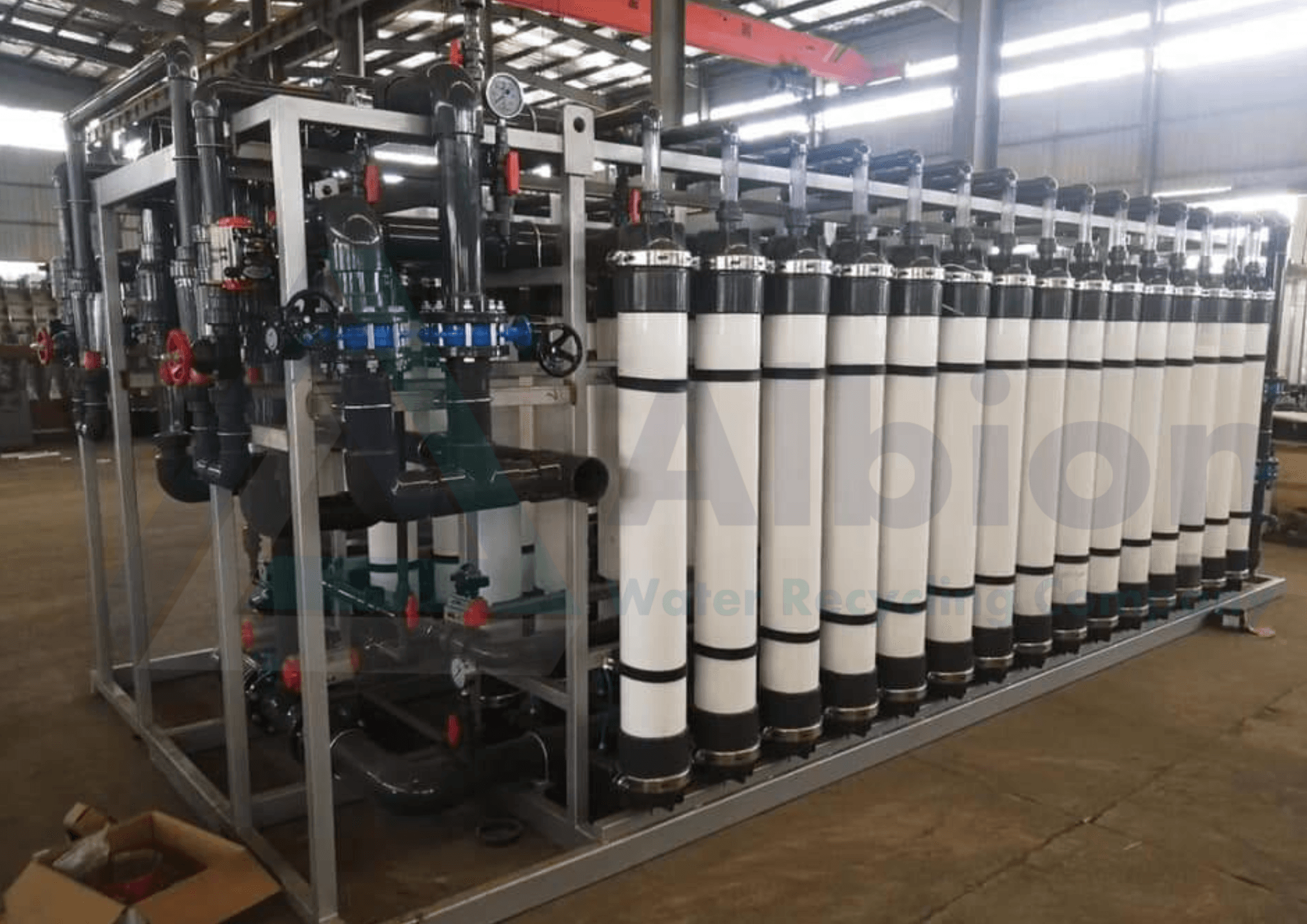
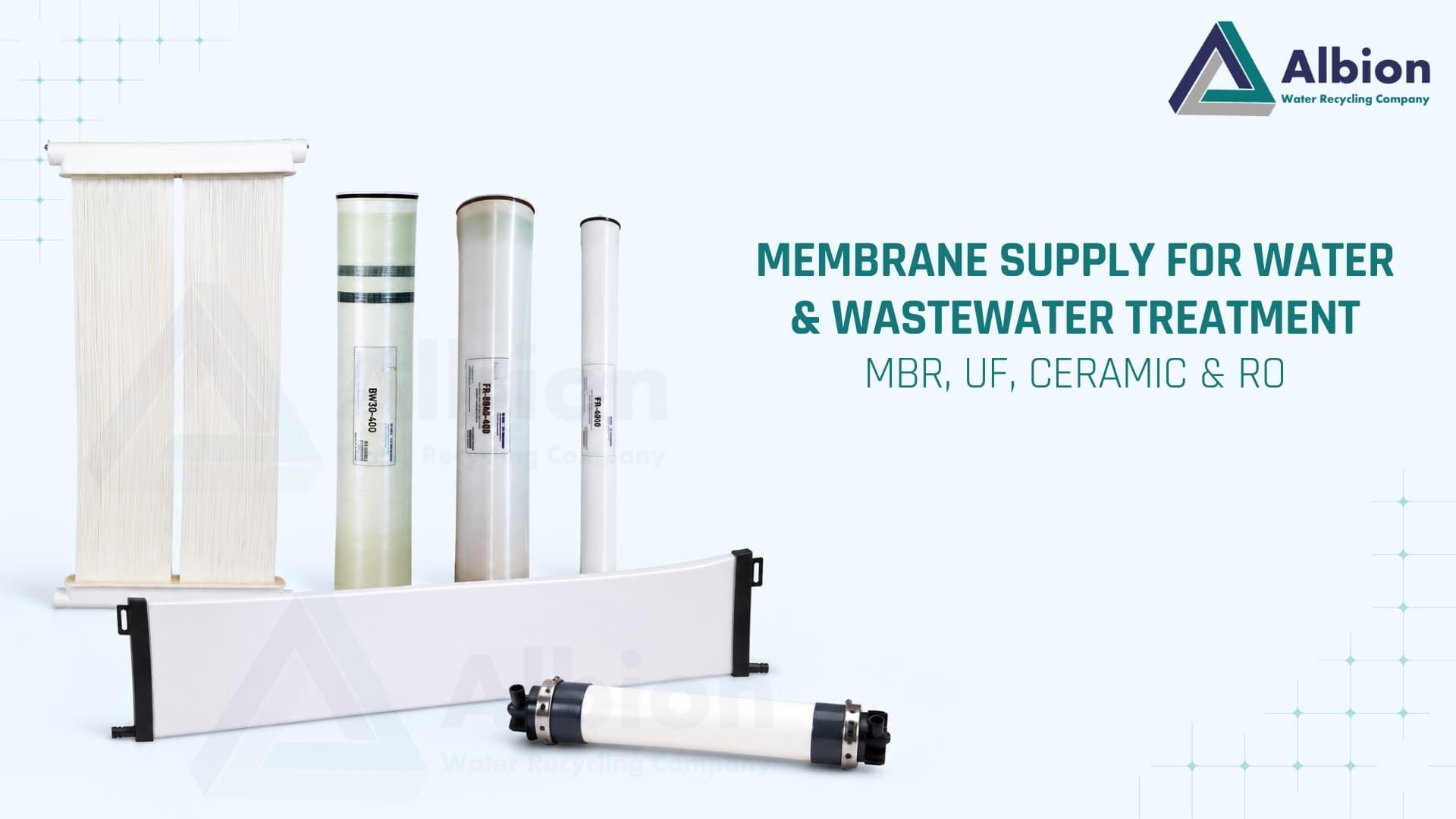
- Polishing. Activated carbon, UF and RO remove residual organics, colour and dissolved salts. Where effluent chemistry is harsh, ceramic membranes tolerate stronger chemicals and cleaning than polymeric ones, which is one reason they are considered for demanding industrial streams.
- Reject management and ZLD. RO reject and high-TDS streams are concentrated in evaporators and dried so that water is recovered and only a solid residue leaves the site. This stage is energy-intensive, and the residue usually has to go to an authorised disposal facility.
- Sludge handling. Thickening and dewatering of biological and chemical sludge, with a disposal route confirmed against hazardous waste rules.
What about residual drug compounds?
Removal of trace pharmaceutical compounds varies a great deal by molecule. Some are biodegraded, some sorb to sludge, and some pass through conventional treatment. Advanced oxidation, activated carbon and membrane stages can improve removal, but the result depends on the compound and the design, so removal should be checked on the actual effluent rather than assumed. The most reliable control is at source: capturing and treating concentrated streams and cleaning water before they dilute into the main flow.
Reuse and its limits
Water that goes into a product or contacts product surfaces must meet the plant's own purified-water and pharmacopoeial requirements, and treated effluent should not be assumed to qualify. Realistic reuse covers utilities: cooling tower make-up, boiler feed after RO and polishing, floor and yard washing, flushing and landscaping, once the quality is confirmed. RO permeate recovered in a ZLD train is often the main source of reusable water. Any use near production should be cleared against the facility's quality system.
Cut the load before it reaches the ETP
- Recover and reuse solvents rather than sending them to drain.
- Keep high-strength and high-TDS streams separate from low-strength washwater.
- Optimise cleaning cycles, using the minimum volume that still meets validated cleaning requirements.
- Review reagents and process routes with chemists, since a different reagent can change the salt and COD load of a whole stream.
- Meter water at the main process and utility points to find where volume can be cut.
Common mistakes
- Designing from a single sample when effluent changes with each product campaign.
- Skipping treatability and toxicity trials, then finding the biology will not acclimatise.
- Mixing all streams, so the whole flow becomes a high-TDS, hard-to-treat mixture.
- Sizing evaporation without a realistic RO recovery and reject estimate.
- Leaving hazardous sludge and salt disposal until after commissioning.
How Albion Ecotech approaches pharmaceutical ETPs
Albion Ecotech designs pharmaceutical ETPs from the plant's own effluent data: stream characteristics, BOD to COD ratio, TDS, toxicity and batch pattern, together with the discharge or ZLD requirement that applies. Depending on the site, the train may combine segregation and equalisation, physico-chemical treatment, a biological stage chosen from MBBR or AMBBR, SBR and MBR, and polishing with UF, RO or ceramic membranes, with ZLD for high-TDS streams where it is needed. Sludge management, energy-efficient equipment selection, PLC-based automation and post-commissioning support are part of the scope, and plants can be supplied in packaged or civil formats.
Frequently Asked Questions
Why is pharmaceutical wastewater harder to treat than sewage?
It can combine high COD that is slow to biodegrade, high dissolved solids, swinging pH and compounds that inhibit microorganisms. It also changes with each production campaign, so a plant tuned for one product may struggle with the next.
Is zero liquid discharge mandatory for pharmaceutical plants?
Not everywhere. Requirements depend on the state, the category of the unit and the conditions of its consent, and ZLD is required for some units. The applicable conditions should be confirmed with the State Pollution Control Board.
Can biological treatment alone handle pharmaceutical effluent?
Rarely for API manufacturing. Formulation wastewater is often biodegradable enough, but synthesis streams usually need segregation, physico-chemical treatment and sometimes advanced oxidation, with biological treatment as one stage and membranes or evaporation after it.
Which biological process suits pharma effluent best?
There is no single answer. MBBR and AMBBR handle shock loads well, SBR follows batch cycles, and MBR gives a stable biomass and clean feed for downstream membranes. Treatability trials on the real effluent should decide.
Can treated effluent be used in pharmaceutical production?
Not in product or product-contact applications without meeting the plant's purified-water requirements, which treated effluent should not be assumed to meet. It can be used for utilities such as cooling and boiler make-up, washing and landscaping once quality is confirmed.