Why Slaughterhouses and Meat Plants Need an ETP Wastewater treatment Plant
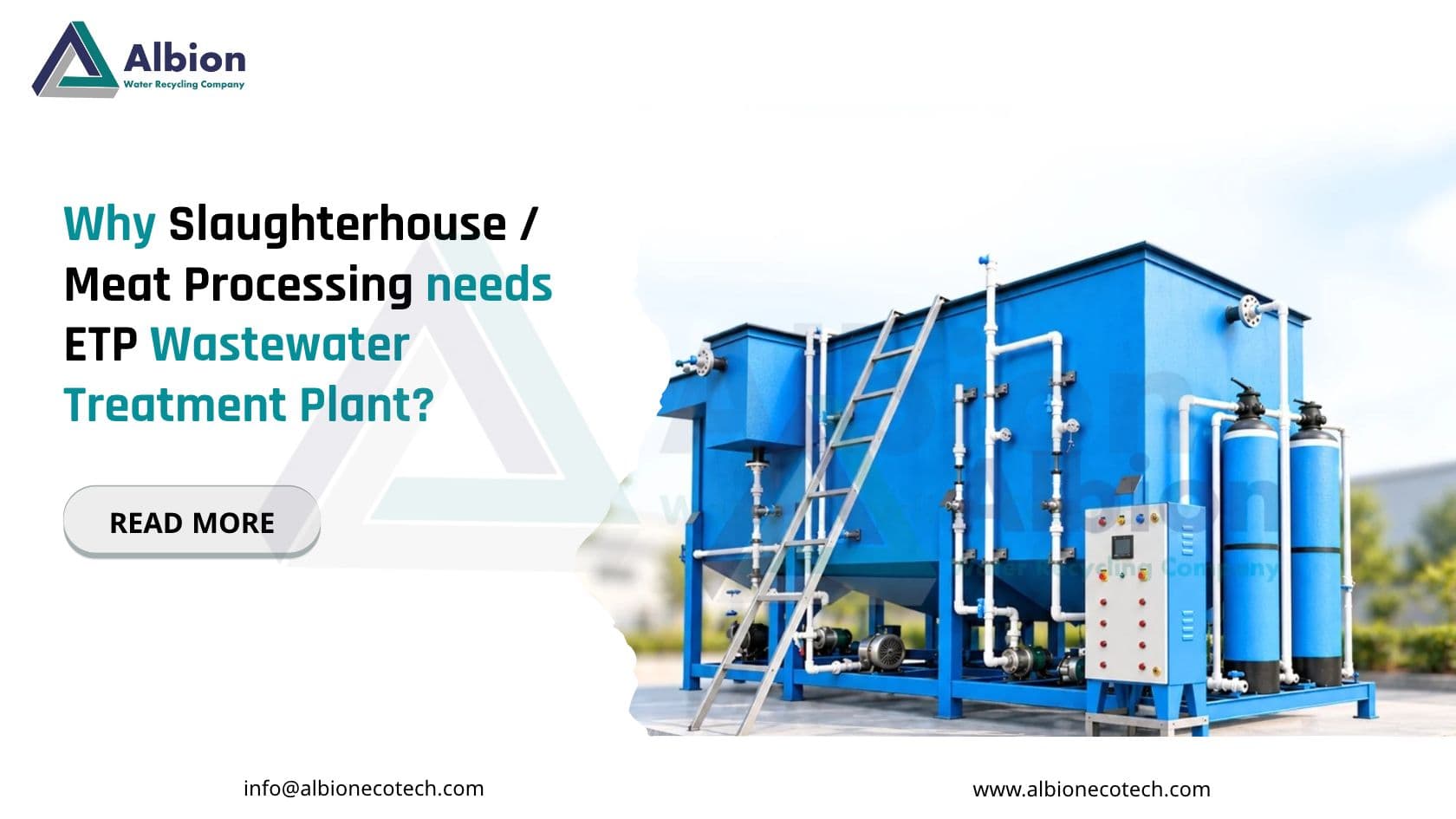
A slaughterhouse produces meat, and it also produces some of the strongest wastewater of any food industry. Blood, fat, paunch contents, feathers, hair and protein-rich washings leave the plant mixed with hot water and cleaning chemicals, and they start to rot within hours. Left untreated, the effluent turns rivers and ponds septic, blocks drains with fat, fouls the air with ammonia and hydrogen sulphide, and carries pathogens that put public health at risk. An effluent treatment plant (ETP) is what makes a slaughterhouse or meat processing plant safe to operate in the neighbourhood and legal to run. This article explains why the sector needs one and how it is designed.
Where the wastewater comes from
- Lairage and animal holding: washing of pens and trucks, carrying dung, urine and bedding.
- Slaughter and bleeding: blood is the single strongest pollutant, with an organic load far above any other stream. Even a small share of blood washed to drain raises the load of the whole effluent sharply.
- Scalding, dehairing and defeathering: hot water carrying hair, feathers, skin, fat and dirt.
- Evisceration and offal handling: paunch and gut contents, fat, mucus and washings, with high solids and nutrients.
- Carcass washing, chilling and cutting: meat juices, fat trimmings and protein.
- Rendering and by-product plants: condensates and washings that carry fats, volatile compounds and odour.
- Cleaning and disinfection: daily washdown with caustic, acid and disinfectants such as chlorine, peracetic acid or quaternary compounds.
- Utilities: boiler and cooling tower blowdown, refrigeration systems and sanitary wastewater.
What makes meat plant wastewater hard to manage
- Extremely high organic load. Blood, fat and protein are highly biodegradable and consume oxygen fast, so BOD and COD are far above domestic sewage.
- Fats, oils and grease. Animal fat solidifies as the water cools, coating pipes, blocking screens and forming scum in tanks.
- Nitrogen and phosphorus. Protein and urine break down into ammonia, so total nitrogen is high and needs deliberate removal.
- Solids. Hair, feathers, paunch contents and bone fragments clog screens and pumps.
- Pathogens. Effluent can carry Salmonella, E. coli and other organisms from animals, so treated water needs disinfection and plant staff need hygienic handling.
- Odour. Rotting protein releases ammonia, amines and hydrogen sulphide, which is a leading source of community complaints.
- Variable flow and cleaning chemicals. Most flow comes in a few hours of slaughter and a long night-time washdown, with disinfectant residues that can inhibit biological treatment. Demand also peaks around festivals.
Why an ETP is not optional
Regulatory consent. Slaughterhouses and meat processing units operate under local body licences and consent from the State Pollution Control Board, with discharge limits on BOD, COD, suspended solids, oil and grease, nitrogen and pH, and requirements to treat effluent before it leaves the site. Non-compliance can bring penalties and closure directions. The conditions differ by state, size and mode of disposal, so they should be confirmed with the Board and the licensing body before design.
Public health. Raw effluent spreads pathogens to water used downstream for drinking, bathing and irrigation, and attracts flies, rodents and stray animals.
Protecting water bodies. A blood-rich discharge can strip a stream of oxygen over many kilometres, and the nitrogen load drives algal growth.
Sewers and neighbours. Fat blocks sewers, a municipal plant is not built for this strength, and odour draws complaints that can lead to closure.
Food safety and export approvals. Food safety authorities and export buyers inspect effluent handling, drainage and hygiene, and a working ETP is part of keeping licences and orders.
Water and resource recovery. Plants use large volumes of potable water, and the effluent holds blood, fat and protein that have value as by-products and as biogas feedstock.
How a slaughterhouse ETP is built
- Blood and by-product recovery at source. Collecting blood dry, and sending it to rendering or by-product processing, removes the largest part of the organic load before the ETP. Paunch and solid waste are handled dry.
- Screening. Floor drain screens, then coarse and fine screens such as a rotary drum, remove hair, feathers, flesh and gut solids.
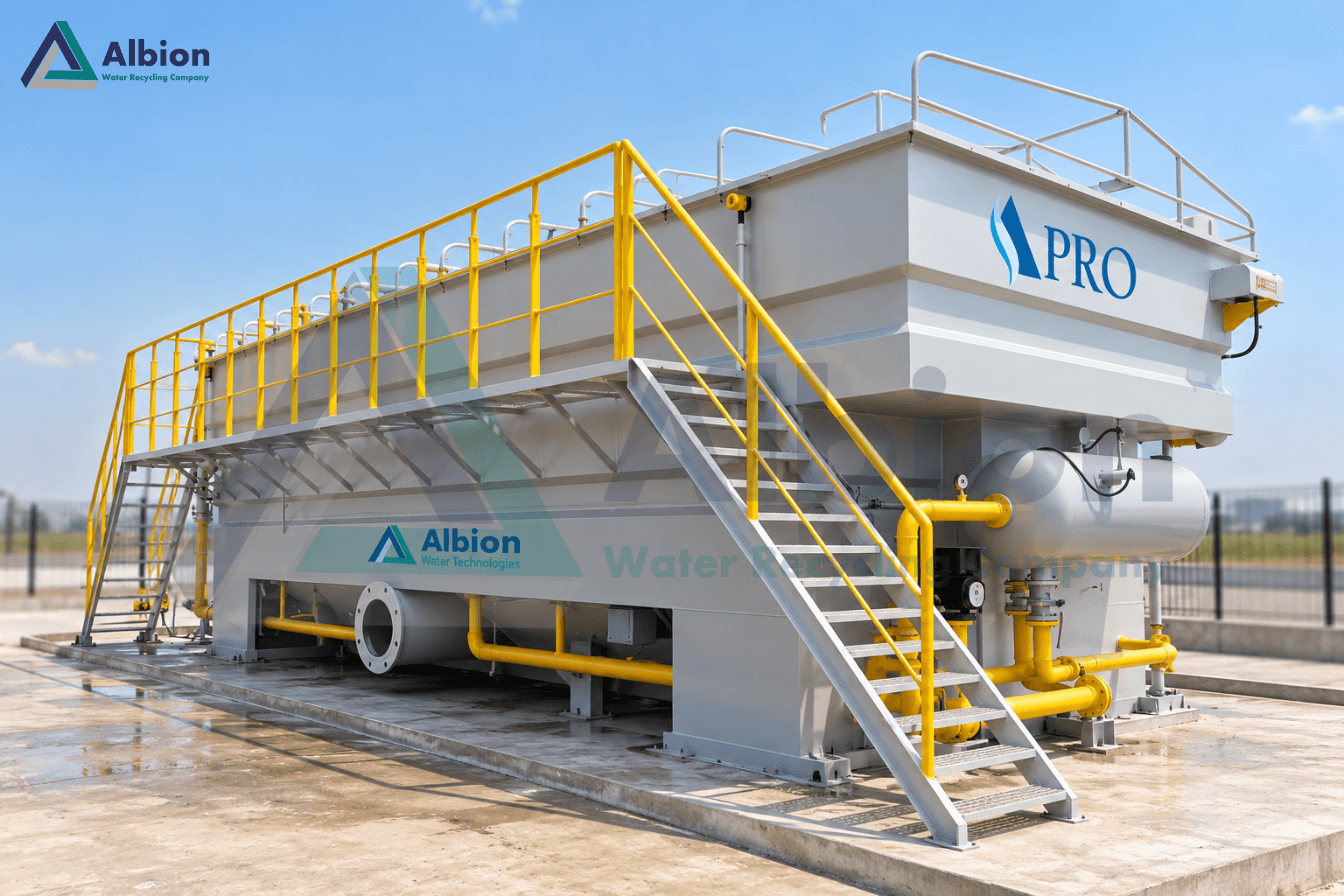
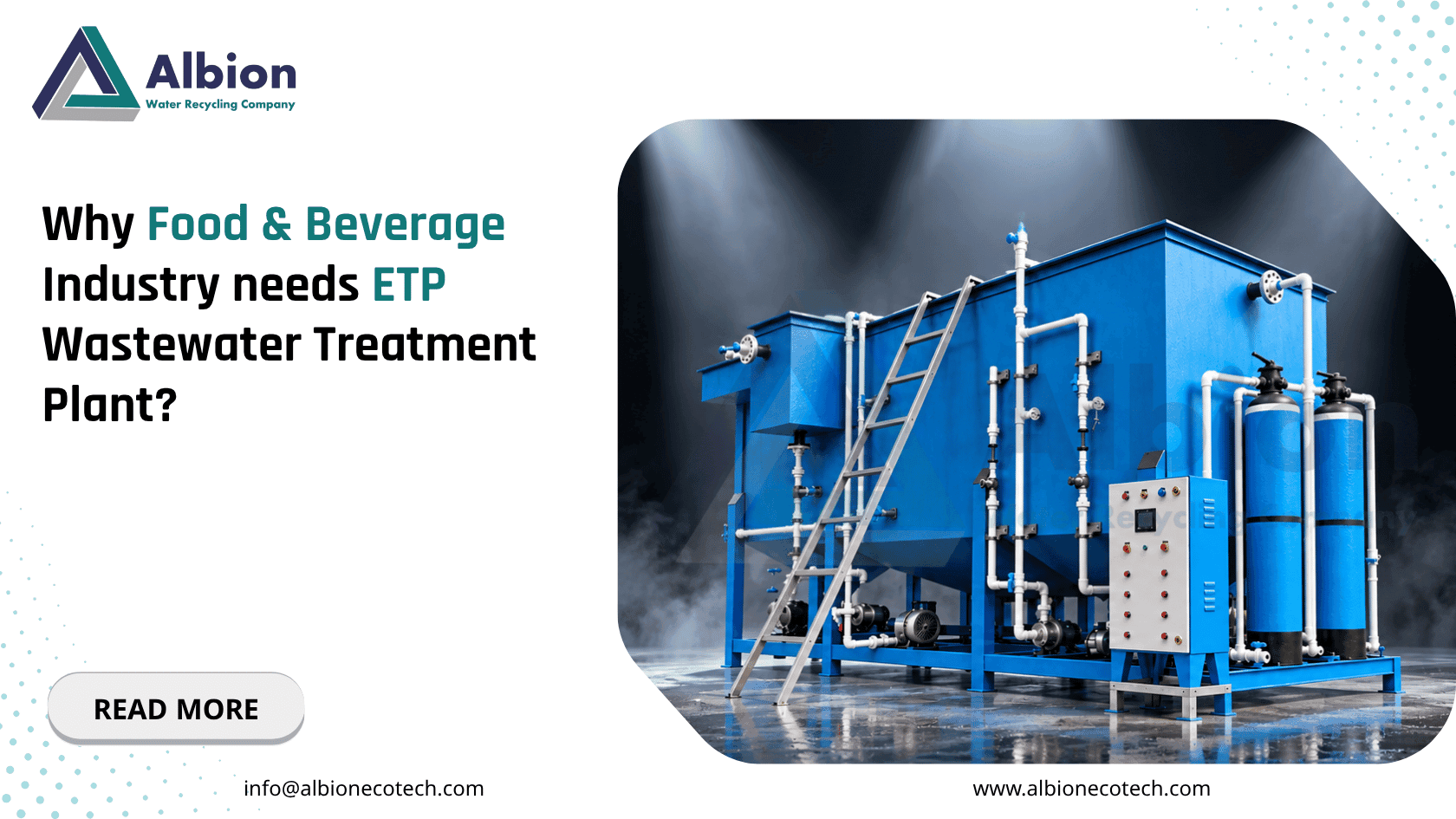
- Fat removal. A fat trap takes out free fat, and dissolved air flotation with chemical conditioning, such as the A-Pro DAF system, captures emulsified fat, fine solids and a large share of the COD. The float is recovered for rendering where permitted.
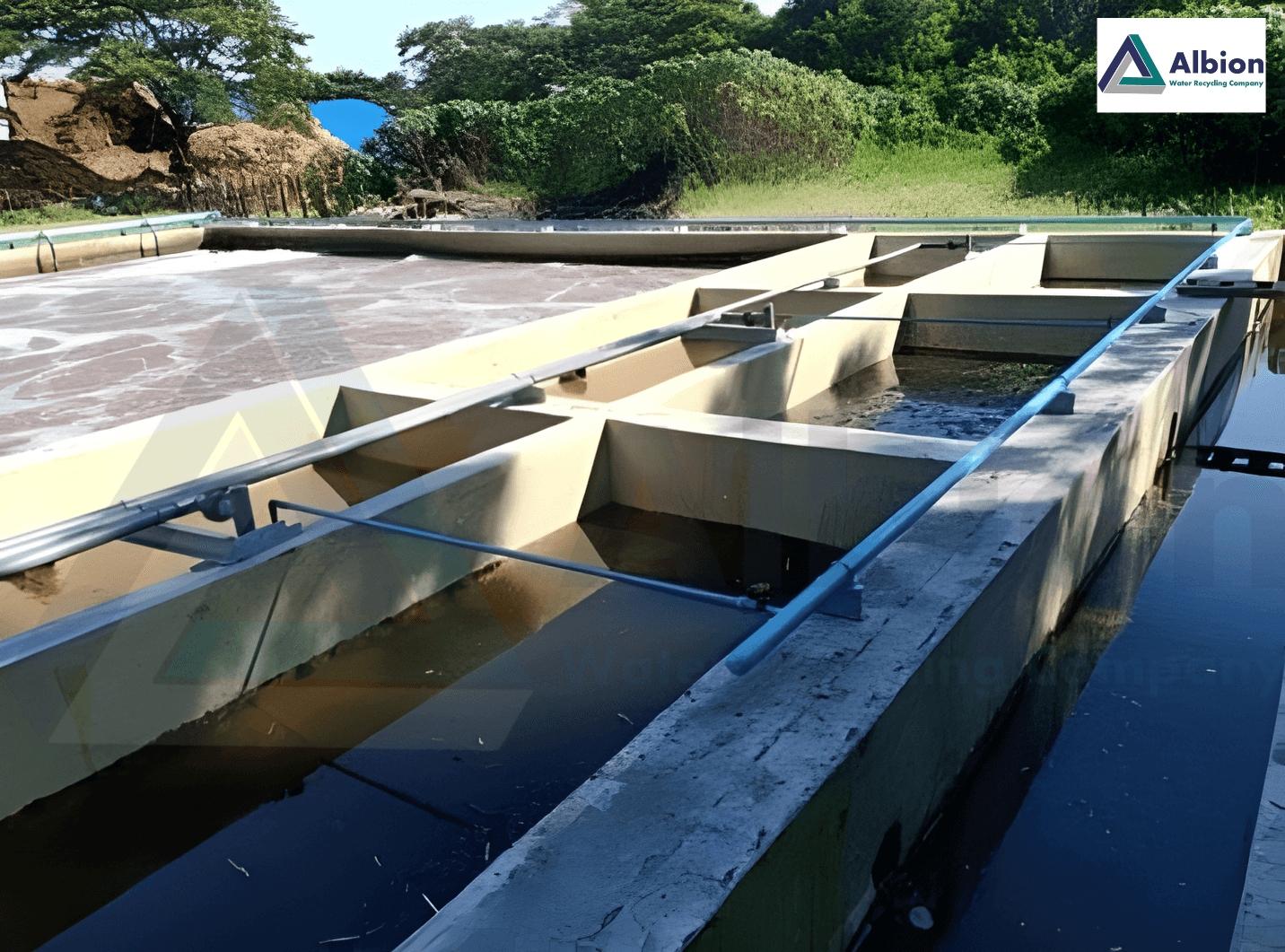
- Equalisation. A mixed, aerated balancing tank spreads the slaughter-hour peak over the day, controls pH and stops the effluent turning septic.
- Anaerobic treatment for strong flows. Covered digesters or UASB reactors remove much of the organic load with little energy and produce biogas. Fat and ammonia can inhibit them, so they need good pre-treatment, and the effluent still needs aerobic polishing.
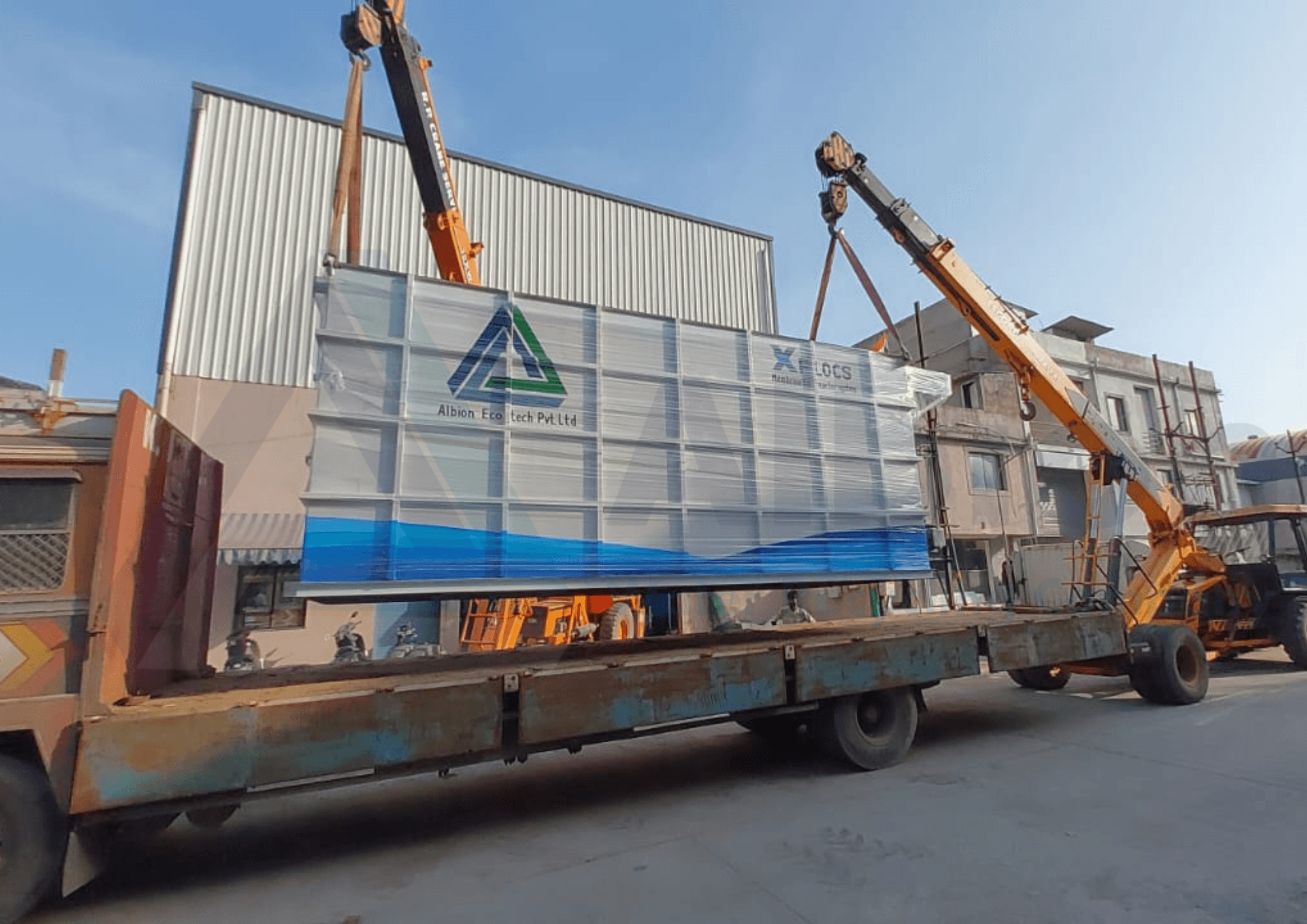
- Aerobic treatment and nitrogen removal. SBR runs nitrification and denitrification in one tank and suits batch flows. MBBR and AMBBR tolerate shock loads on a tight plot, and MBR gives a very clean, solids-free effluent. Albion Ecotech's X-Flocs MBR suits plants that want reuse-grade water in a small footprint.
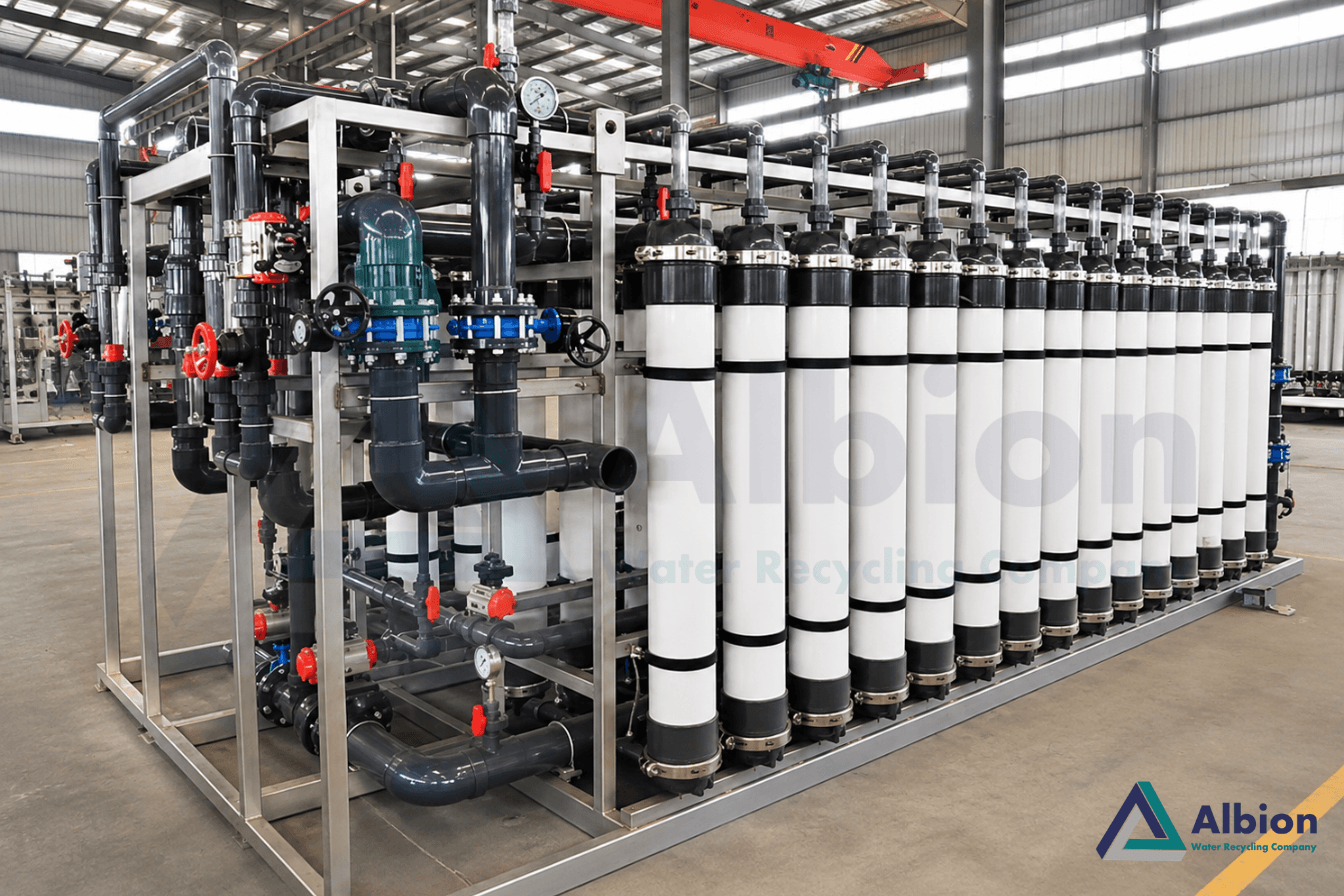
- Disinfection and polishing. Filtration and chlorination or UV address pathogens, and UF and RO polish water for reuse where needed.
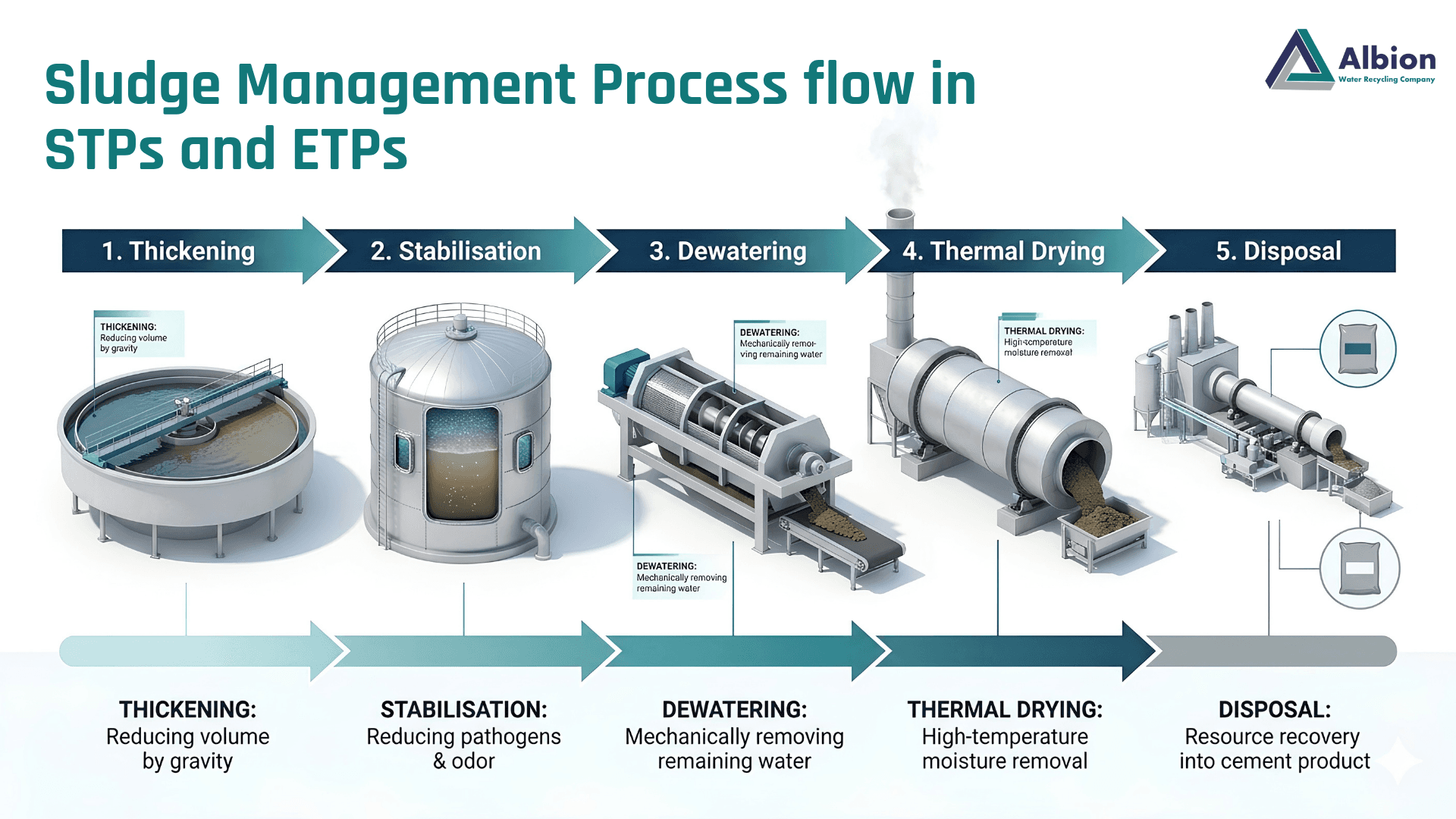
- Sludge handling. Flotation float and biological sludge are thickened and dewatered. Depending on quality and the rules, they may go to rendering, composting or co-digestion, and the route should be confirmed locally. See the guide to sludge management for options.
- Odour control. Covered tanks, extracted air passed through a biofilter or scrubber, and prompt handling of sludge keep ammonia and sulphide smells away from neighbours.
Reuse, with limits
Water that touches carcasses or meat must meet potable water and food safety requirements, and treated effluent should not be assumed to qualify. Realistic reuse covers cooling tower make-up, boiler feed after RO and polishing, vehicle and yard washing, lairage washdown where rules allow, and landscaping, once quality is confirmed. Albion Ecotech sizes treatment and reuse around what each use needs, adding UF, RO or ZLD only where water scarcity or discharge limits call for them. Plants in similar food sectors share many design points, as described in the guide for food and beverage plants.
Reduce the load before the ETP
- Collect blood dry and keep it out of the drain entirely.
- Dry-clean floors and handle paunch contents, offal and trimmings as solid waste before washing.
- Fit screens and traps on floor drains, and use high-pressure, low-volume washing nozzles.
- Recycle scald and cooling water where hygiene rules allow, and keep clean cooling water and rainwater out of the process drain.
- Meter water by area and record volumes per animal processed, so unusual use stands out.
Common mistakes
- Washing blood to drain, so the ETP is oversized or overwhelmed.
- Omitting fat removal, then fighting scum and blocked aeration.
- Leaving the balancing tank unmixed, so effluent turns septic before treatment.
- Ignoring ammonia and total nitrogen until limits are breached.
- Skipping disinfection, or overdosing disinfectants into the biological stage.
- Treating odour control and sludge disposal as afterthoughts.
Our approach to meat plant ETPs
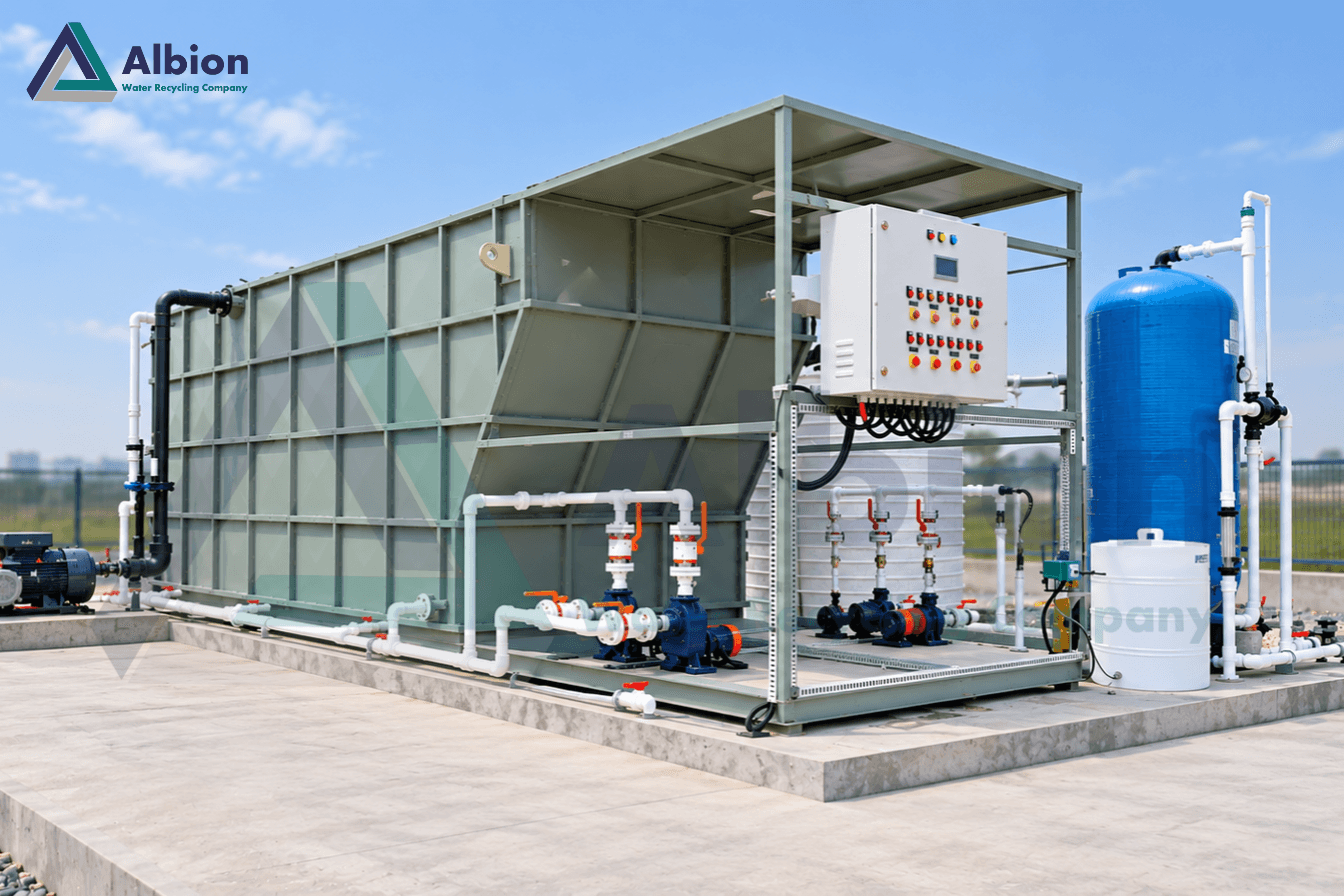
Albion Ecotech designs effluent treatment plants for slaughterhouses and meat processors from measured data: animals processed per day, flow by stream, fat and solids, nitrogen, cleaning chemicals and the discharge or reuse target that applies. Depending on the plant, the train may combine blood and solids recovery, screening, DAF, an aerated equalisation stage, anaerobic treatment for strong flows, a biological stage selected from SBR, MBBR or AMBBR and MBR, disinfection, and UF, RO or ZLD where needed. Sludge handling, odour control, energy-efficient equipment, PLC-based automation and post-commissioning support are part of the scope, and plants can be supplied in packaged or civil formats.
Frequently Asked Questions
Why does a slaughterhouse need an ETP?
Its wastewater carries blood, fat, protein, nitrogen and pathogens at very high strength, which harm water bodies and public health, cause odour and block sewers. An ETP treats it to meet consent and licence conditions and allows water reuse.
Why is blood the biggest problem in slaughterhouse wastewater?
Blood has an organic strength far above any other stream. Even a small amount in the drain raises the COD and nitrogen of the whole effluent, so collecting it dry for by-product use is the most effective way to reduce ETP load.
How is fat removed from meat plant effluent?
A fat trap removes free fat, and dissolved air flotation with chemical conditioning removes emulsified fat and fine solids. Removing fat early protects the aeration and biological stages.
Which biological process suits a slaughterhouse ETP?
SBR, MBBR, AMBBR and MBR can all work. SBR suits batch flows and nitrogen removal, attached-growth systems tolerate shock loads on tight plots, and MBR suits reuse-grade water. Strong flows may need an anaerobic stage first.
Can treated water be reused in a meat plant?
Yes for non-product uses such as cooling, boiler feed after RO, vehicle and yard washing and landscaping, once quality is confirmed. Water that contacts meat must meet potable water and food safety requirements.