Dairy Industry ETP: Treating Milk, Whey and CIP Wastewater
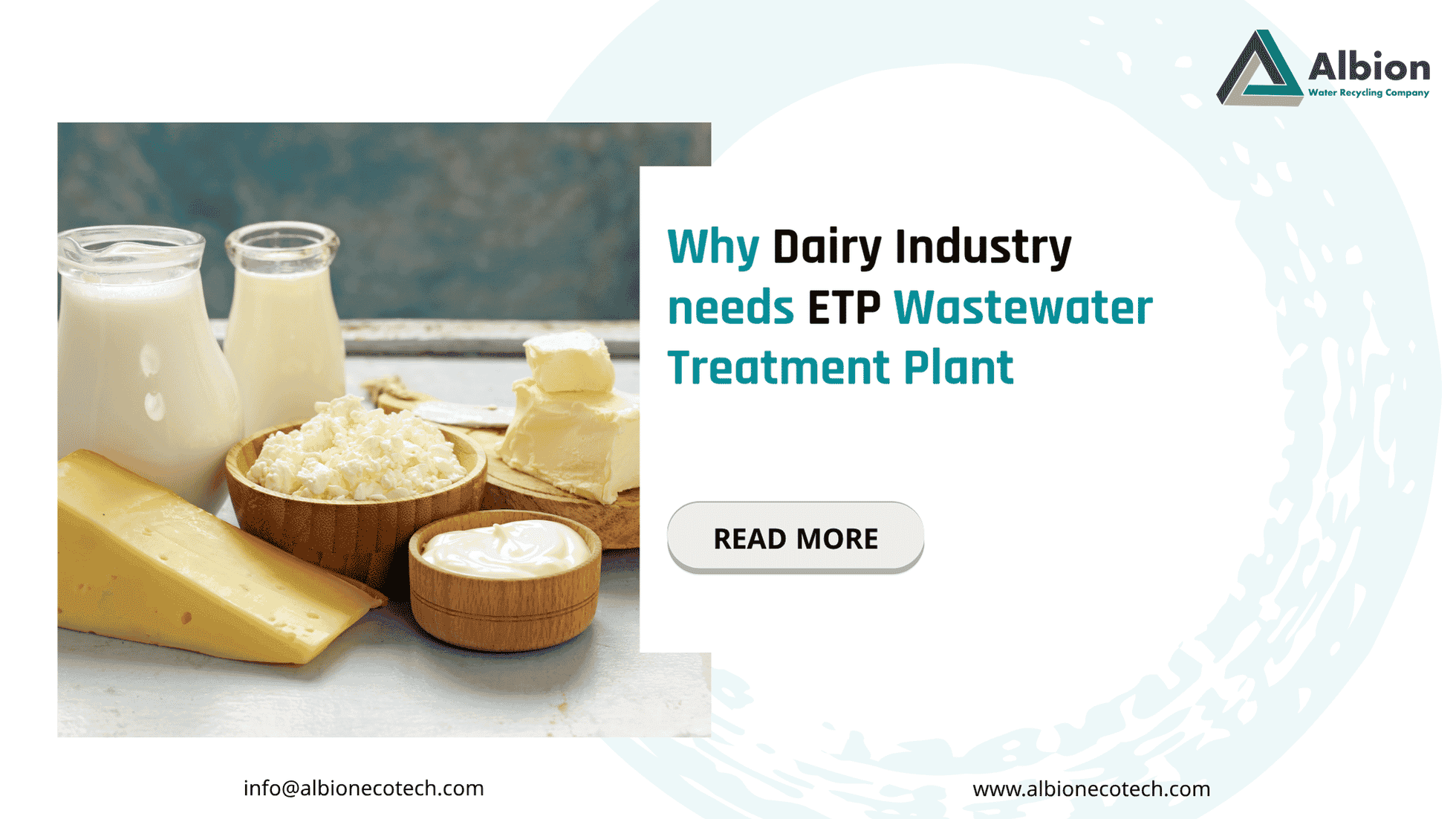
Milk is nutritious, and that is exactly the problem when it reaches a drain. Every litre of milk, whey or buttermilk lost to wastewater carries lactose, protein and fat that bacteria consume rapidly, stripping oxygen from the water and turning the effluent sour and foul-smelling within hours. A dairy also sends a steady stream of caustic and acid cleaning solutions to the same drain, and its flow swings with milk intake, shifts and season. A well-designed effluent treatment plant (ETP) is what turns this into water that meets the consent conditions. This article covers where dairy effluent comes from, what makes it difficult, and how an ETP is built around it.
Where dairy wastewater comes from
- Milk reception and tanker washing: residual milk and wash water from tankers, silos and pipelines.
- Processing and product changeovers: pasteurisers, separators, homogenisers, curd, paneer, ghee, butter, ice cream and powder lines all leave product films and drained product when they are flushed.
- Whey and buttermilk: by-products of cheese, paneer and butter making, with very high organic strength when sent to drain.
- Cleaning in place (CIP): alkaline and acidic cleaning cycles, plus sanitisers, discharge in slugs with strong pH swings.
- Utilities: boiler and cooling tower blowdown, softener regeneration, and condensate from evaporators in powder and concentrate plants.
- Floor washing and spills: a steady background load, often with solids, fat and sanitisers.
What makes dairy effluent hard to manage
- High, mostly biodegradable organic load. Lactose, protein and fat give a high BOD and COD. Whey is far stronger than ordinary plant effluent, and a small share of it reaching the drain can dominate the load.
- Fats, oils and grease (FOG). Milk fat solidifies as it cools, coating pipes, fouling aeration equipment and forming scum layers in tanks.
- pH swings from CIP. Caustic and acid slugs can push pH well outside the range microorganisms tolerate, and they also add sodium and phosphate.
- Nitrogen and phosphorus. Milk proteins and phosphoric acid cleaners raise nutrient levels, which matters wherever discharge or reuse norms cover nitrogen and phosphorus.
- Rapid souring and odour. Held in a tank without aeration or mixing, dairy effluent turns anaerobic quickly, producing acids, hydrogen sulphide and complaints from neighbours.
- Daily and seasonal variability. Flow follows shifts and cleaning cycles, and milk supply typically rises in the flush season, which lifts the load for months.
Why a dairy needs an ETP
Consent and compliance. Dairies operate under consent from the State Pollution Control Board, with limits on BOD, COD, suspended solids, oil and grease and pH, and sometimes nutrients, set for the mode of disposal. The conditions differ by state and by whether discharge goes to a sewer, surface water or land, so they should be confirmed with the Board.
Protecting water bodies. Dairy effluent is one of the more oxygen-hungry industrial discharges. Released untreated, it can cause fish kills, algal growth and foul odour in nearby streams and ponds.
Drains and sewers. Fat blocks sewers, and a municipal sewage plant is not designed for dairy-strength flow, so plants that discharge to a sewer generally need pre-treatment.
Product loss and water cost. Milk and whey in the drain is product lost. A commonly cited range for milk lost to effluent is a small single-digit percentage of intake in poorly controlled plants, and tracking it often pays for the monitoring. Dairies also use a lot of water for cleaning, so reuse reduces intake cost.
Brand and audit requirements. Larger buyers and export customers ask for evidence of environmental compliance, including wastewater records.
Start with the whey and the product losses
The cheapest treatment is the effluent that never reaches the ETP. Whey from paneer and cheese making is the clearest example, since it can be recovered as a product, concentrated or dried, or sold for feed or ingredient use, rather than sent to drain. Buttermilk, first rinses and the product left in pipes at changeover can be collected and diverted. Dry cleaning of floors, a push-out of product before washing, and level sensors and alarms on tanks help as well. Cutting the strongest streams at source typically reduces both the size and the running cost of the ETP, and the milk saved offsets part of the cost.
The treatment train
- Screening. Removes curd particles, packaging fragments and solids before the pumps.
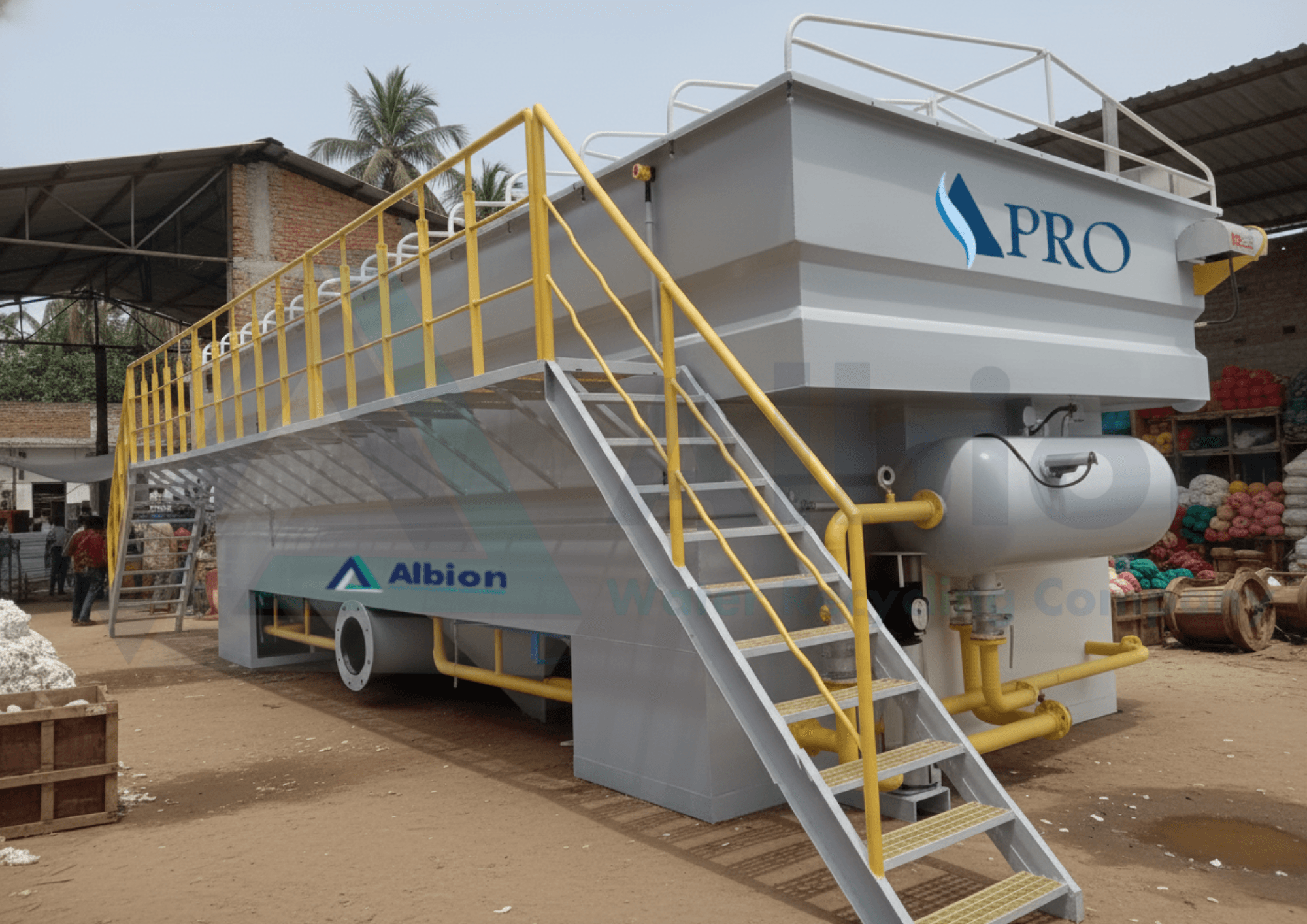
- Fat removal. A grease trap for light loads and dissolved air flotation (DAF) where fat and suspended solids are heavy, with chemical dosing as needed. Fat removed here protects aeration and the biological stage.
- Equalisation with pH control. A mixed, aerated balancing tank absorbs CIP slugs and daily peaks. Aeration or mixing here prevents the effluent souring, and acid and alkali dosing bring pH into range.
- Anaerobic stage, where the load justifies it. Strong, soluble effluent can be treated anaerobically with less energy than aeration, producing biogas. Fat and sudden pH swings upset these reactors, so they need good pre-treatment and are followed by an aerobic stage.
- Aerobic biological treatment. SBR, MBBR or AMBBR, or MBR, depending on the load, footprint and quality required. See below.
- Nutrient control. Anoxic zones or SBR cycles for nitrogen removal, and chemical dosing for phosphorus, where norms require it.
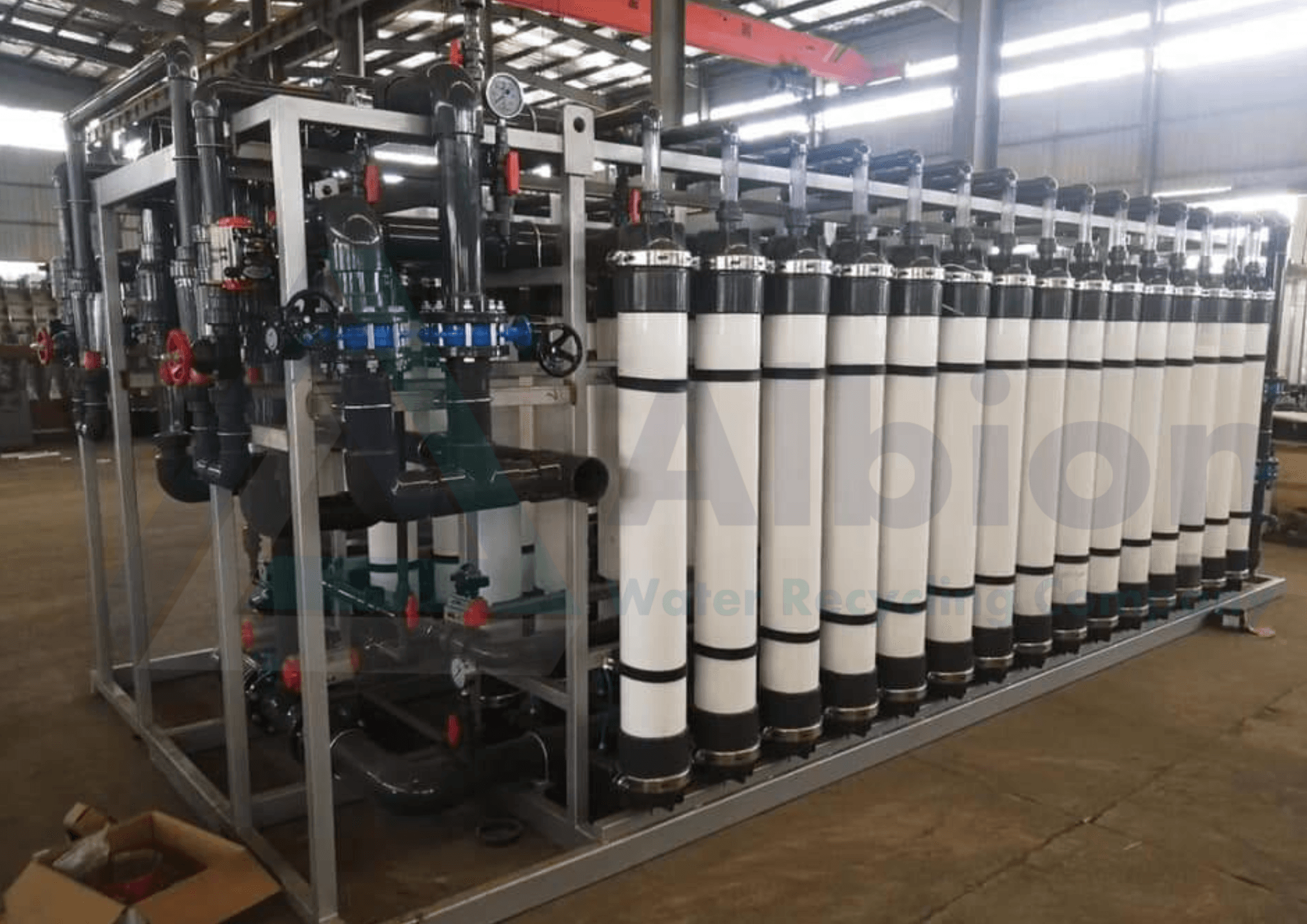
- Tertiary and reuse. Clarification or filtration and disinfection, and UF and RO where water is to be reused or a stricter standard applies.
- Sludge. DAF float and biological sludge are thickened and dewatered. Dairy sludge is organic and, where rules permit, may go for composting or biogas, but the route should be confirmed locally.
Choosing the biological process
- SBR fits dairies with intermittent operation and CIP-driven peaks, since cycle times can follow load, and nitrogen removal can be built into the cycle. It needs good automation and an equalisation tank sized for the daily swing.
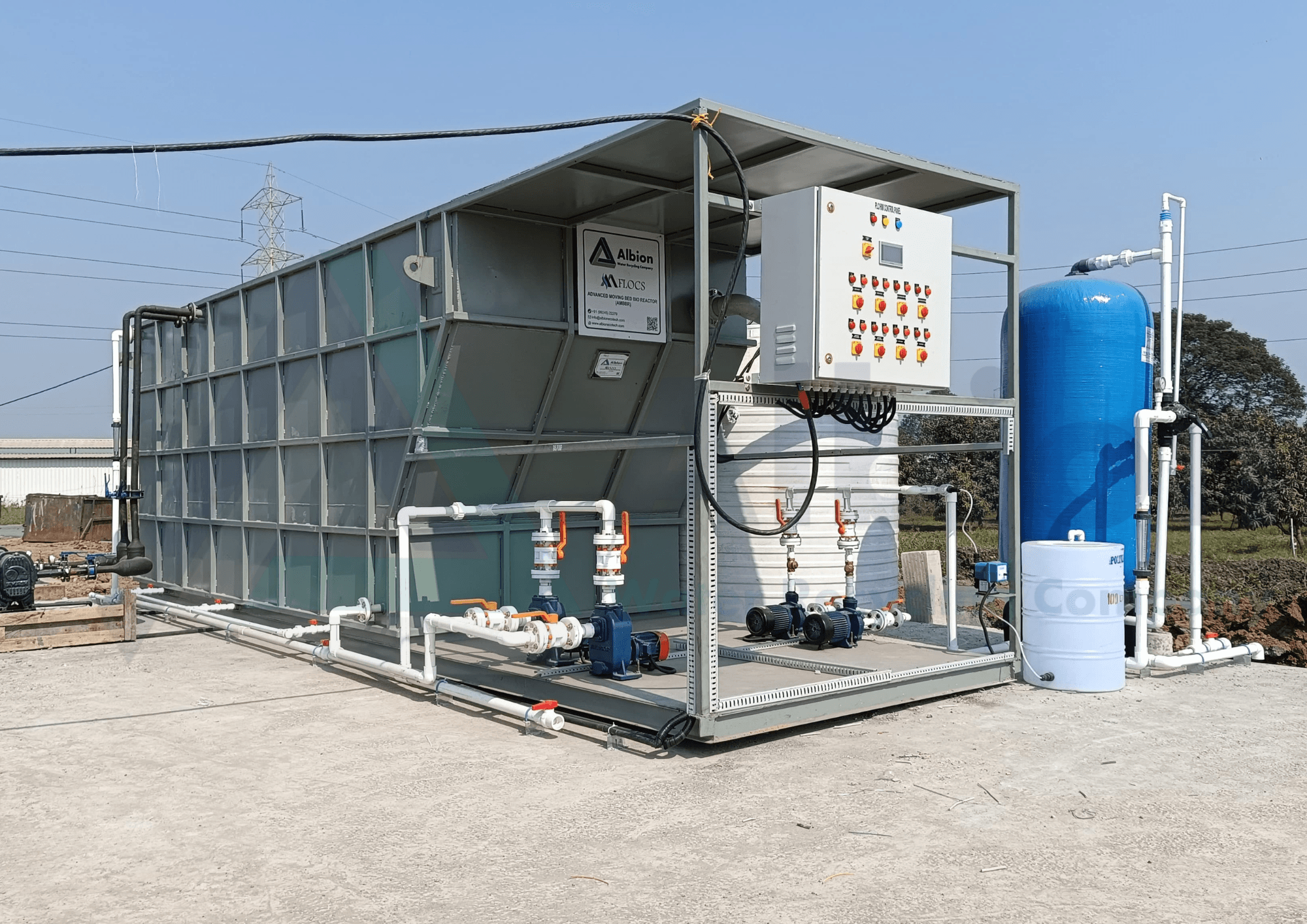
- MBBR and AMBBR suit variable, high-strength effluent on a tight plot. Attached biomass tolerates shock loads and a flush-season rise in load, and capacity can sometimes be raised by adding carriers to an existing tank. A clarifier or filter follows.
- MBR suits dairies that want reuse-grade water or have little space. Fat must be removed thoroughly ahead of the membranes, and the extra aeration and cleaning should be budgeted.
- Conventional activated sludge remains workable where land is available, but dairy sludge can bulk and settle poorly, so settling behaviour needs attention.
Water reuse in a dairy
Dairies are some of the better candidates for reuse because they use water continuously for cleaning and utilities. Water that touches milk or product has to meet food safety requirements, and treated effluent should not be assumed to qualify. Safer reuse targets are cooling tower make-up, boiler feed after RO, yard, tanker-exterior and floor washing, and landscaping. Evaporator condensate from powder and concentrate plants is a relatively clean stream that can often be polished and reused in utilities, but it should be checked against the plant's quality system first. UF and RO raise quality where stricter reuse is wanted.
Common mistakes
- Sizing the plant for average flow and ignoring CIP peaks and the flush-season rise.
- Omitting fat removal, then fighting scum and fouled diffusers.
- Leaving the balancing tank unmixed and unaerated, so the effluent sours before treatment.
- Sending whey to drain because recovery was never costed.
- Treating odour control and sludge disposal as afterthoughts.
How Albion Ecotech approaches dairy ETPs
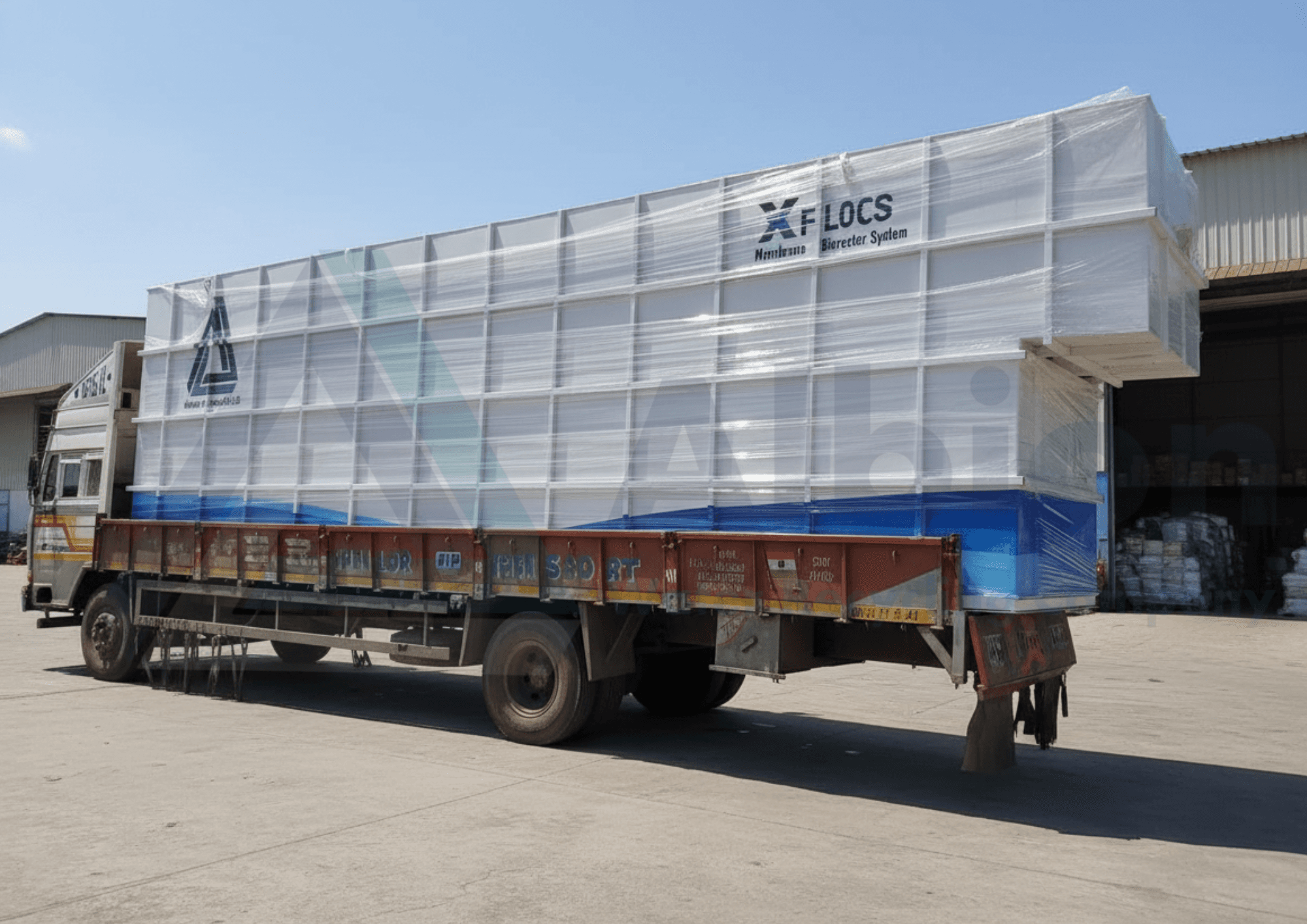
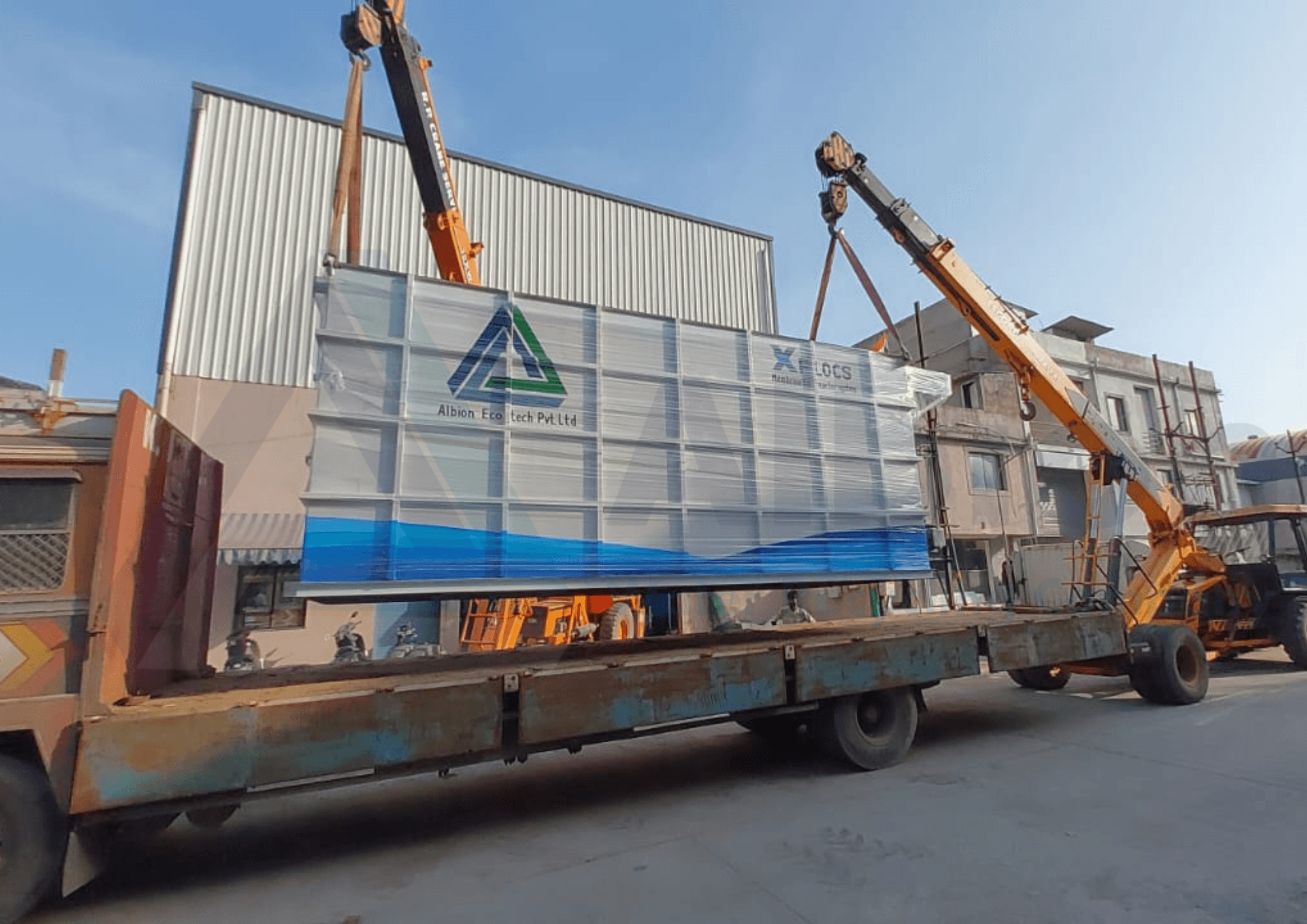
Albion Ecotech designs dairy ETPs around measured effluent data: flow and strength across processing and CIP cycles, fat content, pH swings, seasonal peaks and the discharge or reuse target. Typically that means screening and DAF-based fat removal, an aerated equalisation tank with pH control, a biological stage selected from SBR, MBBR or AMBBR, and MBR, and UF, RO or ZLD where reuse or recovery is the goal. Sludge management, energy-efficient aeration, PLC-based automation and post-commissioning support are part of the scope, and plants can be supplied in packaged or civil formats to suit the site and timeline.
Frequently Asked Questions
Why is dairy wastewater considered high strength?
Milk contains lactose, protein and fat, all of which are readily biodegradable and consume a lot of oxygen. Even small losses of milk, and especially whey, raise BOD and COD sharply.
Why does dairy effluent smell so quickly?
Bacteria consume the lactose and protein fast, using up oxygen. Once the effluent turns anaerobic, it produces organic acids and sulphide gases. Keeping the balancing tank mixed and aerated, and treating promptly, limits this.
Do dairies need a DAF unit?
Not always. A grease trap can be enough for plants with low fat loads, but dairies making butter, ghee, paneer, cheese or ice cream usually have enough fat and suspended solids that DAF is worthwhile to protect the biological stage.
Which biological process is best for a dairy ETP?
It depends on load, space and the quality target. SBR and AMBBR cope well with CIP-driven and seasonal variation, MBR suits reuse-grade water or limited space, and high-strength streams may justify an anaerobic stage before the aerobic one.
Can a dairy reuse its treated wastewater?
Yes for non-product uses such as cooling make-up, boiler feed after RO, washing and landscaping, once quality is confirmed. Water that contacts milk or product must meet food safety requirements, and treated effluent should not be assumed to qualify.