Why Leather and Tannery Units Need an ETP Wastewater Treatment Plant?
Turning a raw hide into leather takes water, salt, lime, sulphide, acids, chromium salts, dyes and oils, and almost all of it ends up in the drain. A tannery's effluent is dark, salty, alkaline in one step and acidic in the next, and loaded with protein, hair, fat and toxic chemicals. It smells because sulphide and decaying protein release hydrogen sulphide, and it is dangerous because chromium and salt do not disappear in any treatment plant or river. An effluent treatment plant (ETP) is the only way a leather unit can discharge, reuse or dispose of this wastewater without harming land, water and workers. This article explains why the sector needs one and how it is designed.

Where tannery wastewater comes from
- Soaking: removes salt, dirt, blood and dung from preserved hides, giving a salty, high-solids stream.
- Liming and unhairing: lime and sodium sulphide dissolve hair and loosen hide fibres. The liquor is strongly alkaline and carries sulphide, protein, hair and lime sludge, and it is among the strongest streams in the tannery.
- Fleshing, deliming and bating: fleshings add fat and protein, and ammonium salts used for deliming add ammoniacal nitrogen.
- Pickling: acid and large amounts of salt prepare the hide for tanning, giving acidic liquor with very high chlorides.
- Tanning: chrome tanning leaves spent liquor and washings rich in trivalent chromium. Vegetable tanning leaves dark, high-COD liquor with tannins that resist breakdown.
- Retanning, dyeing and fatliquoring: dyes, syntans, oils and surfactants add colour and further organic load.
- Finishing and washing: water-based finishes, floor and machine washing, and sanitary wastewater from a large workforce.
What makes tannery effluent hard to treat
- High organic load. Protein, hair, fat and fleshings give very high COD and BOD, with large volumes of suspended solids.
- Sulphide. Toxic to microorganisms and, when the pH drops, released as hydrogen sulphide gas, which is poisonous and has caused fatal accidents in tannery drains and tanks. Sulphide streams must never be mixed with acidic ones.
- Chromium. Trivalent chromium is much less toxic than the hexavalent form, but it is regulated, accumulates in sediment and sludge, and can convert to hexavalent chromium under some conditions.
- Very high salinity. Salt used in curing and pickling leaves chlorides and sulphates at levels that stress biological treatment, ruin irrigation land and make discharge difficult. Salt is the hardest part of tannery wastewater to remove.
- Ammoniacal nitrogen. From deliming salts and protein breakdown, it needs nitrification and denitrification and is toxic to aquatic life.
- Colour and refractory organics. Vegetable tannins, syntans and dyes resist biological breakdown.
- Extreme pH and batch variability. Alkaline and acidic streams alternate through the day, and each batch differs.

Why an ETP is not optional
Regulatory consent. Leather processing is a regulated category in India. Units operate under consent from the State Pollution Control Board, with limits on pH, BOD, COD, suspended solids, sulphide, chromium, ammoniacal nitrogen and dissolved solids. In several tannery clusters, effluent must go to a common effluent treatment plant, and some units or clusters are required to run zero liquid discharge. Requirements differ by state, cluster and consent, so they should be confirmed with the Board before design.
Hazardous waste control. Chromium-bearing sludge, trimmings and shavings, and sludge from tannery ETPs are generally classified as hazardous waste. They must be stored, transported and disposed of through authorised routes with records. Good sludge management in the ETP design keeps that volume down.
Protecting rivers, soil and groundwater. Untreated tannery effluent strips rivers of oxygen, kills fish, raises soil salinity and contaminates groundwater with chlorides and chromium, which can make wells unusable for decades.
Worker and community safety. Hydrogen sulphide from mixed streams is a lethal hazard, and odour affects neighbours. Controlled collection and treatment reduces both.
Export and brand requirements. Leather buyers, especially in footwear, fashion and automotive supply chains, audit tanneries on effluent treatment, chemical management and water use, and a working ETP is part of keeping orders.
Water security and cost. Tanning uses a lot of water per hide, and many clusters face groundwater stress. Recovering water and chemicals from the effluent cuts both intake and discharge.
How a tannery ETP is built
- Segregation at source. Separate lines for sulphide-bearing liming liquor, chrome-bearing tanning liquor, acidic pickle liquor and general composite wastewater. This single decision makes the plant safer and cheaper.
- Sulphide oxidation. The liming stream is aerated with a catalyst, usually a manganese salt, at alkaline pH so sulphide converts to harmless sulphate before it meets other streams.
- Chrome recovery. Spent chrome liquor is precipitated with an alkali such as magnesium oxide, filtered, and the chromium hydroxide redissolved in acid for reuse in tanning. This cuts chromium discharge and chemical cost together. Chromium treatment follows the same chemistry covered in the guide for metal and electroplating units.
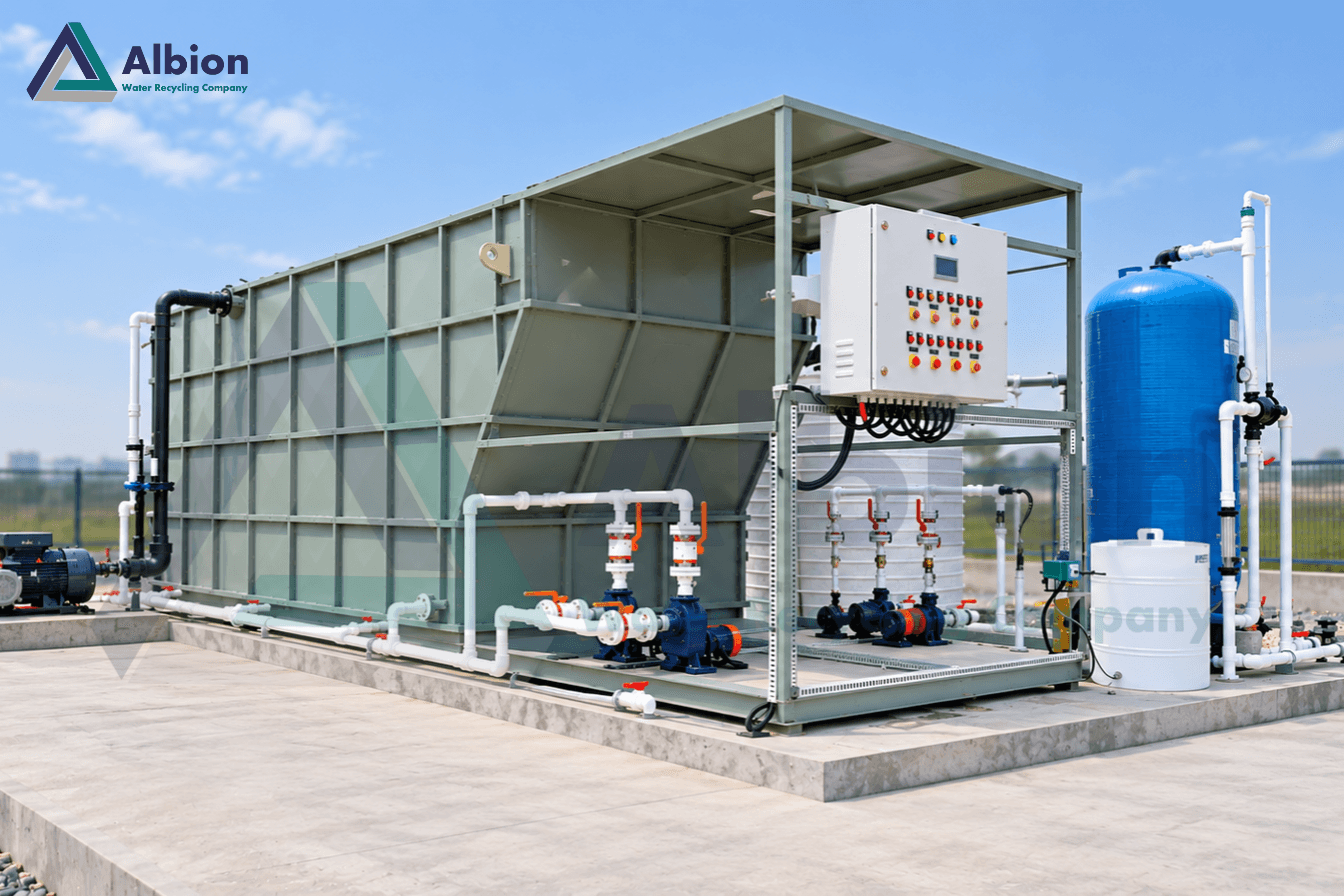
- Screening and equalisation. Screens remove hair, flesh and trimmings, and a mixed, aerated balancing tank evens out the swings in pH, solids and strength.

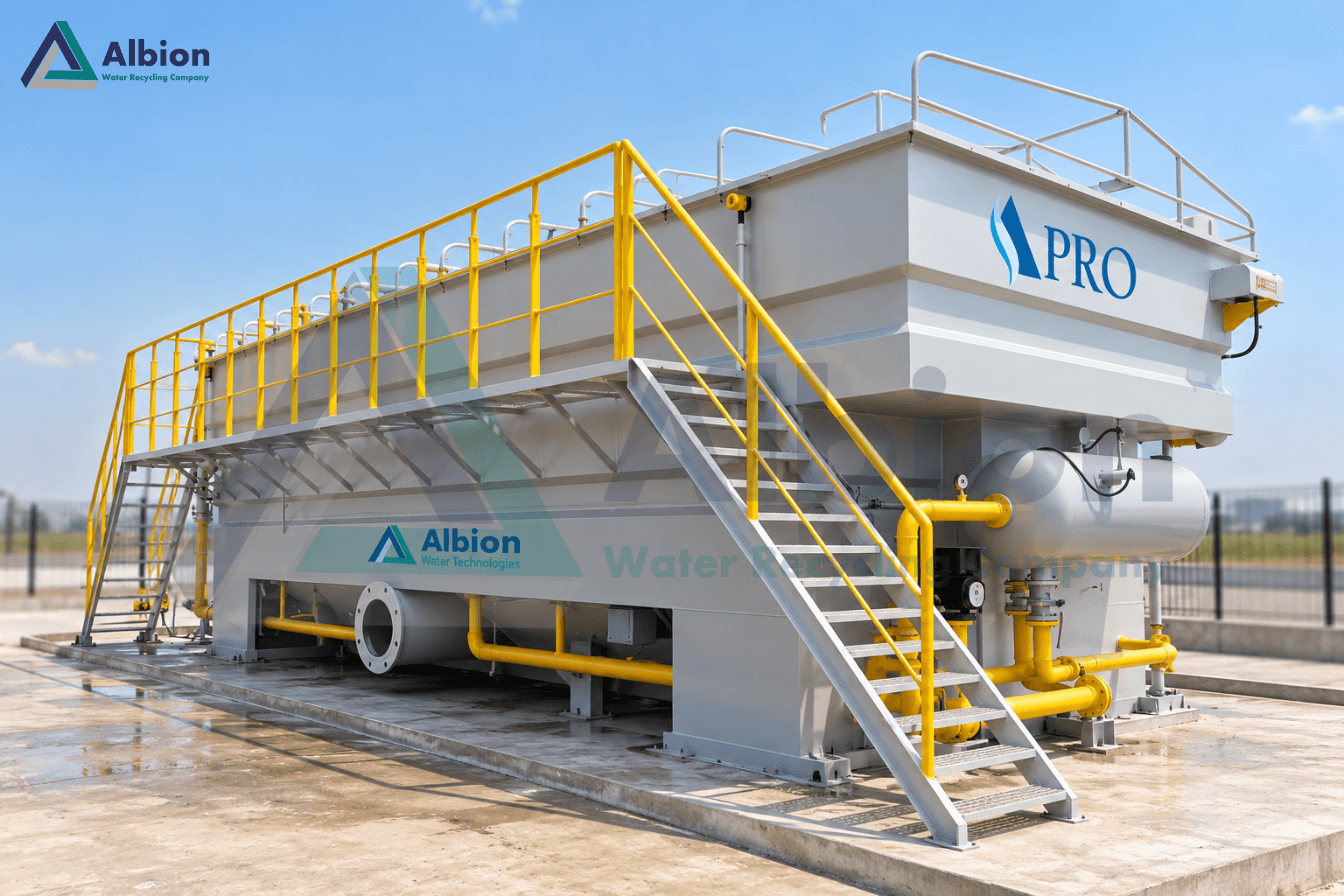
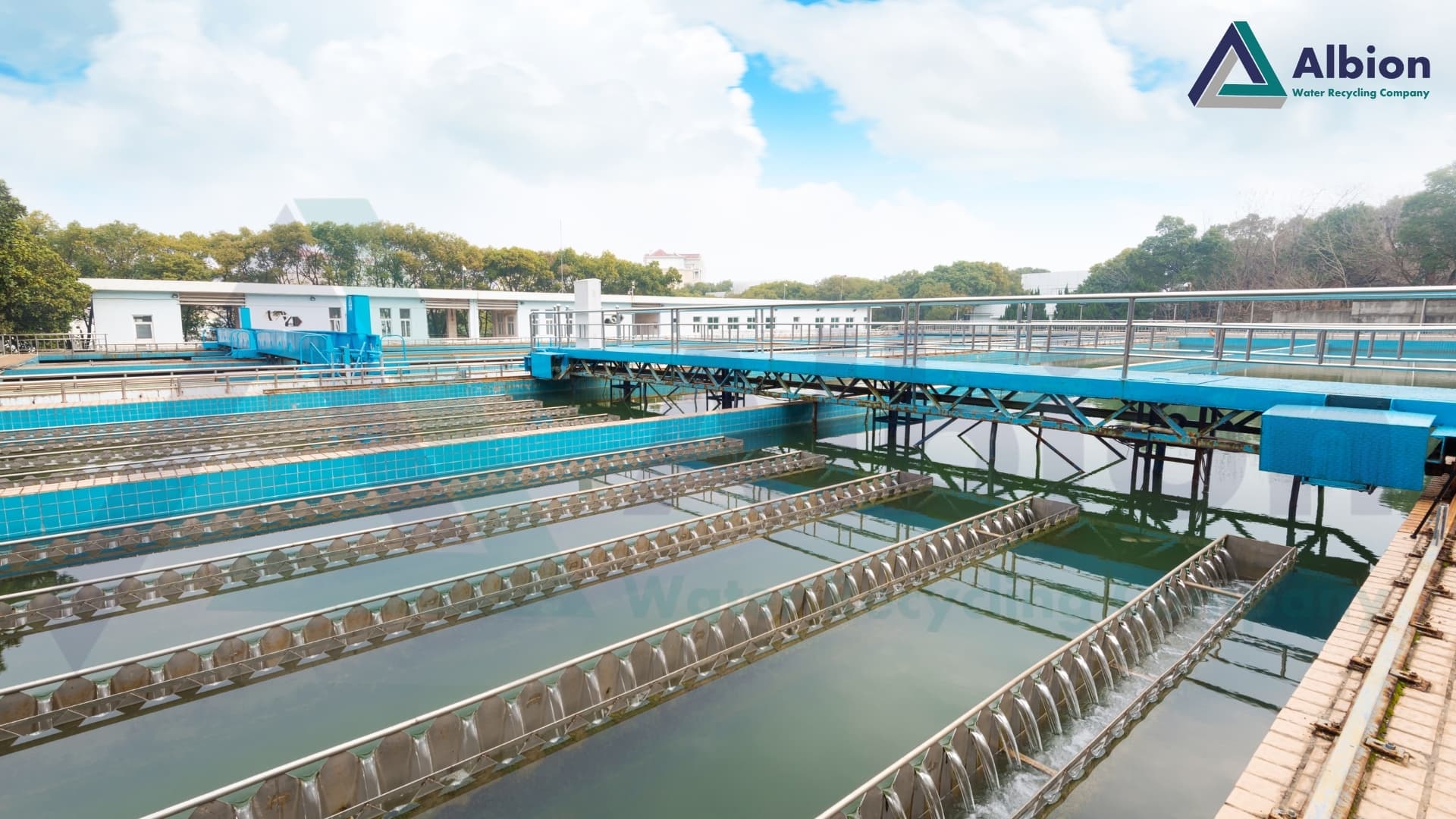
- Primary treatment. Coagulation and flocculation followed by settling or flotation remove suspended solids, fat, residual chromium and a large share of the organic load, with the sludge sent to dewatering.
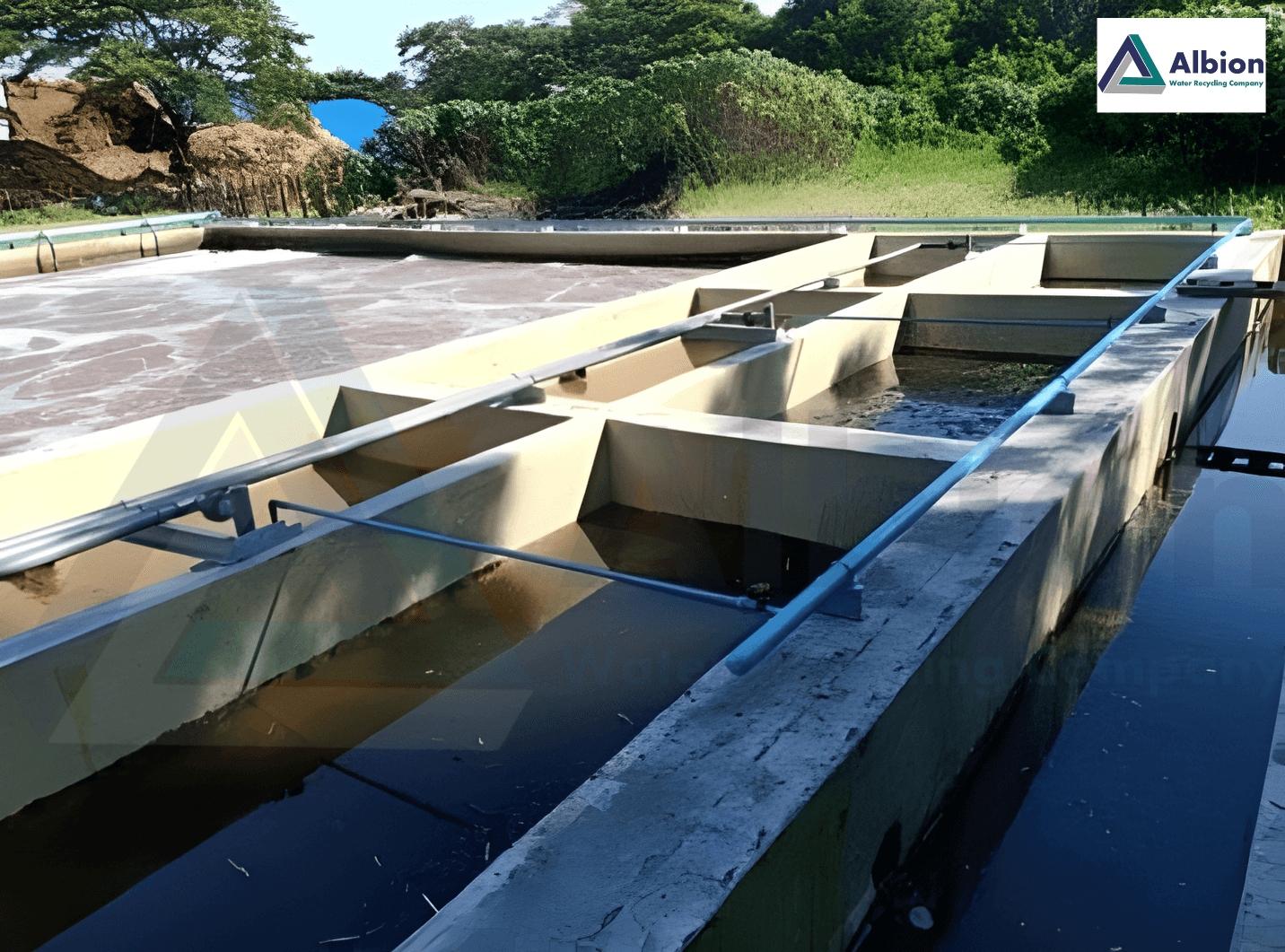
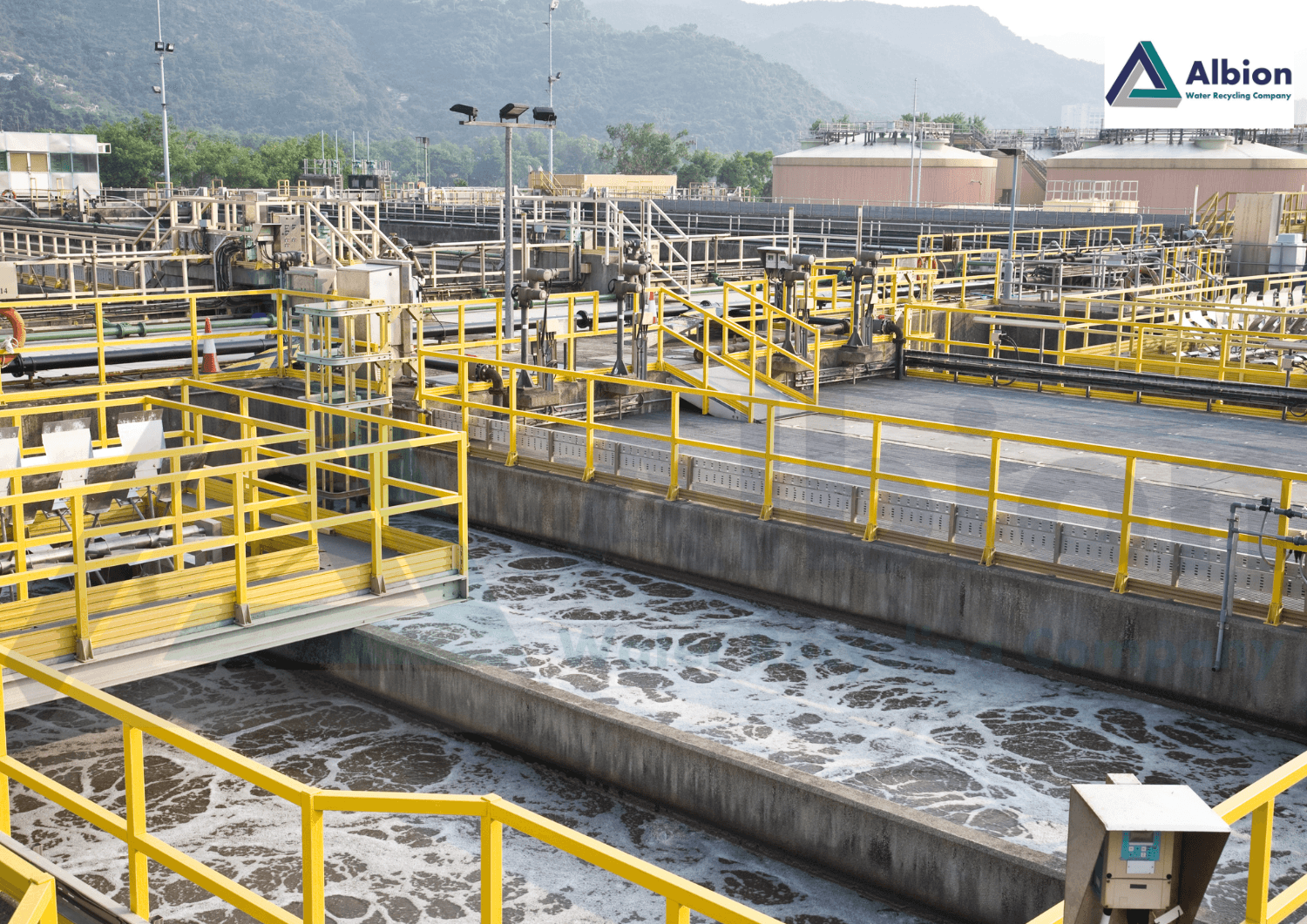
- Biological treatment. Aerobic processes remove the remaining BOD and COD and, with anoxic zones, ammonia nitrogen. Attached-growth systems such as Albion Ecotech's M-Flocs AMBBR tolerate salinity swings and shock loads better than many suspended-growth designs, and SBR and MBR are also used. Salt must be managed, since very high chloride limits biological activity.
- Tertiary treatment and colour removal. Clarification, filtration and, where needed, carbon or advanced oxidation reduce colour and refractory COD, particularly from vegetable tanning.
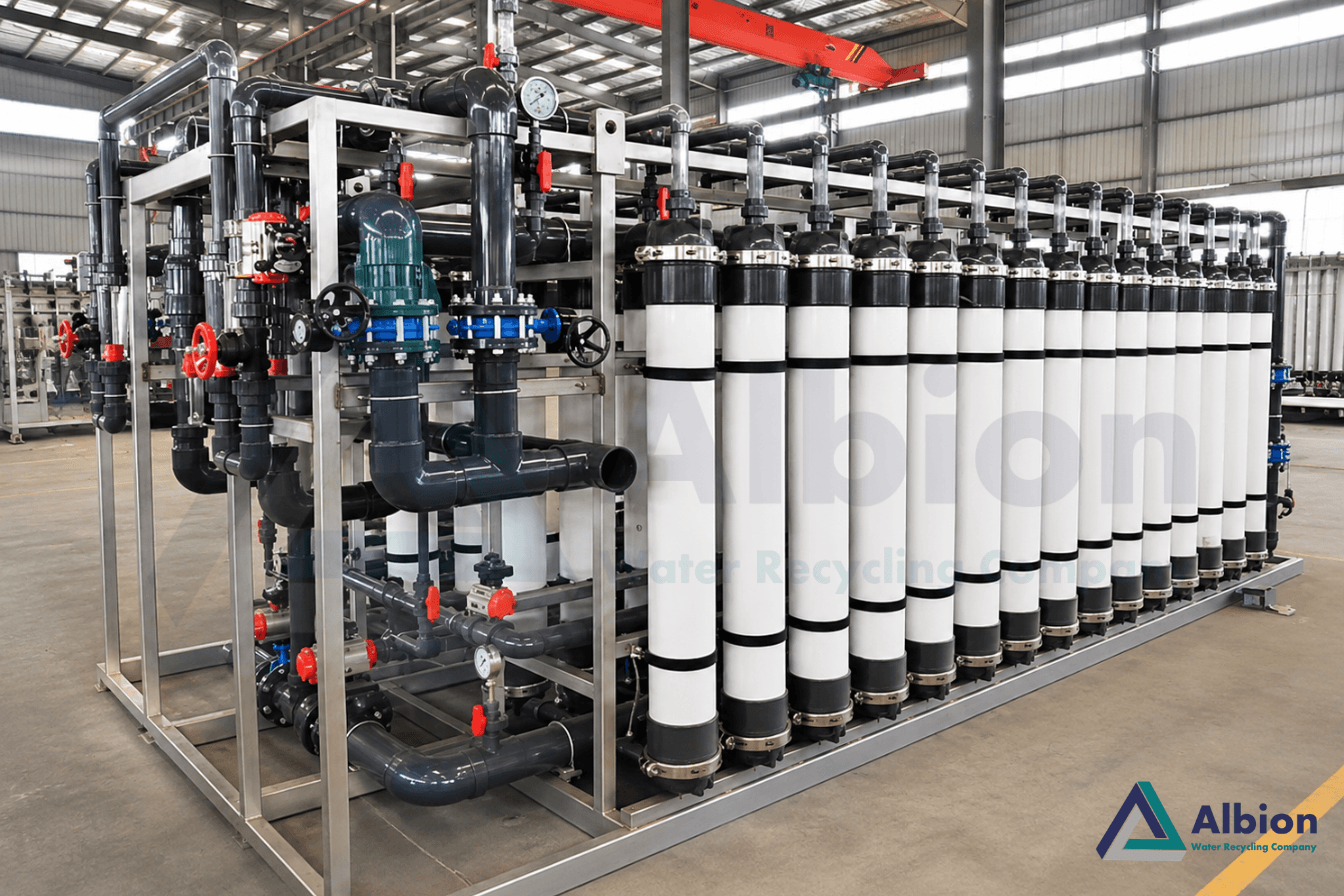
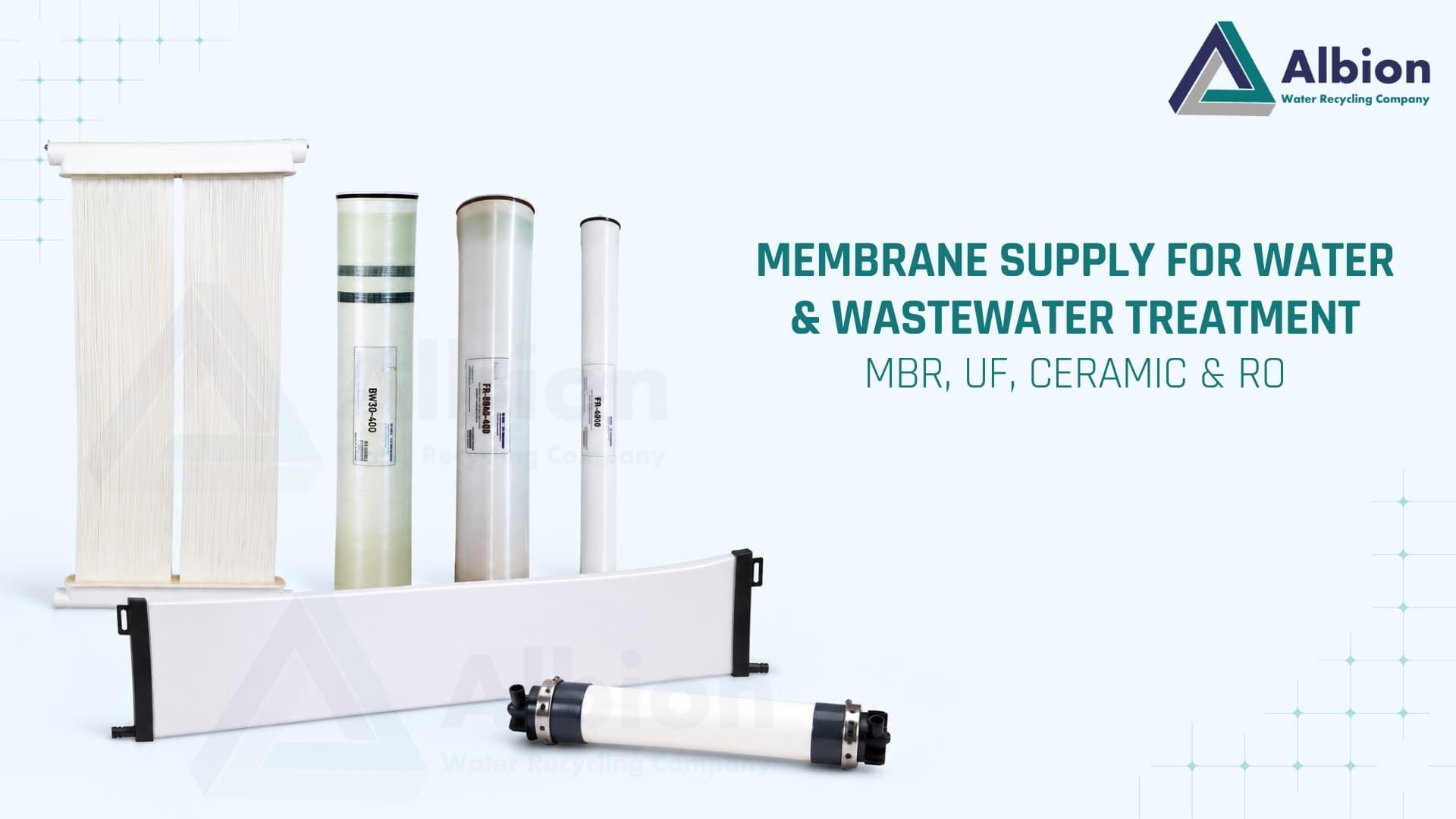
- UF, RO and ZLD. UF protects RO, which removes salt and produces reusable water. The reject, rich in chlorides, is concentrated in evaporators and dried so that nothing leaves as liquid. This is the most energy-intensive stage, and the salt residue is usually hazardous and needs an authorised disposal route.
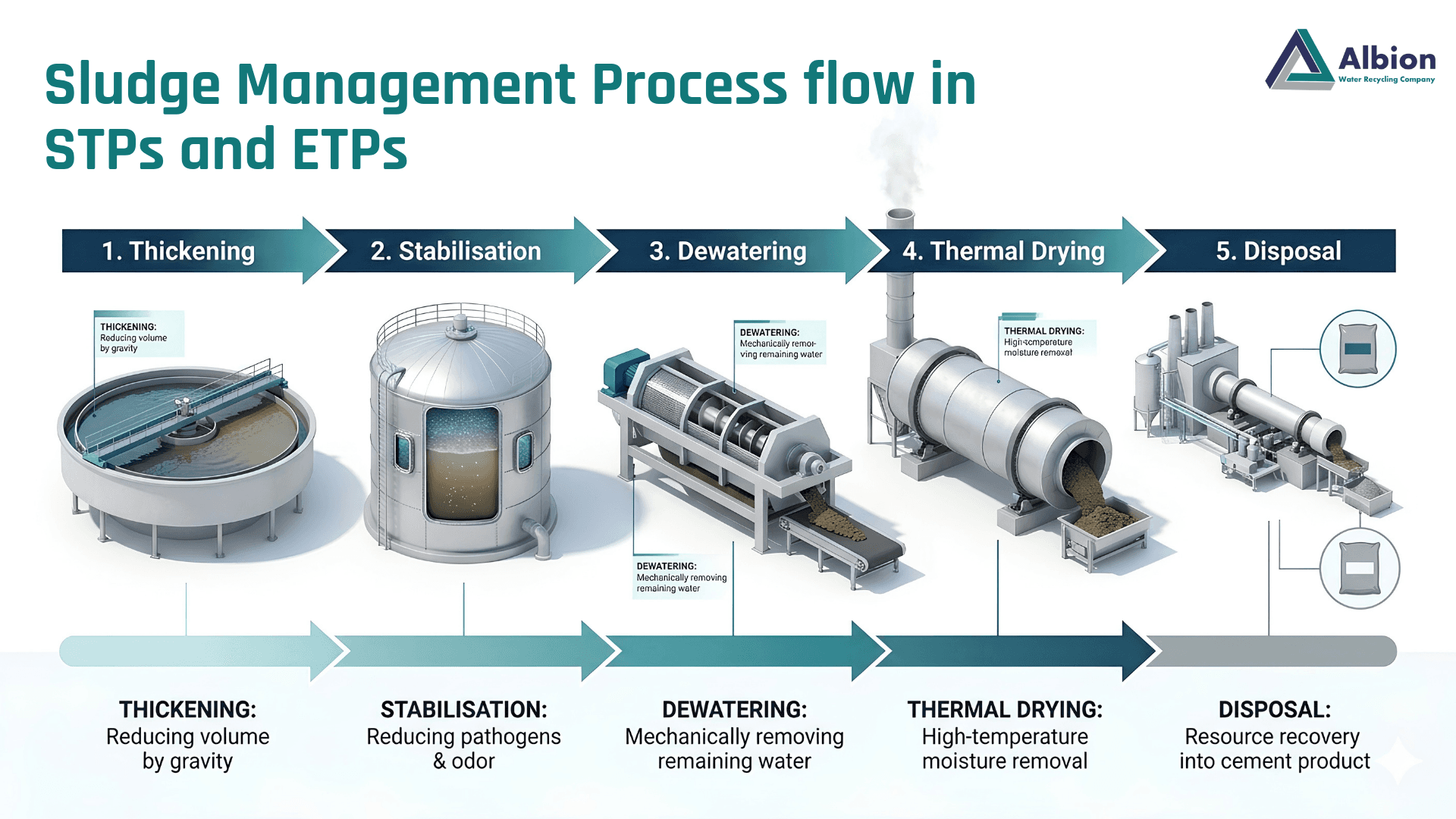
- Sludge handling. Primary sludge with chromium, lime sludge and biological sludge are dewatered, typically in a filter press, and sent to authorised hazardous waste facilities.
Reuse and recovery
Water and chemicals can be recovered at several points. Spent chrome liquor can be reused after recovery, and soak and pickle liquors can sometimes be recycled within the process. RO permeate can supply soaking, washing, boiler feed and cooling, once its quality is confirmed against the process, since salts and hardness affect leather quality. Where discharge is not permitted, Albion Ecotech evaluates ZLD as the final stage of the train, looking at reject volume, energy demand and the salt disposal route before recommending it. The reasoning is set out in the whitepaper on water reuse and zero liquid discharge.
Reduce the load before the ETP
- Use hair-save unhairing, which recovers hair instead of dissolving it, and enzymatic unhairing to cut sulphide and organic load.
- Use low-salt or salt-free preservation, and brush or shake salt off hides before soaking.
- Use high-exhaust chrome tanning and recover chrome from spent liquor.
- Replace ammonium salts with carbon dioxide deliming to cut ammoniacal nitrogen.
- Use batch washing with controlled water volumes, and meter water by process step.
- Collect fleshings and trimmings dry rather than washing them into drains.
Common mistakes
- Mixing sulphide and acidic streams, which releases lethal hydrogen sulphide.
- Letting chrome liquor flow into the composite stream, so every sludge becomes chromium-bearing.
- Skipping equalisation, so batch dumps overwhelm the biology.
- Ignoring salt until the biological stage fails or the RO and evaporators are overloaded.
- Using standard materials in salty, corrosive service, leading to early failure.
- Leaving sludge and salt disposal until after commissioning.
Our approach to tannery ETPs
Albion Ecotech designs effluent treatment plants for tanneries from measured data: the process route, sulphide and chromium content, salinity, ammonia, flow by stream and the discharge or ZLD requirement that applies. Depending on the unit, the train may combine segregation, sulphide oxidation, chrome recovery, primary treatment, a biological stage selected from AMBBR or MBBR, SBR and MBR, polishing, UF and RO, and ZLD where needed. Sludge handling, energy-efficient equipment, corrosion-resistant materials, PLC-based automation and post-commissioning support are part of the scope, and plants can be supplied in packaged or civil formats.
Frequently Asked Questions
Why does a tannery need an ETP?
Tannery effluent carries sulphide, chromium, high salt, ammonia, fat and protein, which harm rivers, soil, groundwater and workers and are regulated under pollution control consent and hazardous waste rules. An ETP treats it before discharge and enables water recovery.
Why is salt such a problem in tannery wastewater?
Salt from curing and pickling is not removed by biological treatment. It limits discharge and irrigation use and strains biology, so it is handled by RO and, where discharge is not permitted, evaporation and ZLD.
How is chromium removed from tannery wastewater?
Spent chrome liquor is segregated and precipitated with alkali so the chromium can be recovered and reused, and residual chromium is removed in primary treatment. The sludge is dewatered and disposed of as hazardous waste.
How is sulphide treated?
The liming stream is aerated at alkaline pH with a catalyst, commonly manganese, so sulphide oxidises to sulphate. It must be kept apart from acidic streams to avoid releasing toxic hydrogen sulphide.
Is zero liquid discharge mandatory for tanneries?
Not for every unit. Several tannery clusters require ZLD or common effluent treatment, but it depends on the state, cluster and consent. The applicable conditions should be confirmed with the State Pollution Control Board.