Water Utilities Struggle to Attract Private Capital: Why Wastewater Treatment Must Be Part for fix
Reaching universal access to safe water and sanitation in Eastern and Southern Africa will take far more money than public budgets and development finance can supply. Private capital is the obvious gap-filler, but a multiphase programme running across 12 countries in the region has found that money is not the main obstacle. Preliminary creditworthiness assessments of seven participating utilities showed that only two reached the minimum threshold, and experience with commercial borrowing was extremely limited. The barrier, in other words, is the readiness of the utilities themselves, not a shortage of financial instruments.
What investors look for
Lenders and investors back utilities that manage their finances responsibly, recover their costs, plan investments and operate transparently. Creditworthiness is a signal of governance, financial discipline and operating capacity, not simply a ticket to a loan. The assessments also gave participating countries a roadmap, pointing to specific weaknesses in governance, financial management, operational performance and regulation that can be fixed over time. Working toward creditworthiness pays off before any financing arrives, because it improves efficiency, accountability and the reliability of service.
Water lost before it earns anything
One of the biggest levers is non-revenue water: treated water that never produces income because of leaks and other physical or commercial losses. Across many utilities, 40 to 70 percent of treated water is lost this way. Each loss erodes the utility's ability to cover costs, maintain assets and invest. Cutting it is often one of the fastest and most practical ways to improve finances while improving service.
Data that investors and regulators can trust
Many utilities still lack consistent, audited and publicly available financial and operating data. To address that, participating regulators and ministries have agreed to contribute utility information to a regional database for benchmarking, performance monitoring and investment planning. Better data lets utilities see where they stand, gives governments evidence for reform, and gives investors something concrete to evaluate. The programme also stresses that utility reform alone is not enough, since governance, regulation and the wider institutional environment decide whether improvements last.
Why this leads back to wastewater treatment
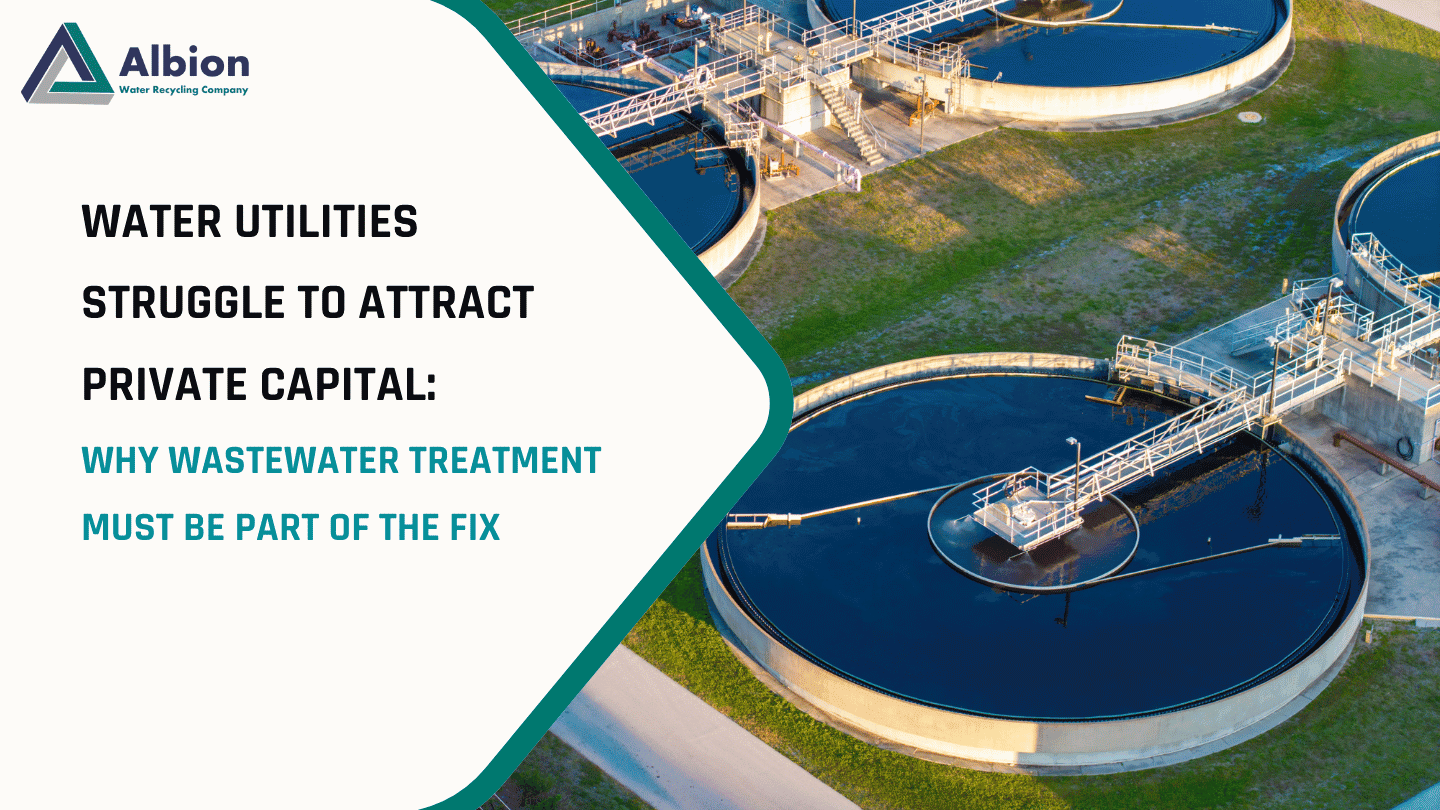
The debate is framed around water supply and sanitation together, and the sanitation half is where treatment plants come in. A utility that collects sewage but does not treat it moves a health and environmental problem from the house to the river, the groundwater and the neighbouring town. Safe water and a sustainable future both depend on treating wastewater properly, and the same discipline investors ask of utilities applies to treatment assets.
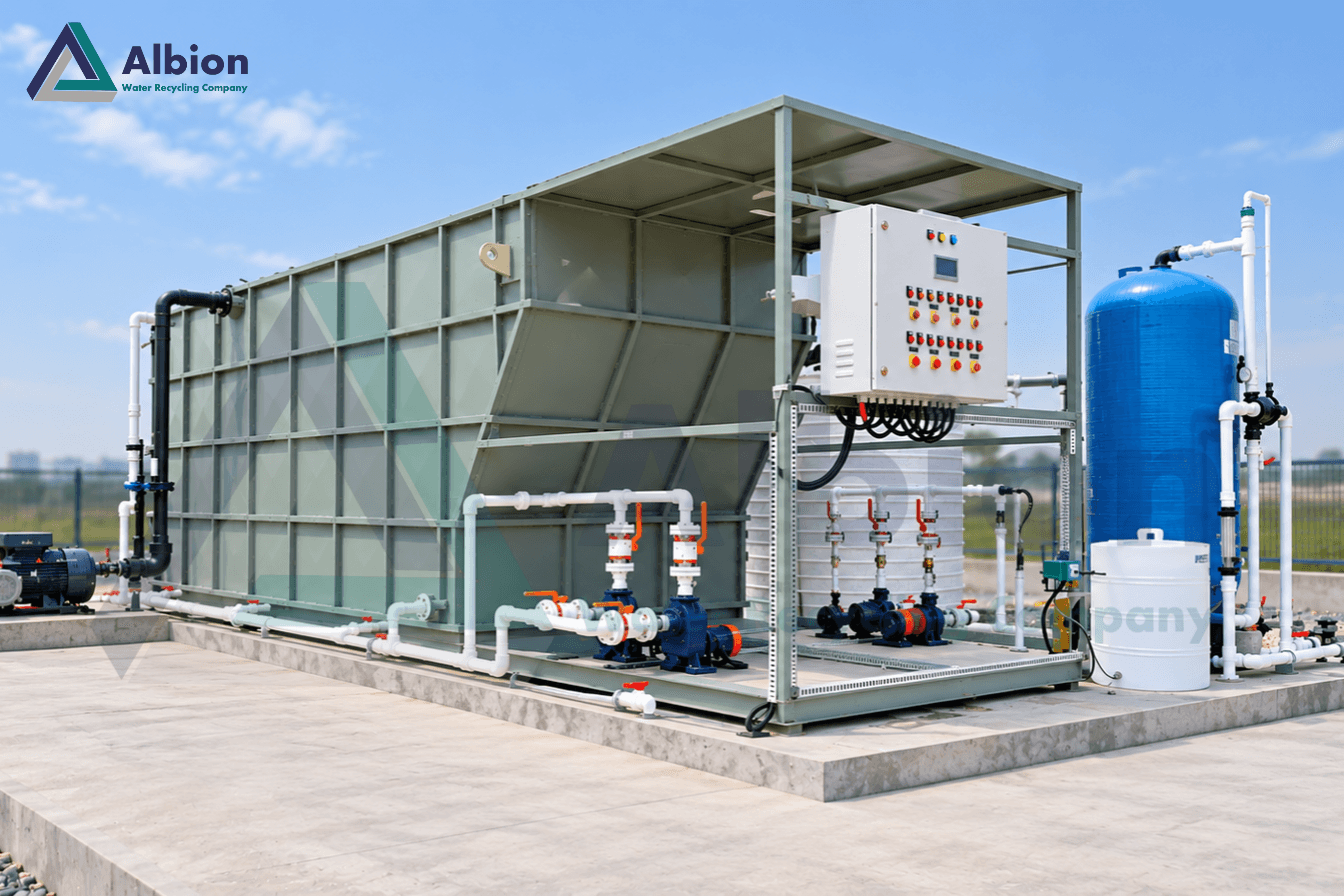
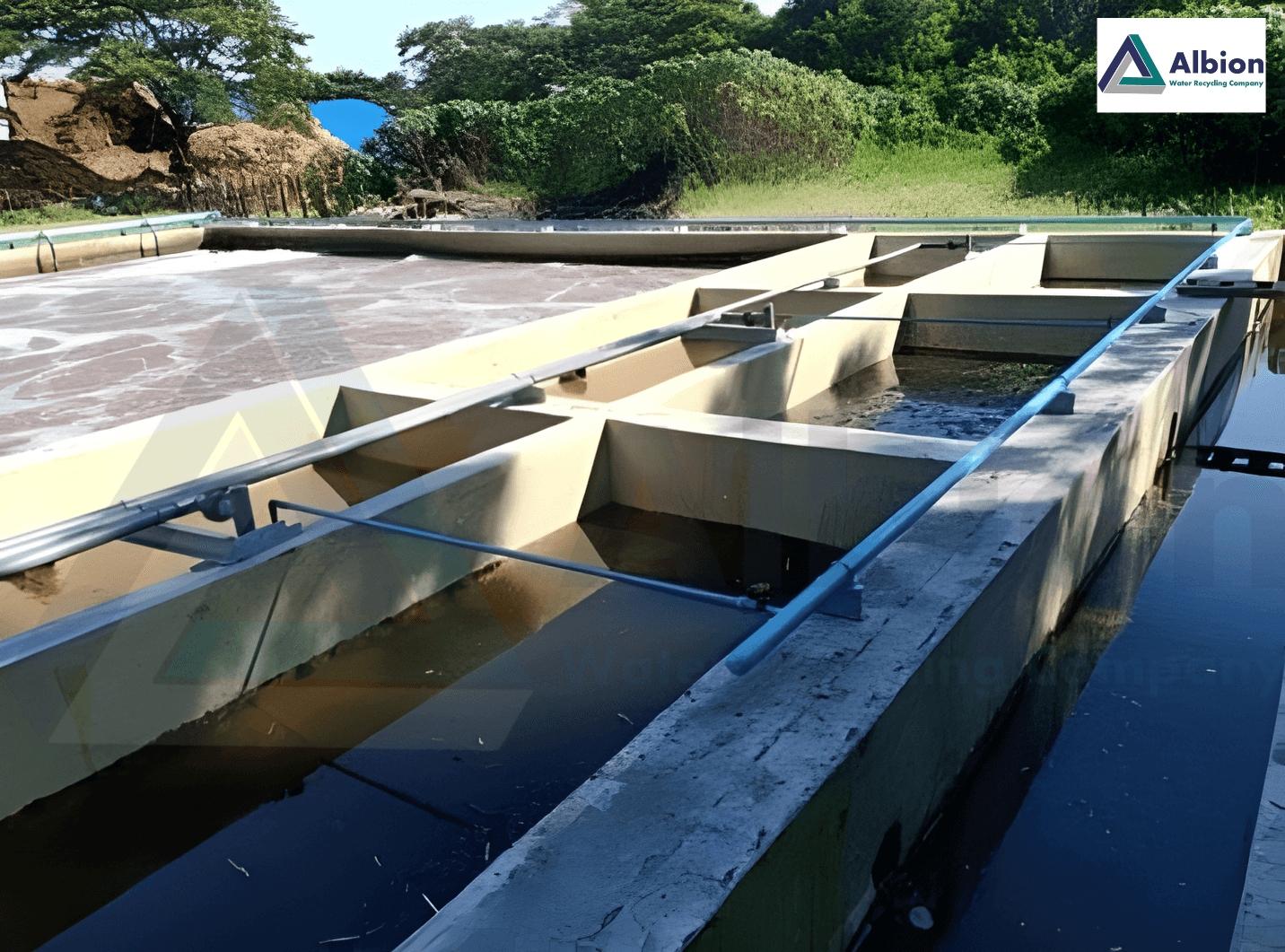
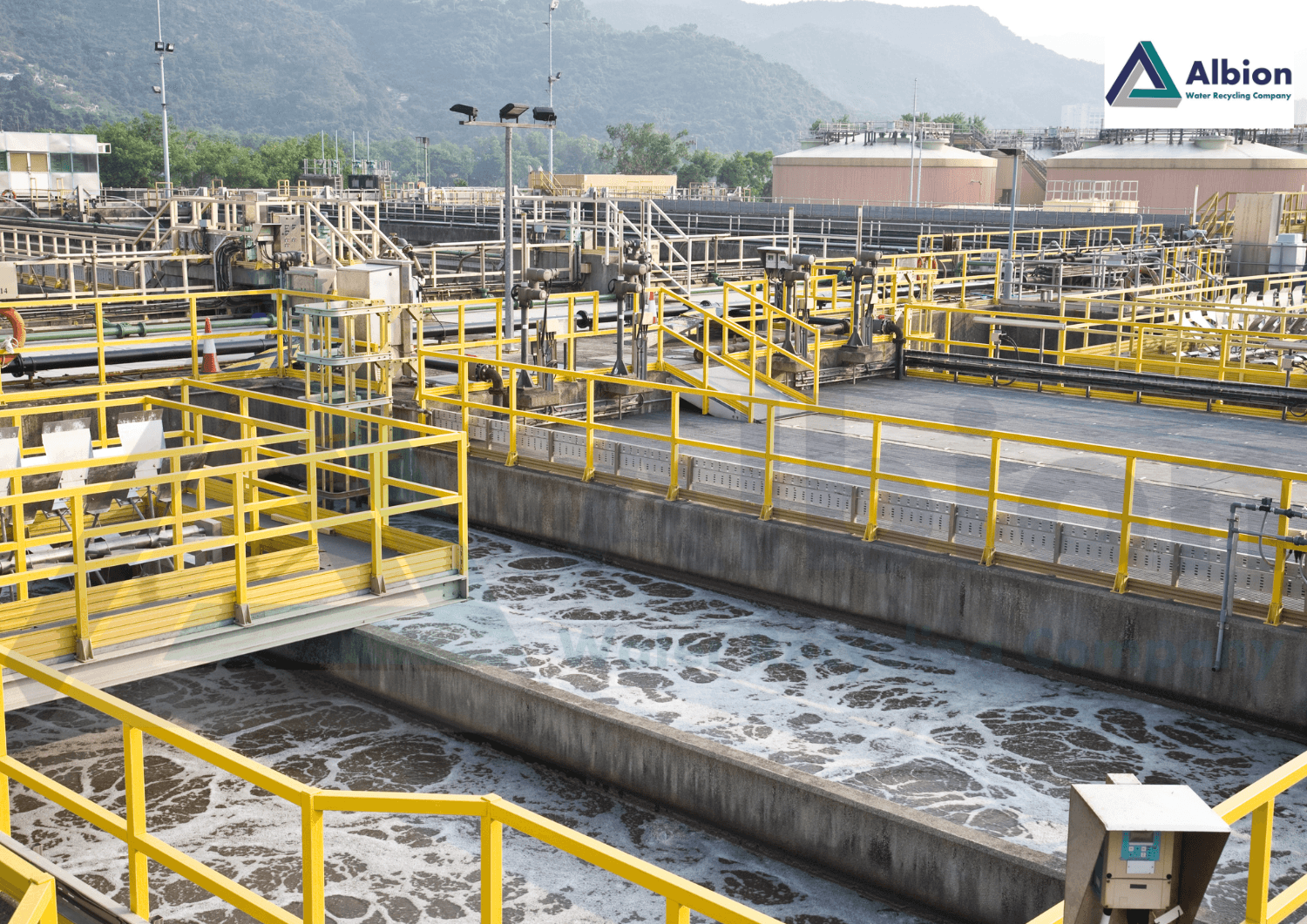
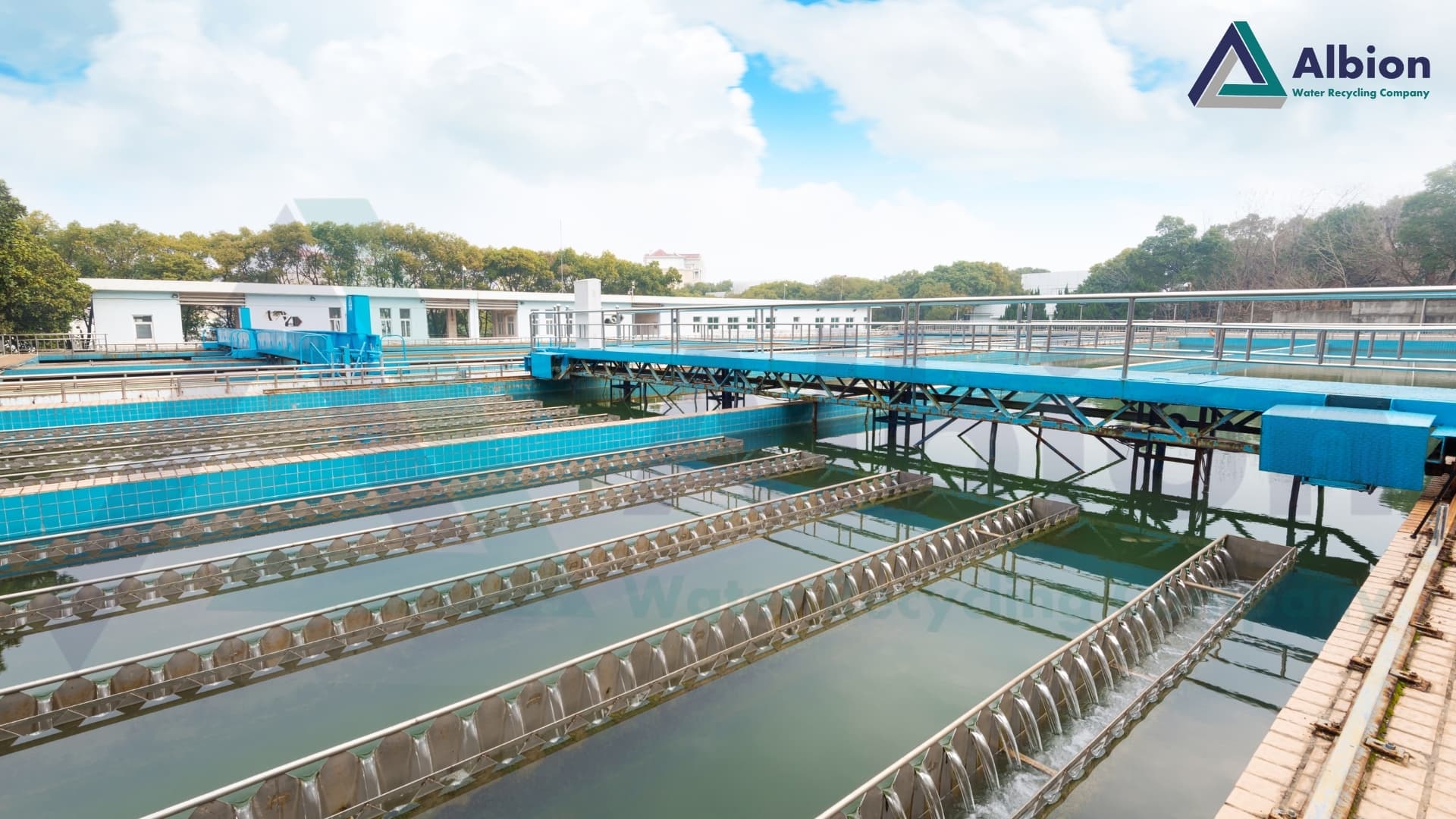
A wastewater treatment plant, whether a sewage treatment plant (STP) for towns and buildings or an effluent treatment plant (ETP) for industry, does several things that bear on the points above:
- It protects health and water sources. Untreated sewage carries pathogens and organic load into the same rivers and aquifers that supply drinking water. Treatment is what makes sanitation safe in practice rather than only on paper.
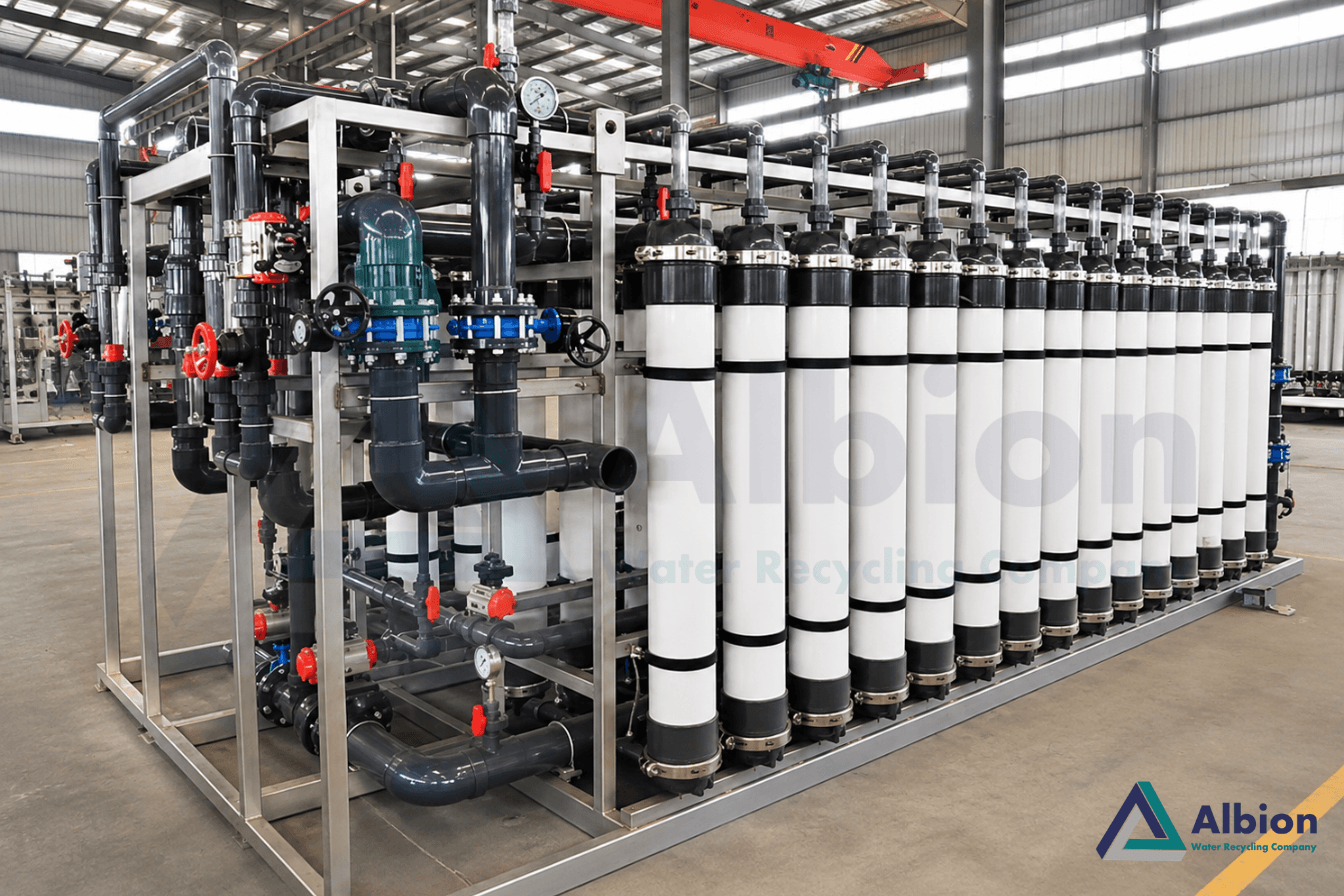
- It turns waste into a usable resource. Treated water can be reused for landscaping, flushing, construction, cooling and industry, which eases demand on scarce fresh water. With filtration, UF and RO it can reach higher grades, and recovery of water reduces what a utility has to source and treat from scratch. For a utility that loses a large share of its supply, a second, locally generated water stream is a practical hedge.
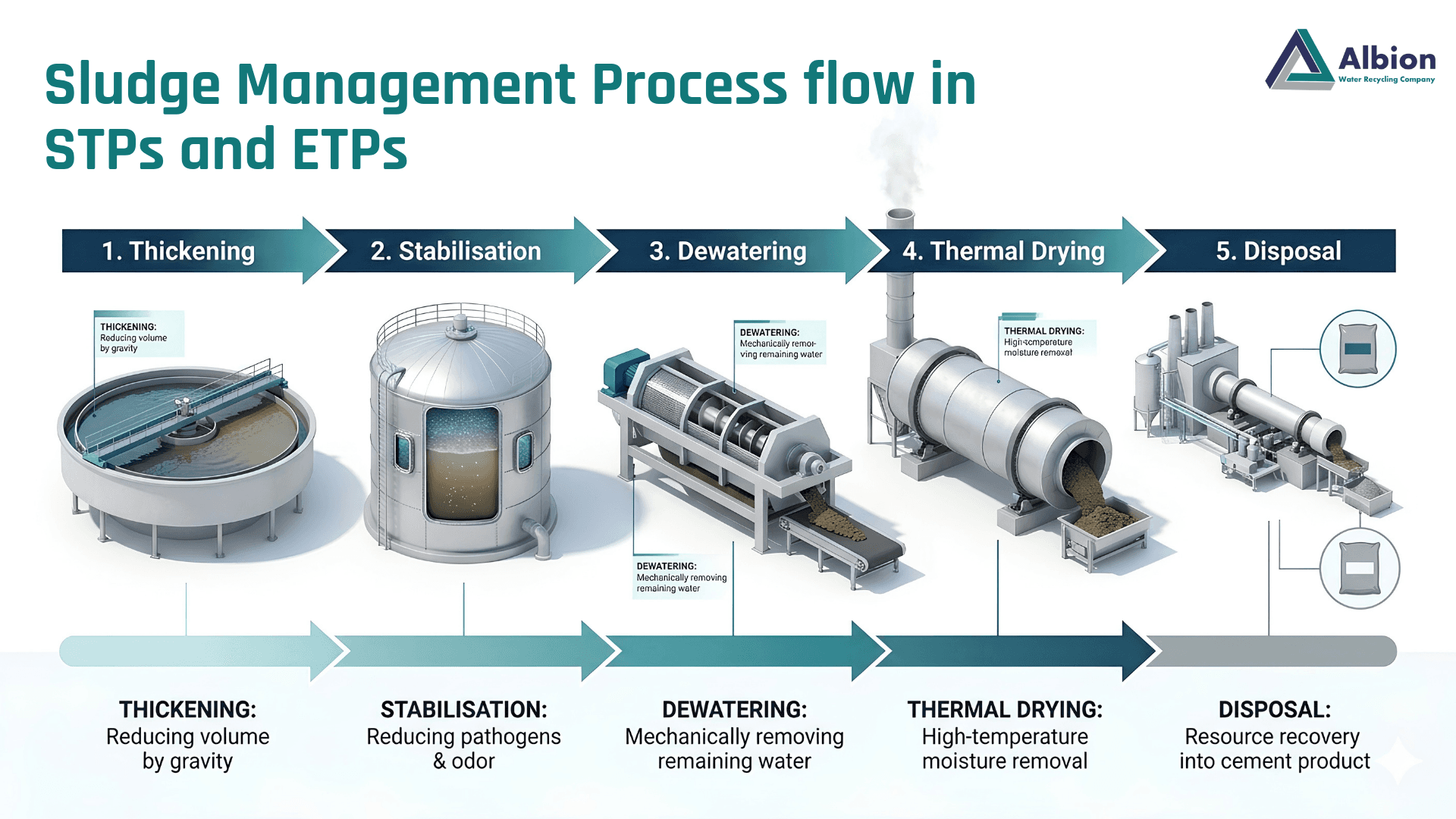
- It can be run as a performance-managed asset. A plant designed for the real flow and load, with energy-efficient aeration, controlled sludge handling and measured operating cost, is the kind of asset that can be budgeted and financed. A plant that is oversized, poorly automated or left without operators is the reverse, and tends to become a recurring cost and a compliance risk.
- It generates the data that transparency depends on. PLC-based automation, flow meters and online monitoring record inflow, treated water quality, energy use and chemical consumption. That is exactly the consistent, auditable operating information regulators and investors say is missing in many places.
- It supports the wider enabling environment. Clear discharge standards and a working treatment plant give regulators something to enforce and communities something to rely on, which strengthens the case for further investment.
What a sound wastewater asset looks like
- Technology matched to the site, such as SBR, MBBR or AMBBR for variable loads and tight plots, or MBR where reuse-grade water is needed, rather than one standard design everywhere.
- A construction format that fits the schedule and budget, with packaged plants for speed and civil plants for larger permanent capacity.
- Operating cost planned from the start, including energy, chemicals, sludge handling and membrane replacement where relevant.
- A defined route for treated water, whether discharge, reuse or ZLD, and for sludge.
- Automation, monitoring and trained operators, with maintenance support after commissioning.
The takeaway
The lesson from the utility findings is that capital follows performance, and performance comes from governance, measurement and efficiency. Wastewater treatment fits that logic. A well-designed, well-run plant protects public health and water sources, recovers water that would otherwise be lost, and produces the data and cost discipline that make an asset financeable. That is why wastewater treatment plants are not an optional extra but a basic requirement for a safe and sustainable water future, in Africa and everywhere else.
Albion Ecotech designs and executes STPs and ETPs using SBR, MBBR and AMBBR, and MBR processes, with UF, RO and ZLD options for water reuse and recovery, sludge management, energy-efficient equipment and PLC-based automation, in packaged and civil formats.
Frequently Asked Questions
What does a creditworthy water utility mean?
One that manages its finances responsibly, recovers costs, plans investment and operates transparently, so that lenders and investors can trust it to repay and to manage assets well.
What is non-revenue water?
It is treated water that earns no income because of leaks and other physical or commercial losses. Across many utilities, 40 to 70 percent of treated water is lost in this way.
Why do wastewater treatment plants matter for sustainable water supply?
They stop untreated sewage from contaminating rivers and groundwater, and they allow treated water to be reused, which reduces demand on fresh sources. Both are needed for supply that is safe and lasts.
Can treated wastewater be reused?
Yes. Depending on the treatment level, it can be used for landscaping, flushing, construction, cooling and industrial uses, and higher-grade treatment with UF and RO widens the options. Applicable quality standards should be confirmed for each use.
How does automation help a wastewater plant?
PLC-based control keeps operation consistent and records flow, quality, energy and chemical use, which gives owners and regulators reliable operating data and helps control running cost.