Why Beverage and Bottling Plants Need an ETP Wastewater Treatment Plant
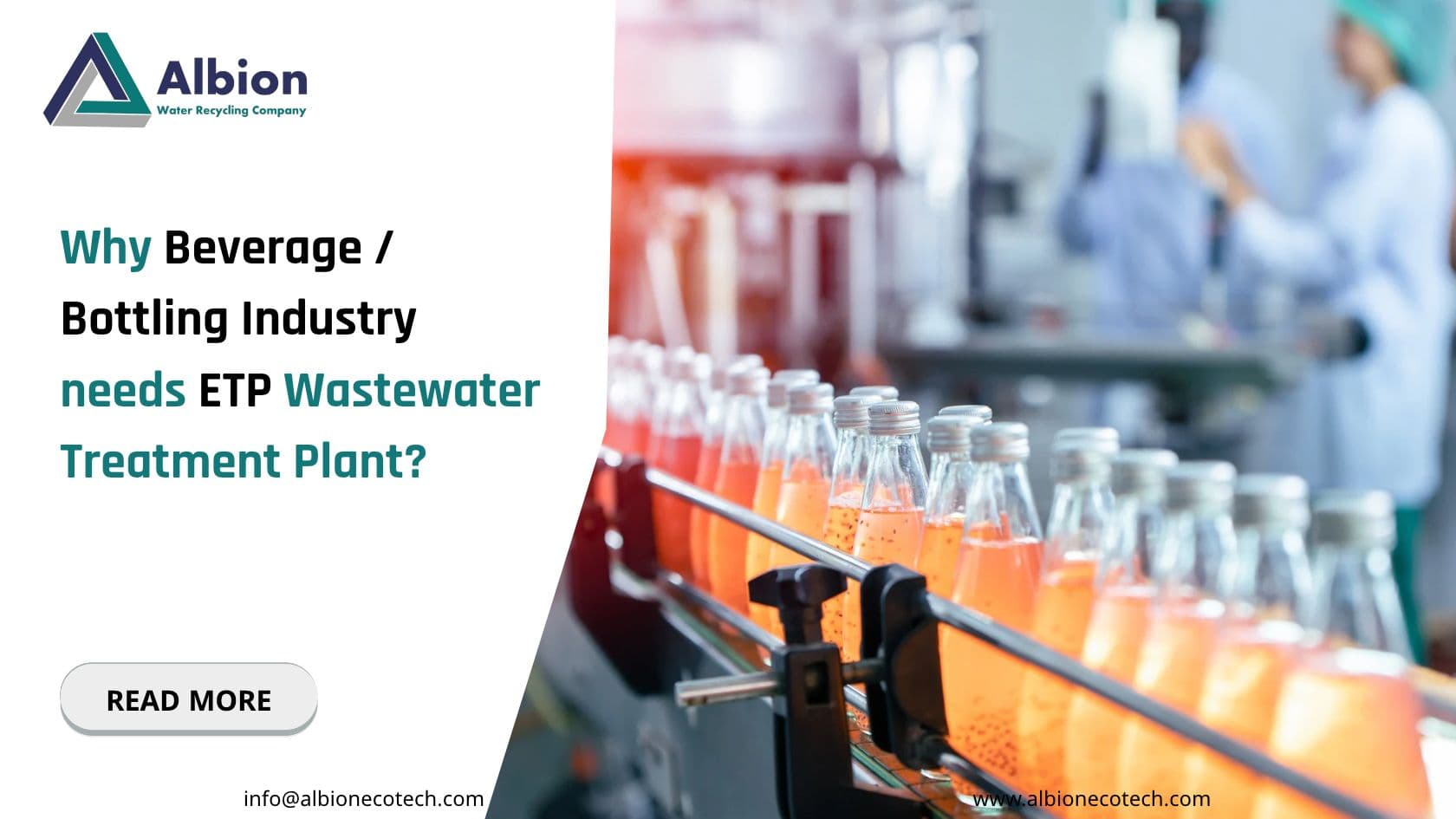
A bottling plant sells water, sugar and flavour, and most of what it buys is water. To make one litre of a soft drink, juice or packaged water, a plant typically uses several litres, because the rest goes to treating the incoming supply, rinsing bottles, cleaning lines, cooling and pasteurising. Almost all of that water leaves as wastewater, in a pattern that swings between nearly clean RO reject and sugar-rich syrup washings in the same shift. Because the plants sit in places where water is already contested, how they treat and reuse it is under close watch. An effluent treatment plant (ETP) is what lets a beverage plant meet its consent conditions and cut its water footprint. This article explains why the sector needs one and how it is designed.

Where the wastewater comes from
- Water treatment plant: filter backwash, softener and regeneration brine, and RO reject. These are large in volume and low in organics but high in dissolved salts.
- Syrup room and blending: washing of sugar dissolving and syrup tanks and pipes, with very sugar-rich rinse water, especially at product changeovers.
- Cleaning in place (CIP): caustic, acid and sanitiser cycles for tanks, lines and fillers, giving large volumes with strong pH swings and disinfectant residues.
- Bottle and crate washing: hot caustic washers for returnable bottles produce alkaline wastewater with labels, glue, dirt and leftover drink.
- Filling, rinsing and conveyors: spilled product, rinser water and conveyor lubricant solutions, which make suds.
- Off-spec product: dumped batches and returned goods that are among the strongest streams in the plant.
- Pasteurisers, cooling and utilities: tunnel pasteuriser water treated with biocides, cooling tower and boiler blowdown, and sanitary wastewater.
- Fruit handling in juice plants: fruit washing, peel, pulp and press liquor, with seasonal peaks.
What makes beverage wastewater tricky
- Sugar-rich organic load. Sugars are consumed very quickly, so BOD and COD are high and oxygen disappears fast. Dumped soft drink or syrup can reach tens of thousands of mg/L of COD.
- Too little nitrogen and phosphorus. Sugar and water carry almost none, so biomass starves of nutrients unless they are added. Sugar-rich, nutrient-poor effluent is also a classic cause of filamentous bulking, where poor-settling organisms take over.
- Swinging pH and temperature. Caustic and acid cycles and hot washer discharges move pH and temperature through the day.
- Disinfectants and preservatives. Chlorine, peracetic acid and preservatives can inhibit biological treatment if they arrive in slugs.
- High-volume, low-organic reject. RO reject and backwash dilute the process effluent, so the ETP must be sized for flow and not only for load, unless they are kept apart.
- Foam, colour and seasonality. Lubricant soaps foam, colourants and caramel add colour, and demand peaks in summer or the fruit season.

Why an ETP is not optional
Regulatory consent. Beverage and bottling plants operate under consent from the State Pollution Control Board, with limits on BOD, COD, suspended solids, pH and, in some cases, dissolved solids, depending on whether effluent goes to a sewer, surface water or land. Non-compliance can bring penalties and closure directions. The conditions differ by state, size and mode of disposal, so they should be confirmed with the Board before design.
Groundwater and community scrutiny. Bottling plants often draw groundwater, and permissions for extraction can carry conditions on water-use efficiency, recharge and reuse. Plants in water-stressed areas draw local attention, and an ETP with strong reuse is part of the answer.
Protecting water bodies. Sugary effluent uses up oxygen in streams and ponds within a day or two and can cause fish kills and foul odour.
Sewers and common plants. Plants that discharge to a sewer or a common effluent treatment plant usually have to pre-treat to its inlet norms.
Brand and sustainability commitments. Large beverage brands publish water-use targets and audit their bottlers, and the water ratio, litres of water per litre of product, is a headline measure. A working ETP with reuse and metering supports it.
How a beverage ETP is built
- Segregation. Process wastewater with sugar, CIP and bottle washer discharge goes to the ETP. RO reject, backwash and cooling blowdown are kept separate, since they are low in organics and can be recovered or handled on their own.
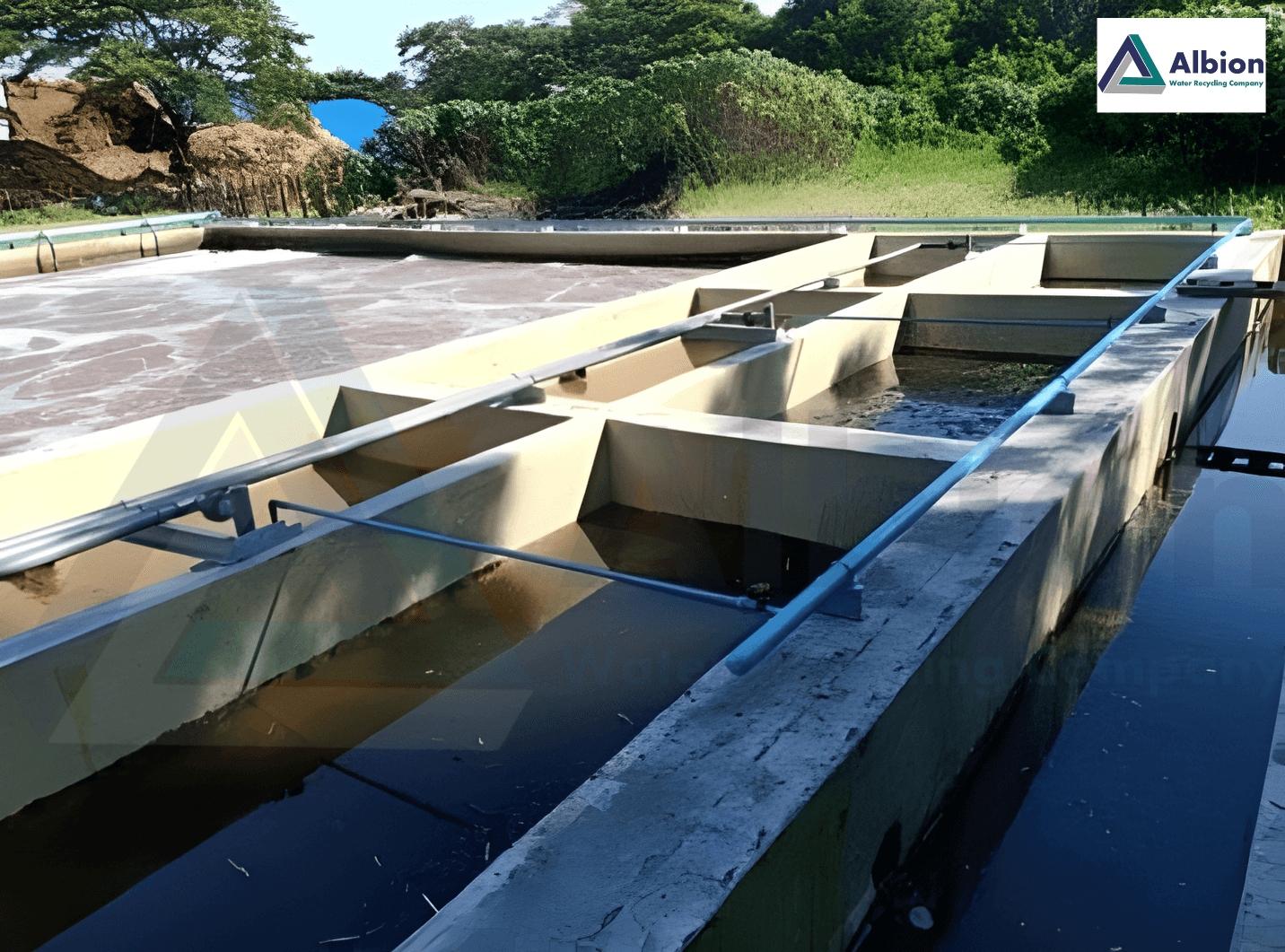
- Screening and equalisation. Screens catch labels, caps and glass fragments. A mixed, aerated balancing tank absorbs CIP slugs and dumps, and neutralises pH. Slow, controlled bleeding of dumped product protects the plant.
- Nutrient dosing. Nitrogen and phosphorus are added in proportion to the organic load so biomass grows well and settles properly.
- Anaerobic stage for strong flows. Where the load is high and steady, as in some juice and brewing plants, a digester or UASB reactor can remove much of it with little energy and produce biogas, but it needs a steady feed and a plan for seasonal shutdowns.
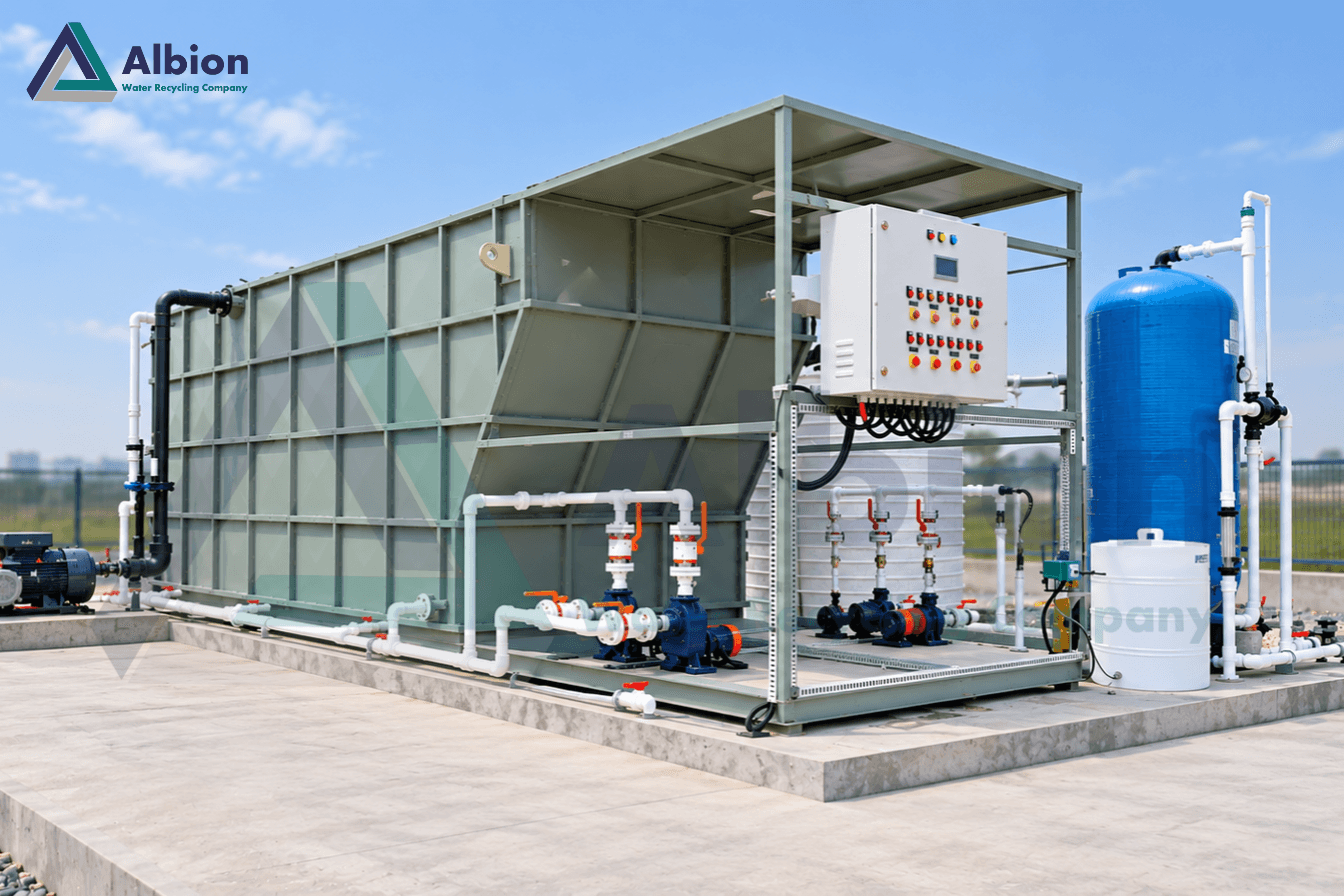
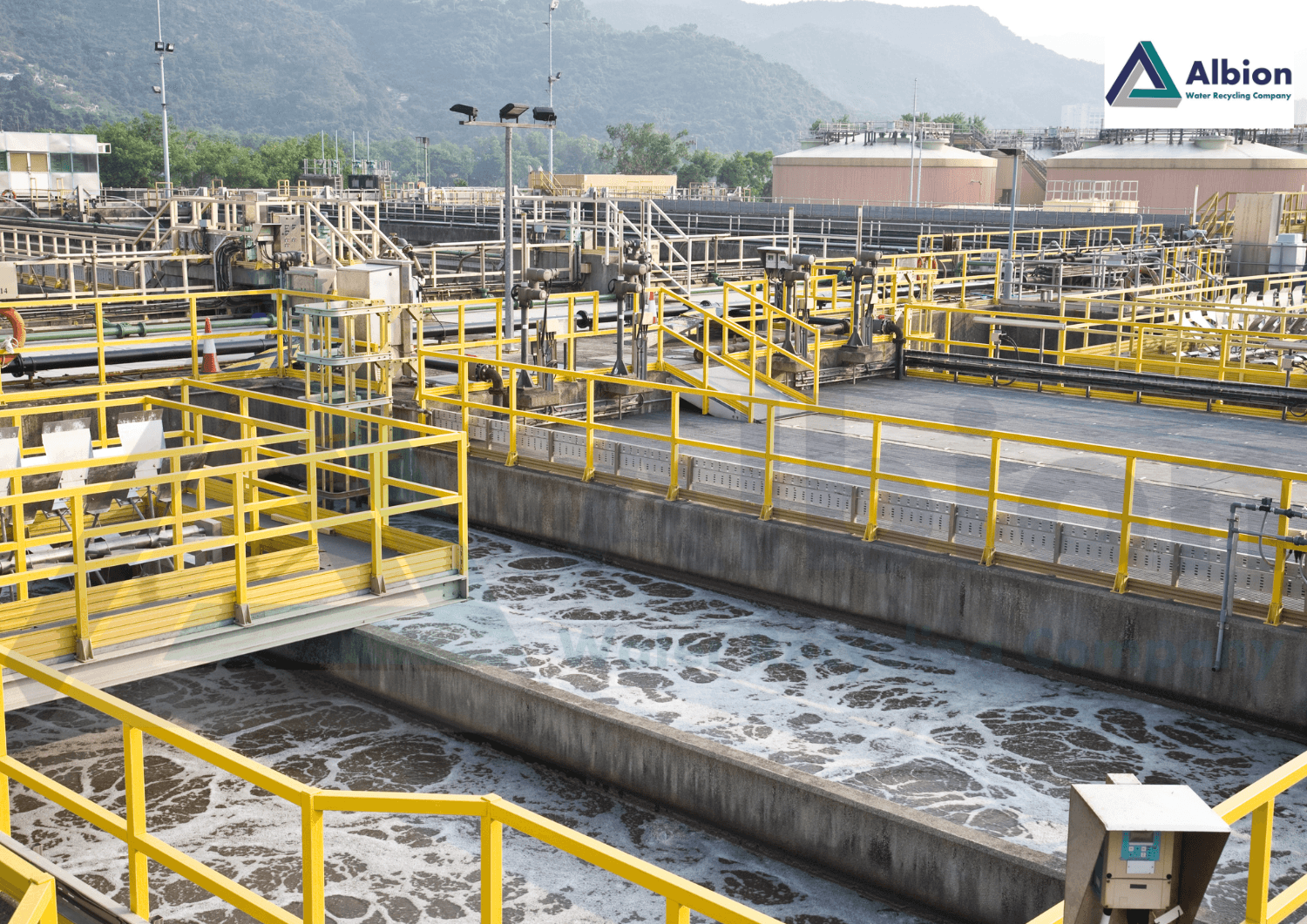
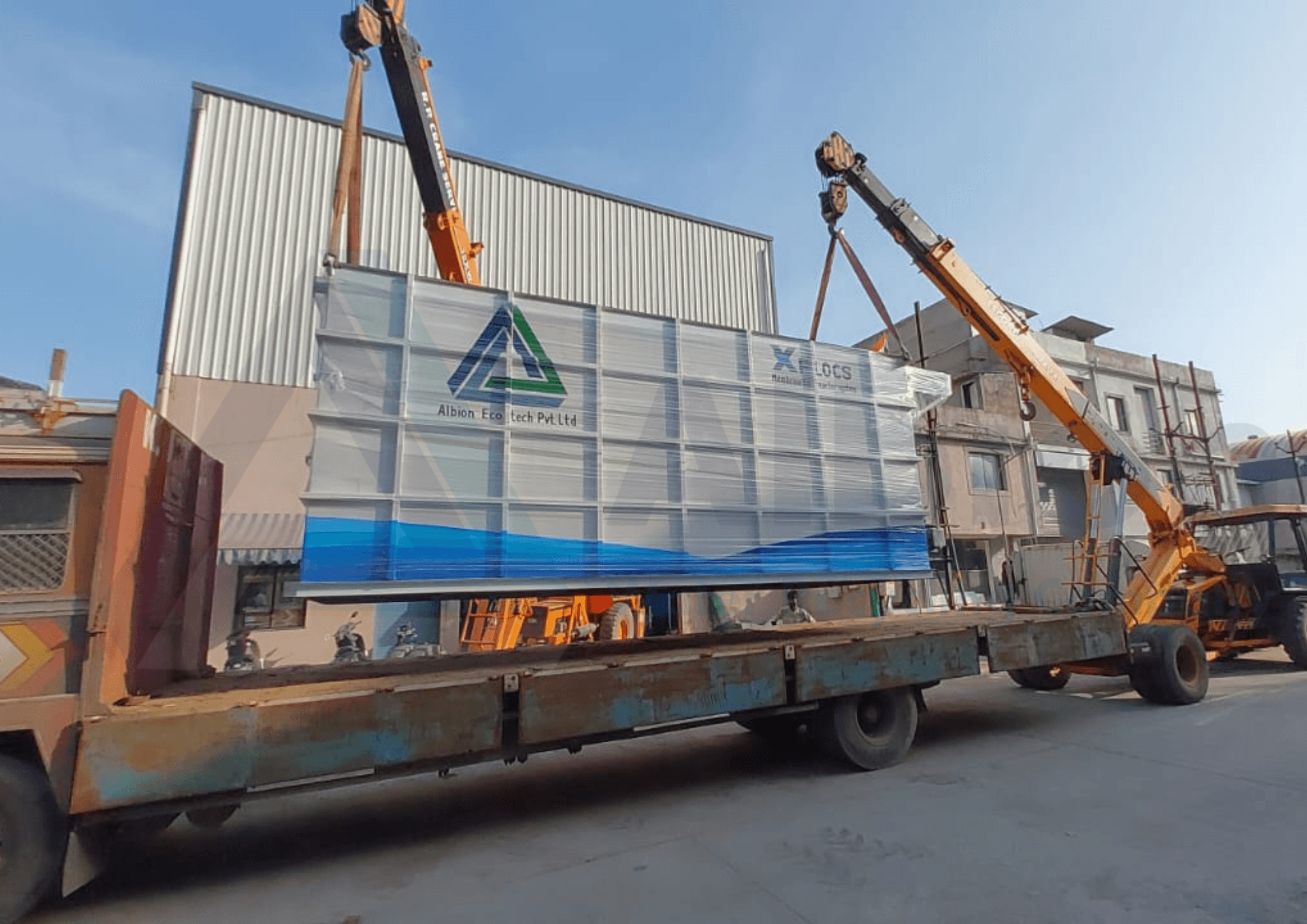
- Aerobic treatment. Attached-growth systems such as Albion Ecotech's M-Flocs AMBBR handle shock loads from dumped product and CIP in a compact footprint, and are less exposed to bulking than suspended growth alone. SBR suits batch-type flow patterns, and MBR gives a clean effluent for reuse when space is tight.
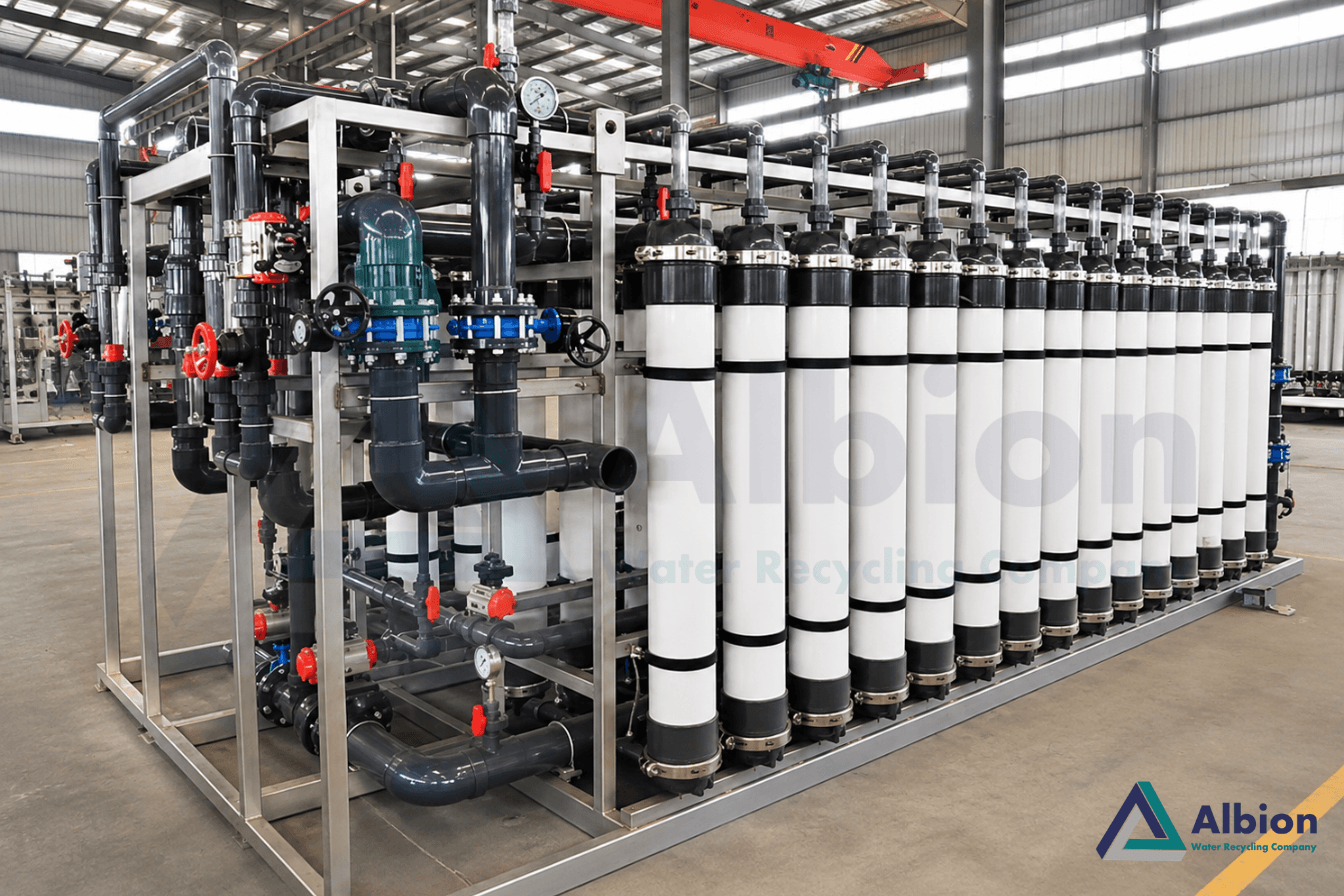
- Polishing and disinfection. Clarification, filtration, UV or chlorination, and, where water is to be reused or standards demand it, UF and RO.
- Sludge handling. Biological sludge from beverage plants is organic and usually non-hazardous, and is thickened and dewatered for composting, soil use or disposal as the rules permit.
Many of these design points are shared with other food sectors, and the guide for food and beverage plants covers the wider picture.
Reuse and water recovery
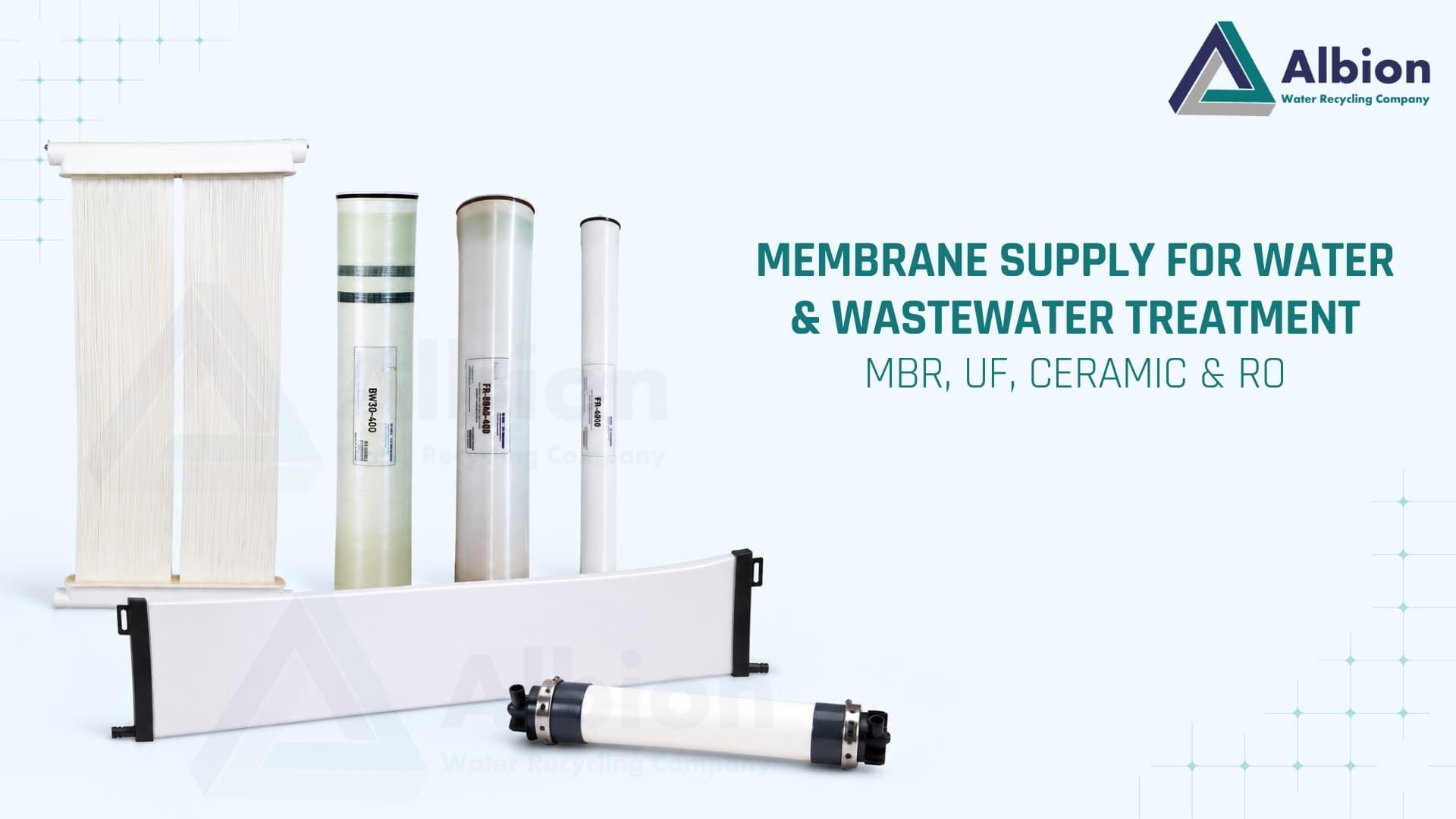
Beverage plants are well placed to recover water, but product contact water must meet potable water and food safety requirements, so treated effluent should not be assumed to qualify. Realistic uses include cooling tower make-up, boiler feed after RO and polishing, floor, crate and vehicle washing, flushing and landscaping, once quality is confirmed. RO reject from the water treatment plant, which is clean but salty, is often reused directly for cooling, gardening and filter backwash, or recovered further with a second RO stage. Albion Ecotech sizes treatment and reuse around what each use needs, and adds membranes such as U-Flocs UF and RO only where water scarcity or discharge limits justify them. The reasoning is set out in the whitepaper on water reuse and zero liquid discharge.
Reduce the load before the ETP
- Recover or reprocess off-spec product, or send it to animal feed or biogas, instead of dumping it to drain.
- Push product out of lines before rinsing, using water or air, so less sugar reaches the drain.
- Optimise CIP with conductivity and turbidity control, reuse caustic and acid where hygiene allows, and recover the last rinse as the next first rinse.
- Maximise RO recovery with proper antiscalant dosing, and send reject to cooling or other non-product uses.
- Use dry or low-water conveyor lubrication to cut suds and volume.
- Track the water ratio by line and by shift, so abnormal use is caught early.
Common mistakes
- Skipping nutrient dosing, then facing bulking and poor settling.
- Dumping off-spec product to drain in a single batch.
- Mixing RO reject and backwash into the process effluent, so the ETP is oversized and clean water is wasted.
- Undersizing equalisation, so CIP slugs upset the biology.
- Ignoring foam and disinfectant residues until they cause upsets.
- Treating RO reject only as waste when it can be reused.
Our approach to beverage plant ETPs
Albion Ecotech designs effluent treatment plants for beverage and bottling plants from measured data: water ratio, flow by stream, CIP schedule and chemicals, sugar and COD load, nutrients, RO reject volume, seasonal pattern and the discharge or reuse target that applies. Depending on the plant, the train may combine segregation, an aerated equalisation stage, nutrient dosing, an anaerobic stage for strong flows, a biological stage selected from AMBBR or MBBR, SBR and MBR, polishing, UF or RO, and reuse of reject and treated water. Energy-efficient equipment, PLC-based automation and post-commissioning support are part of the scope, and plants can be supplied in packaged or civil formats.
Frequently Asked Questions
Why does a bottling plant need an ETP?
Beverage plants use a lot of water and discharge sugar-rich wastewater, CIP chemicals and RO reject. An ETP treats it to meet consent conditions, protects water bodies and enables water reuse, which also supports groundwater permissions and brand water targets.
Why are nutrients added to beverage wastewater?
Sugar-rich effluent is low in nitrogen and phosphorus, which biomass needs to grow. Without them, treatment slows and filamentous organisms can cause bulking and poor settling.
What should be done with RO reject?
Keep it separate from process effluent and reuse it for cooling, gardening or filter backwash, or recover more of it with a second RO stage. Mixing it into the ETP oversizes the plant and wastes usable water.
Which biological process suits a beverage plant?
AMBBR and MBBR suit shock loads and tight plots, SBR suits batch flows, and MBR suits reuse-grade water. Strong, steady flows may justify an anaerobic stage first.
Can treated water be used in beverage production?
Not in product or product-contact applications unless it meets potable water and food safety requirements, which treated effluent should not be assumed to meet. It can serve cooling, boiler feed after RO, washing and landscaping once quality is confirmed.