Upgrading Existing STPs and ETPs: An Engineering Framework for Capacity Enhancement and Compliance
Executive Summary
Most sewage and effluent treatment plants are asked to do more than they were built for. Occupancy grows, production lines are added, discharge norms tighten, and treated water is expected to meet reuse specifications that did not exist when the plant was designed. Replacing the plant is rarely the first option, because the civil structure is already paid for and the site has limited space. This whitepaper lays out a way to approach the upgrade: audit the plant to find the stage that is actually limiting it, choose from a defined set of upgrade routes, and execute the work in phases without losing compliance. It covers process optimisation, carrier media retrofit (AMBBR), conversion to or addition of membrane treatment (MBR), tertiary polishing, pre-treatment additions and sludge handling, and sets out the conditions under which each route makes sense.
1. Why Existing Plants Fall Behind
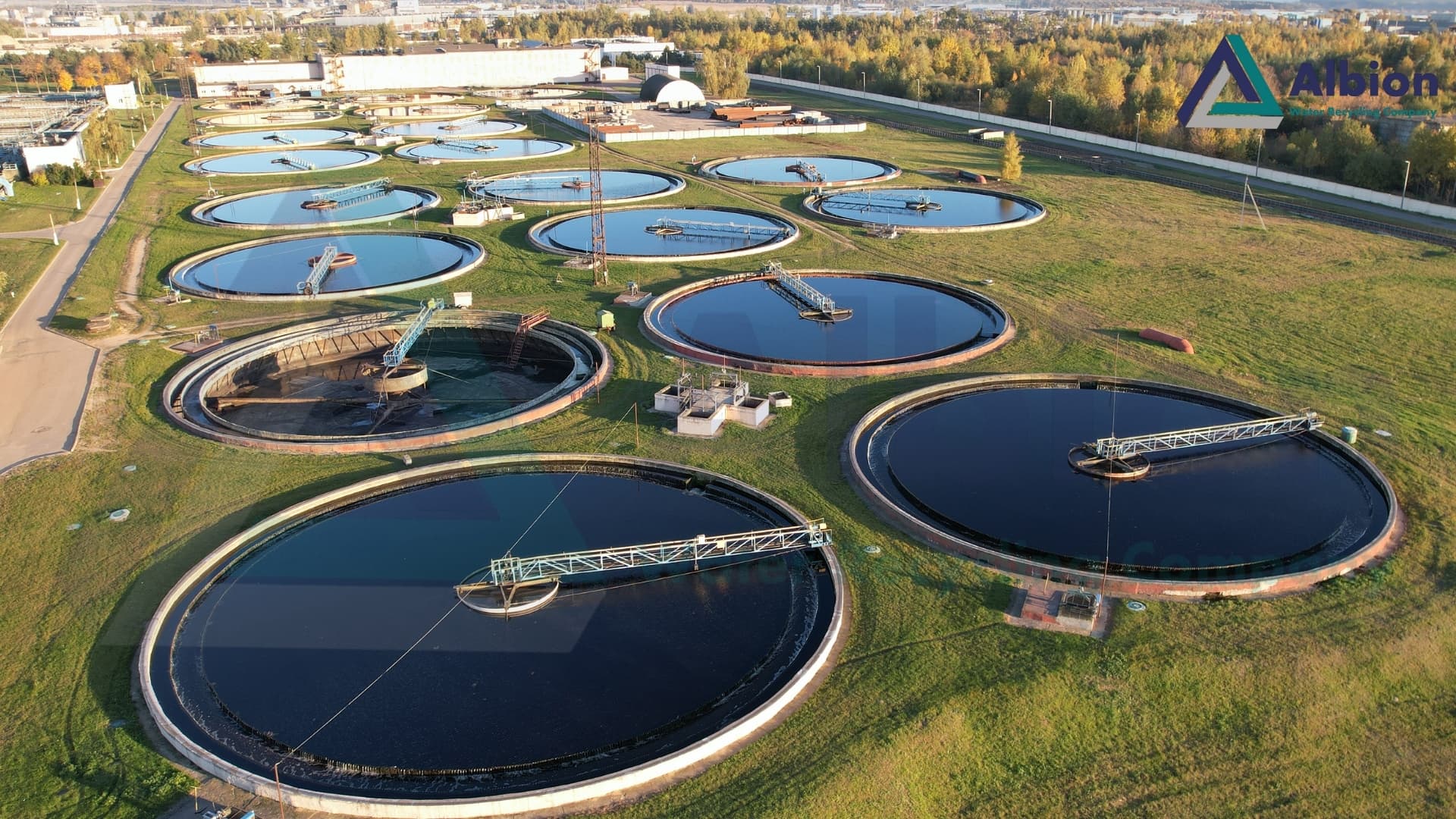
A plant usually fails in one of four ways. The load grows beyond the design basis, whether through more people in a residential complex or more product through a factory. The standard it has to meet changes, as when a discharge limit is tightened or the owner decides to reuse the water for flushing, cooling or process make-up. The equipment ages, and diffusers, blowers, scrapers and pumps stop delivering their rated performance. Or the incoming wastewater changes in character, with a new product line adding oil, colour, surfactants or a higher COD than the original design assumed. These causes look similar from the outside, because the effluent quality drifts, but they need different fixes. An upgrade that adds capacity to a plant whose real problem is failed diffusers wastes the budget.
2. Audit Before Deciding
The audit starts with measured flow and load, not the numbers on the original drawings. Flow should be logged across a full operating cycle, including peak hours and, for industrial plants, batch discharges. Influent and effluent samples should be taken over several days and analysed for BOD, COD, TSS, oil and grease, ammonia and any plant-specific parameters such as colour or TDS. The point is to establish what the plant actually receives and how far that sits from what it was built to handle.
The second part is a stage-by-stage review of the plant against that measured load. The items worth checking are tank volumes and hydraulic retention time at current flow, aeration capacity against the actual oxygen demand, blower and diffuser condition, secondary clarifier surface overflow and solids loading, sludge age and wasting practice, sludge thickening and dewatering capacity, and the state of the electrical, instrumentation and control systems. Each stage either has headroom or does not, and the audit should say which.
3. Finding the Bottleneck
A treatment train is only as capable as its most constrained stage, and the upgrade route follows from which stage that is. The common limiting factors are listed below.
- Hydraulic limit: flow exceeds what the tanks, pipes or clarifier can pass, even if the organic load is manageable. Equalisation and flow smoothing often help more than additional treatment volume.
- Biological capacity: the biomass in the reactor cannot remove the incoming BOD, COD or ammonia within the available volume and retention time.
- Oxygen supply: blowers or diffusers cannot deliver enough oxygen at the current load, which shows up as low dissolved oxygen, poor nitrification and filamentous growth.
- Solids separation: the secondary clarifier cannot settle the sludge at the current flow and MLSS, so solids carry over and effluent TSS and turbidity rise.
- Sludge handling: thickening or dewatering cannot keep up, forcing the operators to reduce wasting and hold more sludge in the reactor than it can support.
- Effluent standard: the plant performs as designed, but the standard it now has to meet is stricter than that design, particularly for reuse.
4. Upgrade Routes
4.1 Process and Equipment Optimisation
This is the lowest-cost route and the one most often skipped. Replacing worn diffusers, correcting blower sizing or control, adding dissolved oxygen based aeration control, restoring sludge wasting discipline and adding an equalisation tank can recover a surprising amount of performance without changing the process. It is the right first step where the audit shows that the plant receives roughly what it was designed for and is simply not performing to design.
4.2 Carrier Media Retrofit (AMBBR)
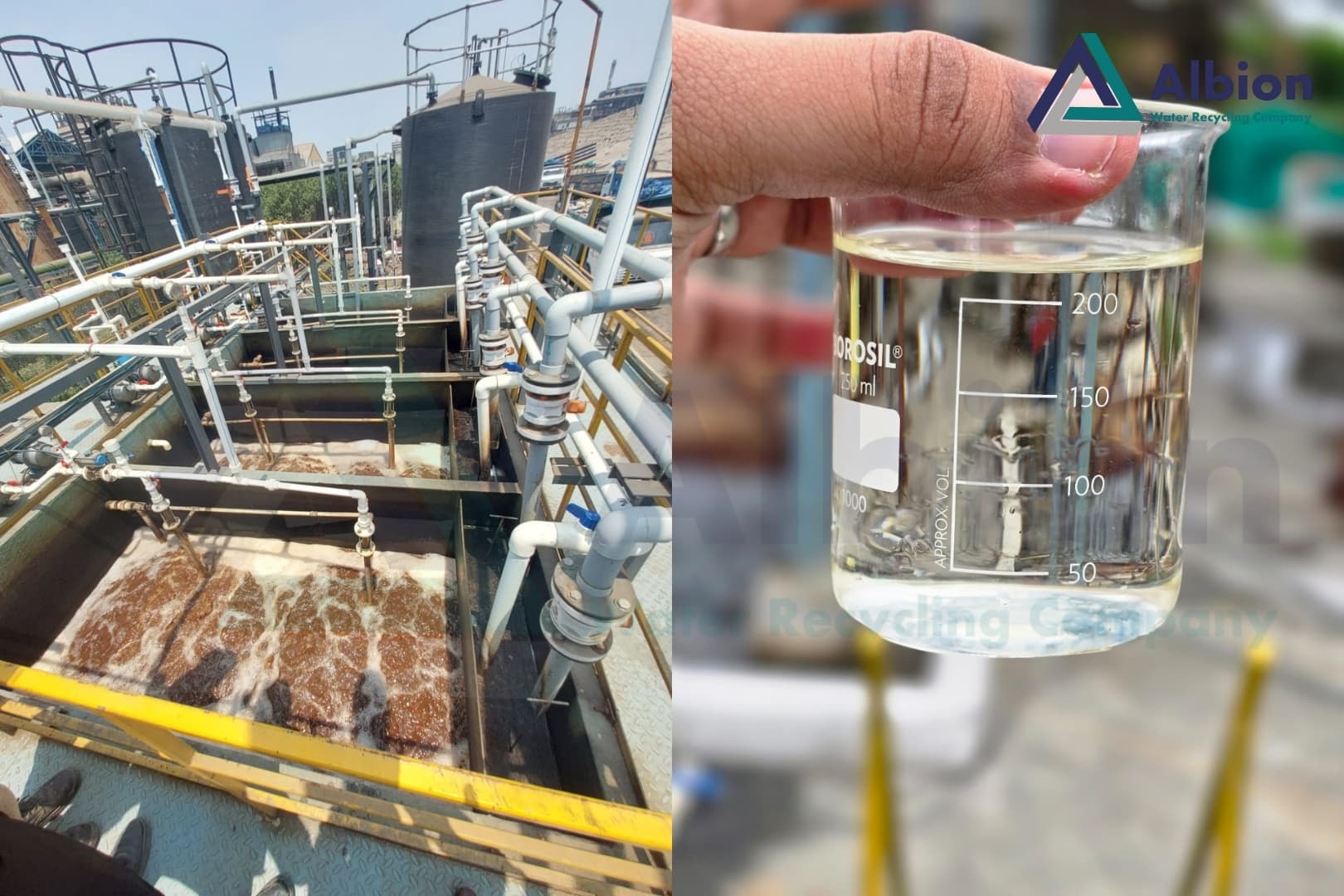
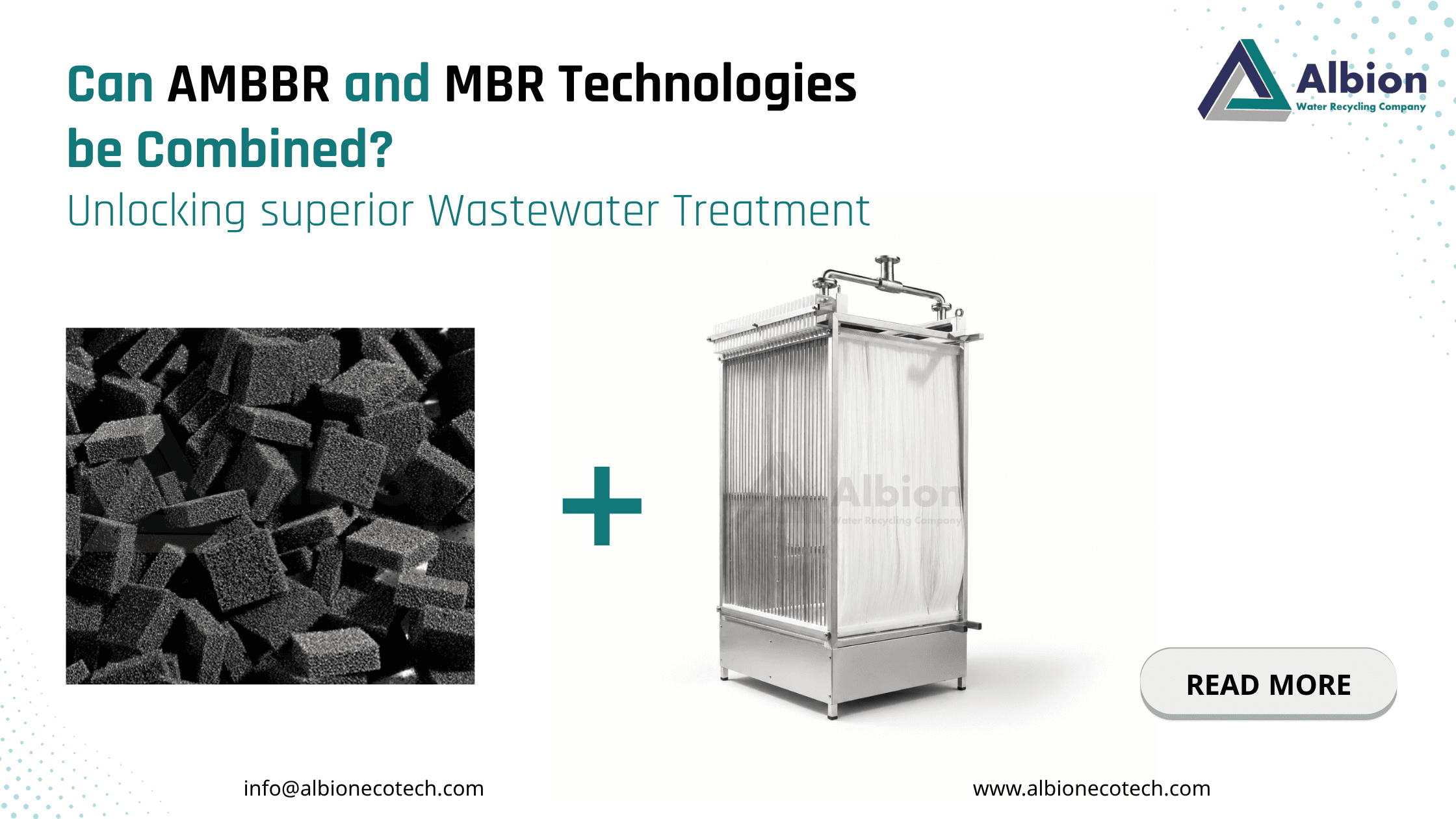
Where biological capacity is the limit, carrier media can be added to an existing aeration tank so that part of the biomass grows as a biofilm on the carriers, increasing the active biomass per unit volume without enlarging the tank. The tank needs retention screens at the outlet, an aeration system able to keep the carriers in motion and to supply the additional oxygen demand, and a fill fraction that leaves room for circulation. Fill fractions are commonly kept at or below about half of the tank volume. The downstream clarifier still has to handle the biomass that sloughs from the carriers, so a clarifier that is already overloaded will limit the benefit. AMBBR retrofit suits plants with spare tank depth and aeration headroom, variable influent and a clarifier that is not itself the bottleneck.
4.3 Conversion to MBR or Addition of a Membrane Stage
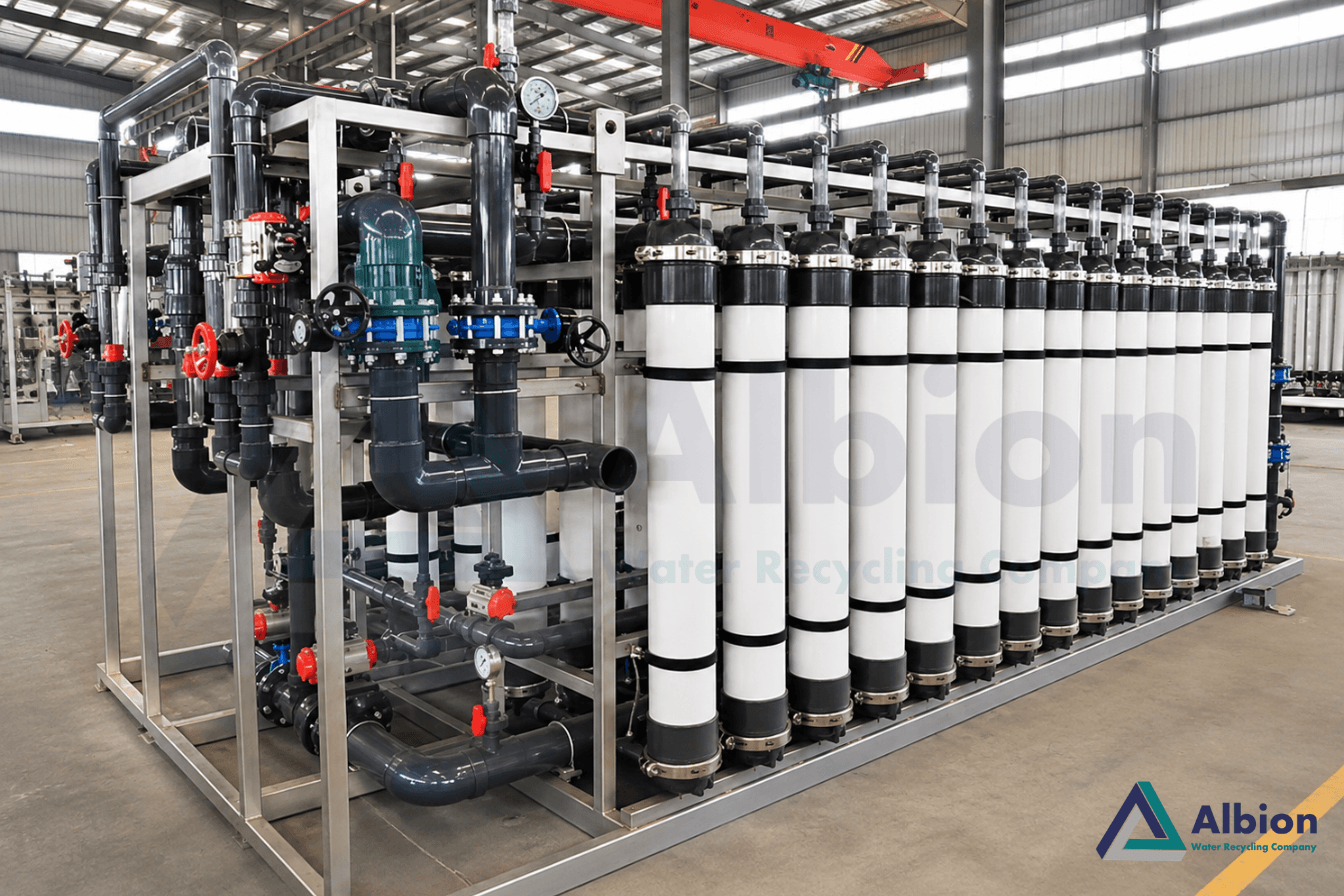
When solids separation is the constraint, or when the effluent standard now demands low turbidity and TSS, replacing gravity clarification with membranes addresses the cause directly. Submerged membrane modules in a converted tank allow the reactor to run at an MLSS several times higher than a conventional activated sludge plant, which raises the treatable load within the same volume, and the permeate is suitable for reuse with limited further polishing. The work is more involved than a carrier retrofit: it needs membrane tanks or conversion of existing ones, scouring air, permeate and backwash pumps, a CIP system, fine screening ahead of the membranes, and a control system and operator training to match. Fine screening matters because fibres and hair that pass a coarse screen can foul the module surfaces. Where the existing clarifier can be released, its volume can often be reused as membrane or equalisation capacity.
4.4 Hybrid: AMBBR Followed by Membrane or Tertiary Polishing
For plants that need both more biological capacity and reuse-grade effluent, the two can be staged. AMBBR carriers raise the biological capacity in the existing tank, and a membrane or UF stage downstream provides the final barrier. This spreads the capital across two smaller interventions, and it lets the plant be upgraded in steps if the budget or the shutdown window is limited. The alternative for less demanding reuse targets is a tertiary train of filtration, activated carbon where needed, and disinfection after the existing clarifier.
4.5 Pre-Treatment and Equalisation
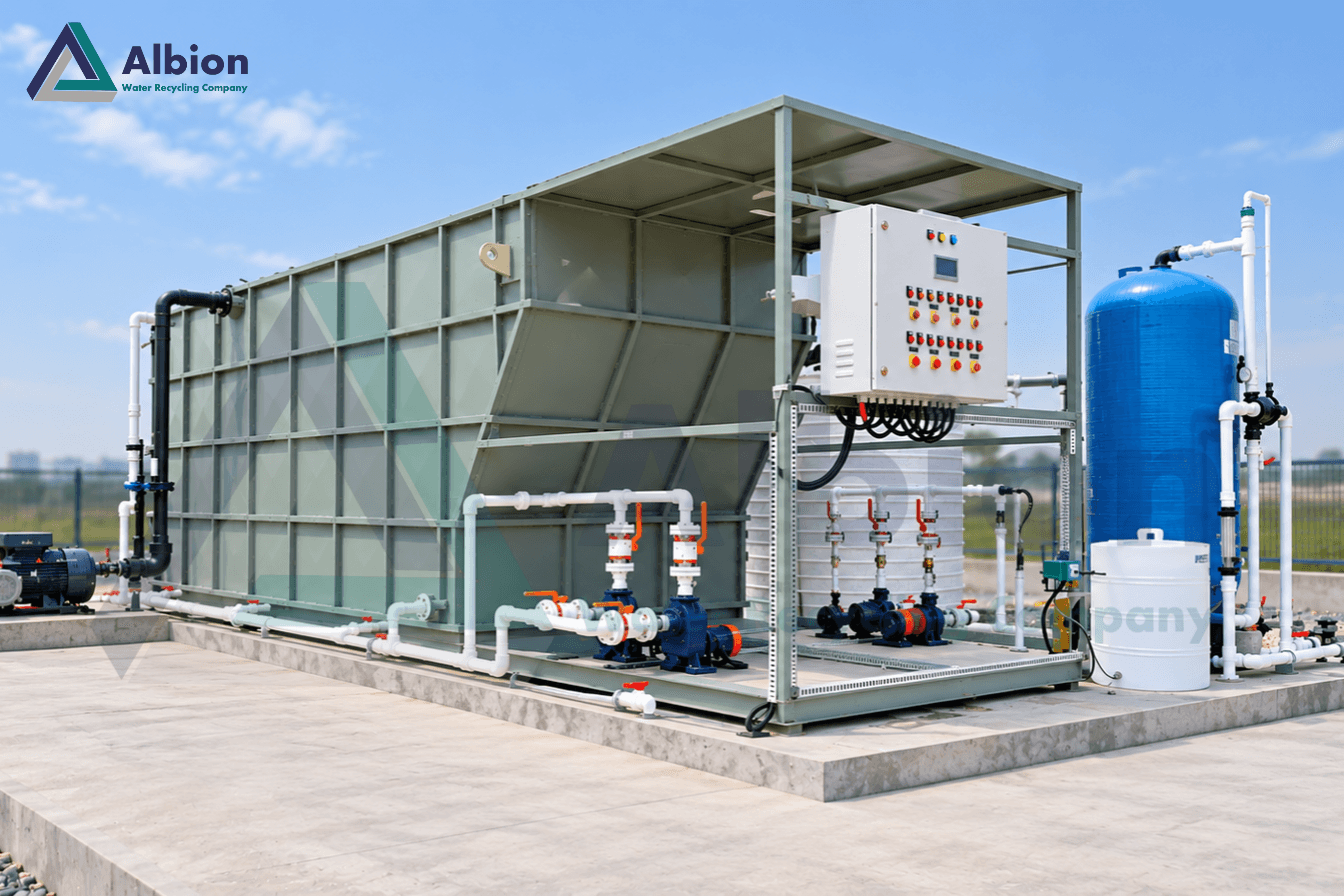
In industrial plants, a good share of upgrade problems originate upstream of the biology. Oil and grease, suspended solids and shock loads from batch discharges disturb the biological stage and foul any membranes downstream. Adding a dissolved air flotation (DAF) unit, an oil trap, a larger equalisation tank with mixing, or pH correction can stabilise the feed to the existing process and extend what it can handle. These additions often cost less than process changes and should be considered before the biological stage is touched.
4.6 Sludge Handling
Any route that increases the treated load also increases the sludge to be handled. A plant that cannot thicken and dewater what it already produces will not cope with more. Thickener, filter press or decanter capacity, sludge storage and the disposal route should be assessed alongside the process work, not after it.
5. Choosing Between the Routes
- Optimisation first, when measured load is close to design and effluent quality is poor anyway.
- Carrier retrofit, when biological capacity is the limit, the clarifier has headroom, the existing norms can be met with good conventional quality, and the plant cannot easily be shut down for long.
- MBR conversion, when the clarifier is the limit, turbidity and TSS norms are strict, space is tight, or the water is going to reuse and a membrane stage is needed anyway.
- Hybrid or staged, when both capacity and quality must rise and the work has to be spread across budgets or shutdown windows.
- Pre-treatment additions, when the audit shows that variability or contaminants in the feed, not the plant itself, are driving the problem.
6. Executing the Upgrade Without Losing Compliance
A plant with two or more parallel streams can be upgraded one stream at a time, with the other carrying the flow. Single-stream plants need more planning: temporary equalisation or storage to hold flow during a shutdown, a bypass arrangement agreed with the pollution control board for the short period it will be used, and a schedule in which prefabricated or skid-mounted equipment is assembled off the critical path so that the time the plant is out of service is as short as it can be. Biological start-up after a retrofit needs seeding with healthy sludge and a ramp-up of load, and the commissioning period should be planned for it, with performance tested against the agreed effluent limits and not only against the mechanical checklist.
Regulatory steps should be settled early. A change in rated capacity or in the treatment process may require the consent to operate issued by the State Pollution Control Board (SPCB) to be amended, and reuse projects may bring additional conditions. Confirming the requirement at the scoping stage prevents a finished plant from waiting on paperwork.
7. Cost Framework
An upgrade is compared against two reference cases: doing nothing, with its penalty and compliance risk, and building a new plant. The cost components to capture for each route include equipment and installation, civil modifications, electrical and automation changes, temporary measures during the shutdown, commissioning and training, and the change in operating cost. Operating cost moves in both directions. Membranes add scouring energy and cleaning chemicals; carrier media add little to energy use but need periodic inspection of screens and media; better aeration control often reduces power consumption. Actual figures are specific to the plant and should come from a detailed estimate after the audit, not from rules of thumb.
8. Common Pitfalls
- Designing the upgrade from the original drawings and not from measured flow and load.
- Adding biological capacity to a plant whose clarifier is already overloaded.
- Raising treated volume without checking sludge handling capacity.
- Installing membranes without fine screening or without a plan for cleaning and operator training.
- Skipping seeding and load ramp-up, then blaming the technology for a slow start.
- Leaving the regulatory consent question until the work is finished.
9. Albion Ecotech's Perspective
Albion Ecotech works on upgrades and retrofits of existing STPs and ETPs alongside new-build plants, and offers M-Flocs AMBBR, X-Flocs MBR, U-Flocs UF and Activated Filtration Media as building blocks for them. The team begins with the audit and the measured load, identifies the limiting stage, and recommends the smallest intervention that meets the target, which in some cases is process optimisation and in others is a staged combination of carrier retrofit and membrane polishing. Phasing, bypass arrangements, commissioning and operator training are scoped as part of the upgrade, so that the plant keeps meeting its consent conditions through the changeover.
Frequently Asked Questions
How do I know whether my STP or ETP needs a capacity upgrade or just optimisation?
Compare measured flow and load against the design basis. If the plant receives what it was designed for and still fails, the problem is usually operational or mechanical, such as failed diffusers or poor sludge wasting. If measured load is above design, process or capacity changes are needed.
Can carrier media be added to an existing aeration tank?
Often yes, provided the tank can be fitted with retention screens, the aeration system can keep the carriers moving and can supply the extra oxygen demand, and a downstream clarifier can handle the sloughed biomass. A site audit confirms this before design.
When is converting to MBR better than adding carrier media?
When the secondary clarifier is the limiting stage, when effluent turbidity or suspended solids norms are strict, or when the treated water is going to reuse. MBR replaces gravity settling with a membrane barrier, which carrier media alone does not.
Does the plant have to shut down during an upgrade?
Not always. Plants with two or more parallel streams can be upgraded one stream at a time. Single-stream plants need a phasing plan, temporary bypass or equalisation capacity, and a seeding and commissioning schedule that limits the time out of service.
Do upgrades need approval from the pollution control board?
A change in treatment capacity or process may require the consent to operate to be amended. Confirm the requirement with the relevant State Pollution Control Board before finalising the scope.