STP/ETP Capacity Enhancement — Increase Existing Plant Capacity by 50% to 100%
Increase existing STP/ETP capacity by 50% to 100% without full rebuild. Process intensification using MBBR, AMBBR, MBR & DAF by Albion Ecotech.
Enquire about this offering
The problem
Growing occupancy or production often pushes flow and load beyond an existing STP/ETP's original design capacity, risking non-compliance and process failure.
Our approach
Albion assesses the existing plant's process, civil infrastructure, and available space, then engineers a capacity enhancement path - typically 50% to 100% higher - using process intensification and technology upgrades.
Features
- Capacity Increase Without Full RebuildTargets 50% to 100% capacity increase using process intensification rather than defaulting to full plant reconstruction.
- Bottleneck-Specific EngineeringEnhancement strategy is built around the actual limiting factor — hydraulic, biological, or solids separation - identified through assessment.
- Existing Infrastructure UtilizationDesigned to make use of existing civil tankage and process infrastructure wherever condition and layout allow.
- Multiple Intensification PathwaysDraws on MBBR, AMBBR, MBR, and DAF technologies individually or in combination, depending on the bottleneck identified.
- Minimal-Disruption ImplementationImplementation is planned to limit disruption to ongoing plant operation wherever the retrofit scope allows.
- Compliance-Consistent DesignEnhanced capacity is engineered to continue meeting the applicable discharge or reuse standard, not just increase throughput.
- Scalable to Project-Specific TargetsEnhancement percentage and approach are tailored to the client's specific current shortfall and future capacity requirement.
Outcomes
- Capacity Matched to Current DemandPlant treatment capacity is brought in line with actual current flow and load, closing the gap created by growth.
- Reduced Compliance RiskAddressing capacity shortfall reduces the risk of discharge violations caused by an overloaded plant.
- Deferred or Avoided Full ReconstructionA targeted capacity enhancement can address near-term needs without the cost and disruption of a full plant rebuild.
- Improved Process StabilityResolving the specific bottleneck - rather than overloading the existing process further - supports more stable day-to-day operation.
- Room for Future GrowthWhere designed with margin, enhanced capacity can accommodate continued growth beyond the immediate shortfall.
- Consistent Treated Water QualityCapacity increase is engineered to maintain treated water quality against the applicable standard, not achieved at its expense.
- Efficient Use of Existing AssetsReusing existing civil infrastructure where feasible improves the value derived from the original plant investment.
Performance metrics
- Capacity increase achieved
- Typically 50%–100% above original design; project-specific
- Post-enhancement treated water quality
- Design-dependent, per applicable discharge/reuse standard
- Biological treatment capacity (post-MBBR/AMBBR)
- Design-dependent, based on carrier media fill ratio and tank volume
- Solids separation performance (post-MBR)
- Design-dependent
- Hydraulic retention time
- Project-specific, based on final process configuration
About
Albion Ecotech's Capacity Enhancement Offering increases the treatment capacity of an existing STP or ETP — typically by 50% to 100% — without requiring full plant reconstruction. It is designed for facilities where occupancy, production, or connected load has outgrown the original plant design. This Offering gives site owners a path to match treatment capacity with current demand while making use of existing civil and process infrastructure wherever possible.
| Parameter | Specification / Description |
|---|---|
| Capacity enhancement range | Typically 50% to 100% above existing design capacity; project-specific |
| Applicable plant types | STP, ETP - packaged or civil-based |
| Core technologies used | MBBR, AMBBR, MBR, DAF — selected based on assessment |
| Civil infrastructure reuse | Design-dependent, based on condition of existing tankage |
| Space requirement for enhancement | Project-specific, based on process intensification approach selected |
| Process basis | Based on inlet characteristics and current vs. required flow/load |
About the Offering
Most treatment plants are designed for the flow and load conditions that existed at the time of construction. As occupancy grows in a residential development, production scales up in an industrial facility, or additional units connect to a common system, the original plant frequently becomes the limiting factor — not because the technology has failed, but because the design basis has been outgrown. Albion's Capacity Enhancement Offering addresses this specific situation: increasing an existing STP or ETP's treatment capacity, typically in the range of 50% to 100% above its original design, without defaulting to full plant replacement.
The engineering principle behind this Offering is process intensification — increasing the treatment capability of the existing footprint rather than simply building more tankage. This is achieved through a combination of approaches depending on the assessment findings: upgrading conventional activated sludge or basic biological treatment to a moving bed biofilm process (MBBR) or its advanced variant (AMBBR), which increases biological treatment capacity within the same or a modestly expanded tank volume by introducing biofilm carrier media; adding membrane-based treatment (MBR) to intensify solids-liquid separation and allow higher mixed liquor concentrations than a conventional clarifier permits; and incorporating physical-chemical pre-treatment (DAF) to reduce load reaching the biological stage, effectively freeing up biological capacity for additional flow.
Albion's approach to technology selection begins with characterizing the current inlet flow and load against the plant's original design basis, and against the target capacity the client needs to reach. This comparison identifies where the process bottleneck actually sits — whether it is hydraulic (flow-limited), biological (load-limited), or related to solids separation and clarifier performance. The enhancement strategy is then built around that specific bottleneck rather than a blanket capacity increase applied uniformly across every process stage.
Major components that may be involved in a capacity enhancement project include biofilm carrier media retrofits into existing aeration tanks, additional blower and aeration capacity, membrane modules for MBR conversion, DAF units for pre-treatment load reduction, and, where civil expansion is feasible and justified, additional tankage integrated with the existing process train. The specific combination is entirely project-specific and depends on the existing plant's civil condition, available space, and the target capacity increase.
This Offering is particularly relevant for facility owners facing near-term compliance risk from growing flow, consultants evaluating whether an existing plant can be scaled versus replaced, and industrial or residential sites where full plant reconstruction is disruptive or cost-prohibitive relative to a targeted capacity upgrade.
Process
The engagement begins with a requirement assessment establishing the current occupied or operating flow and load against the plant's original design capacity, along with the target capacity the client needs — whether driven by current shortfall, planned expansion, or anticipated future growth. This stage also captures the discharge or reuse standard the enhanced plant must continue to meet.
Following this, Albion conducts inlet water and process characterization — reviewing actual flow patterns, BOD/COD/TSS load, and any site-specific variability (such as production-linked load swings in an industrial ETP) — and compares this against the existing plant's civil layout, tank volumes, and equipment condition. This characterization identifies the specific bottleneck constraining current capacity: hydraulic retention time, biological treatment capacity, clarifier/solids separation limits, or aeration/oxygen transfer capacity.
Based on the bottleneck identified, Albion selects the process intensification approach — this may involve introducing MBBR carrier media to increase biological treatment density within existing tank volume, converting to or adding MBR for improved solids separation and higher mixed liquor tolerance, adding DAF pre-treatment to reduce incoming load, or a combination of these. Where the bottleneck is fundamentally hydraulic and cannot be resolved through process intensification alone, limited civil expansion may be recommended alongside the process upgrade.
Implementation follows, with equipment retrofit, membrane or media installation, and any necessary civil work carried out with attention to minimizing disruption to ongoing plant operation. Commissioning and performance verification confirm that the enhanced plant meets the target capacity and treated water quality, followed by monitoring to validate stable operation under the new operating conditions.
Treatment Objectives & Upgrade Applications
The primary treatment objective of this Offering is to close the gap between a plant's original design capacity and its current or anticipated flow and load, while continuing to meet the applicable discharge or reuse standard. This is directly an upgrade-oriented Offering, and its main applications include: facilities where occupancy or production growth has pushed flow beyond original design capacity, sites facing compliance risk due to an overloaded plant, developments planning phased expansion where the existing STP/ETP needs to scale alongside new construction, and situations where a full plant replacement is not justified relative to the achievable gain from a targeted capacity enhancement. It is also relevant where a plant was originally undersized relative to actual occupancy or production from the outset, requiring correction rather than expansion in the traditional sense.
Industrial Use Cases
- Commercial & Residential Projects — Enhancing STP capacity in townships or housing societies as occupancy increases over time.
- Textile & Dyeing — Expanding ETP capacity to match production growth without halting operations for a full rebuild.
- Pharmaceuticals — Increasing ETP capacity as facility output scales, while maintaining compliance with process wastewater discharge norms.
- Food & Beverages — Scaling treatment capacity in line with growth in processing volume.
- CETP Projects — Enhancing shared treatment capacity as additional member units connect to a common effluent treatment facility.
- Municipal & Government — Expanding municipal STP capacity to accommodate population growth within an existing plant footprint.
Why Albion Ecotech
Increasing an existing plant's capacity requires more than adding equipment — it requires correctly identifying where the actual bottleneck sits and matching the right combination of technologies to that specific constraint. Albion Ecotech's process expertise spans biological (MBBR, AMBBR), membrane-based (MBR, UF), and physical-chemical (DAF) treatment technologies, allowing an enhancement strategy to be engineered around the plant's actual condition rather than a single fixed approach. Because Albion also designs and builds new STP/ETP systems, the same process engineering discipline applied to new plants is brought to capacity enhancement projects — assessing inlet characteristics, discharge requirements, and site constraints before recommending a technical path forward. This makes Albion a relevant partner for facility owners and consultants evaluating whether an existing plant can be scaled to meet current demand rather than replaced outright.
Frequently Asked Questions (FAQs)
Related
- Offering
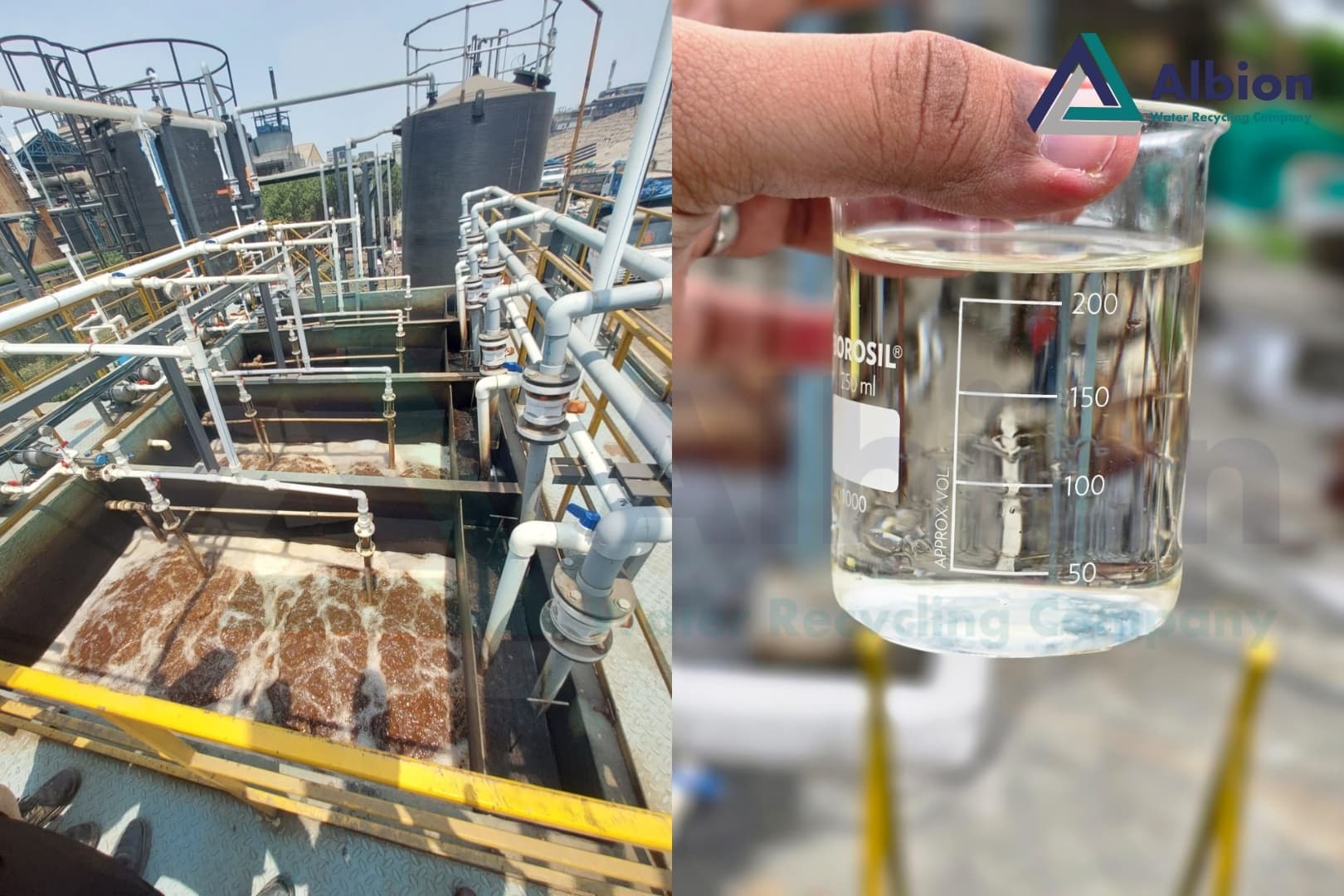 Water & Wastewater Treatment Plant Upgrades & Retrofit ServicesUpgrade, expand, or modernize existing STP, ETP & MBR plants. Compliance correction, capacity expansion & retrofit services by Albion Ecotech.
 - Offering
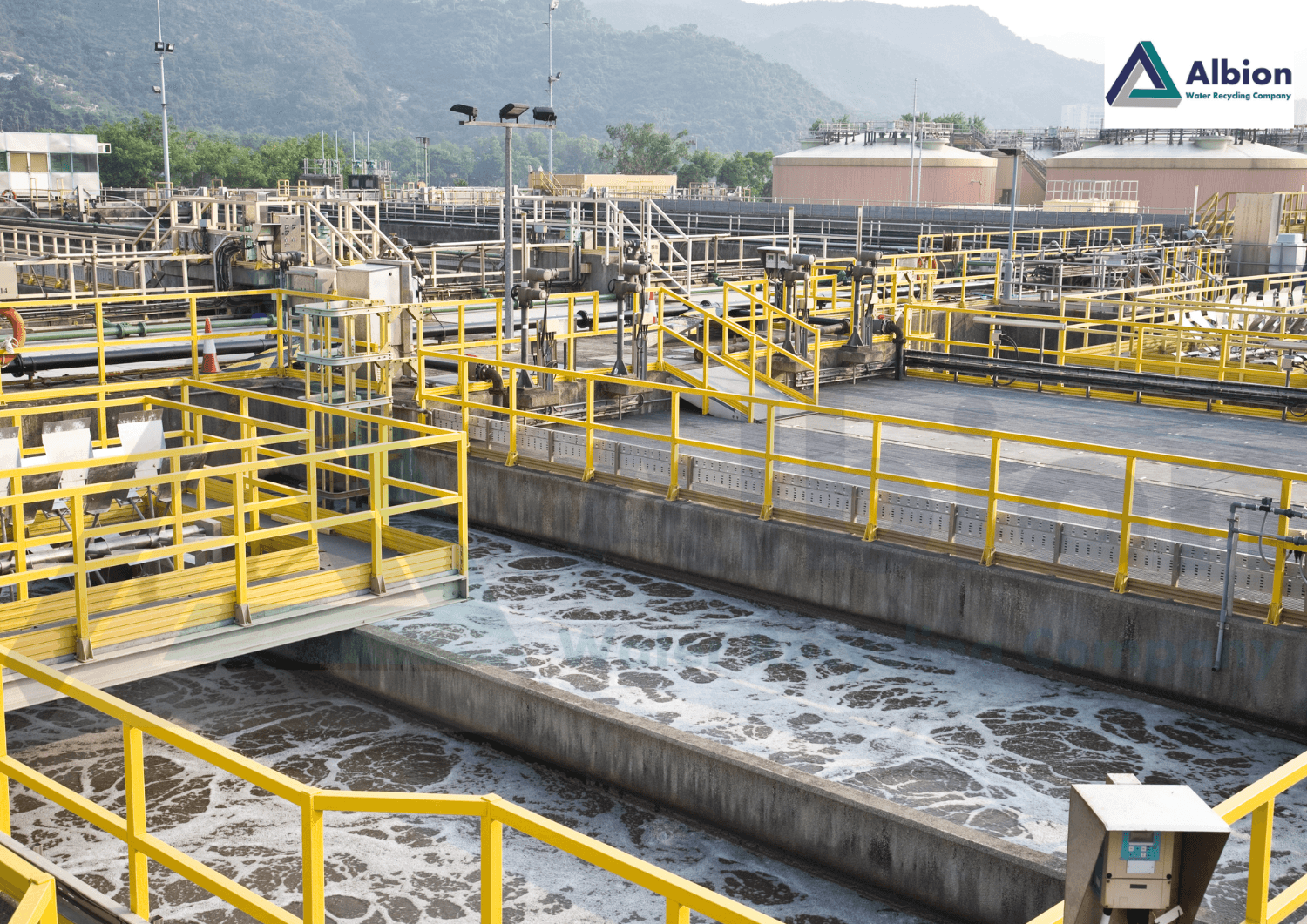 Water & Wastewater Treatment Plant Design & EngineeringTreatment plant design engineered around inlet water quality, load, and discharge requirements. Process and capacity planning by Albion Ecotech.
 - Offering
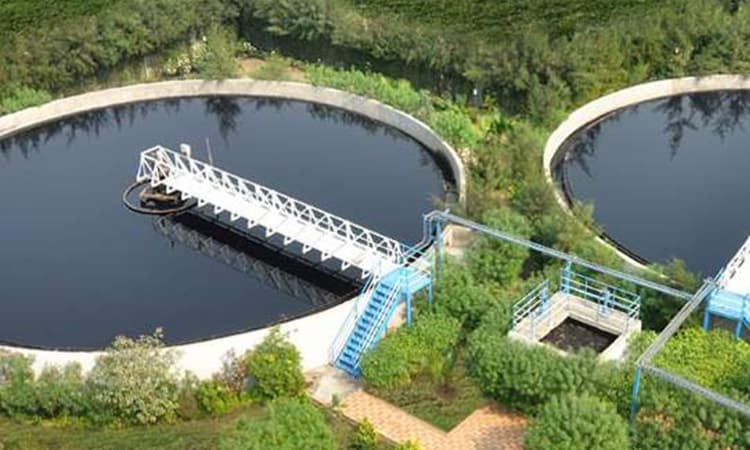 Civil-Based Water & Wastewater Treatment PlantsCustom-engineered civil STP, ETP & MBR plants for large industrial and municipal projects. Site-built treatment infrastructure designed by Albion Ecotech.
 - Product
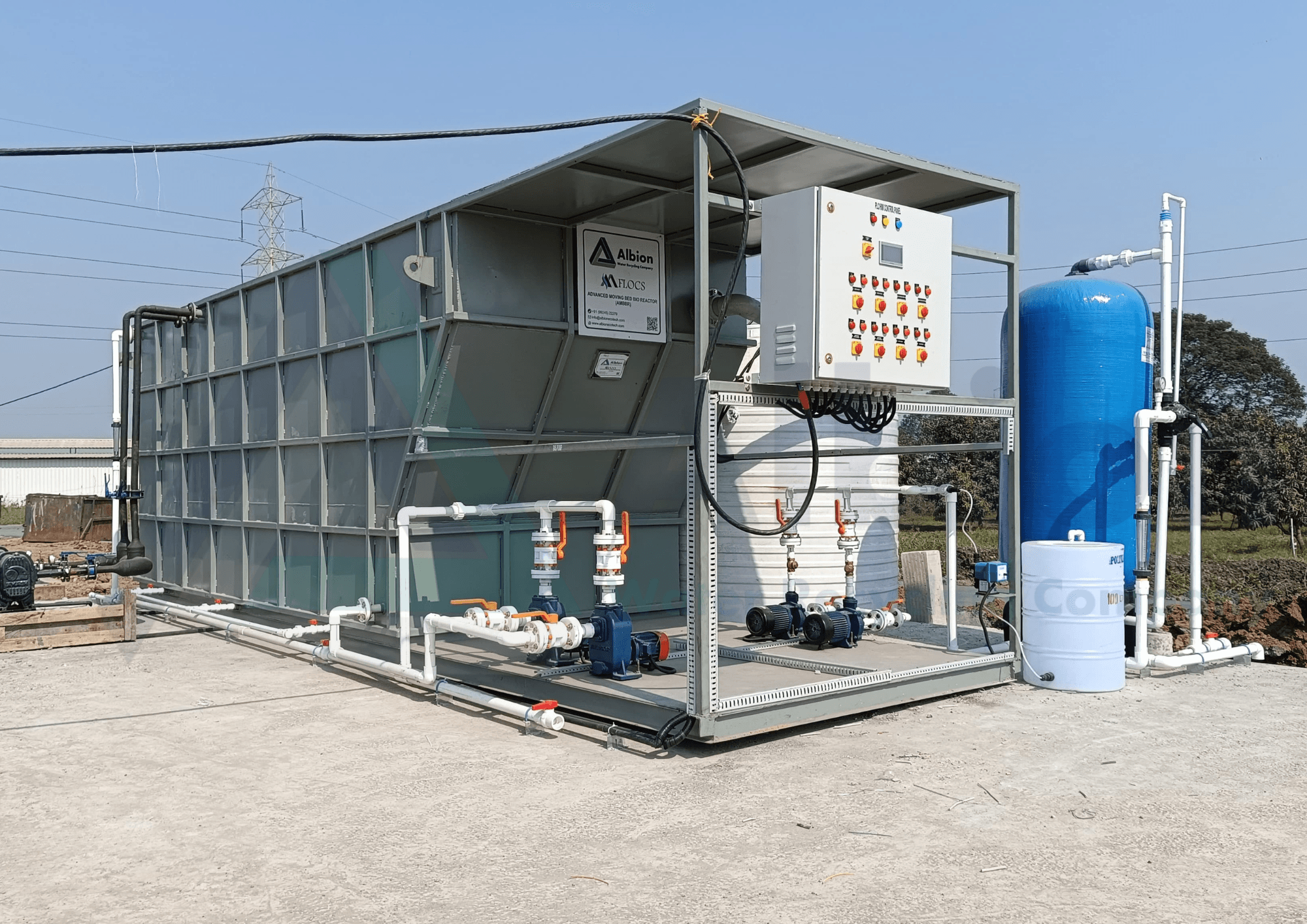 Membranes & Filtration MediaM-Flocs: Advanced Moving Bed Bioreactor (AMBBR) SystemNext-gen biological treatment using proprietary high-surface-area carriers to maximize bacterial growth in minimal tank volumes.
 - Product
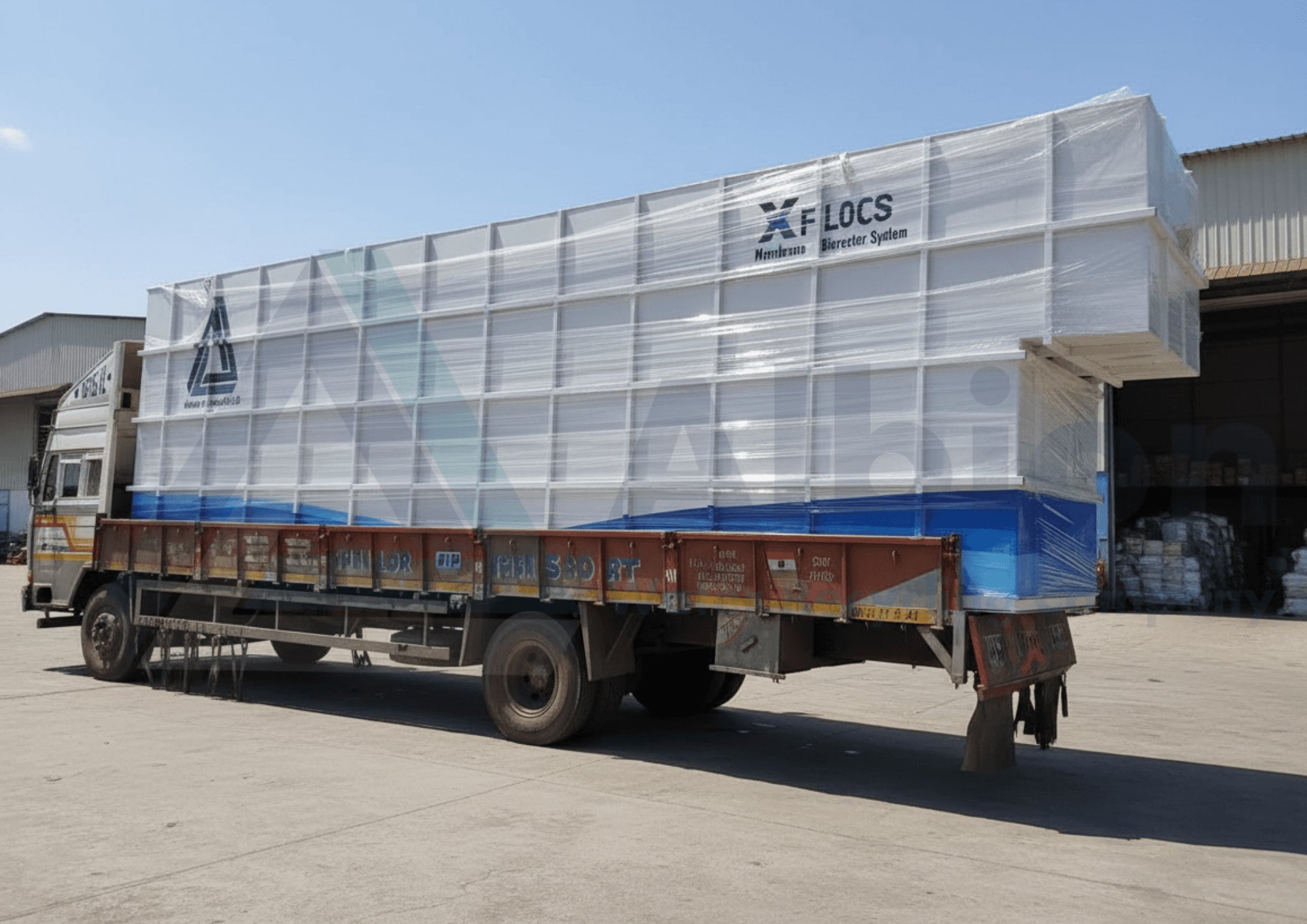 Membranes & Filtration MediaX-Flocs: Membrane Bioreactor (MBR) SystemA combined biological and membrane system that produces high-quality, reuse-ready treated water in a compact footprint.
Discuss your project
Tell us about your project scope and requirements, and our engineers will outline how we can deliver it end to end.
Start a project enquiry