Why the Paper & Pulp Industry Needs an ETP Wastewater Treatment Plant
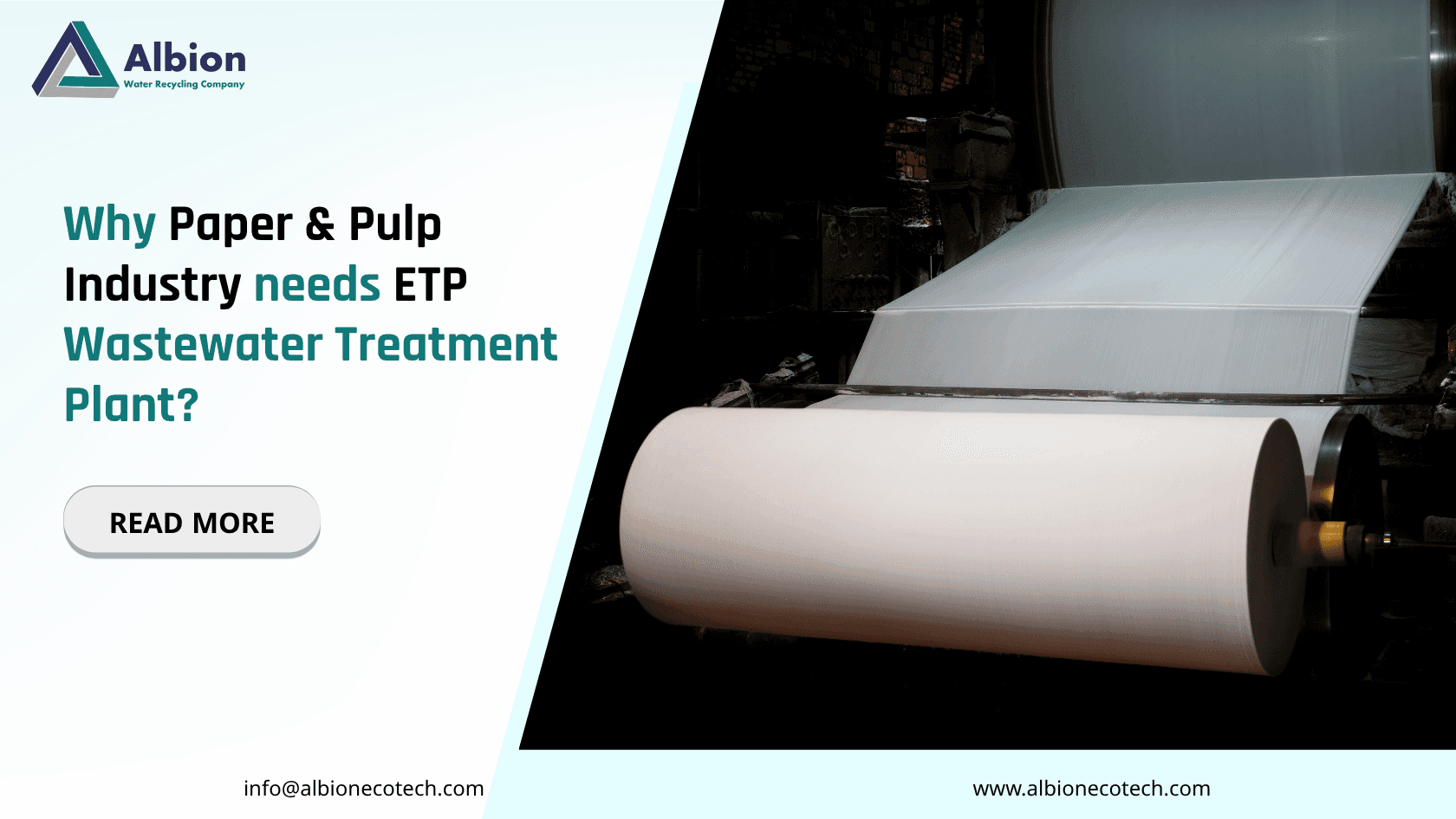
Making paper takes a great deal of water. Wood, bamboo, agro-residue or recovered paper is slurried, cooked, washed, bleached and formed into a sheet, and almost every step discharges fibre, dissolved organic matter and chemicals into the water leaving the mill. The result is a high-volume effluent that is often dark in colour, rich in suspended solids and carrying a substantial organic load. Discharged untreated, it smothers river beds, strips oxygen from water and stains it for kilometres downstream. An effluent treatment plant (ETP) is what keeps a mill within its consent and makes water recovery possible. This article explains why paper and pulp mills need one and how the treatment is built.
Where mill wastewater comes from
- Raw material preparation: debarking, chipping and washing release bark, dirt and soluble wood extractives. Recycled-fibre mills add contaminants from waste paper.
- Pulping: chemical pulping separates fibre from lignin, producing a strong, dark liquor called black liquor. In mills that recover it, most of the organic load and chemicals are kept in a closed loop. Where it is not recovered, as in many agro-residue mills, it becomes the dominant source of colour and COD. Silica in agro-residues also makes recovery harder.
- Washing and screening: carries fibre fines, dissolved lignin and residual cooking chemicals.
- Bleaching: removes remaining colour. Chlorine-based sequences can form chlorinated organic compounds, measured as AOX, which is why many mills have moved to elemental-chlorine-free or other bleaching routes.
- Paper machine and stock preparation: white water carrying fibre, fillers such as clay or calcium carbonate, starch, sizing agents, dyes, coatings and biocides.
- Deinking: in recycled mills, removes ink, coatings and adhesives, with a heavy solids and sludge load.
- Utilities: boiler and cooling blowdown, and condensates from evaporators and dryers.
What makes paper and pulp effluent challenging
- Large volume. Mills discharge far more water per unit of product than most industries, so treatment plants are large and flows must be handled at low cost.
- High suspended solids. Fibre and filler settle out and form sludge banks in drains and rivers. Recovering fibre early both protects the plant and returns raw material to the process.
- Colour and COD that resist breakdown. Lignin and its derivatives give dark colour and organic load that bacteria break down slowly, so colour often survives conventional biological treatment.
- Chlorinated organics and toxic components. Bleaching by-products, resin acids and biocides can be toxic to aquatic life and to biomass.
- Nutrient deficiency. Wood-based effluent is usually short of nitrogen and phosphorus, so these often have to be dosed for biological treatment to work.
- Temperature, foam and slime. Warm effluent, surfactants and starch promote foaming and filamentous growth that upsets settling.
Why an ETP is not optional
Regulatory consent. Pulp and paper is a regulated, water-polluting category in India. Mills operate under consent from the State Pollution Control Board, with discharge conditions that typically cover pH, suspended solids, BOD, COD, colour and, for bleaching mills, AOX, and often limits on water use per tonne of product. Non-compliance can lead to penalties and closure directions. The conditions differ by state, type of mill and mode of disposal, and some mills operate under zero liquid discharge, so they should be confirmed with the Board for each unit.
Protecting rivers and soil. Fibre blankets bury bottom habitat, organic load depletes oxygen, colour blocks light, and toxic components harm fish. Effluent used for irrigation without treatment can leave salts and organics in soil.
Water security. Mills draw large volumes from rivers and groundwater, and abstraction limits and drought risk are real constraints. Treating and reusing process water reduces intake, which matters more as supply tightens.
Resource recovery. Fibre and filler recovered ahead of the biological plant go back into the process, and biogas from anaerobic treatment can offset fuel. Both only happen if effluent is collected and treated in a controlled system.
Buyer expectations. Brand owners and packaging buyers increasingly ask paper suppliers about water use, effluent quality and certification, and a well-run ETP supports those claims.
How a paper and pulp ETP is built
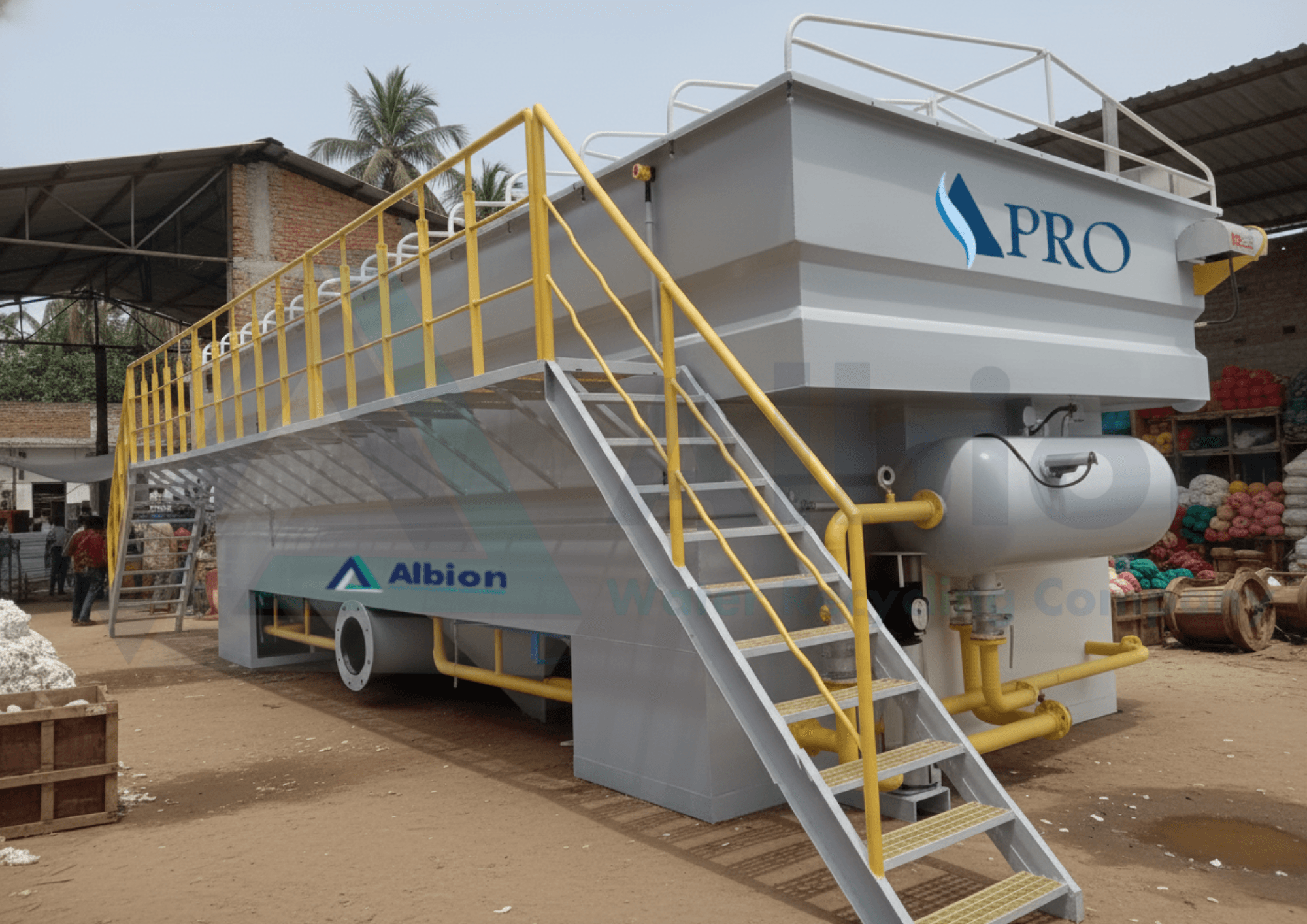
- Screening and fibre recovery. Coarse screens, then save-all units such as dissolved air flotation (DAF), disc filters or clarifiers, recover fibre and filler from white water. This cuts load on everything that follows.
- Primary clarification. Settles remaining suspended solids, usually with coagulant and polymer, and produces primary sludge.
- Equalisation, cooling and conditioning. A mixed tank evens out flow and strength. Effluent is cooled to the range biology tolerates, pH is corrected and nitrogen and phosphorus are dosed where deficient.
- Anaerobic stage for strong streams. High-COD streams, such as those from recycled-fibre or agro-based mills, can be treated anaerobically with less energy than aeration and generate biogas, followed by an aerobic stage. Toxic components and sulphate need to be checked first.
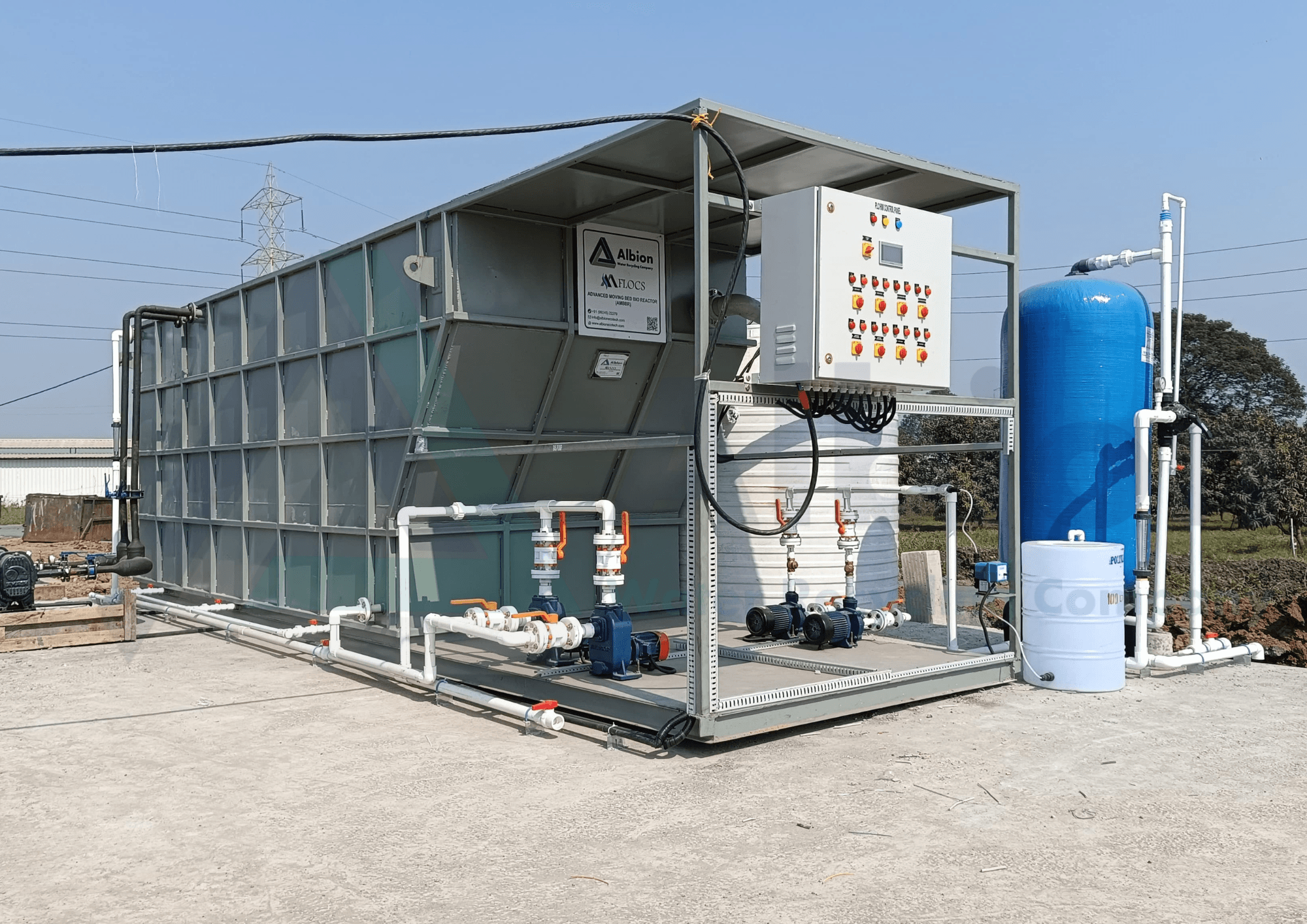
- Aerobic biological treatment. Conventional activated sludge, SBR, MBBR or AMBBR, or MBR remove biodegradable COD and BOD. Attached-growth systems handle load swings well and can sit on a tight plot, and MBR gives a clean feed for reuse.
- Tertiary and colour removal. Coagulation and flocculation, and where needed advanced oxidation, reduce residual colour and COD that biology leaves behind.
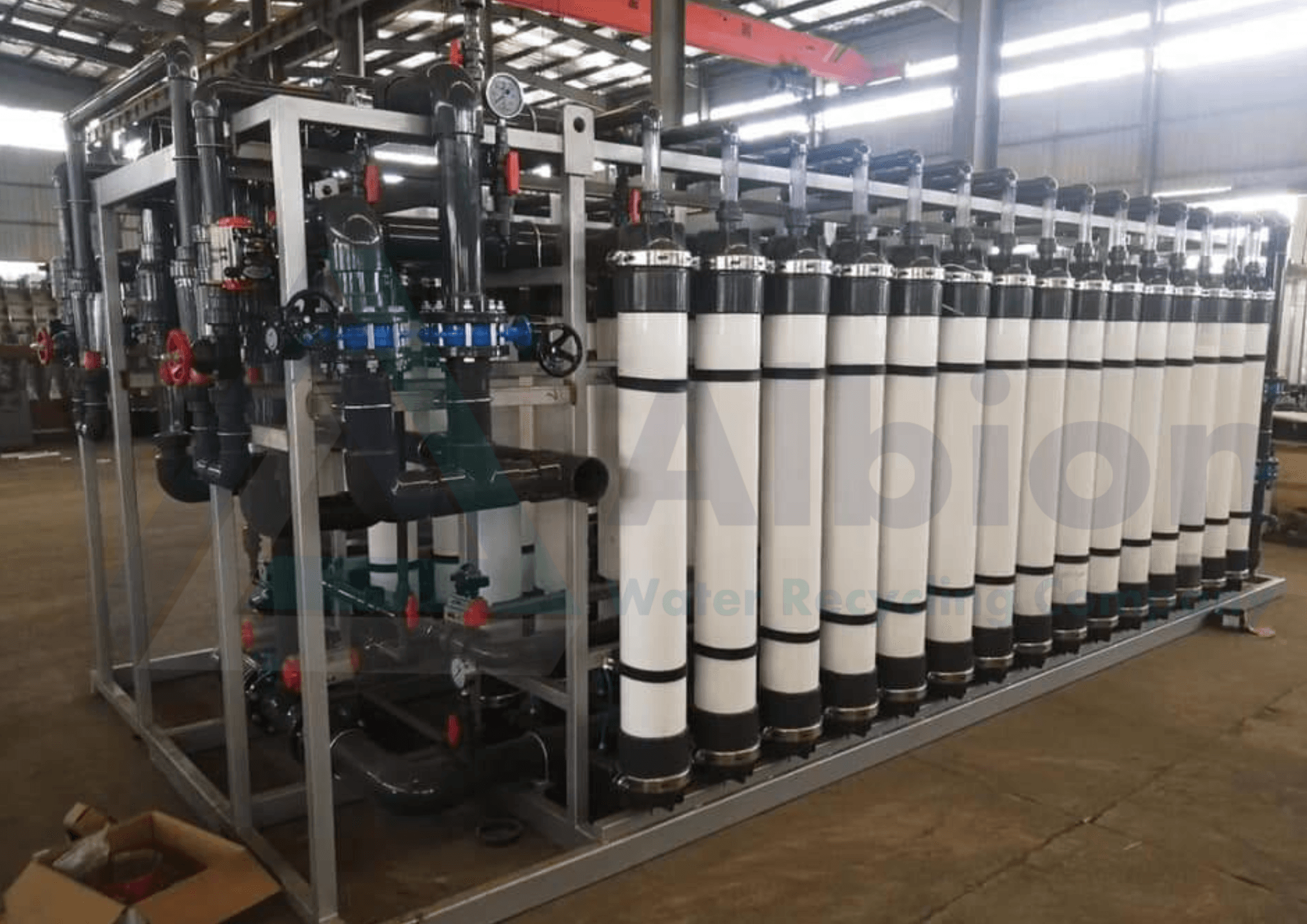
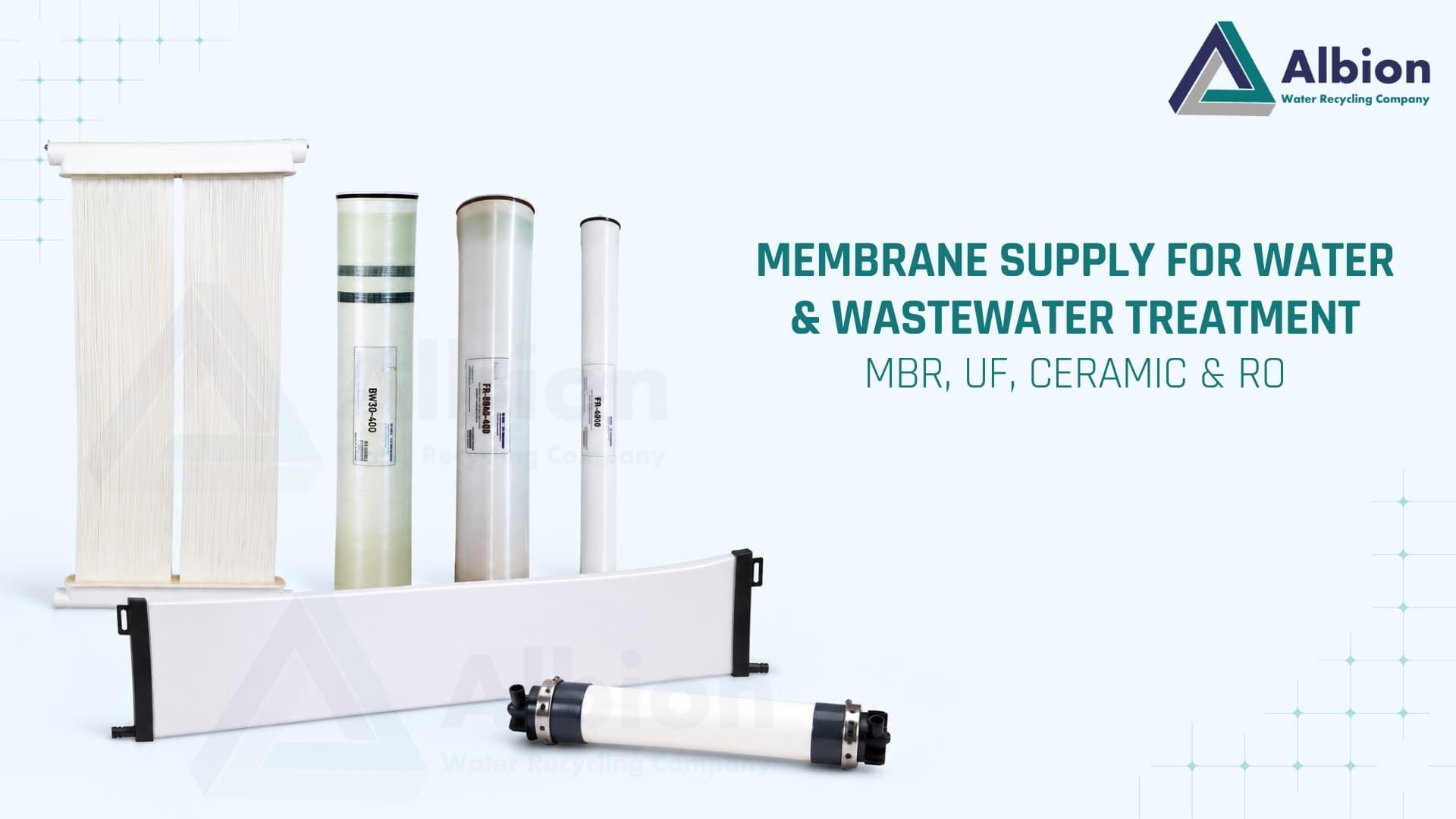
- UF, RO and ZLD. Membranes make treated water suitable for reuse in the mill, and ZLD concentrates the reject into a solid residue where discharge is not permitted. Both add energy and cost and are justified by regulation or water scarcity.
- Sludge handling. Primary fibre sludge, chemical sludge and biological sludge are thickened and dewatered. Depending on quality and the rules, sludge may be used as fuel or in board and brick making, or composted, and the route should be confirmed locally. Mixed sludge from deinking can contain ink and coating residues that limit options.
Reuse inside the mill
Paper mills are well placed to reuse water because many steps do not need fresh water. Clarified white water is routinely recycled within the paper machine, and treated effluent can supply washing, stock dilution in lower-grade products, cooling and boiler make-up after polishing. The limit is quality: residual colour, dissolved salts, hardness and microbial load can affect product, cause deposits and corrode equipment, and tissue or food-contact grades have stricter requirements. UF and RO raise quality where closed-loop operation is the goal, and closing the water loop concentrates dissolved salts, so salt build-up needs to be managed.
Cut the load before the ETP
- Recycle paper machine white water and recover fibre close to the machine.
- Use efficient, counter-current pulp washing so less liquor is lost to the drain.
- Recover and burn black liquor where the mill can, and capture spills and boil-outs rather than letting them reach the ETP.
- Choose bleaching sequences with lower chlorinated by-products where the product allows.
- Keep clean cooling water and condensate separate from fibre-laden streams so they can be reused directly.
- Meter water by section to find where use per tonne is highest.
Common mistakes
- Skipping fibre recovery, so fibre overloads clarifiers and biological stages.
- Forgetting nutrient dosing, then wondering why the biomass will not grow.
- Expecting biological treatment alone to remove colour.
- Letting hot effluent reach the biological stage without cooling.
- Closing the water loop without a plan for salt, scaling and slime build-up.
- Leaving sludge volume and disposal for later, when it is one of the largest cost items.
How Albion Ecotech approaches paper and pulp ETPs
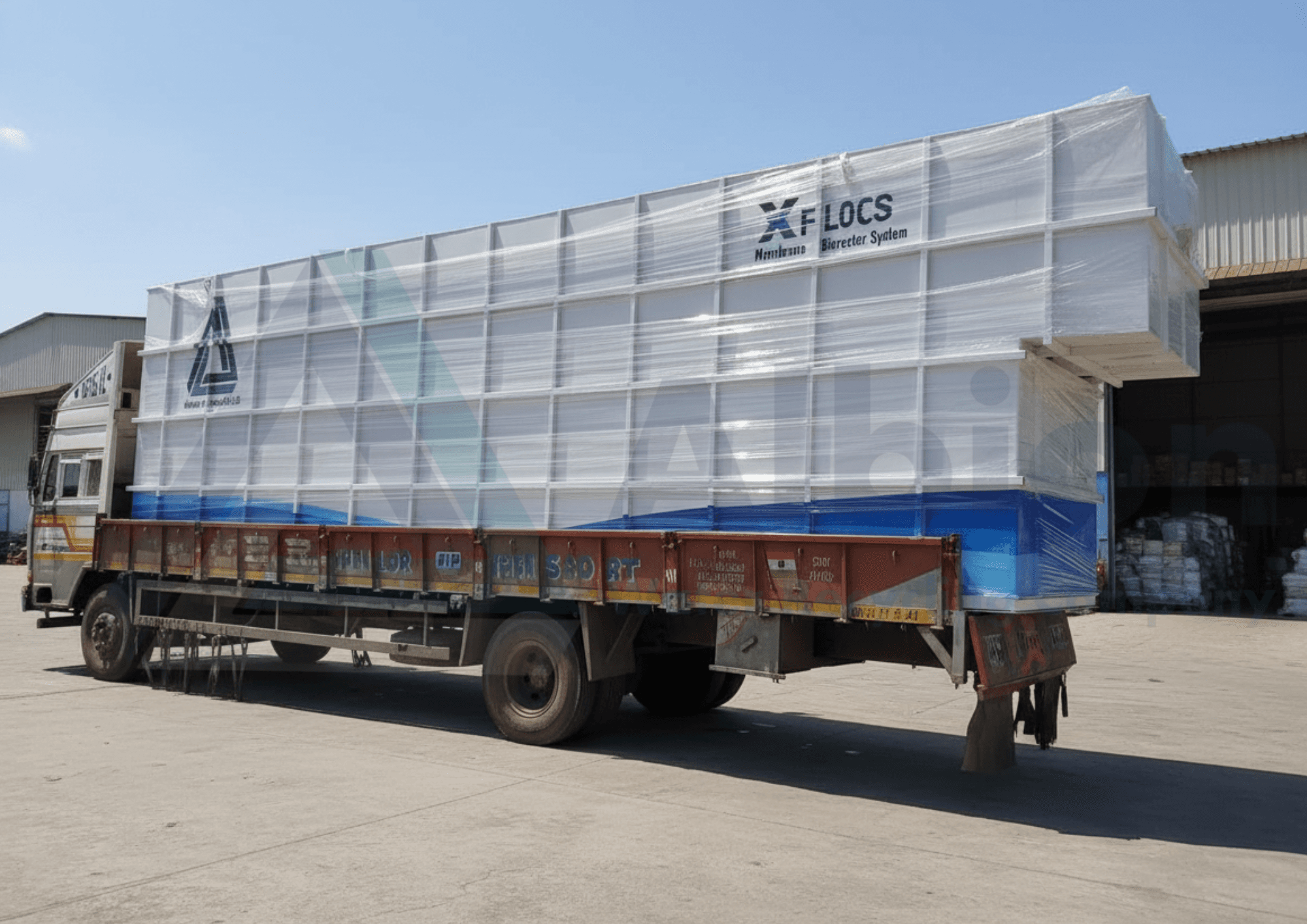
Albion Ecotech designs ETPs around each mill's measured effluent: flow per tonne of product, suspended solids, COD and colour, temperature, nutrient balance and the discharge or reuse target. Depending on the mill, that can mean fibre recovery and DAF, primary clarification, an equalisation and cooling stage, a biological stage selected from SBR, MBBR or AMBBR, and MBR, colour polishing, and UF, RO or ZLD where reuse or regulation calls for it. Sludge management, energy-efficient aeration and pumping, PLC-based automation and post-commissioning support are part of the scope, and plants can be supplied in packaged or civil formats.
Frequently Asked Questions
Why do paper and pulp mills need an ETP?
Mill effluent is high in volume, suspended fibre, organic matter and colour, and can contain toxic bleaching by-products. Without treatment it harms rivers and soil and breaches consent conditions, so an ETP is needed to meet discharge limits and to recover water.
Why is colour so hard to remove from paper mill effluent?
Much of the colour comes from lignin and its derivatives, which bacteria break down slowly. Biological treatment removes some of it, but coagulation, advanced oxidation or membranes are often needed to meet colour limits.
Do paper mills need nutrient dosing in the ETP?
Often yes. Wood-based and some other mill effluents are low in nitrogen and phosphorus, which biomass needs to grow, so they are usually dosed to keep biological treatment working. The amounts should be set from effluent analysis.
Can a paper mill reuse its treated effluent?
Yes, for many uses once the quality is confirmed, such as washing, cooling and boiler make-up, and in some product grades as process water. Residual colour, salts and microbial load limit reuse in sensitive grades, and UF and RO raise quality where needed.
Which biological process suits a paper mill ETP?
It depends on the load, space and quality target. Anaerobic treatment suits strong streams, activated sludge or SBR suit large flows with land available, MBBR and AMBBR suit variable load on tight plots, and MBR suits reuse-grade water. Fibre recovery comes first in every case.