Punjab Draws 52% More Groundwater Than Is Available: What It Means for Water Reuse
Punjab drew 26.32 billion cubic metres (BCM) of groundwater in 2025-26 against 17.29 BCM that is considered available for annual withdrawal, which puts extraction about 52% above the sustainable level. The figures come from the state's latest dynamic groundwater resource assessment, prepared by a 10-member committee, and they show a modest improvement inside a still-critical picture.
What the assessment found
- Recharge and withdrawal: the state recharges roughly 19.14 BCM of groundwater a year, of which 17.29 BCM is available for withdrawal. The stage of groundwater exploitation stands at 152.22%.
- Who uses it: 24.95 BCM of the 26.32 BCM extracted went to irrigation, roughly 95% of the total.
- Block classification: of 153 assessed blocks, 110 are over-exploited, 6 are critical, 17 are semi-critical and 20 are safe. That leaves 116 blocks in the over-exploited or critical categories.
- Direction of change: over-exploited blocks fell from 115 to 110 over two years, five of them moving into the critical category, and the pace of exploitation slowed in 95 blocks.
The improvement is linked to better access to canal water. Where farmers can draw on canals, dependence on tube wells falls, and the assessment counts canal and surface-water recharge as part of the groundwater balance. The state government has said it wants to extend canal irrigation and reach tail-end areas by 2026. Moving a block from over-exploited to critical is progress, but critical is still a serious category, and at 152.22% the state is taking far more from the ground than nature replaces.
Why canals alone will not close the gap
Because irrigation dominates withdrawals, experts quoted in the assessment coverage point out that a bigger canal network cannot be a permanent fix by itself. The measures under discussion sit alongside it: crop diversification, water-efficient crops, better irrigation efficiency and tighter control of groundwater withdrawals.
Where treated wastewater fits in
The assessment does not discuss wastewater reuse, and it would be wrong to suggest reuse can offset a deficit that is 95% agricultural. The remaining five percent, though, is drawn by cities, industry and commercial buildings, and much of that demand does not need drinking-quality water. Cooling towers, boiler make-up, process washing, toilet flushing, landscaping and construction can all run on treated wastewater of the right grade. Each kilolitre supplied that way is a kilolitre not pumped from an aquifer that is already over-drawn.
In practice, this comes down to a few engineering decisions:
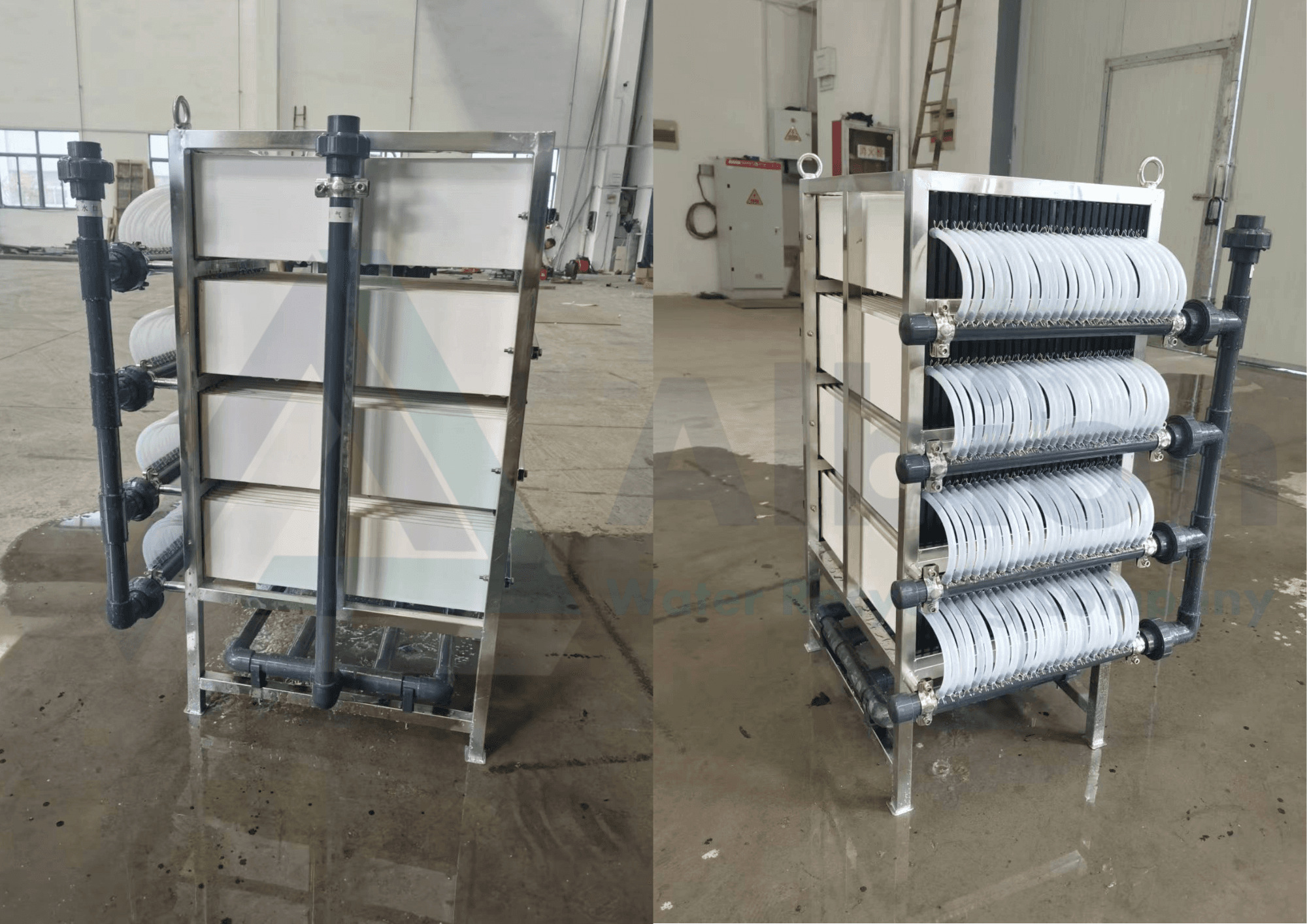
- Match effluent quality to end use. Flushing and gardening need a lower grade than cooling-tower or process reuse. An MBR delivers low-turbidity permeate that suits reuse directly, while an SBR or MBBR/AMBBR train can be followed by filtration and disinfection for less demanding uses.
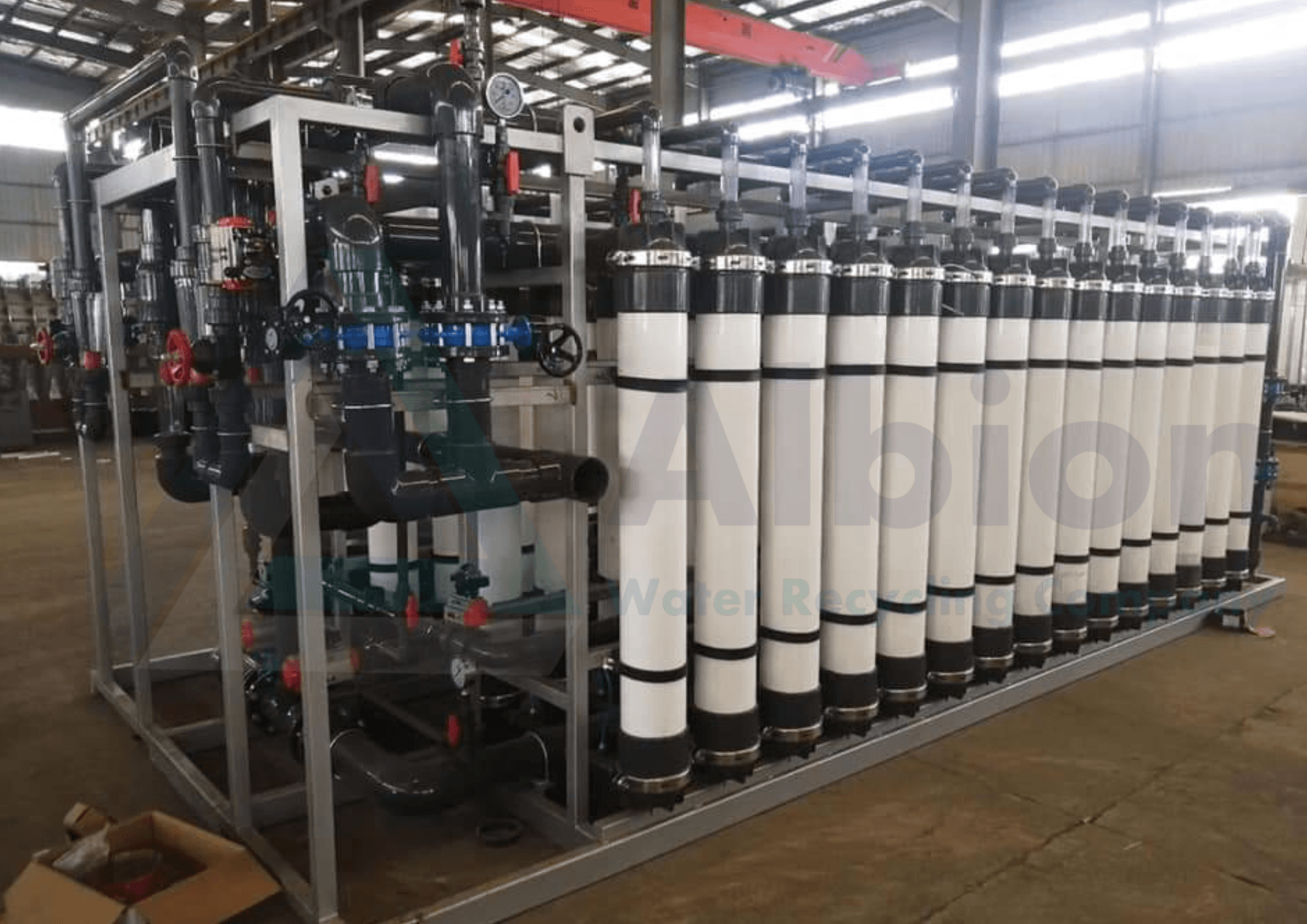
- Add UF and RO where water quality demands it. Industrial reuse often needs low dissolved solids, which is a job for RO after UF. Recovery rates and reject management then become part of the design.
- Consider ZLD for the most constrained sites. Where discharge is restricted and fresh water is scarce, zero liquid discharge maximises water recovery, at a higher energy and OPEX cost that needs to be justified against water and compliance risk.
- Plan the reuse loop, not just the plant. Dual plumbing, storage, and monitoring of treated water quality matter as much as the treatment units when the goal is to cut fresh-water intake.
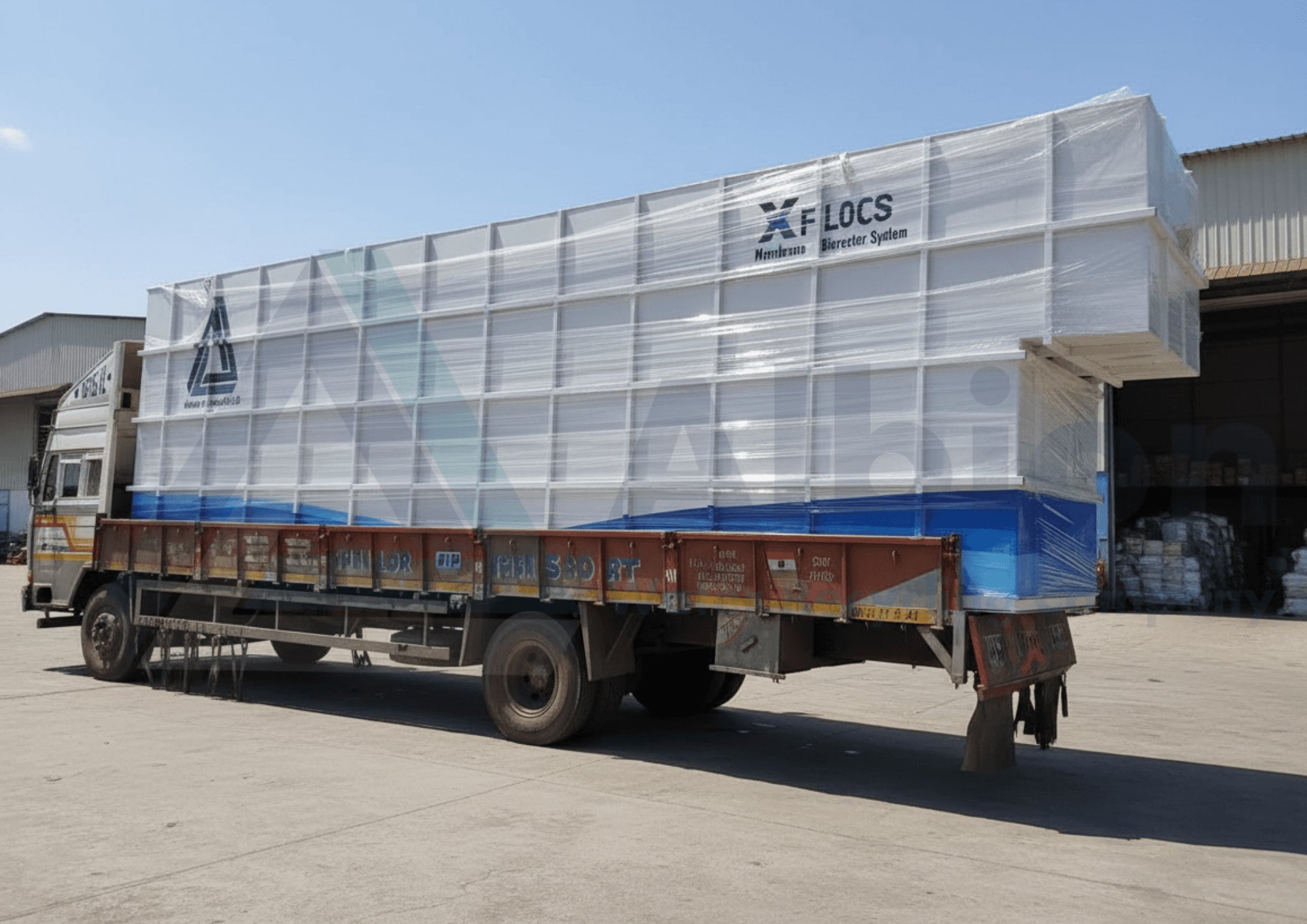
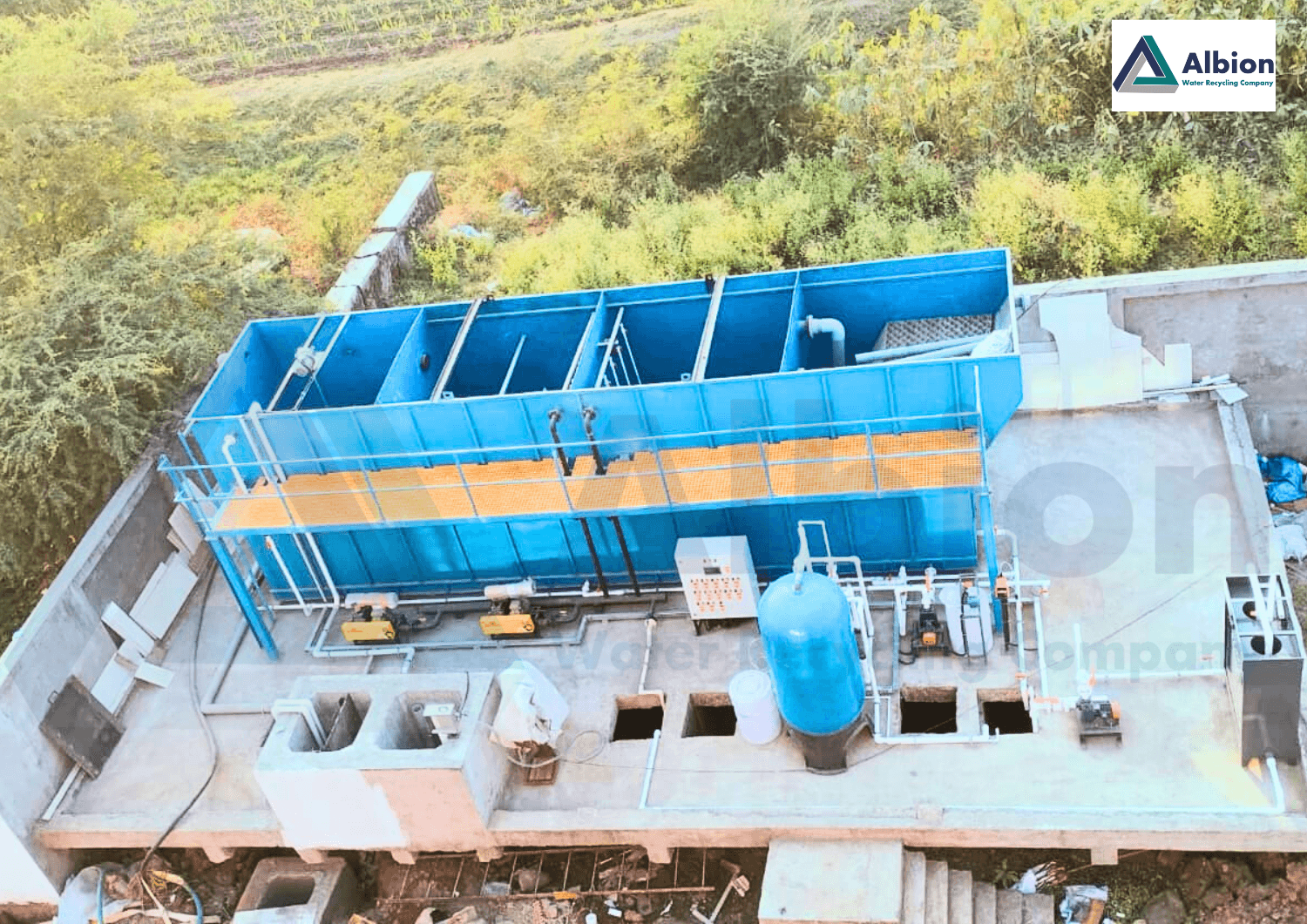
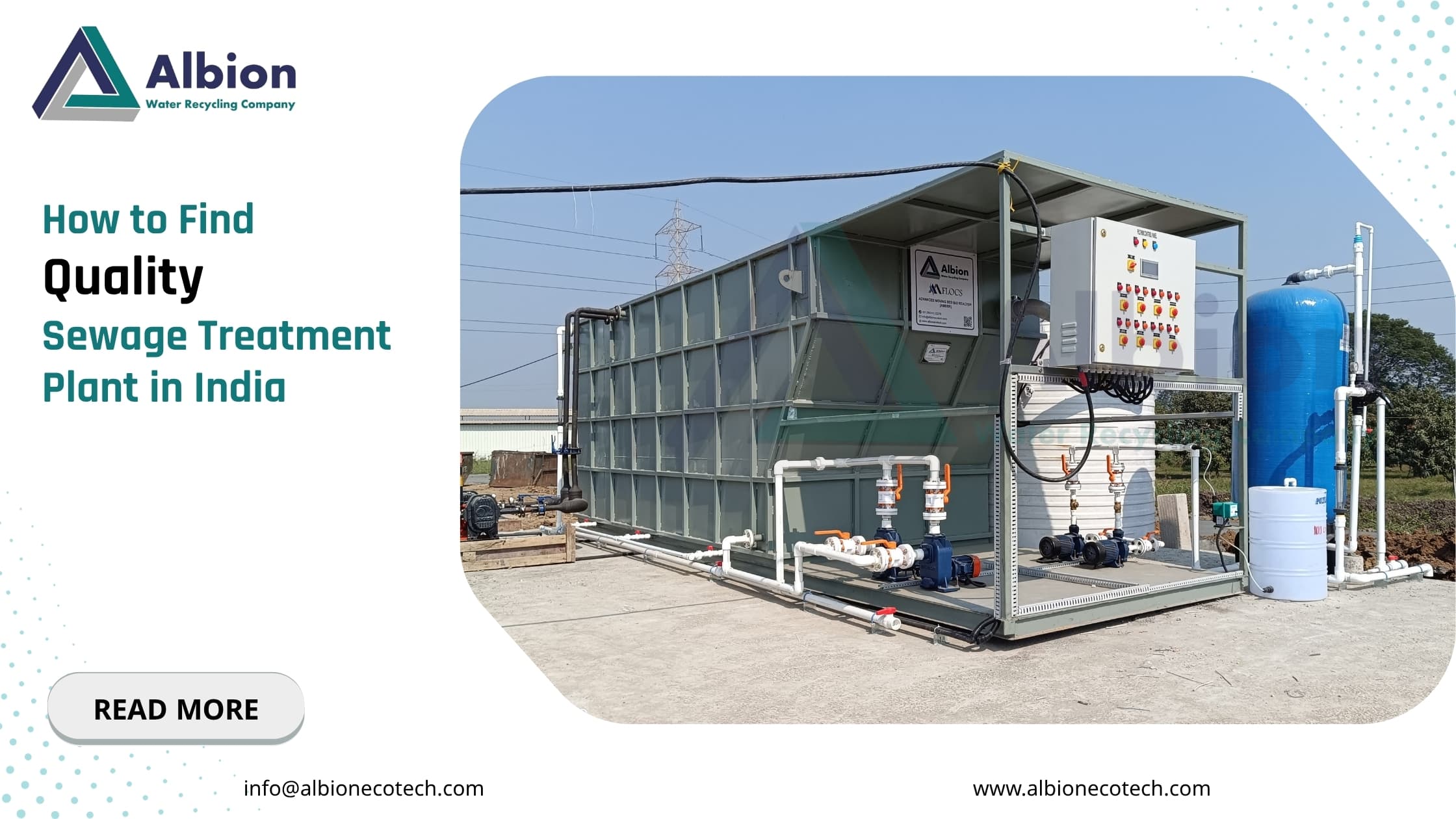
Albion Ecotech designs STPs and ETPs with reuse built in, using MBR, MBBR/AMBBR and SBR processes with UF, RO and ZLD options, in packaged and civil formats. For sites in groundwater-stressed regions, the starting point is a water balance: how much water is used, for what purpose, and how much of it can be recovered at the quality each use needs.
Frequently Asked Questions
What does 152.22% groundwater exploitation mean?
It is the ratio of groundwater extracted to the amount available for annual withdrawal. A value above 100% means more is being drawn than the aquifer can replenish in a year, so water levels keep falling.
Can treated wastewater solve Punjab's groundwater problem?
Not on its own. About 95% of extraction is for irrigation, so crop choices, irrigation efficiency and canal supply carry most of the weight. Reuse can reduce groundwater demand from cities, industry and commercial buildings, which is a smaller but real share.
Which applications can use treated wastewater instead of groundwater?
Common ones are toilet flushing, landscaping, cooling-tower make-up, boiler feed after further treatment, process washing and construction. The required quality differs for each, and applicable standards should be confirmed for the site and end use.
When is MBR preferred over SBR or AMBBR for reuse?
MBR is generally preferred where low turbidity and pathogen removal are required and space is limited. SBR or AMBBR can be enough for less demanding reuse when followed by filtration and disinfection, and often cost less to build and run.
What is the role of RO and ZLD in water recovery?
RO removes dissolved salts so treated water can meet stricter industrial quality. ZLD goes further by concentrating and recovering the reject stream, so almost no liquid leaves the site. Both add energy and operating cost, so they suit sites where water scarcity or discharge limits justify them.