Wastewater Treatment Plants: The Keys to Sustainable Wastewater Management
Every use of water changes its quality. Household, commercial and industrial activity, and even rain running over streets and roofs, leaves water carrying solids, organic matter, nutrients and sometimes disease-causing organisms or chemicals. Before that water goes back to a river, lake or sea, it has to be cleaned. A wastewater treatment plant is the industrial facility that does this, and how well it is designed and run decides whether water resources stay usable. This article walks through the treatment steps, then looks at what makes a plant sustainable in practice: energy, reuse, sludge and the quality of what leaves the site.
What a wastewater treatment plant does
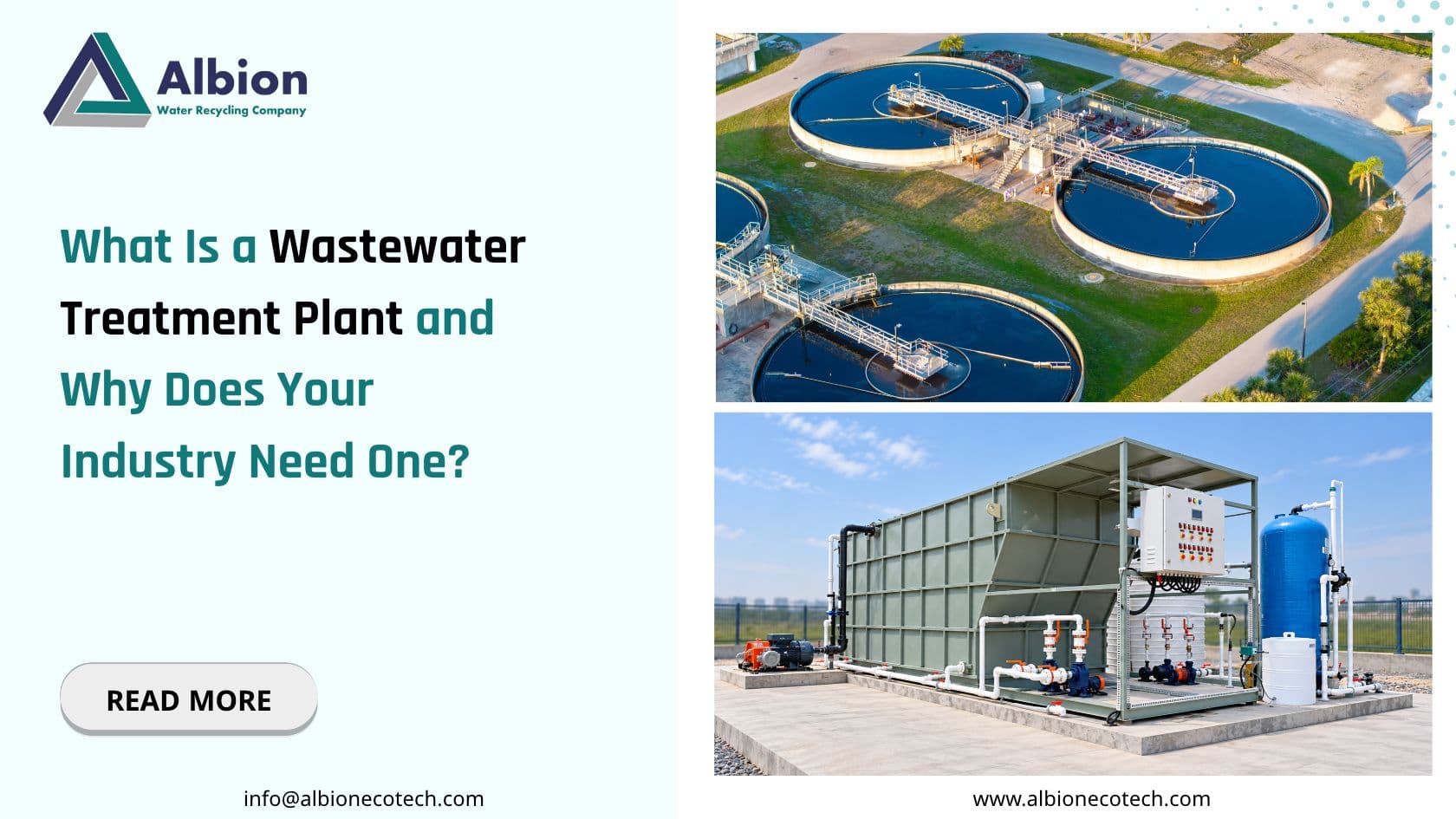
The main goal is to remove the pollutants that harm ecosystems and people: suspended solids, organic pollution, nitrogen, phosphorus and, where needed, pathogens. Doing so protects the quality of rivers, aquifers and coastal waters, and it also creates the option of reusing the treated water. Plants range from small packaged units serving a single building to very large facilities serving a city, and the principle is the same at every scale: separate what can be separated, let microorganisms consume what is dissolved, and polish the water to the standard the destination needs.
The treatment process, step by step
- 1. Pre-treatment. Bar screens hold back rags, plastics, stones and other debris that could damage equipment. Grit chambers settle sand, and grease traps skim off fats and oils.
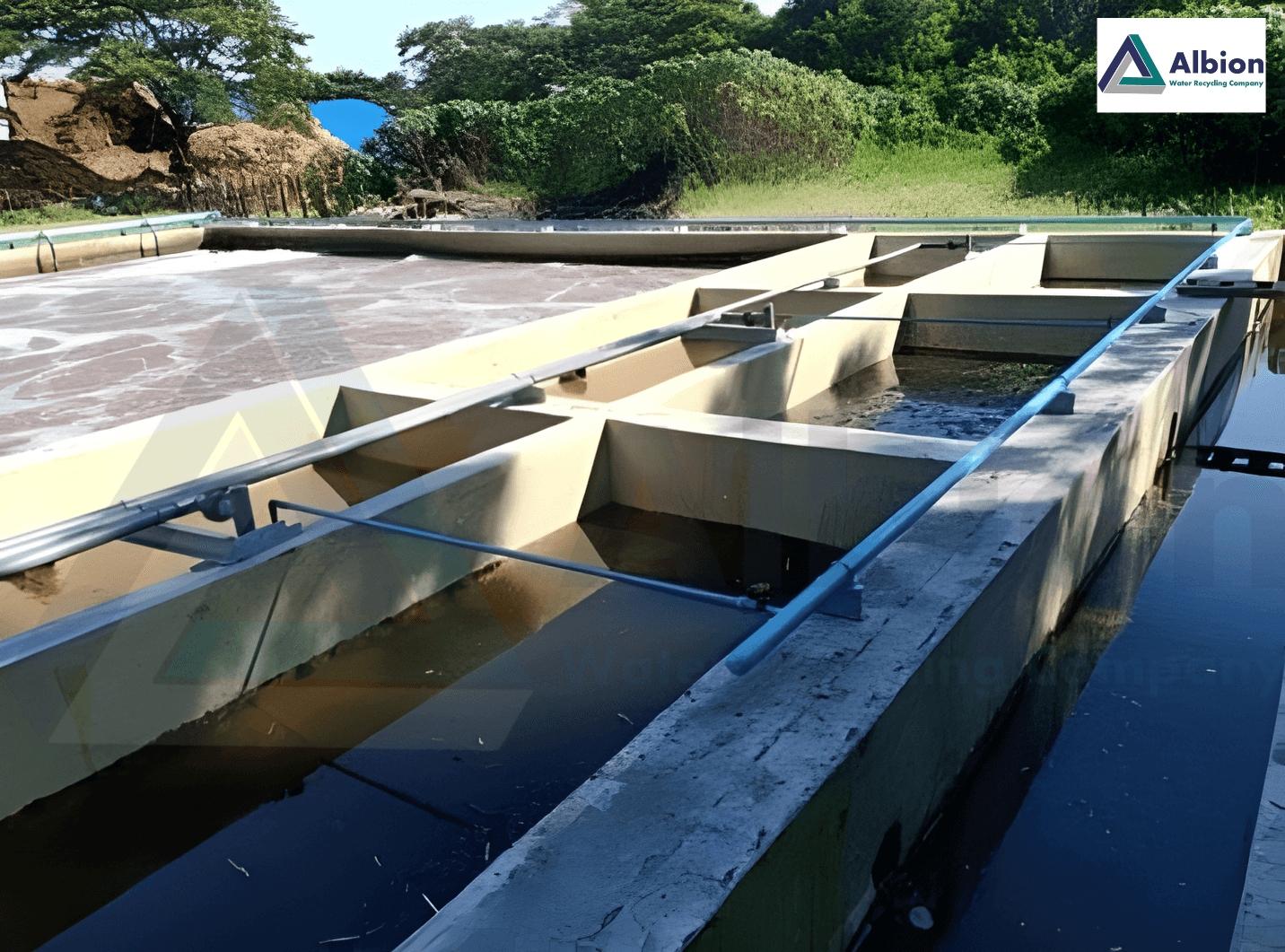
- 2. Primary treatment. In sedimentation tanks the heavier particles sink and floating material is skimmed from the surface, removing most of the suspended matter.
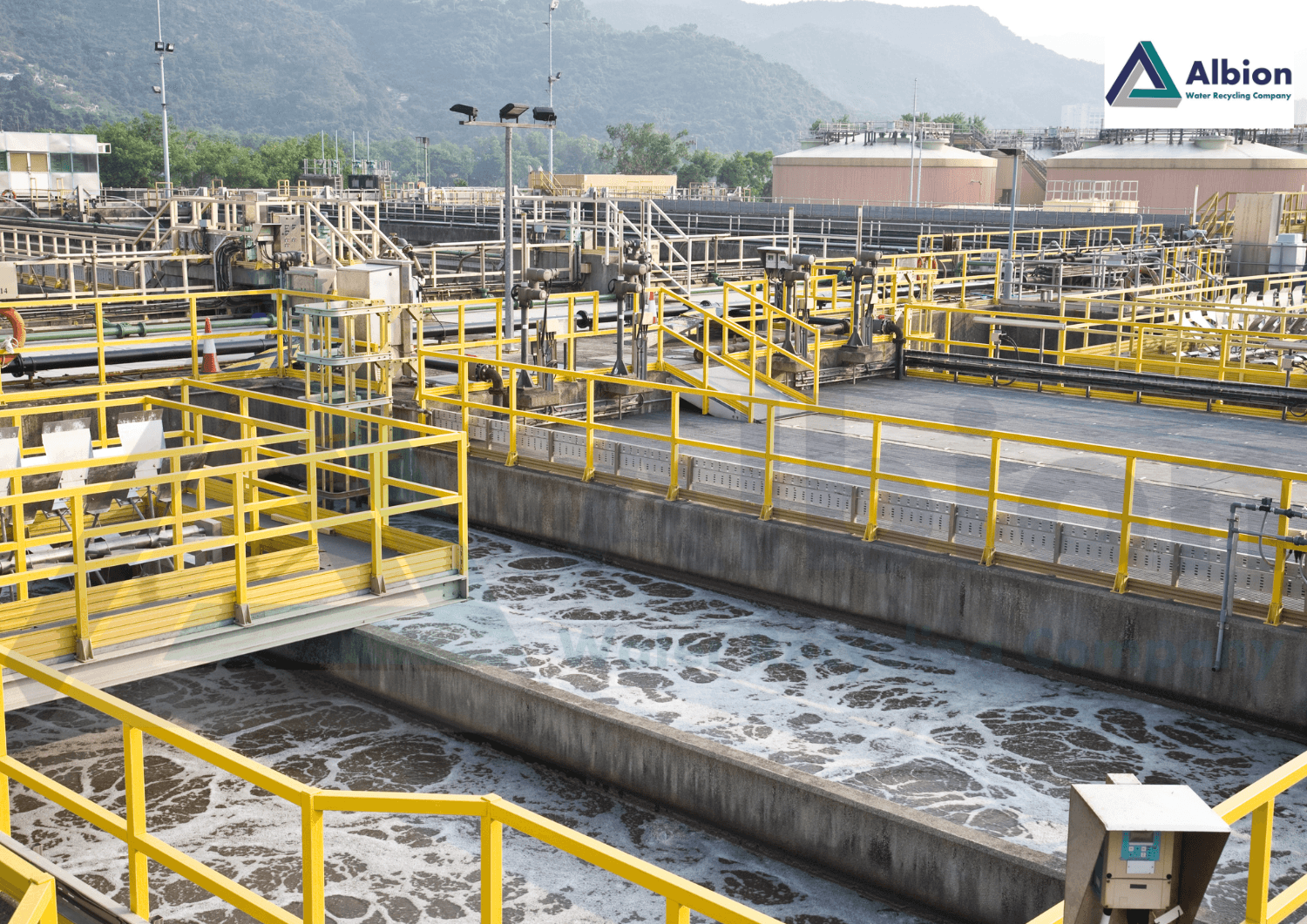
- 3. Secondary (biological) treatment. The central step. Microorganisms that occur naturally in wastewater, but at low concentration, are kept at high concentration in an aerated reactor, where they consume dissolved organic matter and convert it largely to carbon dioxide, water and new biomass. This mix of water and microorganisms is called activated sludge. The same step removes part of the nitrogen and phosphorus, and designs can be tuned to remove more.
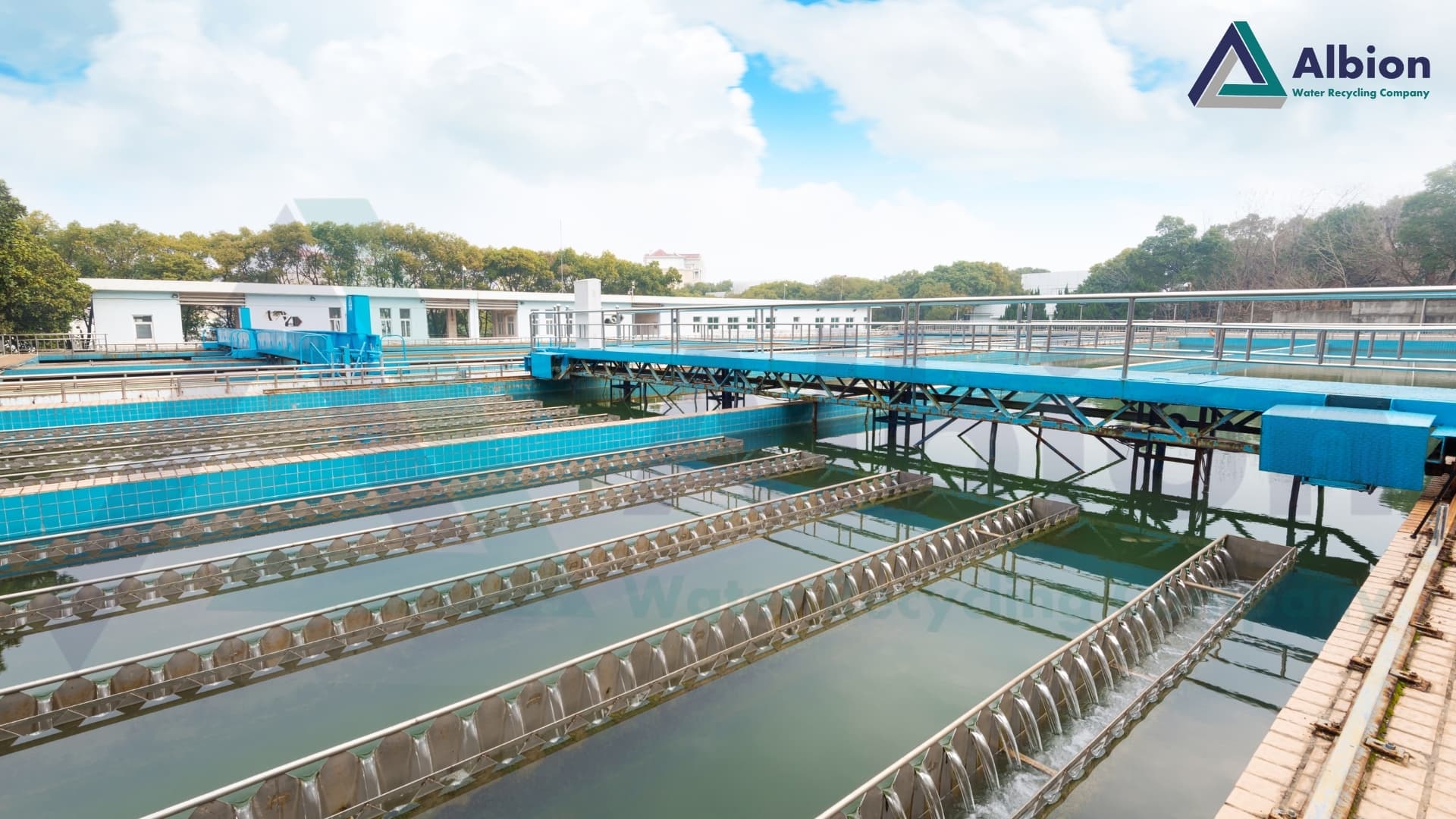
- 4. Separating water from microorganisms. In a clarifier, treated water stays near the surface while sludge settles. Part of the sludge returns to the aeration tank to keep the biomass concentration up, and the excess is withdrawn for sludge treatment. Where space is limited, a membrane bioreactor replaces the aeration tank and clarifier with one unit in which membrane filters do the final separation. SBR does the same job in a single tank by running aeration, settling and decanting in sequence, and MBBR and AMBBR keep biomass on carrier media so a smaller reactor can do more.
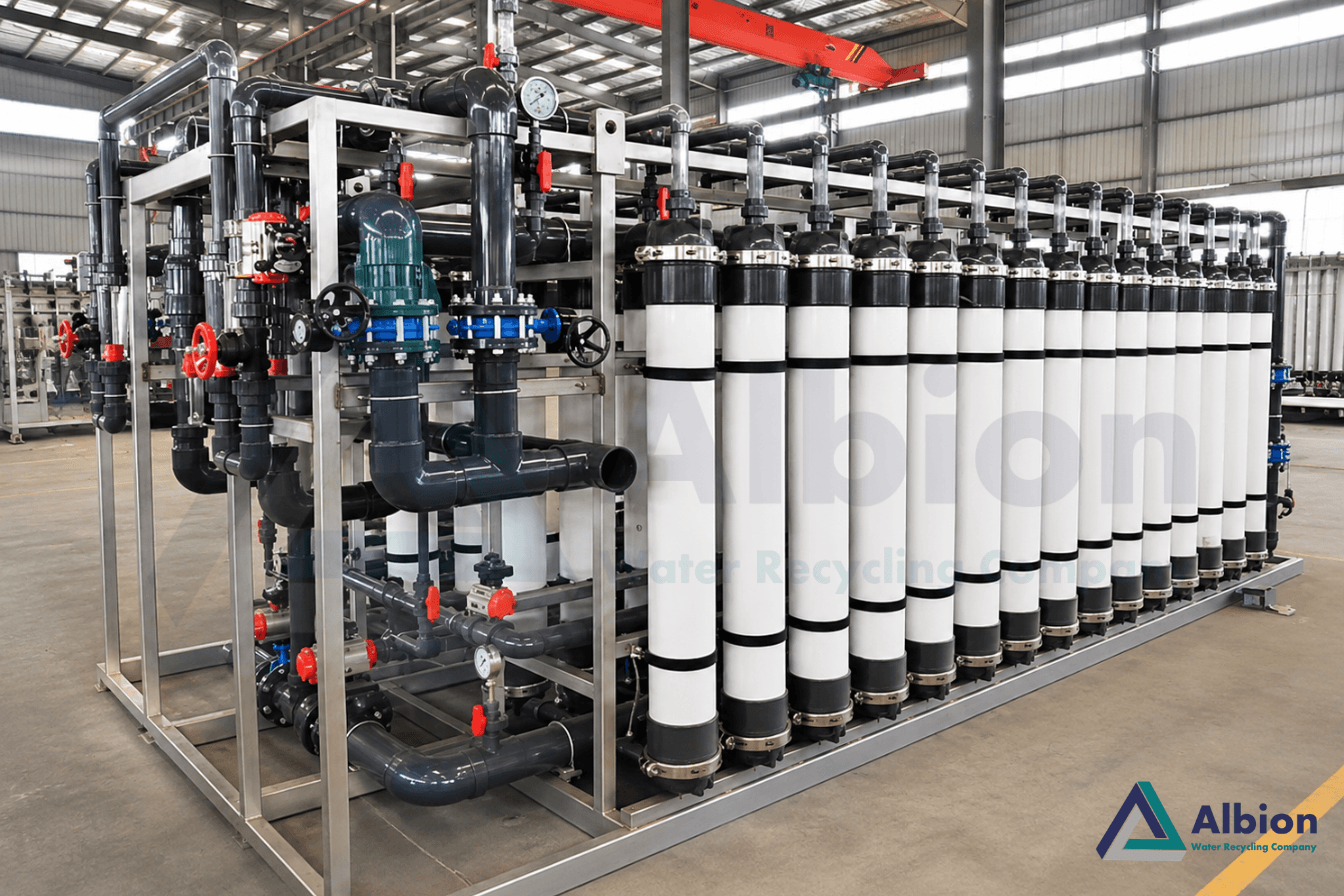
- 5. Tertiary treatment. Where the receiving environment is sensitive, or the water is to be reused, residual pollution is removed with further steps such as chemical phosphate removal, filtration, activated carbon, ultrafiltration, reverse osmosis, ozone or UV disinfection. Which of them is used depends on the use of the treated water.
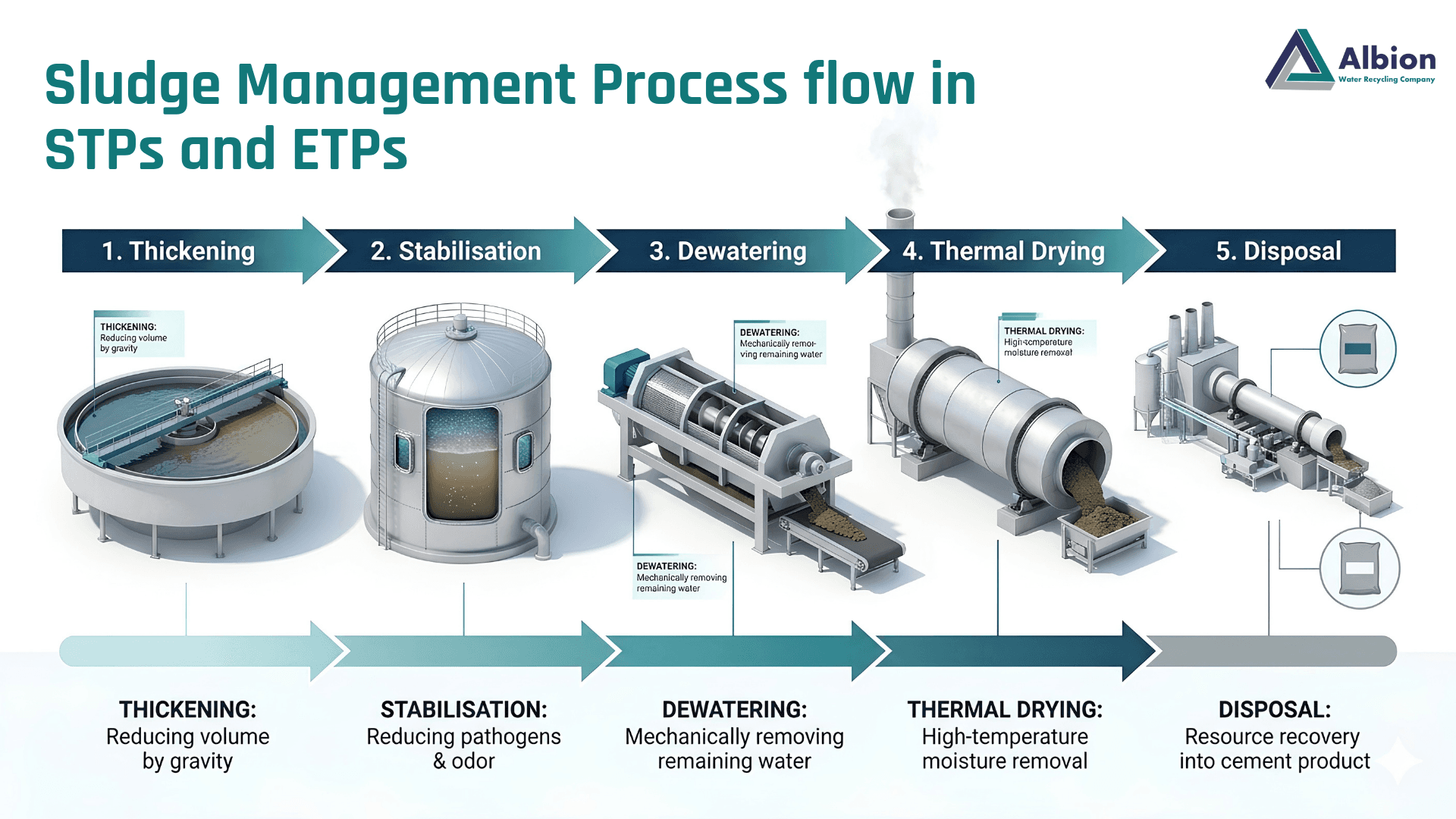
- 6. Sludge treatment. Treatment produces sludge rich in organic matter. In smaller plants it is thickened, dewatered mechanically and stabilised before agricultural use, incineration or disposal in a suitable facility. In larger plants it can be digested anaerobically, which reduces volume and produces biogas, and the remaining digestate is dewatered and sometimes dried.
What makes a plant sustainable
A plant that meets its discharge limits is compliant. A sustainable plant also uses little energy, recovers resources and keeps working for decades. Four things decide that.
Energy. Wastewater plants have historically been heavy electricity users, largely because of aeration. Two measures shift that. The first is efficient aeration, with fine-bubble diffusers, variable-speed blowers and dissolved oxygen control. The second is energy recovery: where sludge is digested anaerobically, the biogas can run cogeneration engines. A large plant in southeastern Europe that was modernised this way generated 23,600 MWh of energy in 2021, about 16 percent more than its own needs, which cut reliance on purchased fossil-based power.
Water reuse. In water-scarce regions, treated wastewater is a real source of supply. One large plant serving a national capital region in a dry country supplies about a quarter of the country's agricultural water needs and around 12 percent of its overall water needs through reuse, which supports farming and food security where natural water is limited. At building and factory scale, the equivalent is reuse for flushing, landscaping, cooling and washing, with UF and RO for higher grades.
Resource recovery from sludge. Sludge is not just a disposal problem. It holds organic matter that can become biogas, and nutrients that can return to soil where quality and rules allow. A defined, safe route for sludge, planned at design stage, keeps cost under control and avoids a stalled plant.
Protecting sensitive environments. Where treated water enters a bathing area, a fishery or a drinking water source, tertiary treatment and tighter nutrient control matter. Modern membrane-based plants and ozone or UV disinfection are used in the most demanding cases to reach a high level of clean-up.
What this means in India
The same principles apply at the scale of Indian towns, townships, hotels, hospitals and factories, with a few practical differences. Flows and loads swing with occupancy and production, so equalisation and a process that tolerates variation matter. Plot area is often tight, which favours compact processes such as SBR, MBBR, AMBBR and MBR. Many industrial units must meet zero liquid discharge, and many urban developments are expected to reuse treated water. Discharge and reuse standards are set by the Central Pollution Control Board and the State Pollution Control Boards, and they differ by sector and location, so the applicable conditions should be confirmed for each project.
A checklist for a sustainable plant
- Design on measured flow and load, including peaks and seasonal variation, not on assumed averages.
- Pick the process for the site: footprint, load variability, quality target and operating skills available.
- Size aeration realistically and control it from dissolved oxygen, since it is usually the biggest energy cost.
- Match treated water to a defined use and build storage and distribution for it.
- Plan sludge thickening, dewatering and disposal or recovery from the start.
- Automate and monitor, so performance is recorded and problems are caught early.
- Train operators and arrange maintenance support, since plants fail more often from neglect than from design.
How Albion Ecotech approaches sustainable treatment
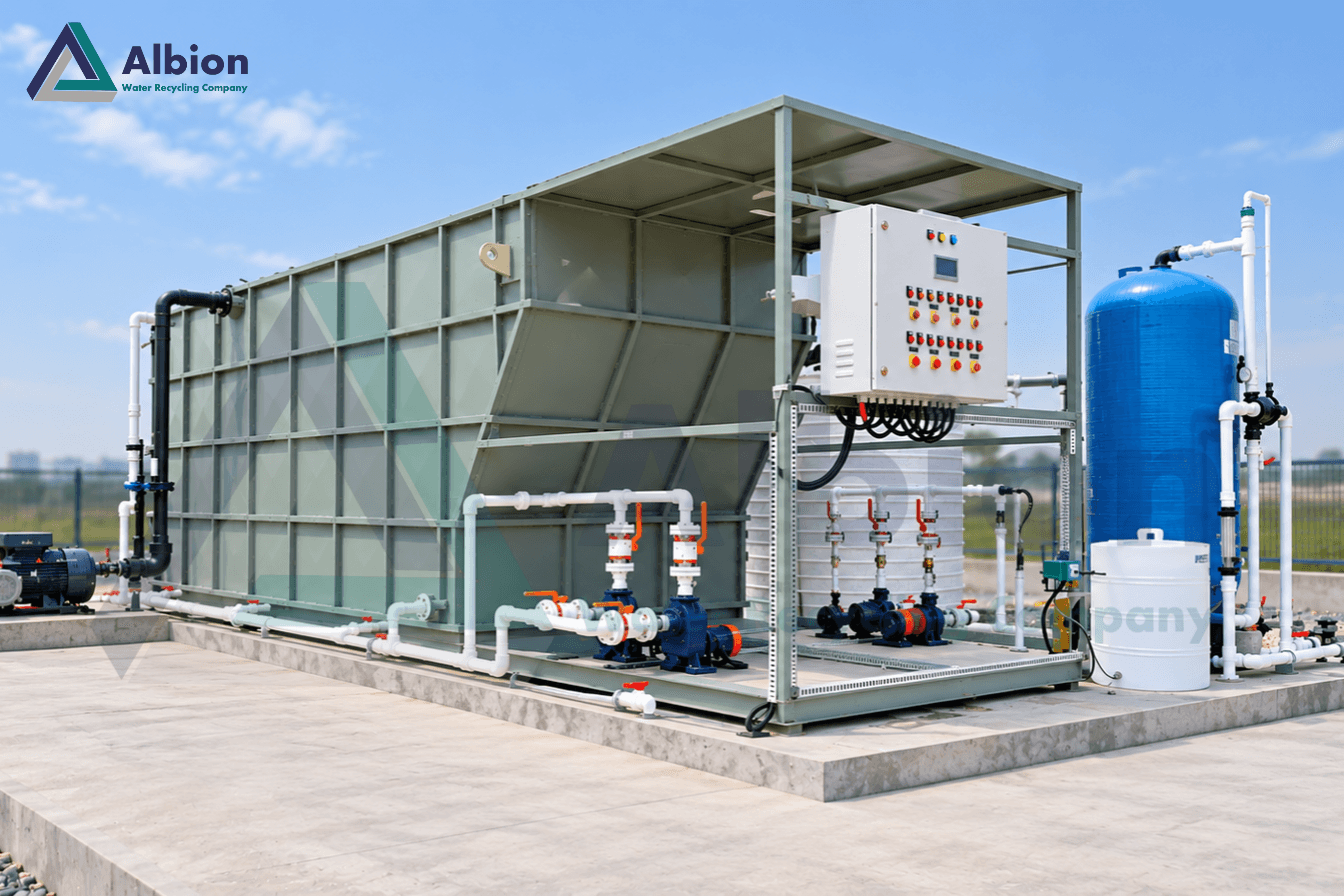
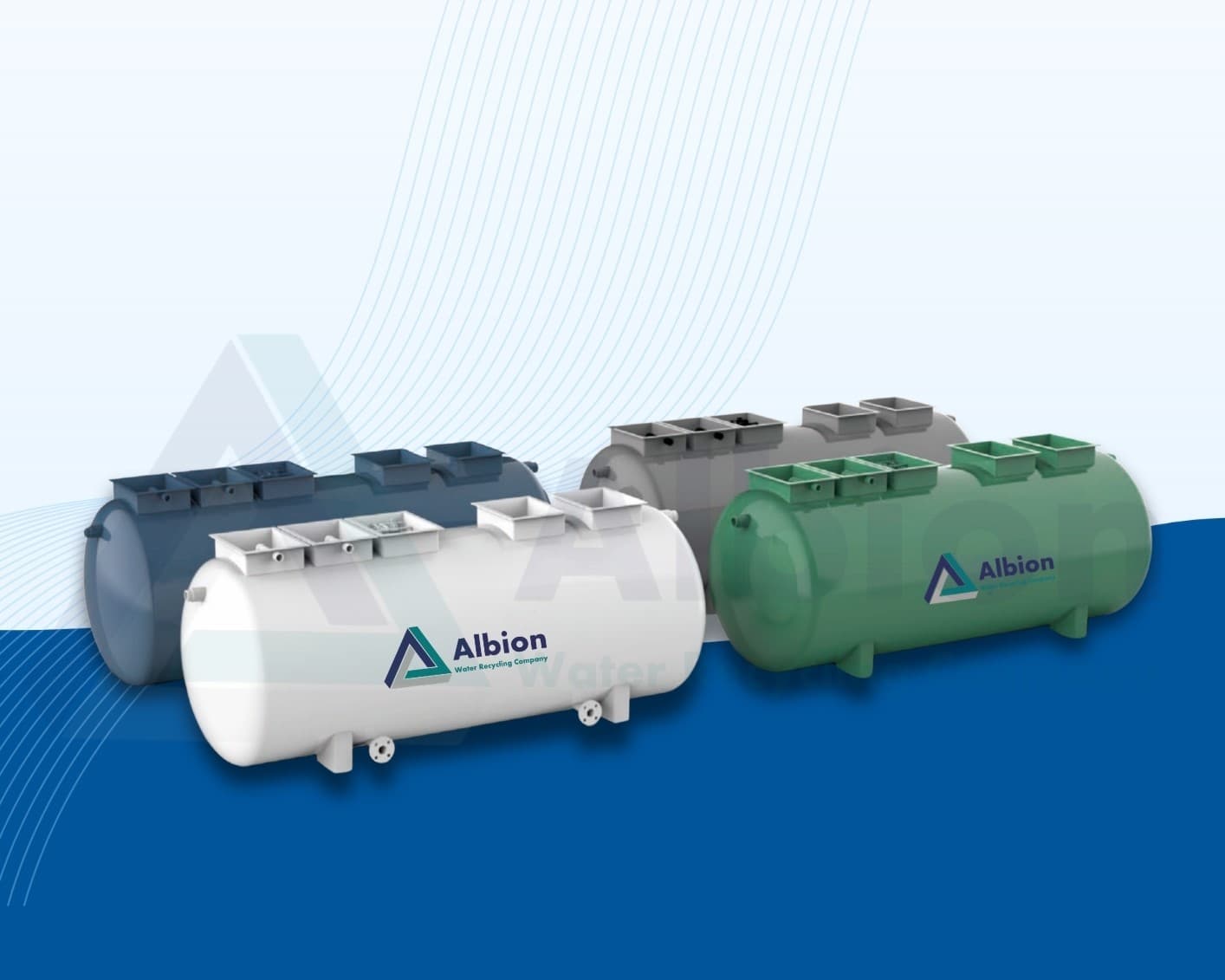
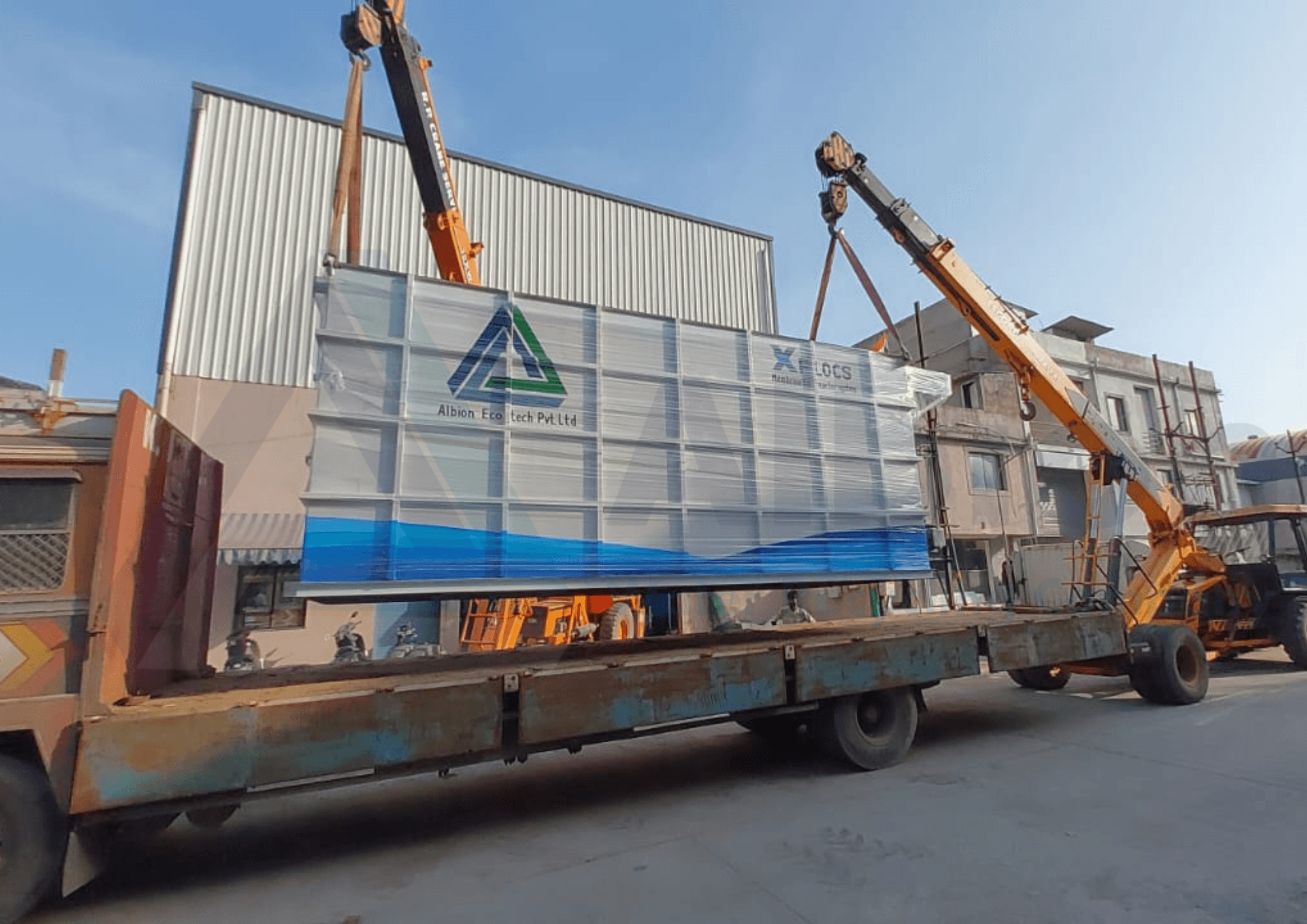
Albion Ecotech designs and executes STPs and ETPs from each site's measured flow and load and its discharge or reuse target. Depending on the project, the biological stage may be SBR, MBBR or AMBBR, or MBR, followed by UF, RO and ZLD where reuse or regulation calls for it. Energy-efficient aeration and pumping, sludge management, PLC-based automation and post-commissioning support are part of the scope, and plants can be supplied in packaged or civil formats.
Frequently Asked Questions
What is the main purpose of a wastewater treatment plant?
To remove pollutants such as solids, organic matter, nutrients and pathogens from used water, so it can be returned to the environment safely or reused.
What happens in biological treatment?
Microorganisms are kept at high concentration in an aerated reactor, where they consume dissolved organic matter and convert it to carbon dioxide, water and new biomass. Some nitrogen and phosphorus is also removed.
When is tertiary treatment needed?
When treated water goes to a sensitive environment or is to be reused, or when standards for nutrients, metals or micropollutants require it. Typical steps are filtration, carbon, ultrafiltration, reverse osmosis and disinfection.
Can a wastewater plant generate energy?
Larger plants can digest sludge anaerobically and use the biogas in cogeneration, and some produce more energy than they use. Smaller plants usually focus on efficient aeration and low-energy processes instead.
Why does wastewater reuse matter?
It turns a waste stream into a dependable source of water for farming, industry, cooling, flushing and landscaping, which lowers demand on rivers and groundwater in water-scarce regions.
What are the options when there is little space for a plant?
Compact processes such as MBR, SBR, MBBR and AMBBR reduce footprint, and packaged plants avoid heavy civil work. The right choice depends on load, quality target and cost.