Water Neutrality Is Gaining Ground: Why Wastewater Treatment Is Central to Meeting Rising Demand
Global water demand keeps rising with population, while prolonged drought, hotter summers, thinner snowpacks and falling reservoir levels shrink what can be drawn from rivers, lakes and aquifers. In many regions, more water is now being used than is being replenished, and if demand continues on this path, projections warn of a serious shortfall within roughly the next four decades. One idea gaining traction as a response is water neutrality: cutting water use as far as possible and offsetting what remains.
What water neutrality means
The concept works much like carbon neutrality. Where carbon neutrality balances emissions against an equal amount removed, water neutrality reduces water use and then creates new supply or savings that offset the remainder, so that the overall water footprint shrinks. The footprint covers both the water consumed and the water polluted, so how an operation treats and discharges its wastewater counts as much as how much it draws. Rainwater harvested from rooftops for washing and watering is a simple example of an offset.
How businesses are approaching it
- Reduce operational water use with the best available technology.
- Encourage suppliers to cut their own consumption, and consider suppliers with a smaller water footprint.
- Design and make products that use less water over their life, or pollute less of it.
- Focus on the residual water footprint, the water that remains after operations have been made as efficient as possible, and offset it.
Several large technology and energy companies have pledged to become water positive by 2030, meaning they intend to replenish more water than they use. One technology company has set a target of replenishing 120 percent of the water used across its offices and data centres, and others are funding restoration in water-stressed watersheds and modernising irrigation.
Savings at home and in the landscape
At household level the measures are familiar: fixing leaks, running dishwashers and washing machines full, and fitting water-saving showerheads, which can cut water per shower by about 30 percent, and tap aerators, which can reduce use by roughly 60 percent without losing pressure. Outdoors, weather-based irrigation controllers and soil moisture sensors buried in the root zone can reduce irrigation water by up to 62 percent or more compared with traditional methods, and cut runoff.
Why this points to wastewater treatment
Efficiency measures take a facility only part of the way. Once leaks are fixed and fixtures upgraded, the remaining demand for cooling, process, cleaning, flushing and landscaping still has to come from somewhere. Rainwater helps in the wet season, but it is intermittent. The one water source that is produced every day, in proportion to how much water is used, is the wastewater a building, town or factory already generates.
That is why wastewater treatment plants are central to any credible water neutrality plan, and why they are needed for a safe and sustainable water future:
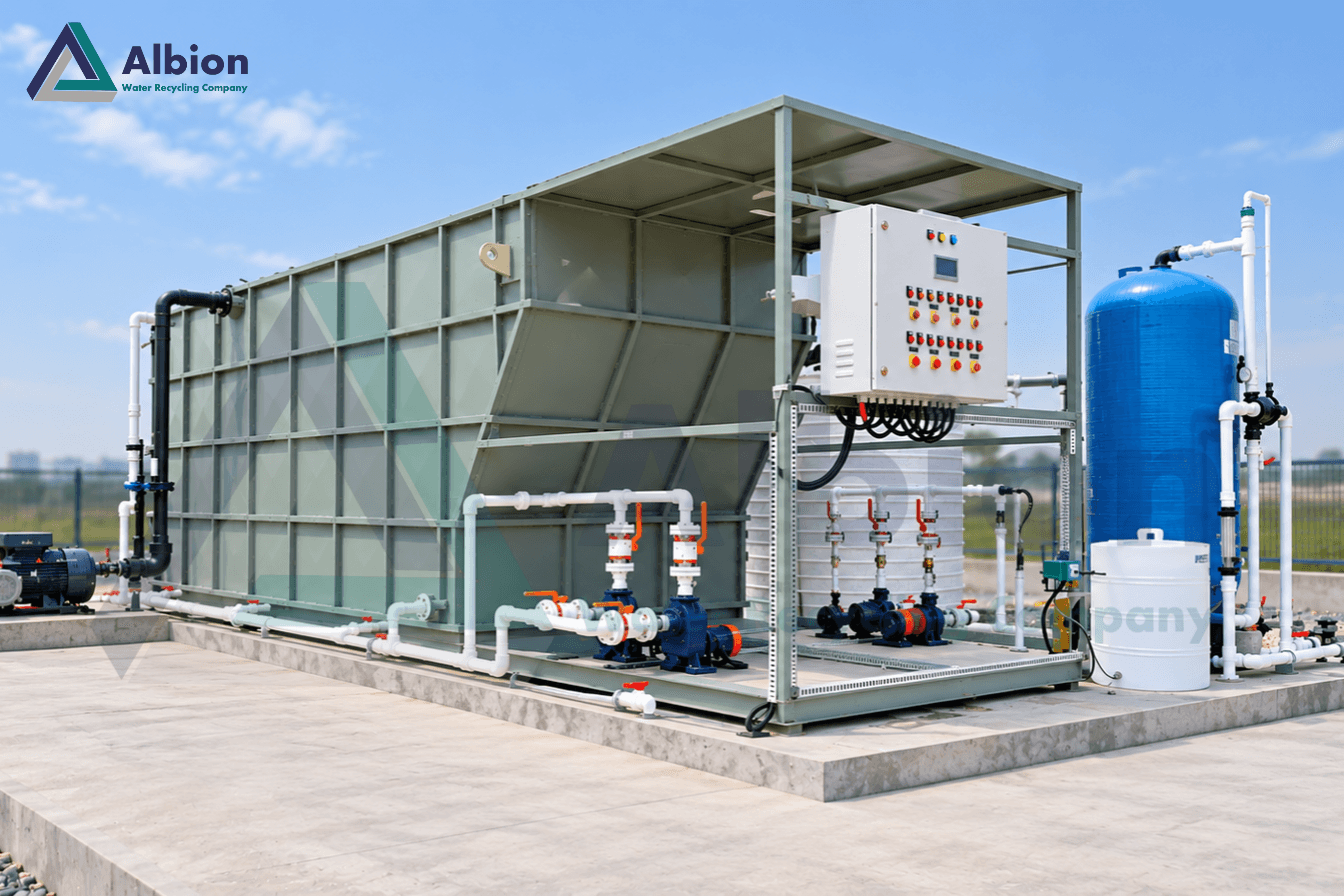
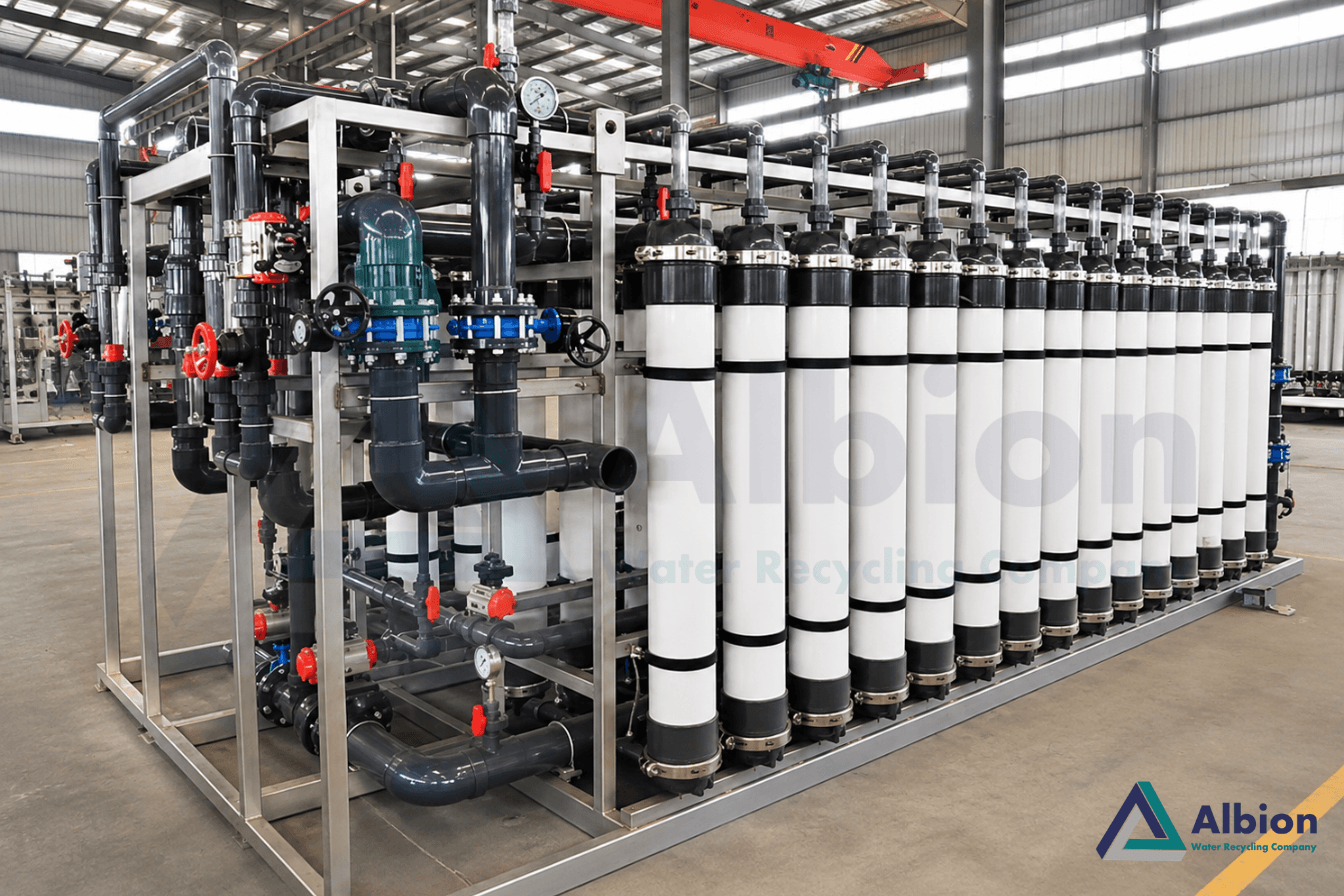
- They create the offset. Treated sewage or effluent can be reused for flushing, landscaping, cooling, washing and many industrial uses, which directly reduces the volume drawn from rivers, reservoirs and groundwater. With UF and RO it can reach higher grades, and with ZLD a site can recover most of its water.
- They stop pollution from adding to the footprint. Water that is polluted counts against the footprint. Untreated discharge degrades the very rivers and aquifers that supply the next user, so treatment protects both public health and the source water everyone depends on.
- They work in drought. Rainwater harvesting depends on rainfall, but wastewater arrives whenever the building or plant is in use. In places where reservoirs and snowpacks are falling, that dependable stream matters most.
- They make the footprint measurable. A neutrality target needs numbers. Flow meters, PLC-based automation and online monitoring record how much water is treated, how much is reused and what quality leaves the site, which gives a company or municipality evidence for its claims.
- They help manage the residual footprint. After efficiency gains, recycling treated water is among the most direct ways to offset the water that remains, alongside investment in wider water stewardship.
What it takes to do this well
- Start with a water balance: where water enters, where it is used, and what quality each use needs.
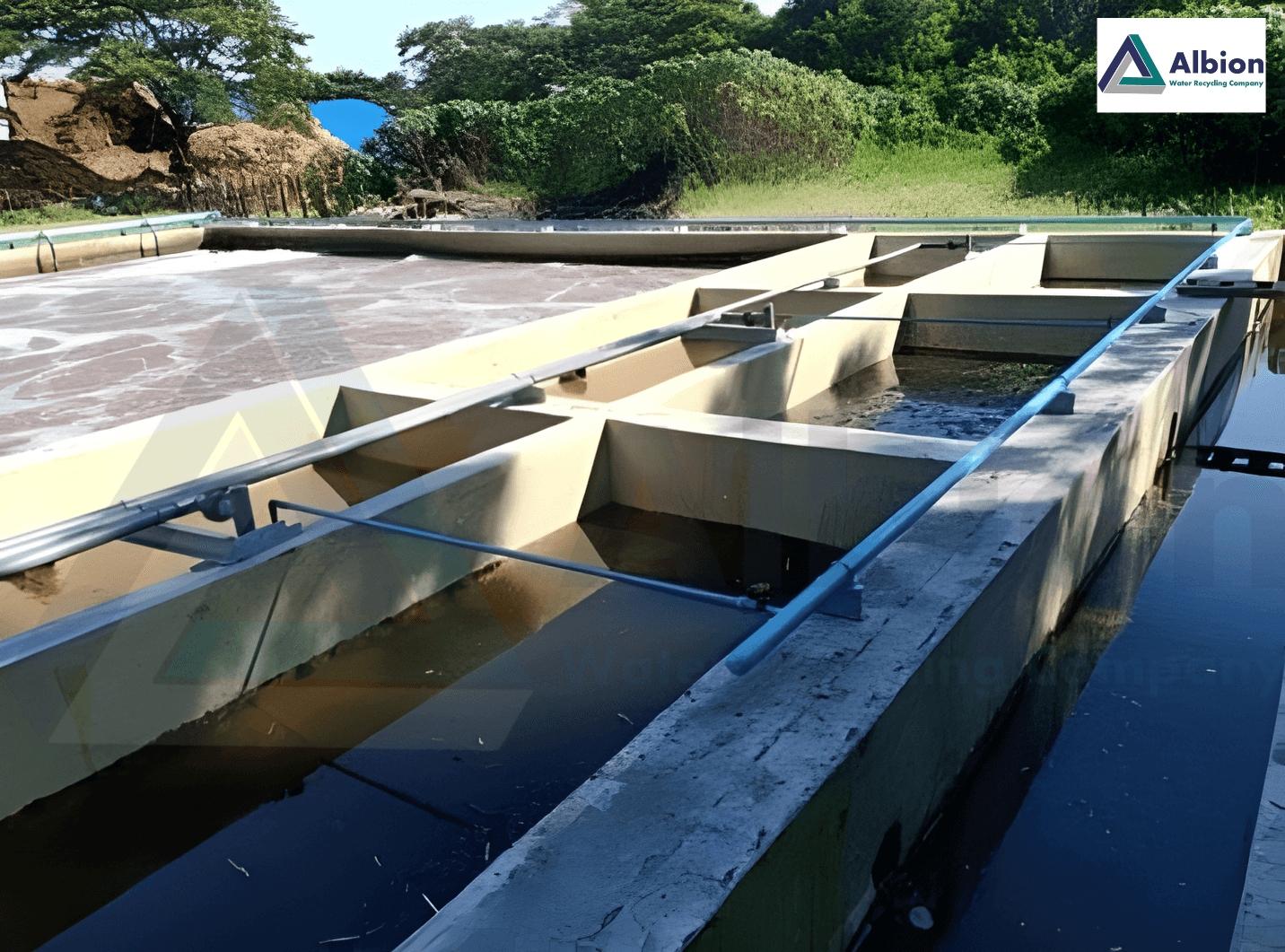
- Choose the process for the site, such as SBR, MBBR or AMBBR for variable loads and tight plots, or MBR where reuse-grade water is needed.
- Match treated water to end use, and add UF, RO or ZLD only where the use or regulation calls for it.
- Plan sludge handling and energy use from the start, since both affect running cost.
- Build reuse into new developments from day one, with separate storage and distribution for treated water, rather than retrofitting later.
- Confirm the applicable discharge and reuse standards for each use.
The takeaway
Water neutrality asks organisations to use less and to replace what they still use. Efficiency is the first half of that equation, and wastewater treatment and reuse is the most dependable way to deliver the second. A population that is growing, a climate that is drying in many places and rising pressure on rivers and aquifers all point the same way: wastewater treatment plants are a basic requirement for a safe and sustainable water future, not an optional add-on.
Albion Ecotech designs and executes STPs and ETPs using SBR, MBBR and AMBBR, and MBR processes, with UF, RO and ZLD options for water reuse and recovery, sludge management, energy-efficient equipment and PLC-based automation, in packaged and civil formats.
Frequently Asked Questions
What is water neutrality?
It is the practice of reducing water use as far as possible and offsetting the remaining footprint, for example through recycling, rainwater harvesting or investment in sustainable water use, so that net impact on water resources is minimised.
How is water neutrality different from water positive?
Neutral means balancing water used against water offset or replenished. Water positive goes further, aiming to replenish more than is used, such as a target of 120 percent.
Why is wastewater treatment important for water neutrality?
Treated wastewater is a steady, local source of reusable water that offsets fresh water demand, and treatment prevents pollution that would add to a site's water footprint. It also provides the data needed to measure progress.
What can treated wastewater be used for?
Common uses are flushing, landscaping, cooling tower make-up, washing and construction, and with UF and RO some industrial process and boiler feed uses. The required quality differs by use and applicable standards should be confirmed.
Is rainwater harvesting enough on its own?
Usually not, because it depends on rainfall and storage. Treated wastewater is available year-round, so the two work best together, with rainwater adding supply in the wet season and treated wastewater covering the rest.