Chennai River and Lake Pollution Cases Put Sewage Control Under Scrutiny
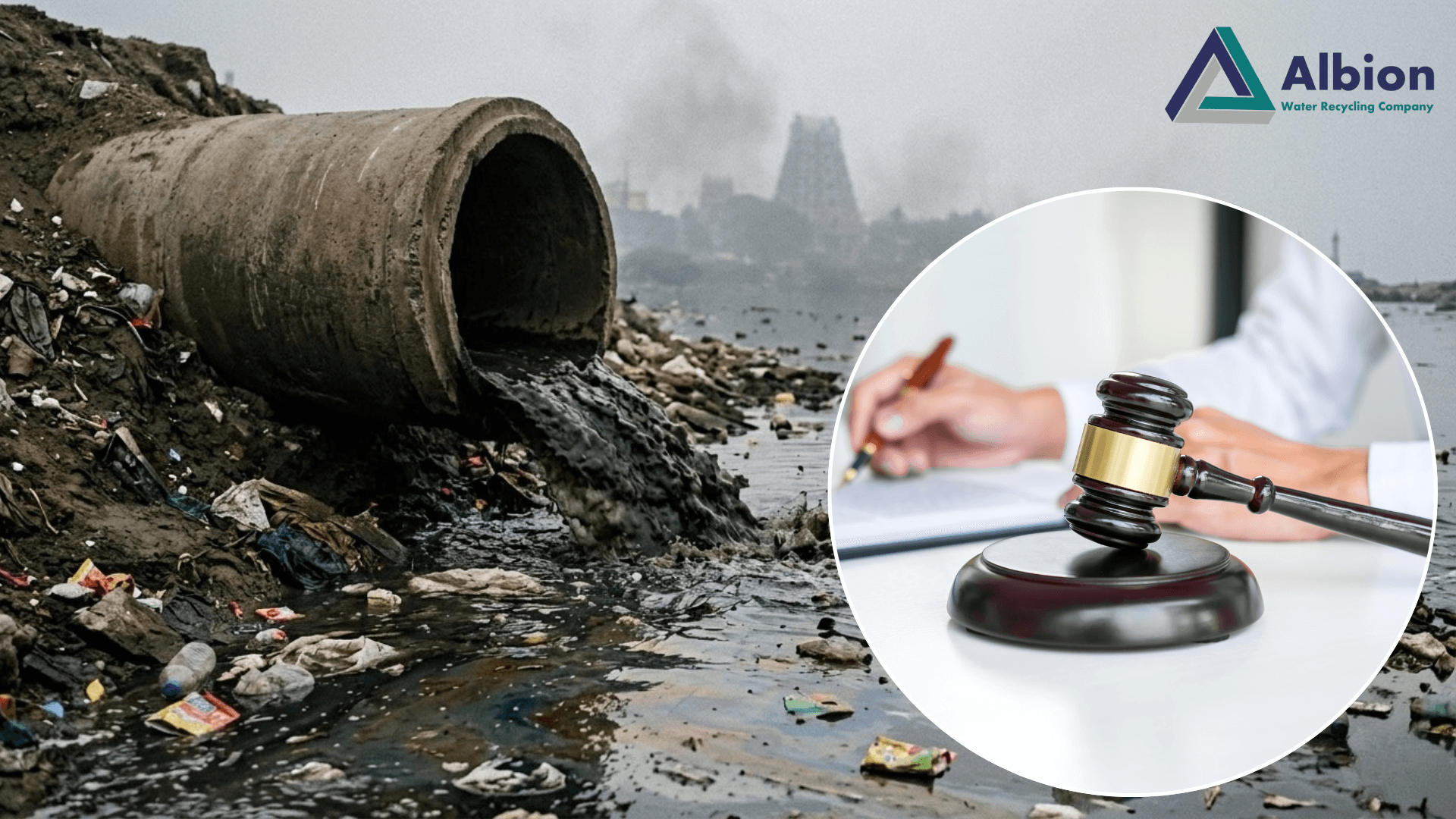
Two pollution cases around Chennai reached status-report stage in September 2026, and both point to the same gap: untreated sewage and wastewater still finding their way into rivers and reservoirs. One concerns a fish die-off in the Kosasthalaiyar river near Ennore. The other covers sewage mixing into canals that drain to Chembarambakkam lake, one of the reservoirs serving the city.
Dead fish cleared from the Kosasthalaiyar river
After reports of dead fish floating in the river near Ennore, Greater Chennai Corporation officials inspected the site and began removal to prevent a health hazard. About 950 kg of dead fish were taken out and disposed of on August 16, 2026, followed by another 1.45 tonnes on August 17. The Tamil Nadu Pollution Control Board and the state Fisheries Department collected samples for laboratory testing, and the corporation sprinkled disinfectant over the affected stretch.
These details come from a status report the corporation filed before the National Green Tribunal on September 16, 2026. The report describes the response and the sampling, but it does not name a cause, so the lab results will matter. The Kosasthalaiyar is one of the three main rivers of the Chennai Metropolitan Area, alongside the Cooum and the Adyar, and it reaches the Bay of Bengal through Ennore Creek.
Sewage in the canals feeding Chembarambakkam lake
In a status report dated September 16, 2026, the Kancheepuram District Collector said the Water Resources Department and the Chennai Metropolitan Water Supply and Sewerage Board have been asked to plug unauthorised stormwater drains and wastewater canals that lead to the lake, so that wastewater stops entering it.
The report draws on a Tamil Nadu Pollution Control Board submission dated August 7, 2026. The Board sampled 16 locations identified during inspections on May 22 and May 27, 2026. The results:
- Biological oxygen demand (BOD) exceeded prescribed limits in four samples.
- Dissolved oxygen was depleted in nine samples.
- Total coliform was present in 12 samples.
- Nitrate, nitrogen, iron and phosphate each exceeded limits in one sample.
The Board read the BOD, dissolved oxygen and coliform results together as evidence of sewage mixing in the canals and channels running toward the lake.
A longer-term plan is also under way
Because the sources are numerous and spread out, authorities have moved beyond drain closure. The Executive Engineer of the Kosasthalaiyar Basin Division has approached Tamil Nadu Water Investment Company Ltd for a comprehensive outfall and solid waste management study covering Chembarambakkam and Puzhal (Red Hills) lakes. The proposed scope includes:
- Mapping of outfalls and a survey of solid waste deposition areas.
- Water-quality analysis at the major outfalls.
- Identification of pollution sources and of suitable locations for sewage treatment plants.
The study is meant to form the technical basis for a pollution abatement plan and a detailed project report. The proposal also includes surveying every point where sewage enters the reservoir, measuring the quantity, and setting up sewage treatment plants wherever required, to be taken forward through the company once its proposal is approved.
What this means for sewage treatment planning
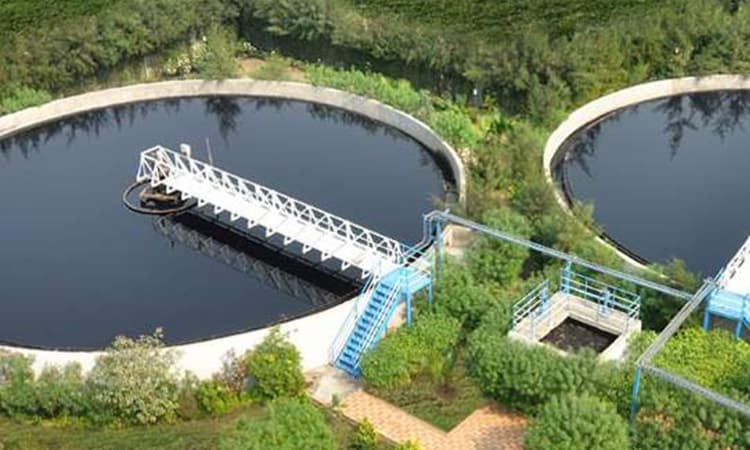
The sampling pattern is a useful reminder of what sewage ingress looks like in water quality data. High BOD, low dissolved oxygen and widespread coliform together indicate a biodegradable organic load and faecal contamination, which is the load a biological STP is designed to handle. When the entry points are many and small, as with unauthorised drains and canals, the design question becomes where to intercept flow and how much capacity each location needs, rather than how to build one large plant.
Several engineering points follow from that:
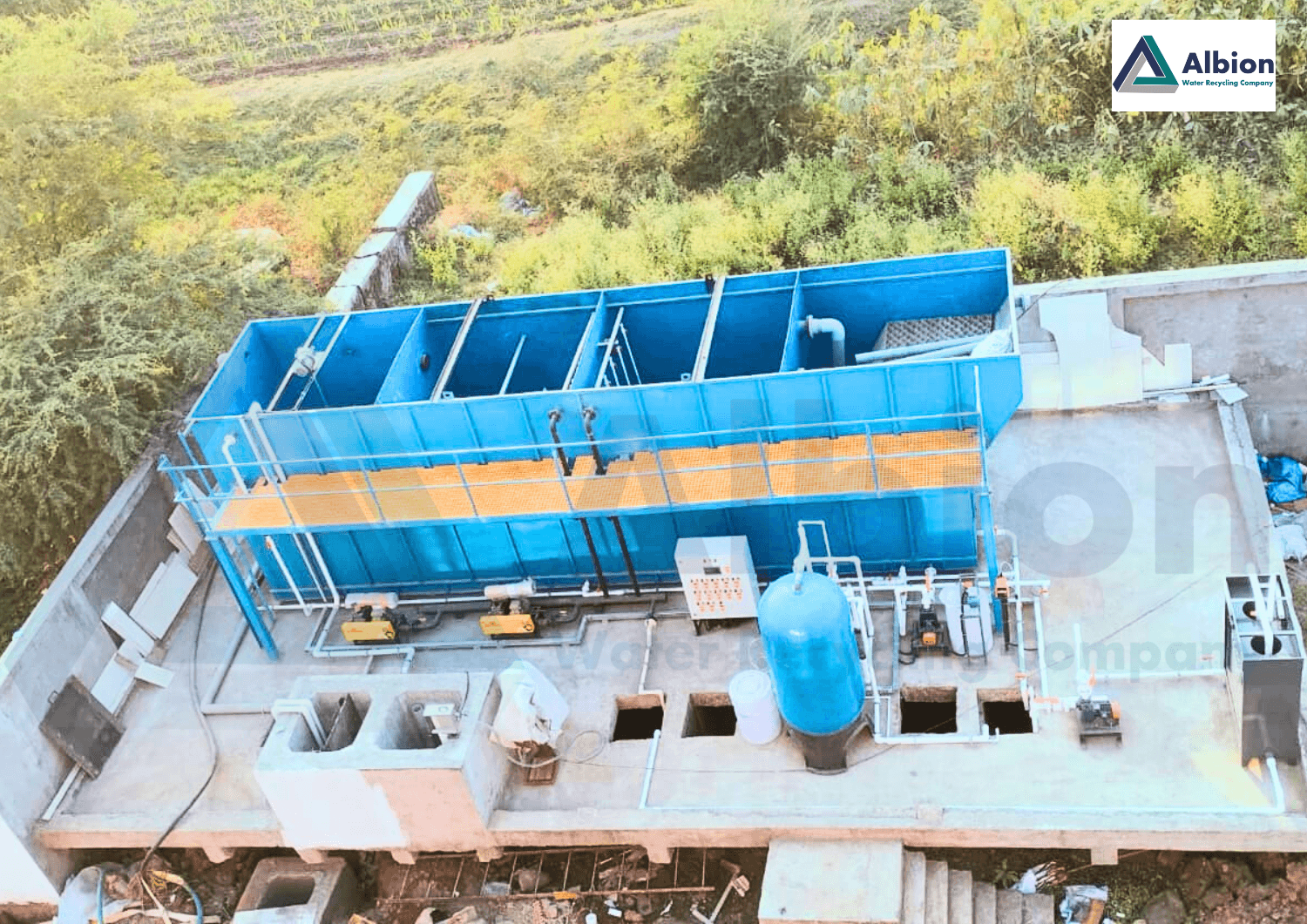
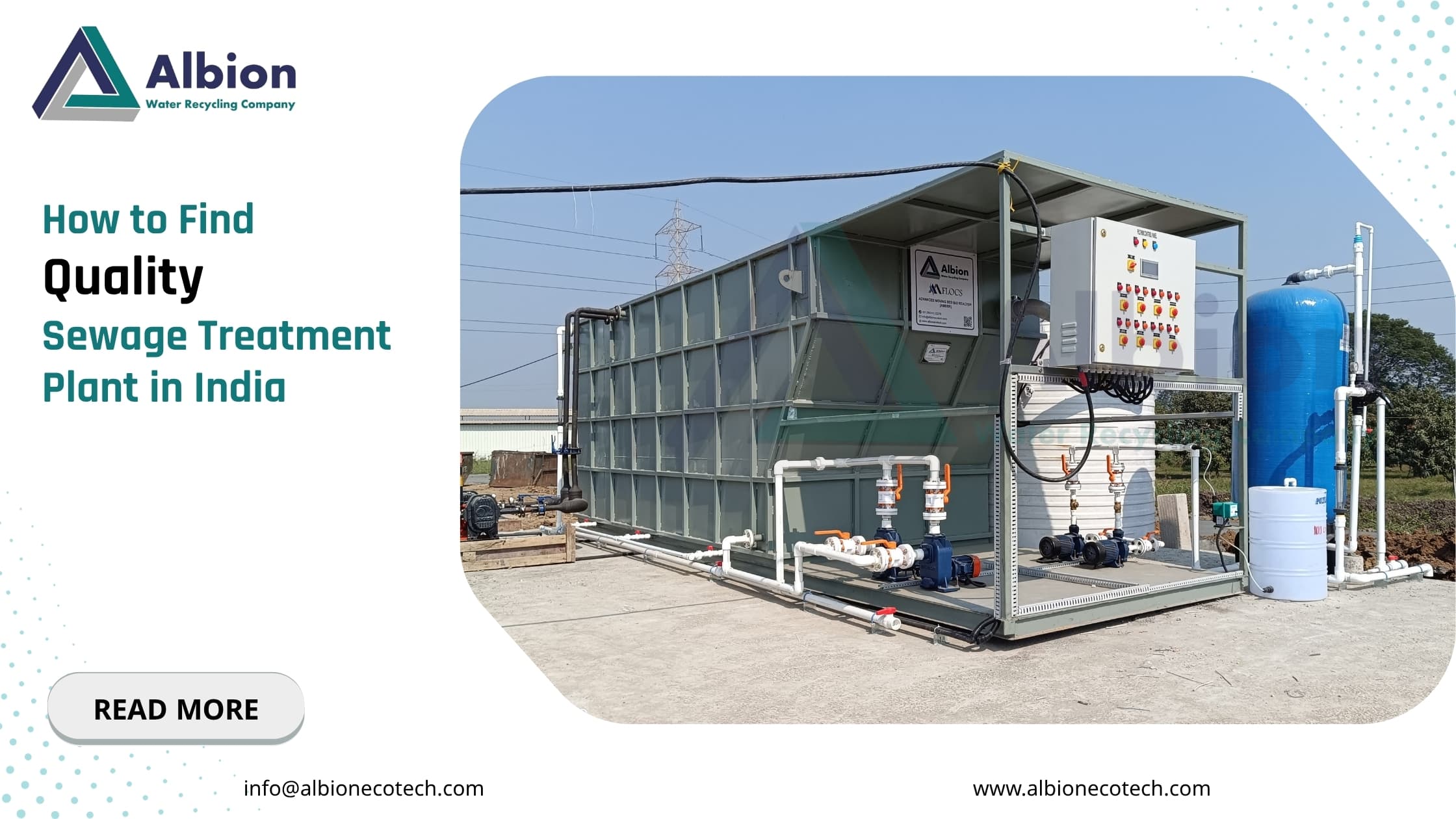
- Intercept and treat near the source. Decentralised STPs at or near major outfalls can be quicker to commission than a single trunk-sewer solution, and packaged units suit sites where heavy civil work is difficult.
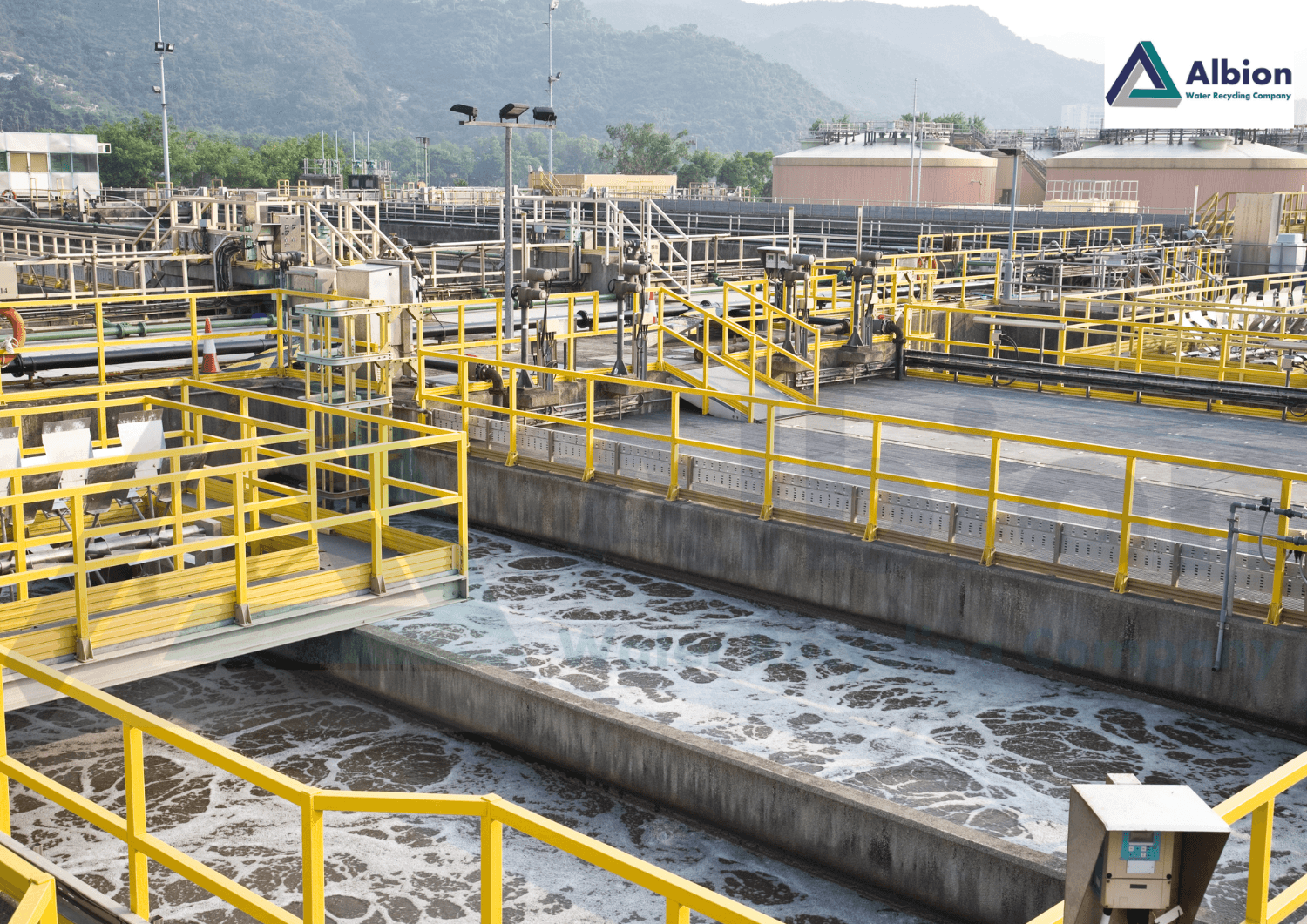
- Expect variable flow and load. Canal and stormwater flows swing with rainfall and with whatever is connected upstream. Processes that tolerate load variation, such as SBR, MBBR and AMBBR, or MBR where reuse-grade output is wanted, are worth comparing for these sites.
- Measure before sizing. The proposed outfall survey and quantity measurement is the right first step, since undersized or oversized plants both create compliance and OPEX problems.
- Plan for the whole chain. Treatment only helps if it is paired with sludge handling, reliable operation and monitoring, and, where possible, reuse of treated water so that less of it returns to the lake catchment.
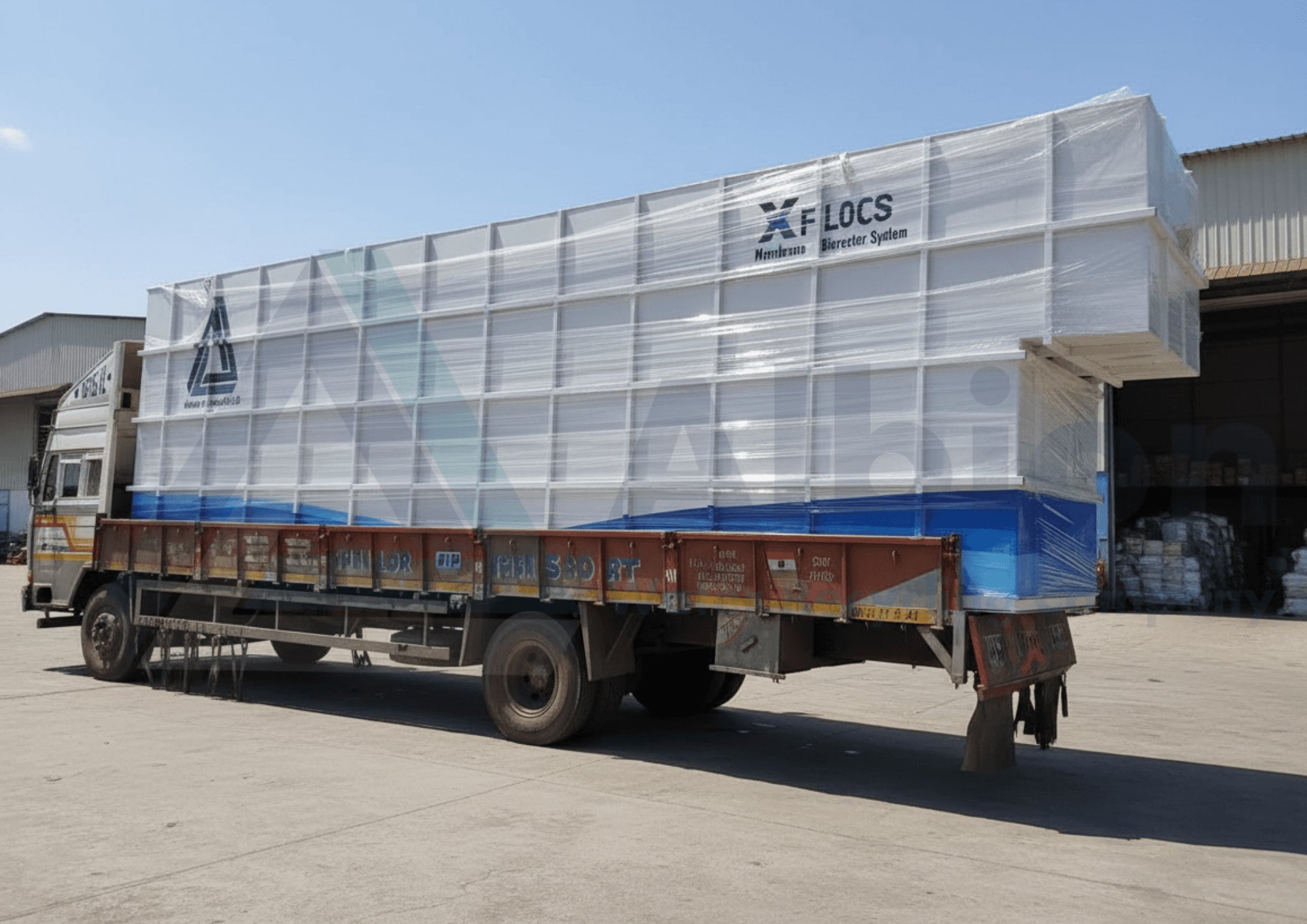
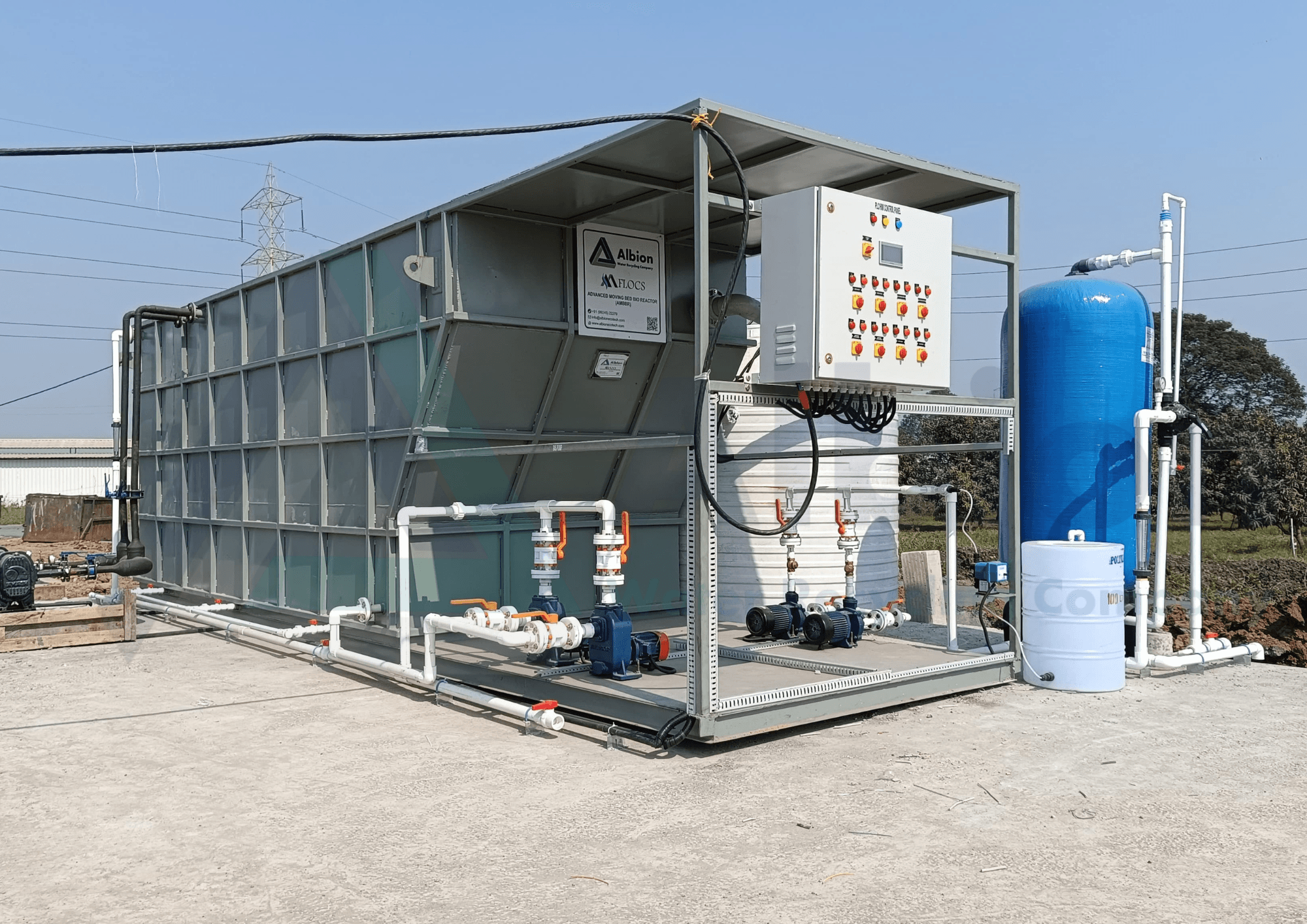
Albion Ecotech designs and executes STPs and ETPs across SBR, MBBR/AMBBR and MBR technologies, in packaged and civil formats, with UF and RO polishing where water reuse is a goal. Which process fits depends on the flow, load, footprint and discharge or reuse standard at each site.
Frequently Asked Questions
What do high BOD and low dissolved oxygen in a lake or canal indicate?
High BOD means a large load of biodegradable organic matter. Microorganisms consume oxygen as they break it down, so dissolved oxygen falls. Together with coliform, this pattern is commonly associated with sewage entering the water body.
Why are decentralised STPs considered for sewage entering through many small drains?
When the entry points are numerous, collecting all flow to one distant plant can be slow and costly. Smaller plants placed near the major outfalls can treat sewage before it reaches the water body, provided flows are measured and the plants are sized to the actual load.
Which treatment technologies suit variable canal or drain flows?
SBR, MBBR and AMBBR are generally tolerant of load variation, and MBR is an option where reuse-grade effluent or a compact footprint is needed. The right choice depends on flow range, land availability, discharge norms and operating capability at the site.
Can packaged STPs be used for interim sewage control?
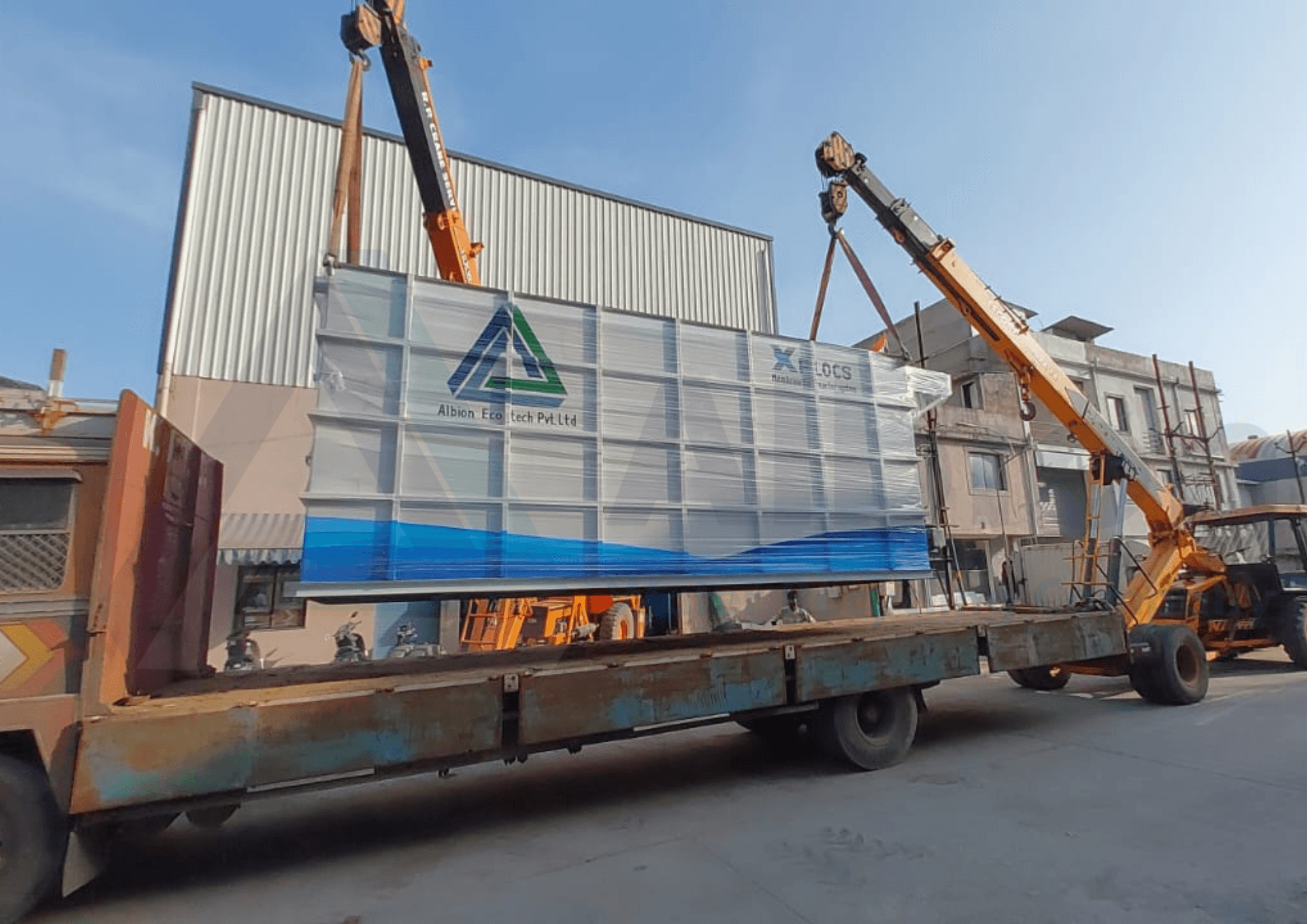
Yes. Packaged plants are factory-fabricated and need limited civil work, so they can be installed faster than civil structures. Whether one is suitable depends on the design flow and the site, and larger permanent plants are usually built in RCC.
Is the cause of the Kosasthalaiyar fish deaths known?
Not from the status report. It records the removal work and the collection of samples for laboratory testing, but it does not state a cause. Any conclusion would depend on the test results.
%20Technology.jpg&w=3840&q=75)