Ludhiana Buddha Darya CETPs Under Scrutiny
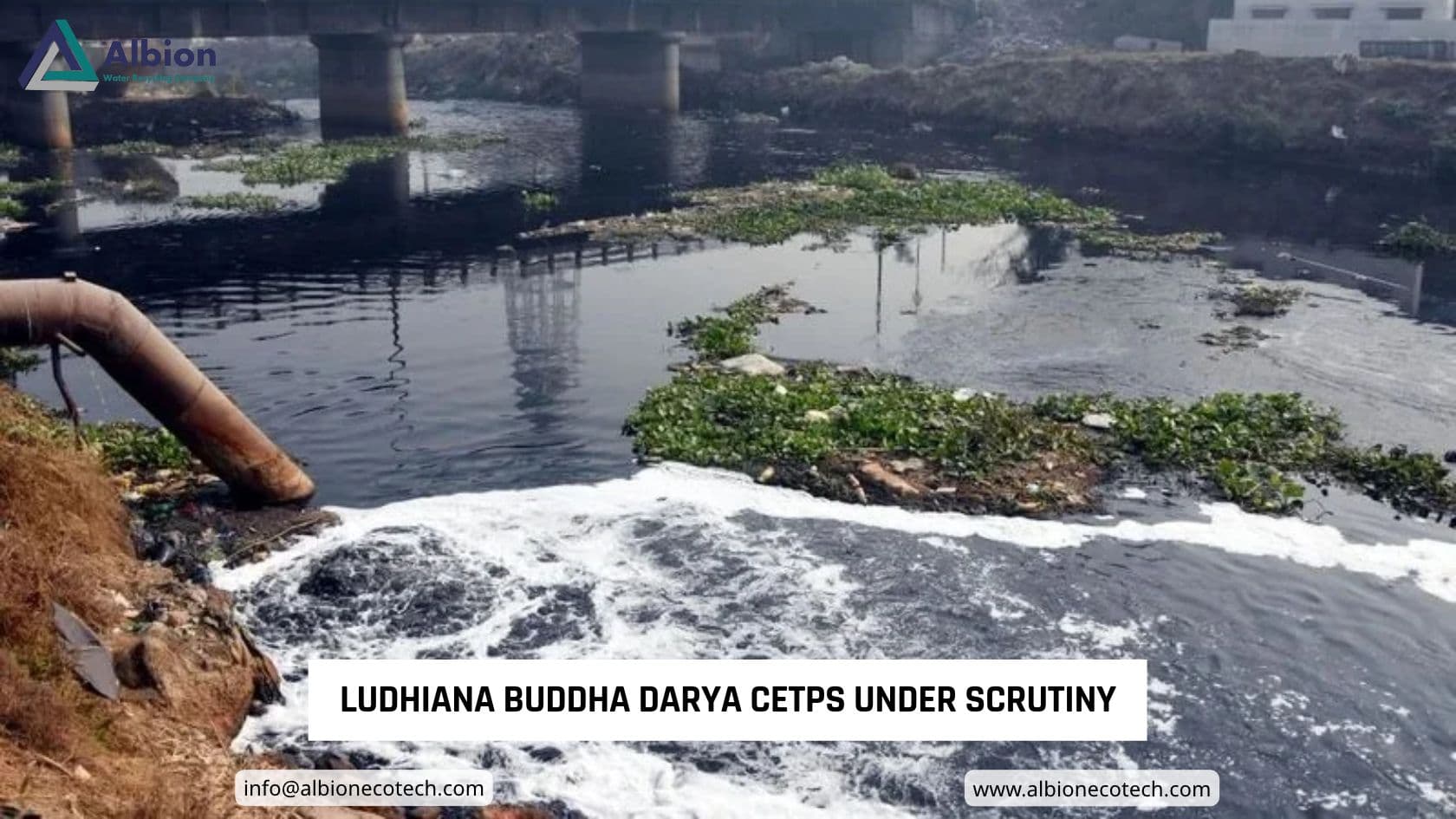
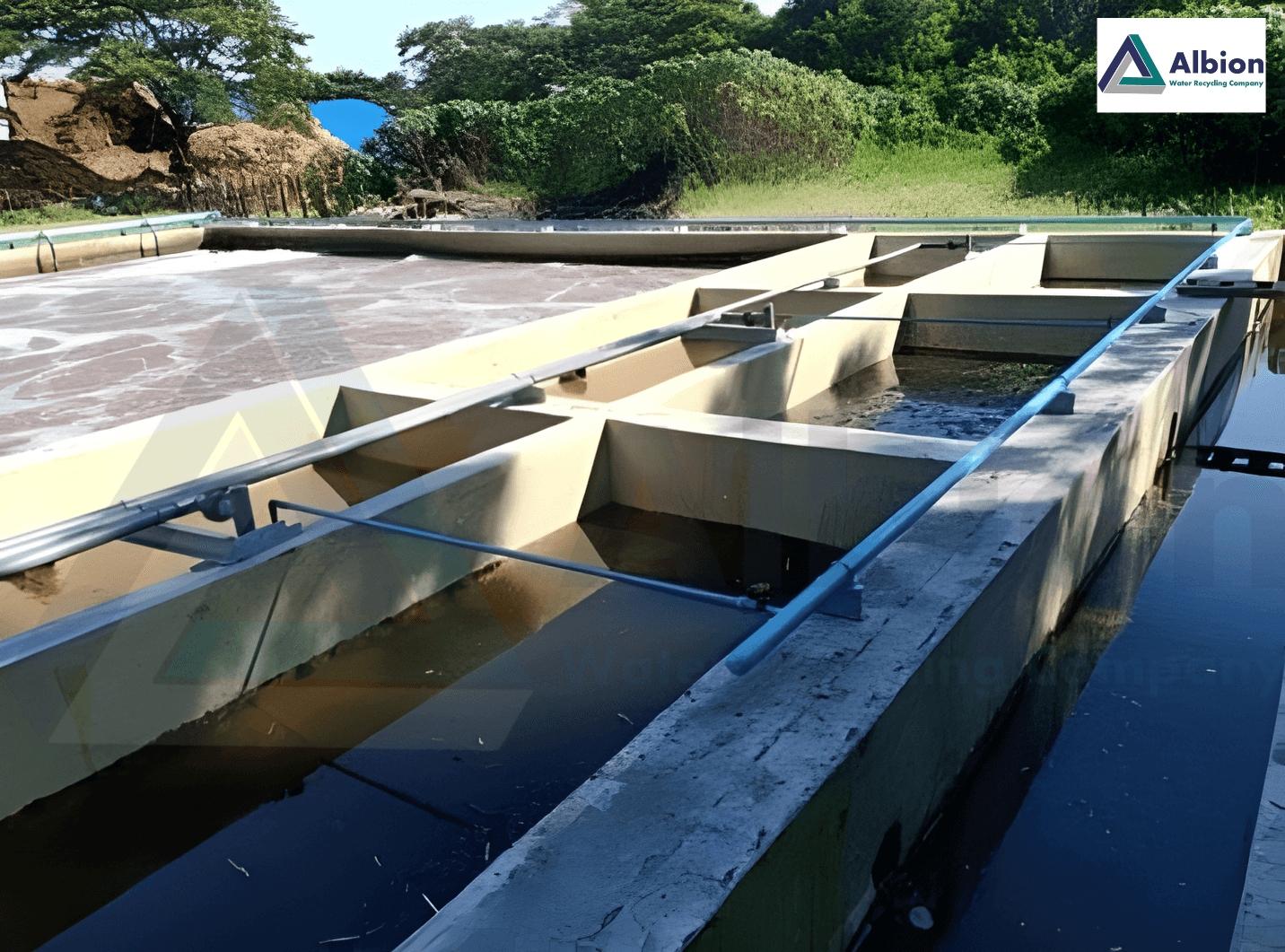
The Buddha Darya, a 47 km seasonal stream and tributary of the Sutlej, runs through Ludhiana, and a citizens' group that walks its banks every Sunday has been counting what flows into it. In November 2022 they identified 370 discharge points. Today 15 remain. That is real progress, but the water quality problem has not gone away: foam has been seen at some authorised discharge points, and several authorised outlets carry heavily contaminated water from facilities that are meant to operate on zero liquid discharge.
Three CETPs, one stream
Ludhiana's dyeing units are served by three common effluent treatment plants (CETPs):
- Focal Point: 40 MLD
- Tajpur Road: 50 MLD
- Bahadurke: 15 MLD
Focal Point and Bahadurke hold environmental clearances. Tajpur Road was operating without a valid clearance, according to a July 2025 Environment Ministry submission to the National Green Tribunal (NGT). The same submission notes that the CETPs are not meeting several clearance conditions, including zero discharge into the Buddha nullah. Between 2022 and 2025, the Punjab Pollution Control Board levied environmental compensation of about Rs 10 crore on the three plants, yet violations continued. Some of the remaining discharge points lie in a stretch the Central Pollution Control Board (CPCB) listed as polluted in 2025.
A change in the rulebook
A draft amendment of 1 October 2025 proposed exempting CETPs from environmental clearance, and it was finalised in January 2026. Approval and monitoring now rest with state pollution control boards, which experts describe as already overstretched. Consent guidelines amended in January 2026 also give the consent to operate indefinite validity unless it is cancelled. With fewer checkpoints at the approval stage, day-to-day performance monitoring at the plant carries more weight.
Ludhiana is not an isolated case
- As of 2023, India had 201 CETPs across 20 states and union territories, with a design capacity of 1,917 MLD and an operational capacity of 1,137 MLD, about 60 percent.
- A 2024 study found that only one of seven CETPs in Ahmedabad consistently met discharge standards.
- In 2025 the CPCB found 296 polluted stretches on 271 of the 623 rivers it assessed.
What a dyeing-cluster plant has to get right
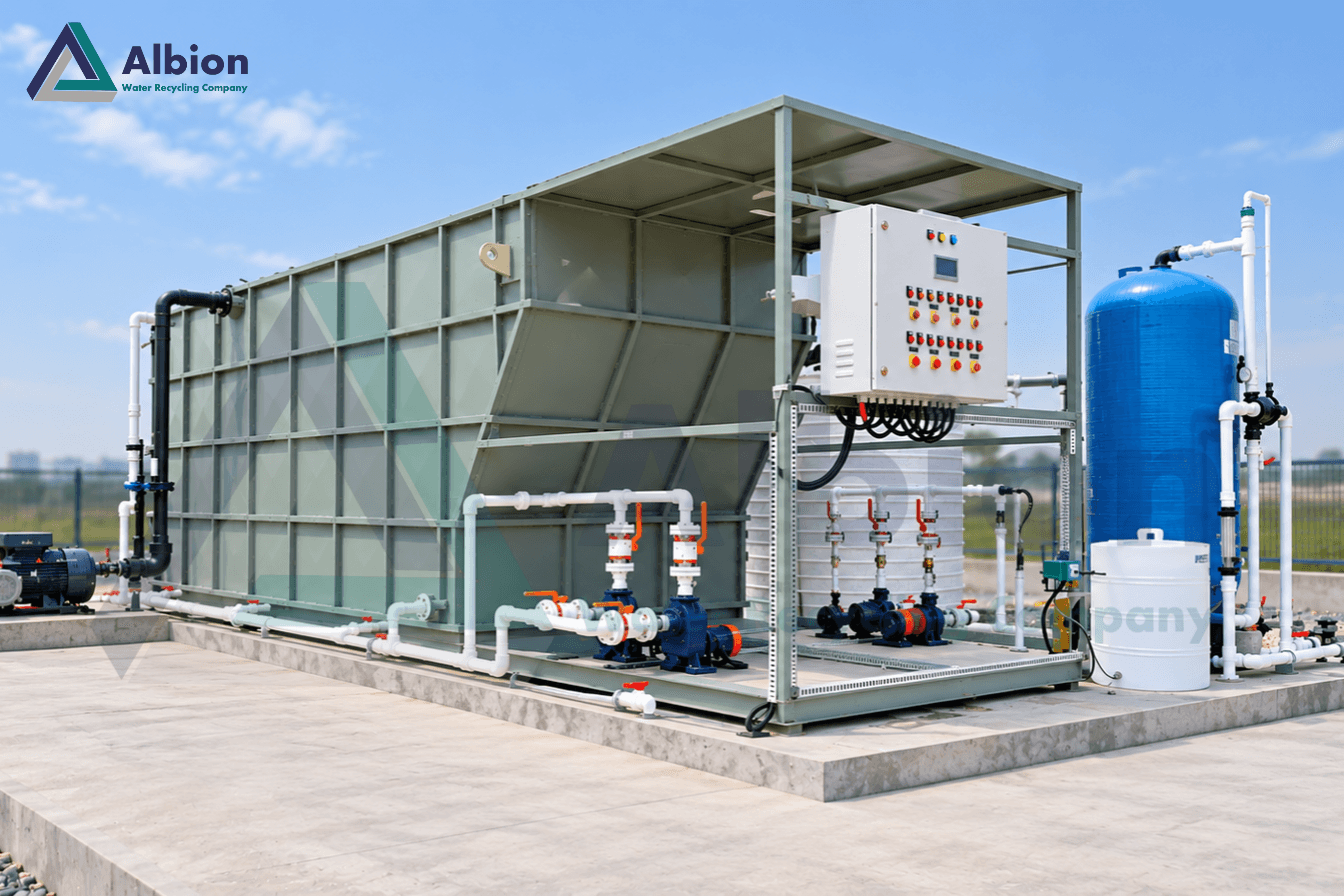
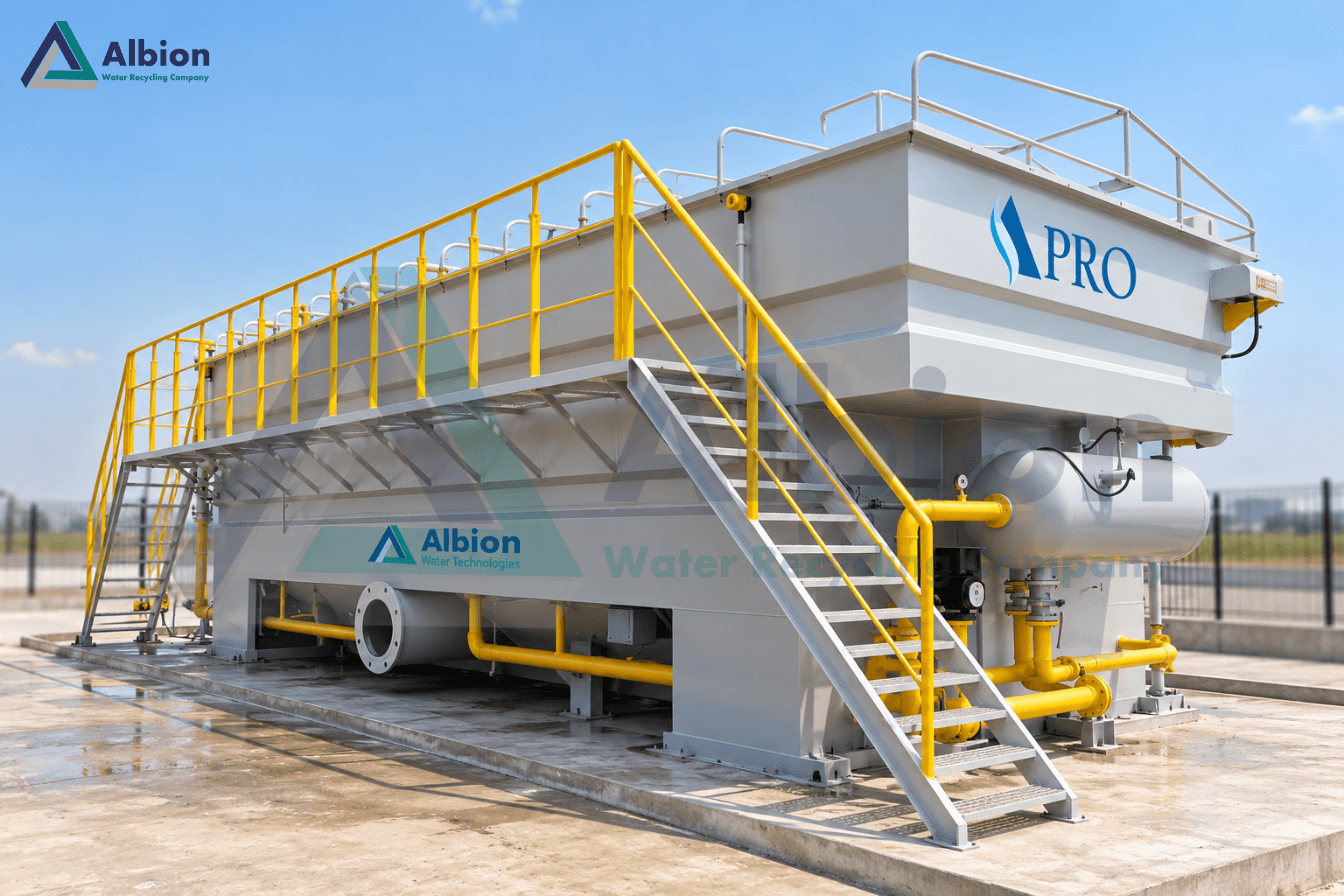
A CETP receives effluent from many units, each with its own dye chemistry, wash cycles and shift pattern. Colour, COD and dissolved salts swing through the day, and a plant sized only for the average load struggles when the load peaks. Compliance usually depends on a few things: equalisation and flow segregation at the head of the plant, a biological stage that tolerates shock loads, colour and COD polishing, and proper handling of reject where RO and evaporation are used for ZLD. Albion Ecotech designs ETPs for textile and dyeing effluent, and the challenges and technology options are covered in our guide to textile wastewater treatment and zero liquid discharge.
Solution: why we need wastewater treatment plants for a safe and sustainable future
The Buddha Darya shows what happens when treatment capacity exists on paper but not in performance. Wastewater treatment plants are essential for a safe and sustainable future, and they must be designed, operated and monitored to deliver the discharge quality they were permitted for:
- Treat at the source. Dyeing effluent should reach the required standard before it leaves the unit or cluster, so that a stream is never used as the last treatment step. See our effluent treatment plants for industrial compliance and reuse.
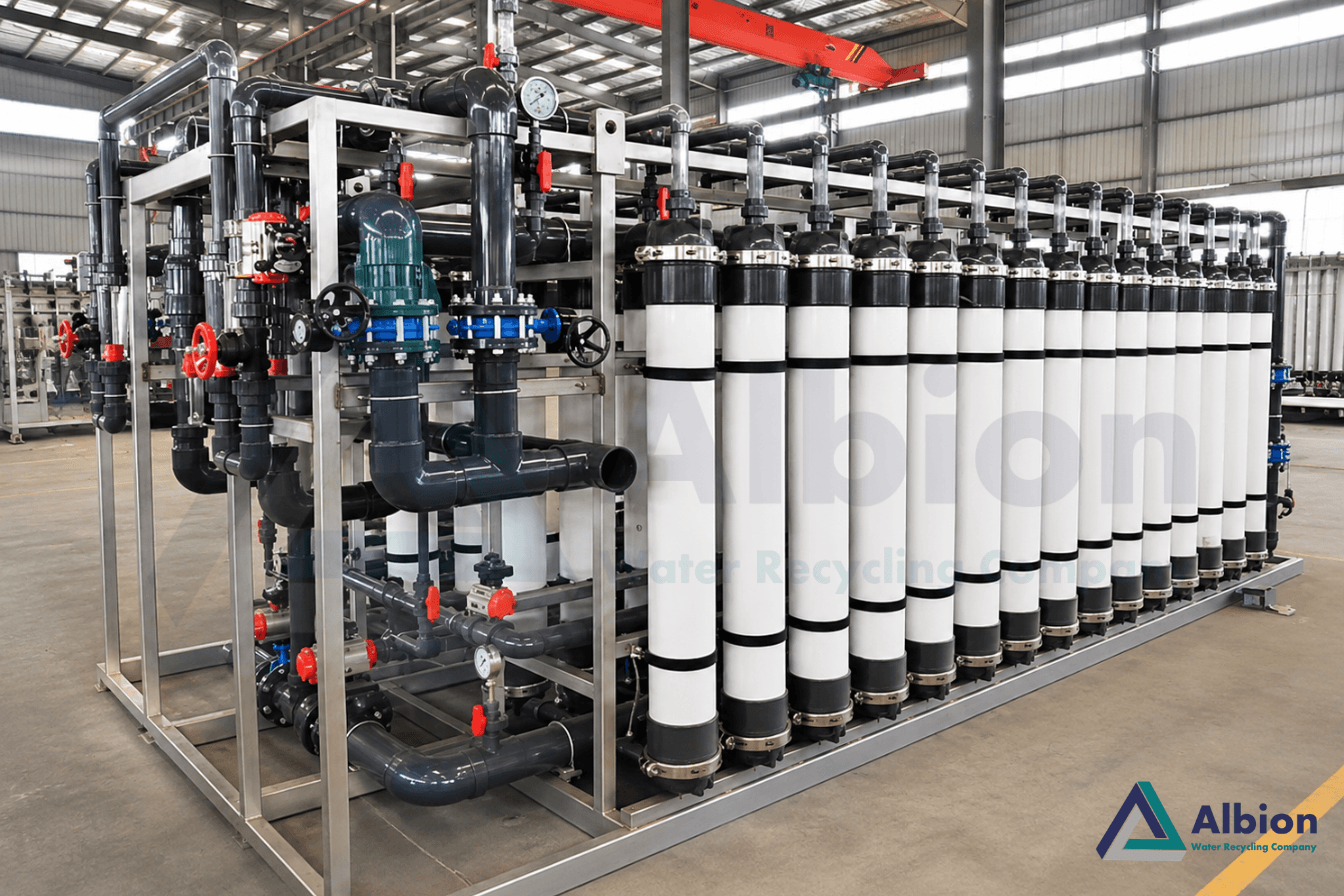
- Build ZLD properly where it is required. UF, RO and reject handling recover water for reuse and keep salts out of the stream. Albion Ecotech supplies zero liquid discharge treatment plants built around this sequence.
- Use biological processes that cope with variable loads. MBR and AMBBR hold more biomass in a smaller footprint and handle load swings better than a conventional process. See X-Flocs MBR and M-Flocs AMBBR.
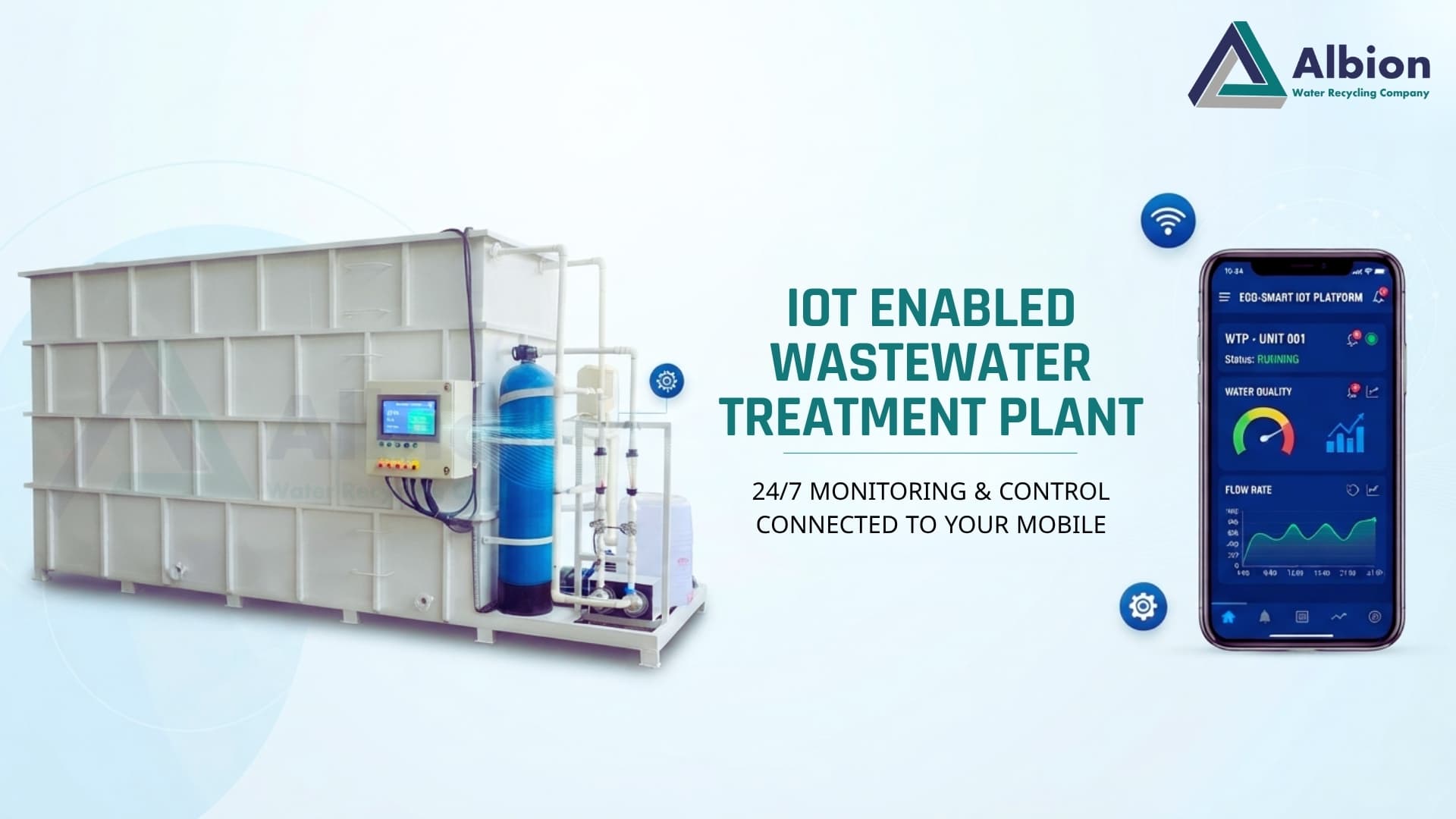
- Monitor continuously. With remote monitoring and control, operators can see plant performance every day instead of discovering a failure after an inspection.
- Upgrade plants that underperform. Retrofitting an existing ETP is often faster than building a new one. The approach is set out in upgrading existing STPs and ETPs.
- Reuse the recovered water. Every litre reused in washing or processing is a litre less drawn from groundwater and a litre less to discharge.
Albion Ecotech works with industries and clusters on these steps, from design and engineering to commissioning and automation. If you run a dyeing or textile unit, we can help assess whether your existing plant meets its conditions.
Frequently Asked Questions
What is the Buddha Darya?
The Buddha Darya is a 47 km seasonal stream in Ludhiana and a tributary of the Sutlej. It receives discharges from industrial and urban areas along its course.
How many CETPs serve the dyeing units in Ludhiana?
Three: Focal Point (40 MLD), Tajpur Road (50 MLD) and Bahadurke (15 MLD), a combined design capacity of 105 MLD.
Why do CETPs struggle to meet discharge conditions?
Reasons differ from plant to plant. Common technical causes are variable inlet loads from many member units, ageing or undersized equipment, weak colour and COD polishing, poor handling of RO reject, and limited monitoring.
What does zero liquid discharge mean for a dyeing unit?
It means no treated or untreated effluent leaves the premises. Water is recovered through treatment, UF, RO and evaporation and reused, while salts and residues are managed as solid waste.