Zero Liquid Discharge (ZLD) Wastewater Treatment: How It Works
%20Wastewater%20Treatment%20%20How%20It%20Works.jpg&w=3840&q=75)
What is zero liquid discharge?
Zero liquid discharge (ZLD) is a wastewater-treatment strategy designed to recover usable water and leave behind solids that can be managed, reused, or disposed of responsibly. Instead of sending a liquid effluent to a sewer, water body, or evaporation pond, a ZLD system concentrates dissolved contaminants until the remaining stream becomes a solid or near-solid residue.
How the ZLD process works
The exact process depends on wastewater chemistry, flow rate, recovery target, and local discharge requirements, but most systems use a staged approach.
1. Characterise and equalise the wastewater
Influent water is first collected in an equalisation tank, where variations in flow, pH, temperature, and contaminant concentration are balanced. Sampling identifies dissolved salts, suspended solids, organics, metals, silica, hardness, oils, and other constituents that determine the treatment train.
2. Remove solids and condition the water
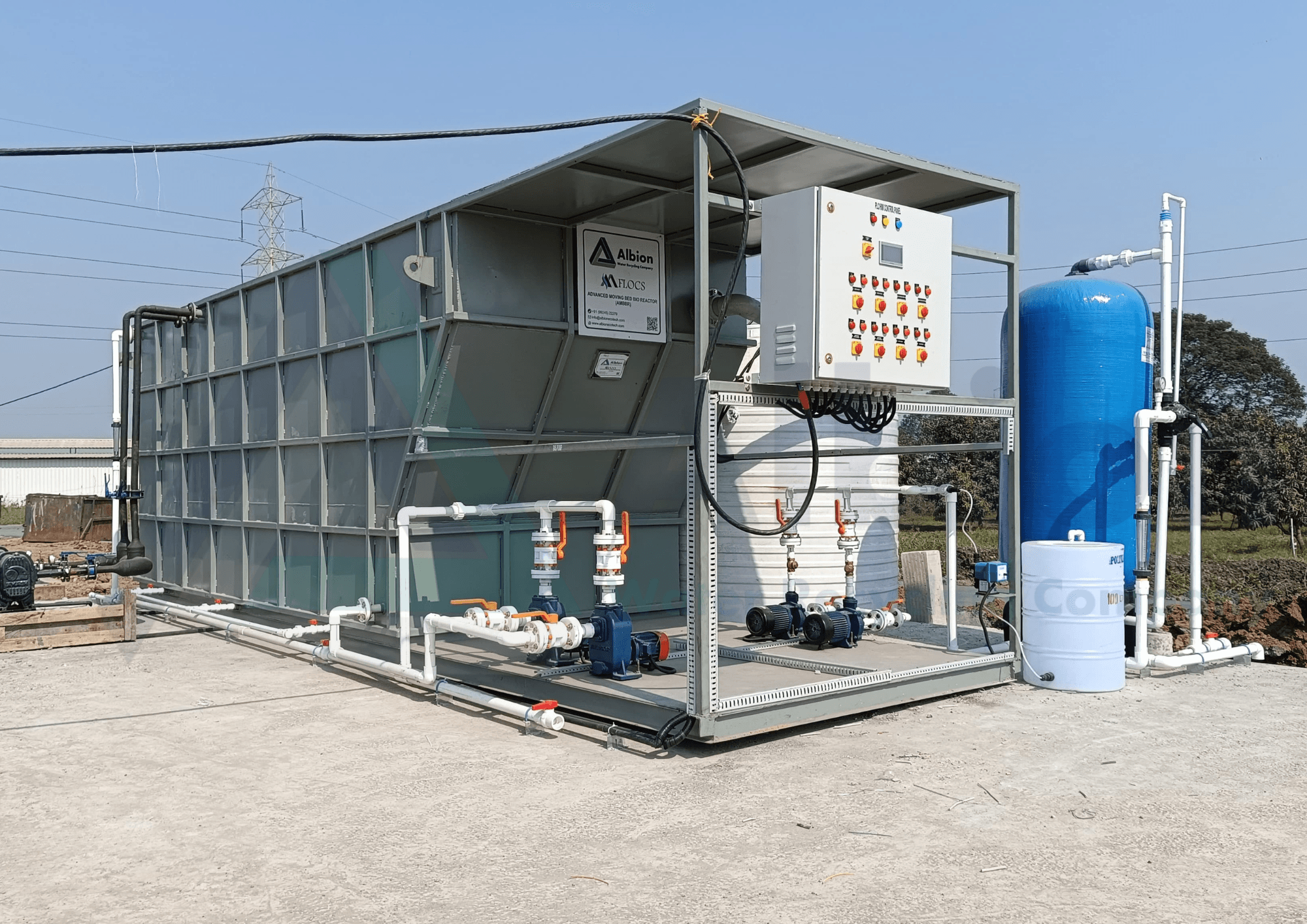
Pretreatment protects downstream equipment. Screening, clarification, dissolved-air flotation, media filtration, and ultrafiltration can remove suspended matter and oil. Chemical adjustment may neutralise pH, precipitate metals, reduce hardness, or control scale-forming compounds. Where required, biological or advanced oxidation processes reduce organic load.
3. Recover water through membranes
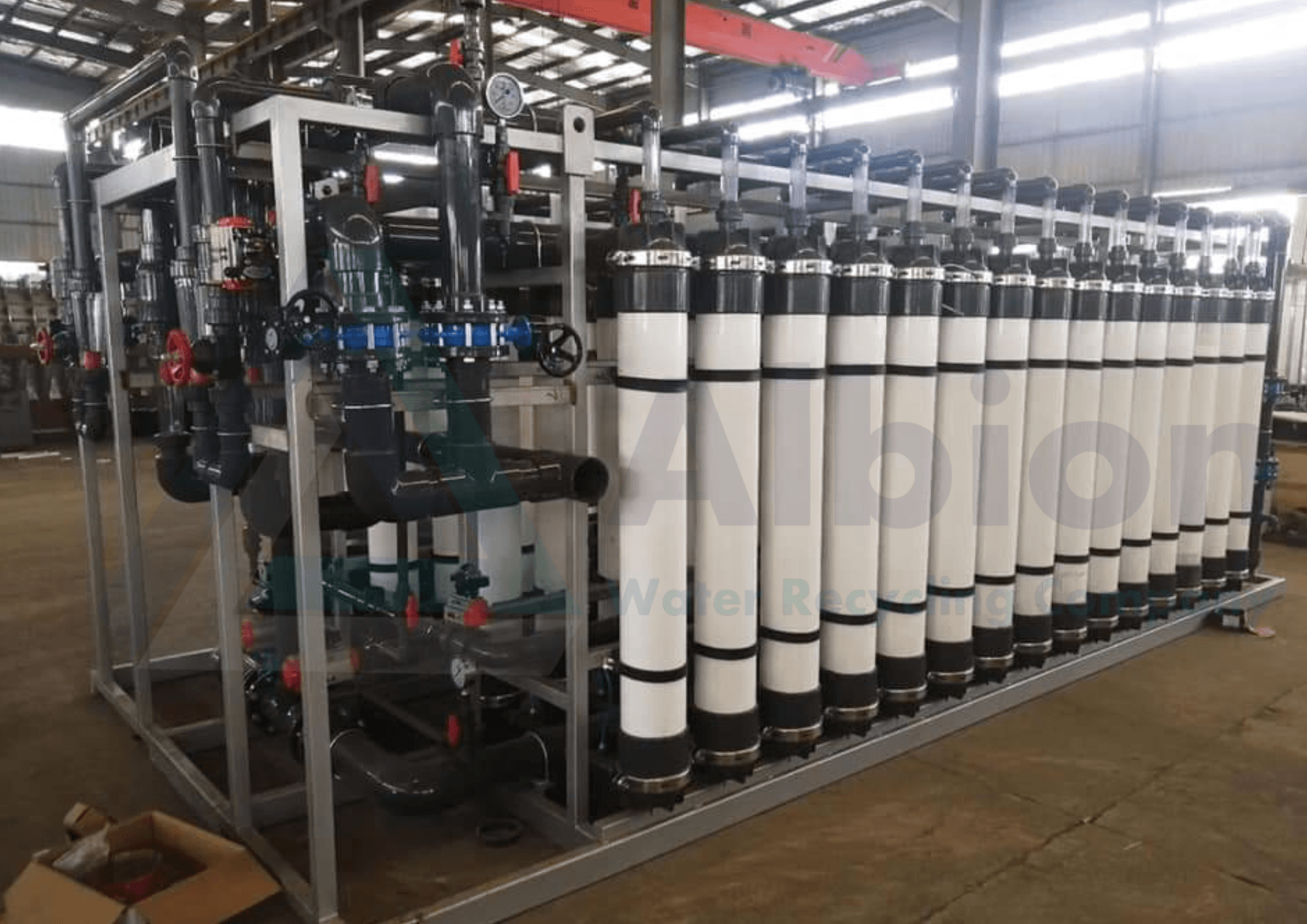
Reverse osmosis (RO), often following ultrafiltration, separates a relatively clean permeate from a concentrated reject stream. The recovered permeate can commonly be reused for cooling towers, boiler feed after polishing, process washwater, or other plant applications. Multi-stage RO increases recovery while maintaining membrane performance.
4. Concentrate the remaining brine
The RO reject still contains water, but at a much higher concentration of dissolved salts. Thermal concentration—typically in a brine concentrator, falling-film evaporator, or mechanical vapour recompression unit—evaporates additional water. The vapour is condensed and returned to the reuse-water stream, while the brine becomes progressively more concentrated.
5. Crystallise and dewater the salts
A crystalliser drives the final water from the concentrate and forms salt crystals or slurry. Centrifuges, filter presses, or other dewatering equipment separate the solids. Depending on the chemistry, these solids may be sent for approved disposal or evaluated for beneficial recovery.
Monitoring and operational control
Reliable ZLD operation depends on continuous measurement and control. Operators track flow, conductivity, pH, pressure, temperature, turbidity, recovery rate, and scaling risk. Automation can adjust chemical dosing, membrane cleaning cycles, evaporation duty, and solids handling to protect equipment and sustain water quality.
Why facilities use ZLD
ZLD can reduce freshwater demand, minimise liquid-discharge risk, support water reuse in water-stressed areas, and help facilities meet stringent permit conditions. It is energy- and capital-intensive, so the best designs focus first on source reduction, segregation of high-strength streams, pretreatment, and maximum membrane recovery before thermal treatment is applied.
In short, ZLD turns wastewater management into a resource-recovery process: clean water is returned to use, contaminants are concentrated and controlled, and liquid waste discharge is eliminated.