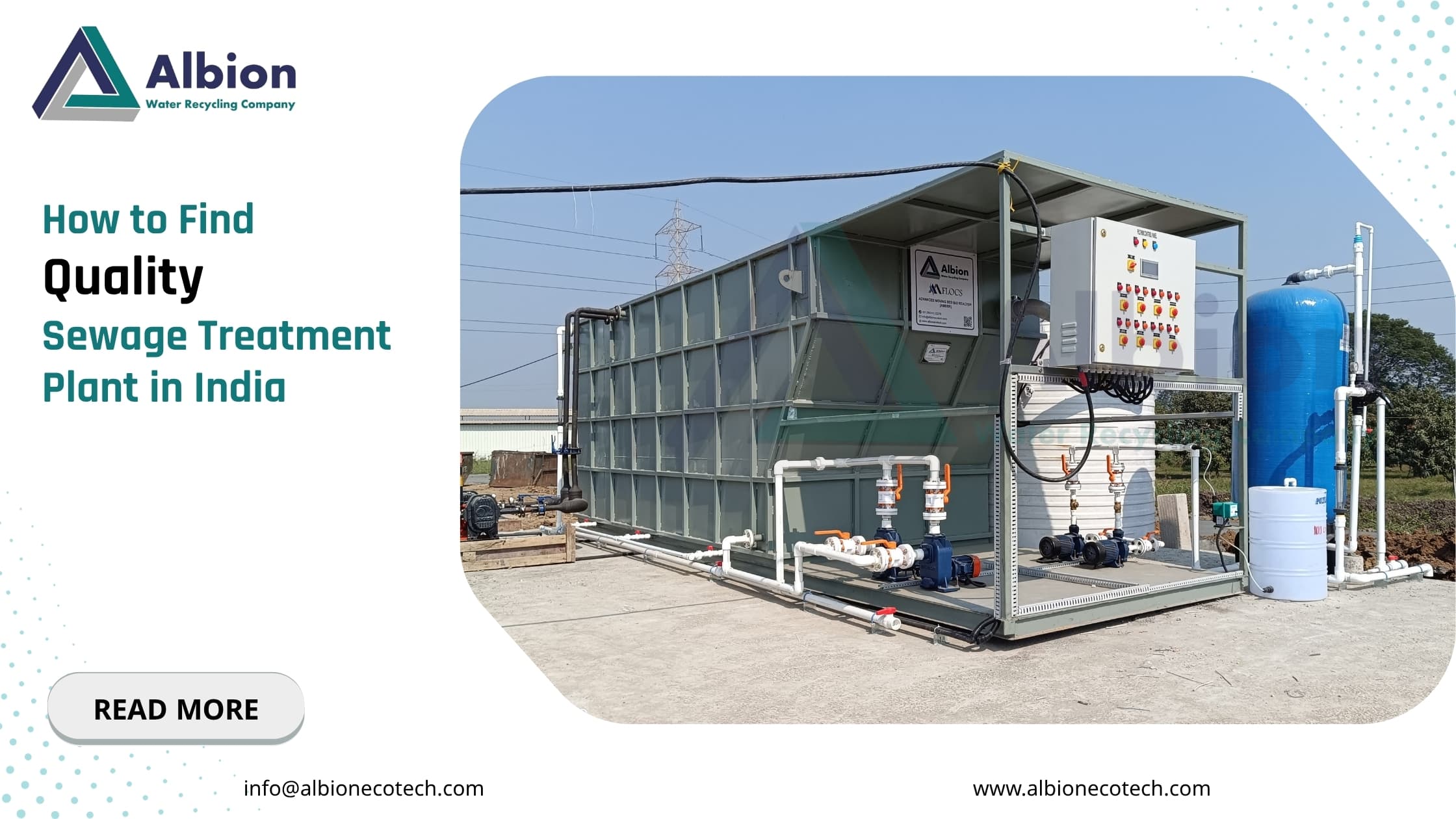
What Is M-Flocs Advanced Moving Bed Bioreactor (AMBBR) Technology?
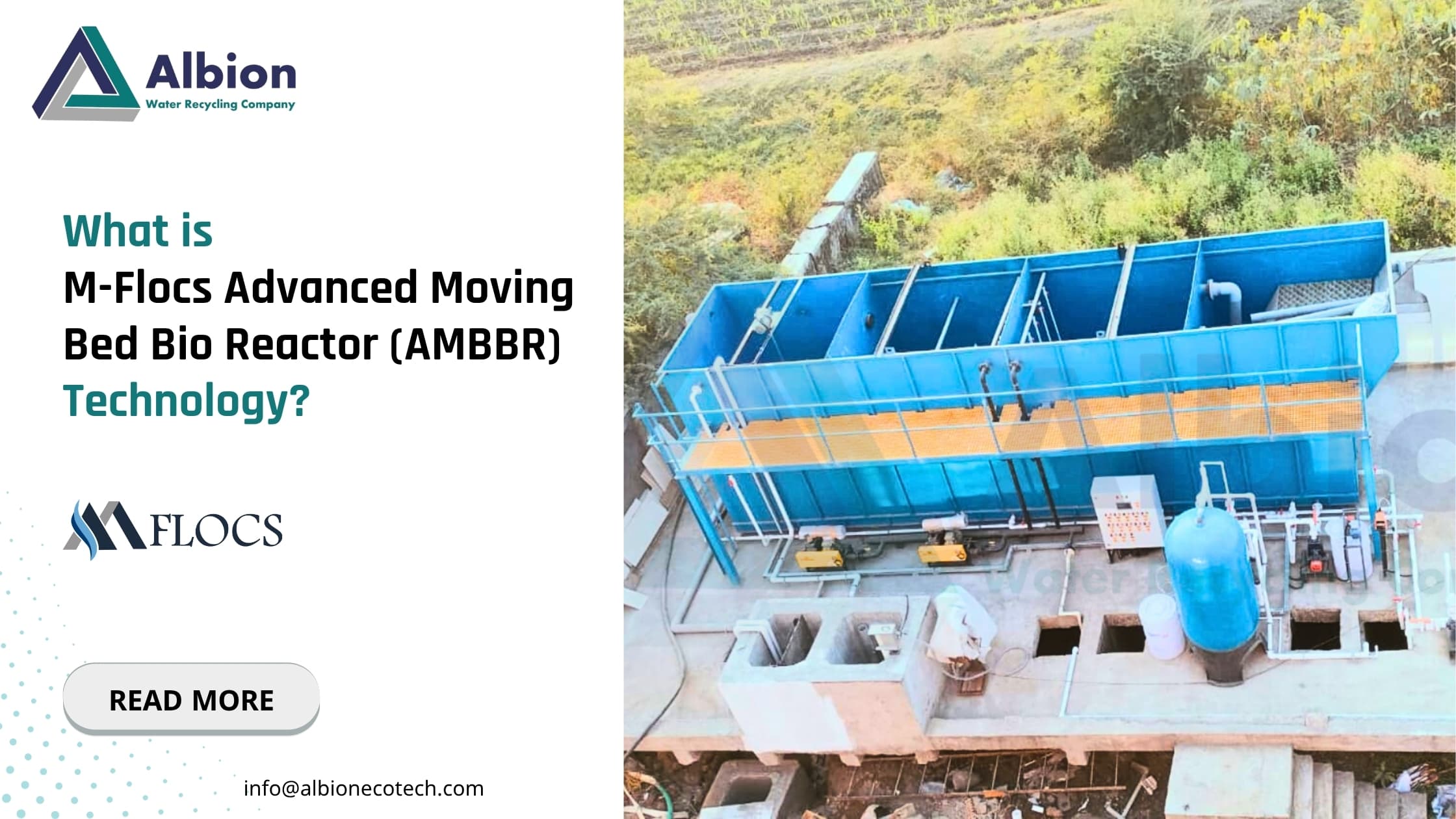
As industrial and municipal wastewater volumes grow while available plot area stays fixed, treatment technologies that pack more biological capacity into a smaller tank footprint have become increasingly relevant. Advanced Moving Bed Bioreactor (AMBBR) technology builds on conventional MBBR by refining carrier design and process control to push biological treatment capacity further. This article explains what AMBBR is, how it works, and how Albion Ecotech's M-Flocs AMBBR systems apply this technology.
A Quick Refresher: What Is MBBR?
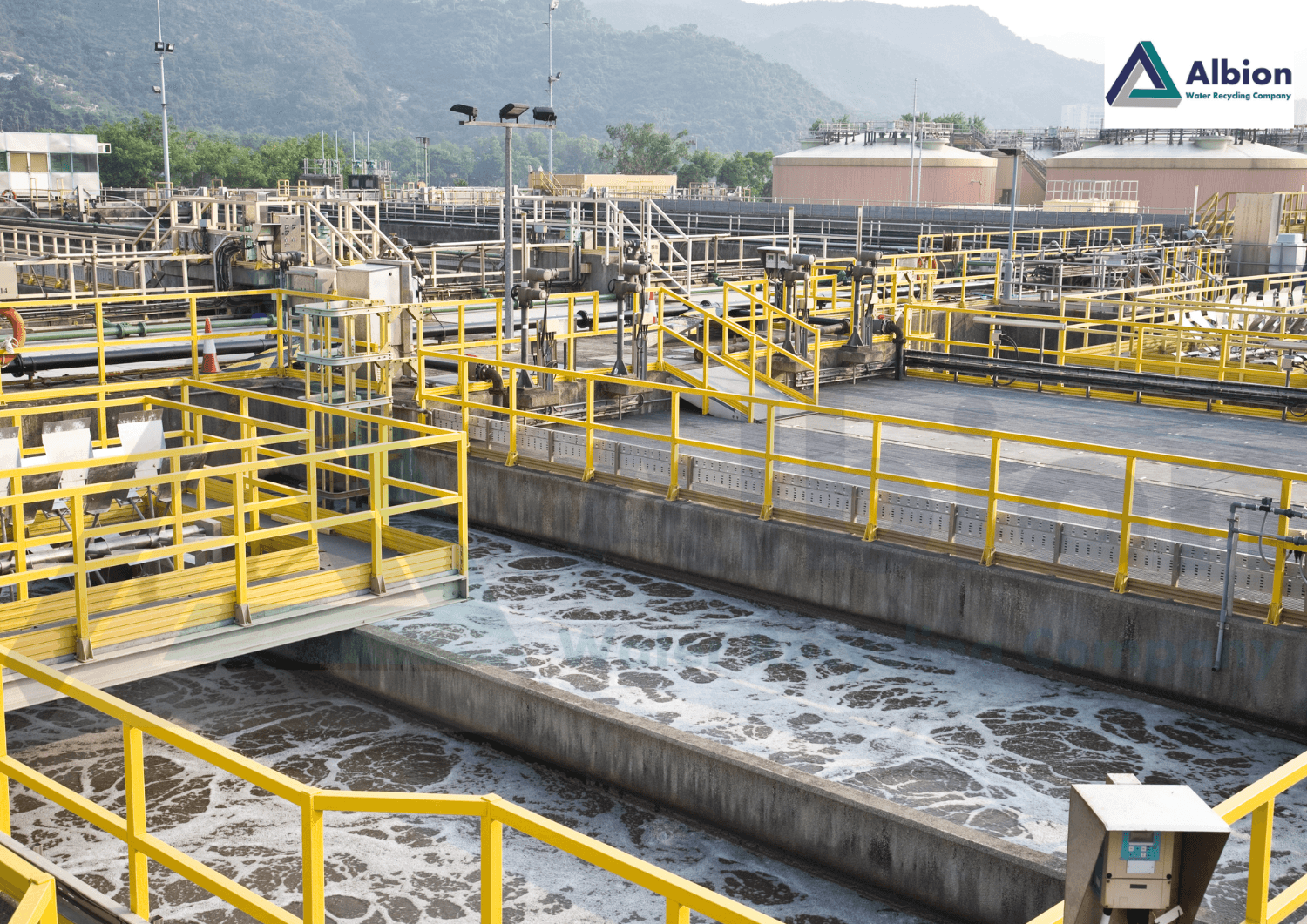
Moving Bed Biofilm Reactor (MBBR) technology treats wastewater by growing a biofilm of microorganisms on the surface of small plastic carrier media that move freely within an aerated tank. Because the biomass lives on the carrier surface rather than remaining fully suspended in the water, MBBR can support a higher biomass concentration per unit tank volume than a conventional suspended-growth process, without needing to settle and return sludge in the same way as an activated sludge system.
What Makes AMBBR “Advanced”?
Advanced Moving Bed Bioreactor technology refines the core MBBR principle through improved carrier media design (higher effective surface area per unit volume), more precise aeration and mixing control to keep carriers in suspension without excess energy use, and process control tuned to the specific organic and hydraulic loading of the project. The result is a system engineered to handle higher loading rates or achieve a smaller tank volume for an equivalent treatment duty, compared with a standard MBBR design.
How AMBBR Works
- Carrier media in suspension: Specially shaped plastic carriers, engineered for high protected surface area, are kept in continuous motion within the aeration tank using diffused air or mechanical mixing.
- Biofilm growth: Microorganisms colonize the protected internal surfaces of each carrier, forming a biofilm that consumes the biodegradable organic load (BOD/COD) as wastewater flows through the tank.
- Retention screens: Sieves or screens at the tank outlet retain the carriers within the reactor while allowing treated water to pass forward for clarification or further treatment.
- Downstream clarification: Because the biomass is largely attached to the carriers rather than suspended, AMBBR is typically followed by a clarifier or, in higher-quality applications, a membrane stage to separate any sloughed biomass from the treated water.
Key Advantages of AMBBR Technology
- Higher biomass density: The protected carrier surface allows a greater concentration of active biomass per unit tank volume than a conventional suspended-growth process, supporting a more compact reactor for a given organic load.
- No sludge recycle required: Since the biofilm stays attached to the carriers, AMBBR does not depend on a return activated sludge (RAS) loop in the same way as conventional activated sludge, simplifying the process train.
- Resilience to load fluctuation: The attached biomass is less prone to washout during hydraulic or organic load spikes compared with suspended-growth systems, which is useful for effluent with variable flow or strength.
- Retrofit-friendly: Carrier media can often be added into existing aeration tanks to increase treatment capacity, making AMBBR a practical option for capacity enhancement of an existing STP or ETP without a full civil expansion.
- Compact footprint: Higher biomass density per unit volume generally means a smaller reactor is needed to achieve a given treatment duty compared with conventional activated sludge.
Points to Consider
- AMBBR still requires a downstream clarification or filtration stage, since it is a biofilm process, not a complete solids-separation solution on its own.
- Retention screens need regular inspection and maintenance to prevent carrier loss or clogging.
- Aeration must be carefully controlled to keep carriers in suspension without over-aerating, which affects energy consumption and should be factored into OPEX planning.
- Carrier fill ratio and media type need to be engineered to the specific influent load; an undersized system will not deliver the expected treatment capacity.
AMBBR vs Conventional MBBR vs Activated Sludge
- Biomass density: AMBBR carriers are engineered for higher protected surface area than standard MBBR media, supporting greater biomass density per unit volume; conventional activated sludge relies entirely on suspended growth.
- Footprint: AMBBR generally achieves a smaller reactor volume than standard MBBR or activated sludge for an equivalent organic load.
- Sludge recycle: neither MBBR nor AMBBR requires a RAS loop; activated sludge depends on it to maintain biomass concentration.
- Retrofit suitability: AMBBR and MBBR carriers can often be added to existing tankage to boost capacity; activated sludge expansion generally requires new clarifier and aeration tank volume.
Applications of AMBBR Technology
- Capacity enhancement of existing municipal STPs facing rising inflow without additional plot area for expansion.
- High-strength industrial effluent, such as food and beverage processing wastewater, where organic loading is significant.
- Pharmaceutical and textile ETPs requiring a robust biological stage ahead of tertiary treatment.
- CETP projects handling mixed and variable industrial effluent streams, where resilience to load fluctuation is valuable.
- Pre-treatment stage ahead of a downstream MBR, where AMBBR reduces organic load before the membrane stage.
Albion Ecotech's M-Flocs AMBBR
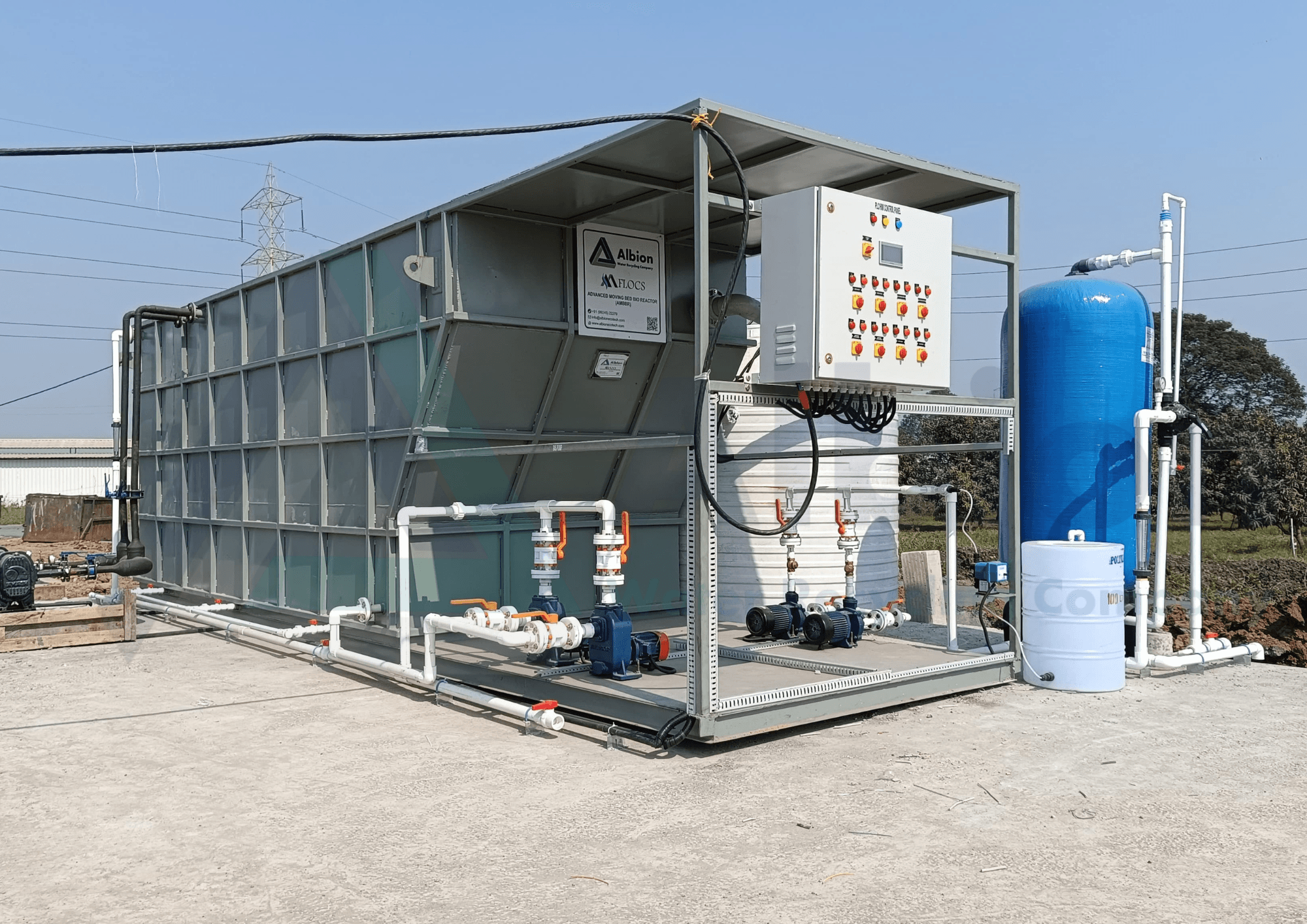
M-Flocs is Albion Ecotech's Advanced Moving Bed Bioreactor system, engineered around project-specific organic and hydraulic loading rather than a fixed carrier fill ratio. As a wastewater treatment engineering company, Albion sizes M-Flocs systems based on the influent characteristics of each STP, ETP, or CETP project, and evaluates whether M-Flocs fits best as a standalone biological stage, a capacity-enhancement retrofit into existing tankage, or a pre-treatment stage ahead of a downstream MBR or membrane process.
Where a project's goals include water reuse, Albion integrates M-Flocs with downstream UF or RO for polishing, and plans sludge management to handle the biomass generated by the process. Energy-efficient aeration and mixing equipment selection is factored into the design to help manage long-term OPEX, and Albion supports clients through commissioning and maintenance planning to help sustain performance over the plant's operating life.
Conclusion
AMBBR technology addresses a specific engineering challenge: achieving higher biological treatment capacity within a smaller or existing tank footprint. By refining carrier design and process control beyond standard MBBR, AMBBR is a practical fit for capacity enhancement projects, high-strength industrial effluent, and pre-treatment ahead of membrane processes. As with any biological process, its performance depends on correct sizing for the specific influent load, making project-specific engineering the deciding factor in outcomes.
Frequently Asked Questions
What is the difference between MBBR and AMBBR?
AMBBR builds on the same biofilm-on-carrier principle as MBBR but uses carrier media engineered for greater protected surface area, along with more precise aeration and process control, to support higher loading rates or a smaller tank volume for an equivalent treatment duty.
Can AMBBR be used to expand an existing STP without new construction?
In many cases, yes. Carrier media can be added into existing aeration tanks to increase treatment capacity, which is why AMBBR is a commonly evaluated option for capacity enhancement projects, though a site-specific assessment is needed to confirm feasibility.
Does AMBBR need a clarifier after it?
Yes, typically. AMBBR is a biofilm treatment stage, not a solids-separation solution, so it is generally followed by a clarifier, or in higher-quality applications, a membrane stage such as MBR.
Is AMBBR suitable for high-strength industrial effluent?
Yes, AMBBR's higher biomass density and resilience to load fluctuation make it a suitable option for high-strength or variable industrial effluent, such as food and beverage or mixed CETP streams, when properly sized for the specific load.
How does Albion Ecotech's M-Flocs AMBBR fit into a treatment train?
M-Flocs can be used as a standalone biological stage, a capacity-enhancement retrofit into existing tankage, or a pre-treatment stage ahead of a downstream MBR or membrane process, depending on the project's flow, load, and effluent quality objectives.
%20Technology.jpg&w=3840&q=75)