Data Centre Water Use Could Triple by 2030: Why Wastewater Treatment Is Essential
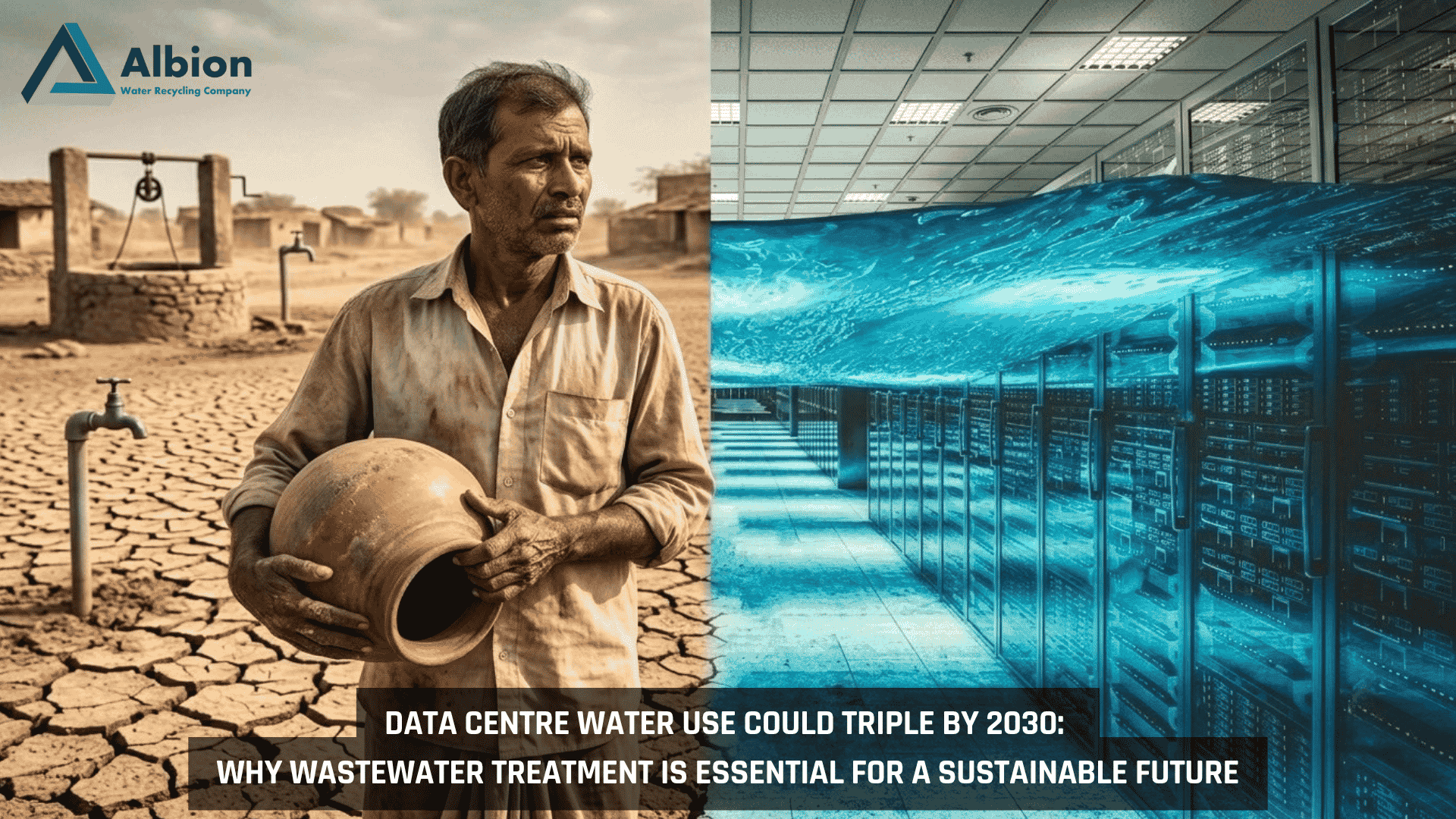
Global data centre water consumption could nearly triple from 222 billion litres in 2025 to 644 billion litres a year by 2030, as AI-driven capacity expansion pushes up cooling demand, according to new estimates from an energy research firm. Active water-saving measures could hold the figure down to 543 billion litres under a moderate scenario, or as low as 388 billion litres under an aggressive water-saving pathway, but even the lowest projection represents a sharp rise from today's consumption.
Why cooling drives the number up
Data centres use water mainly to remove heat generated by computing equipment, and AI servers generate substantially more heat than conventional ones. That doesn't automatically mean a proportional rise in water use, since rack-level liquid cooling can reduce the load on facility-level systems and allow greater use of dry cooling, but the net effect across a rapidly expanding global fleet is still a steep increase in projected consumption. Forecasting this is genuinely difficult: outcomes vary with cooling technology, local climate, and whether water withdrawn or water actually consumed is being measured.
There is also a trade-off between direct and indirect water use. Dry cooling can save roughly 2.15 litres of water per kilowatt-hour of IT load, but it needs an extra 0.30 to 0.74 kWh of electricity, and generating that electricity carries its own water footprint. In the United States, the indirect water consumption tied to a data centre's power supply can be more than twice its direct water consumption.
A wide spread between operators
With no general requirement for water use effectiveness (WUE) standards in most regions, reported performance varies widely, even among operators in similar climates. Disclosed figures for 2024–25 ranged from 0.12 litres per kWh to 0.91 litres per kWh across major cloud and colocation operators, and one company's own regional data showed more than a 100-fold difference between its lowest and highest-intensity sites, underlining how much geography and cooling architecture matter. Several major operators have set targets to become water positive by 2030, aiming to replenish more water than they consume, including through water efficiency and freshwater restoration projects in water-stressed areas.
Regulation is catching up slowly
Rules on data centre water use are beginning to appear, but reporting requirements are still ahead of binding performance standards. A labelling and performance-standard package is under development in Europe, and Singapore's roadmap targets water use below 2 litres per kWh. In the United States, requirements vary by state, and at least one state has paused new approvals pending audits of power, water and cooling use. Regions facing high or extremely high water stress are projected to account for over a third of global direct data centre water consumption by 2030, and parts of India are among the locations identified as highly exposed, where projected consumption is large relative to local water stress.
Why this points back to wastewater treatment
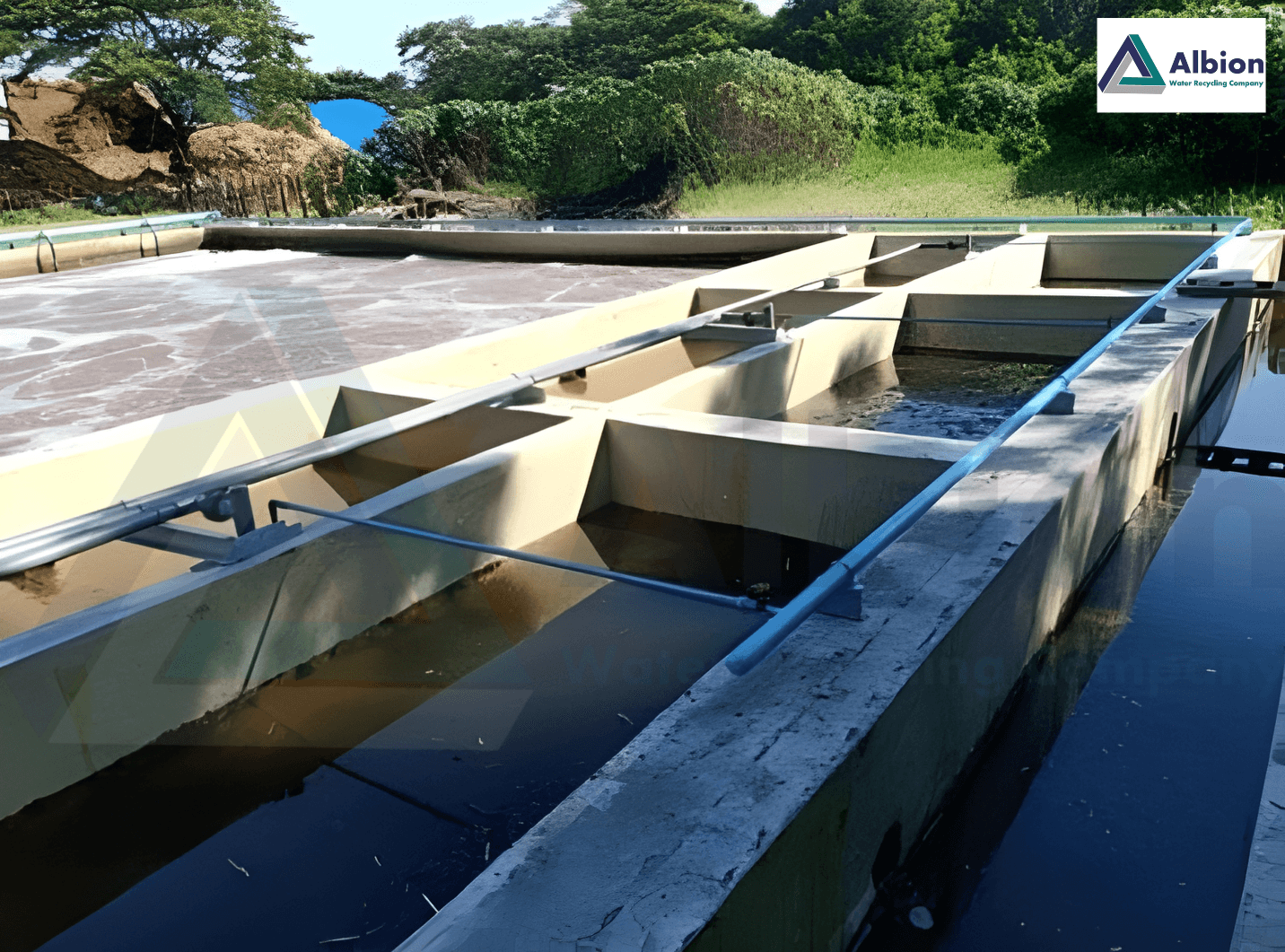
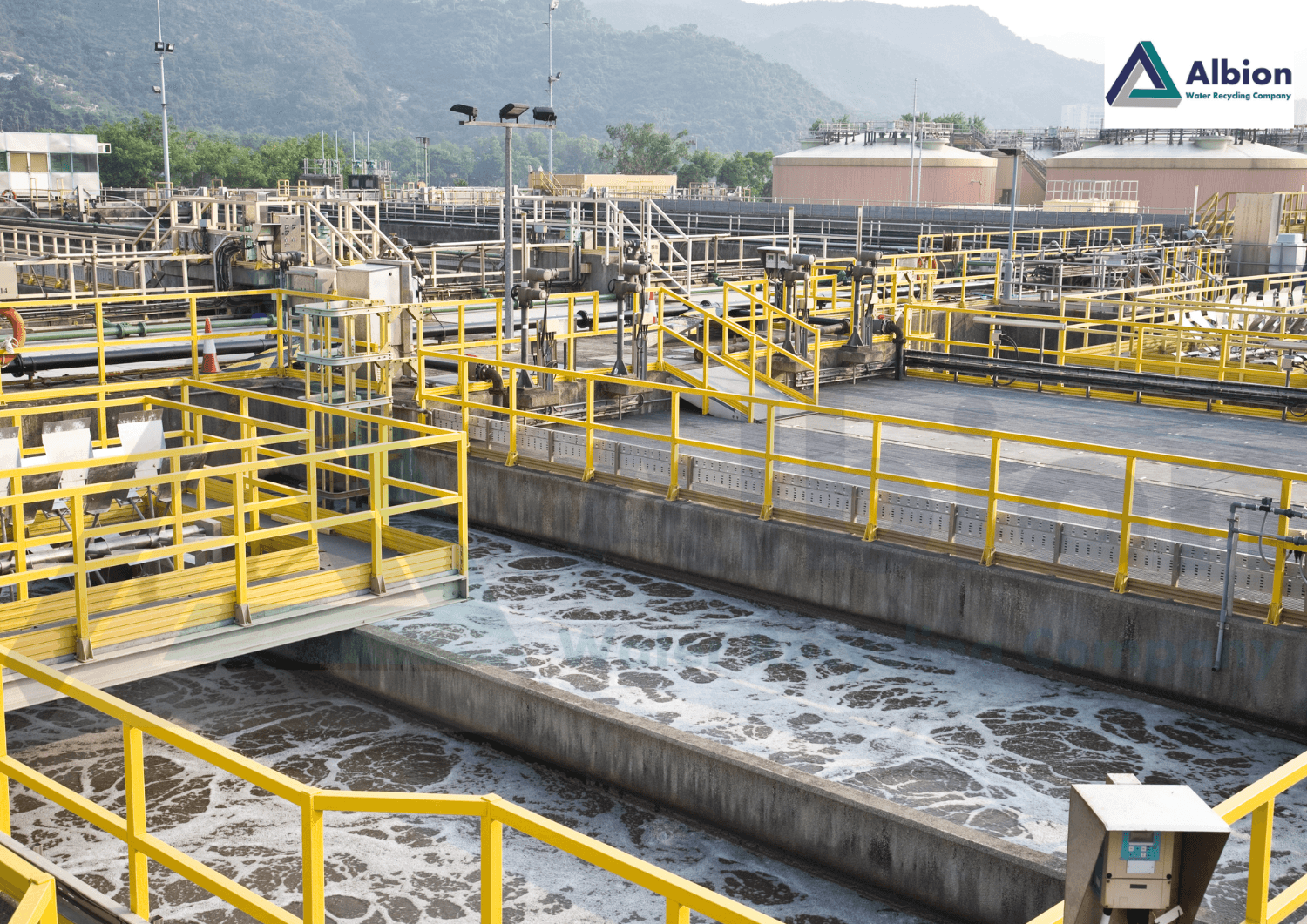
A sector tripling its water demand inside five years, concentrated in places that are already water-stressed, cannot be supplied indefinitely from fresh groundwater or municipal sources without consequences for the communities and industries around it. This is exactly why treated wastewater needs to be part of the answer, not an afterthought. Cooling towers and other data centre cooling systems do not require drinking-quality water; they need water of a specific, controllable quality, which is precisely what a well-engineered sewage or effluent treatment plant is designed to deliver.
Put simply: every kilolitre of municipal or industrial wastewater treated and reused for cooling, landscaping or process water is a kilolitre that a data centre, or any other large consumer, does not need to draw from an already-stressed aquifer or river. As data infrastructure expands into new regions, often alongside industrial corridors and growing townships, building sewage treatment plants, effluent treatment plants and water-reuse systems from the outset is not just an environmental nicety, it is the only realistic way to support that growth sustainably over the long run.
What this means in engineering terms:
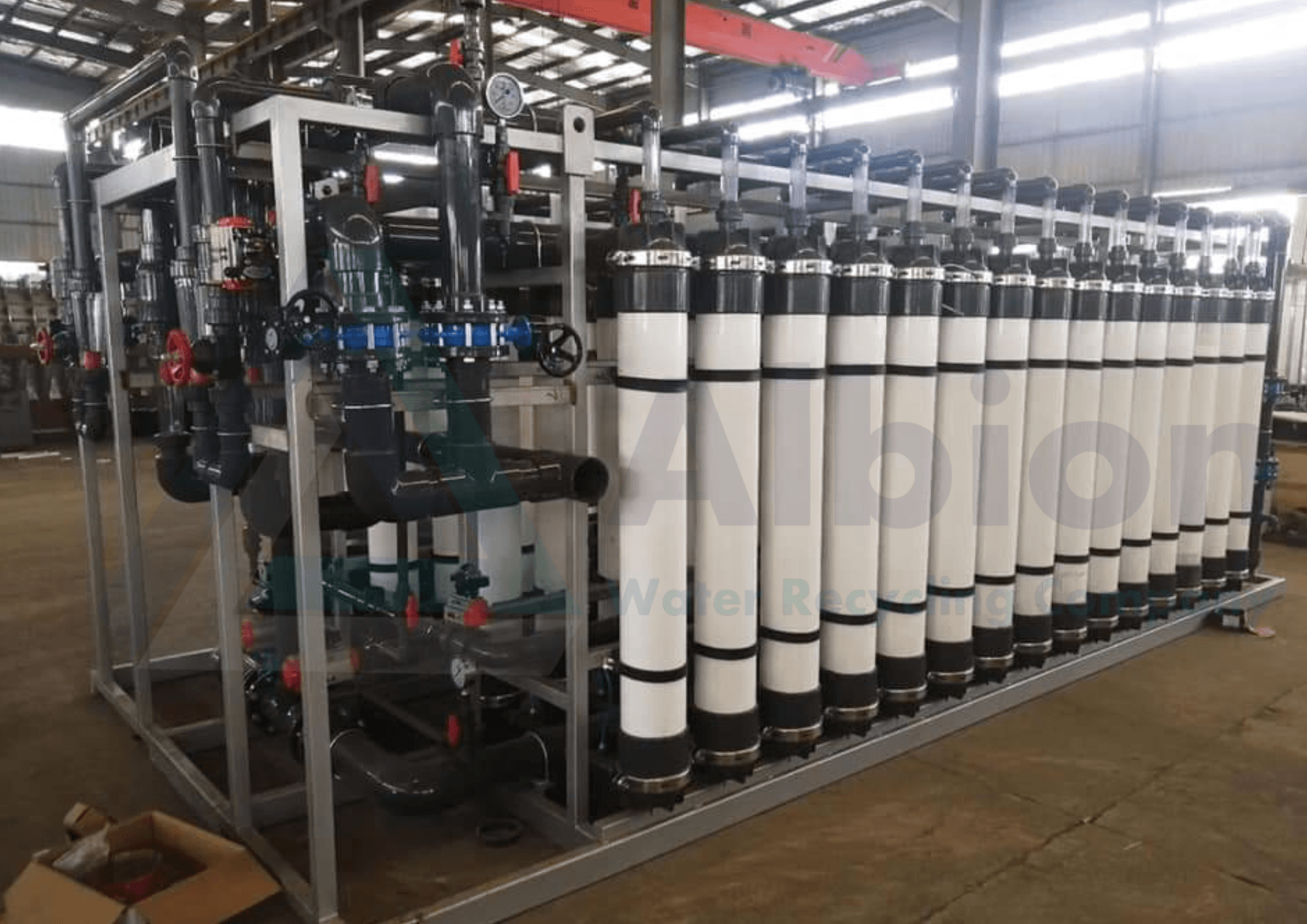
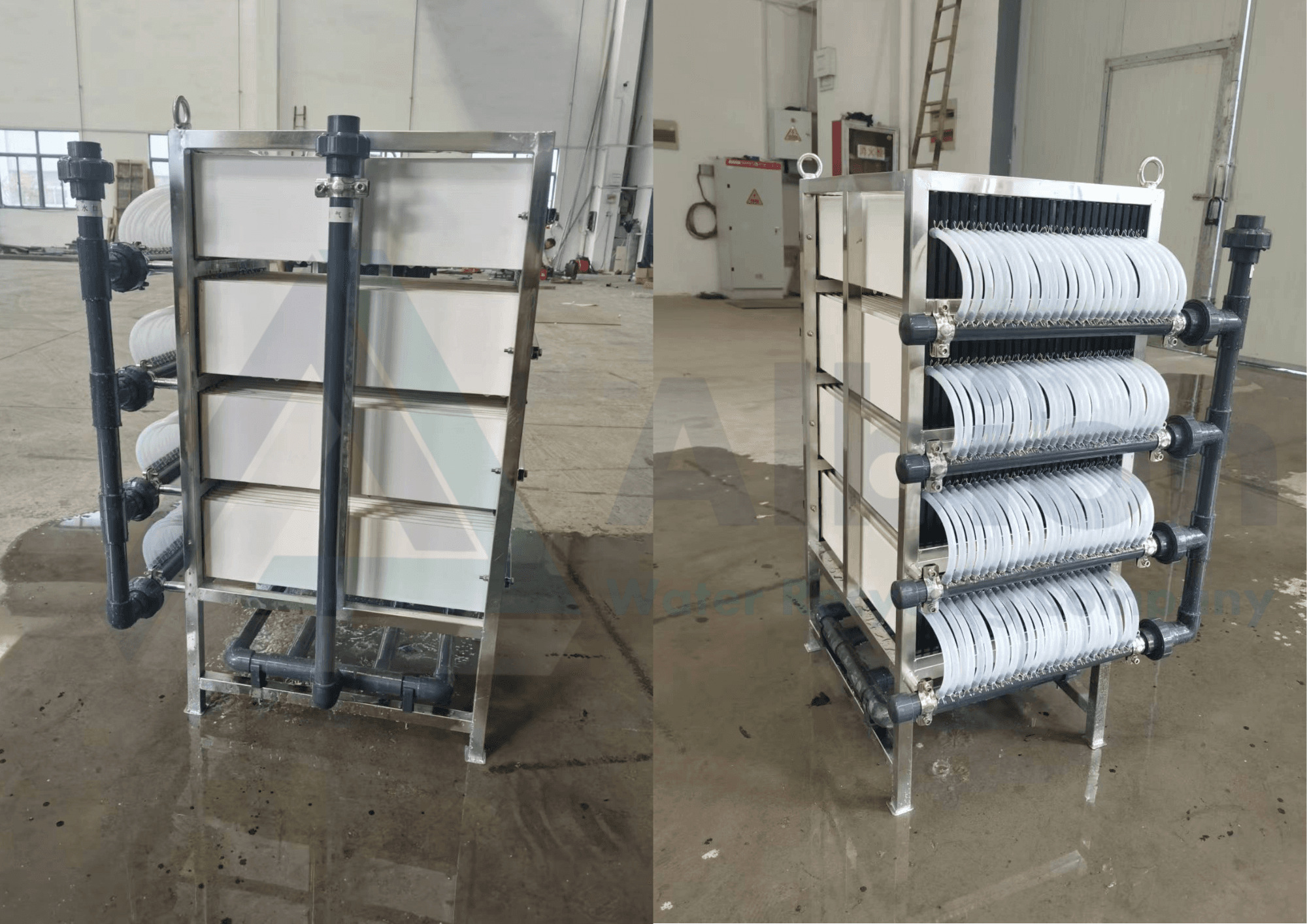
- Match treatment to cooling-water quality. Cooling-tower make-up generally needs controlled hardness, alkalinity and suspended solids rather than drinking-water purity, so a biological stage such as MBBR, AMBBR or MBR followed by filtration, and UF or partial RO where dissolved solids control is needed, can supply this without over-treating.
- Plan reuse into new builds from day one. Retrofitting a reuse loop after a facility is operational is far more disruptive than designing dual plumbing, storage and treatment capacity in from the start, whether the facility is a data centre, an industrial park or a township.
- Prioritise water-stressed locations first. Facilities sited in regions with high baseline water stress carry the greatest risk and the greatest reuse opportunity, since the gap between available fresh water and projected demand is already narrow there.
- Treat ZLD as an option for the most constrained sites. Where discharge is restricted or local water stress is severe, zero liquid discharge can maximise water recovery, at a higher energy cost that should be weighed against water scarcity risk.
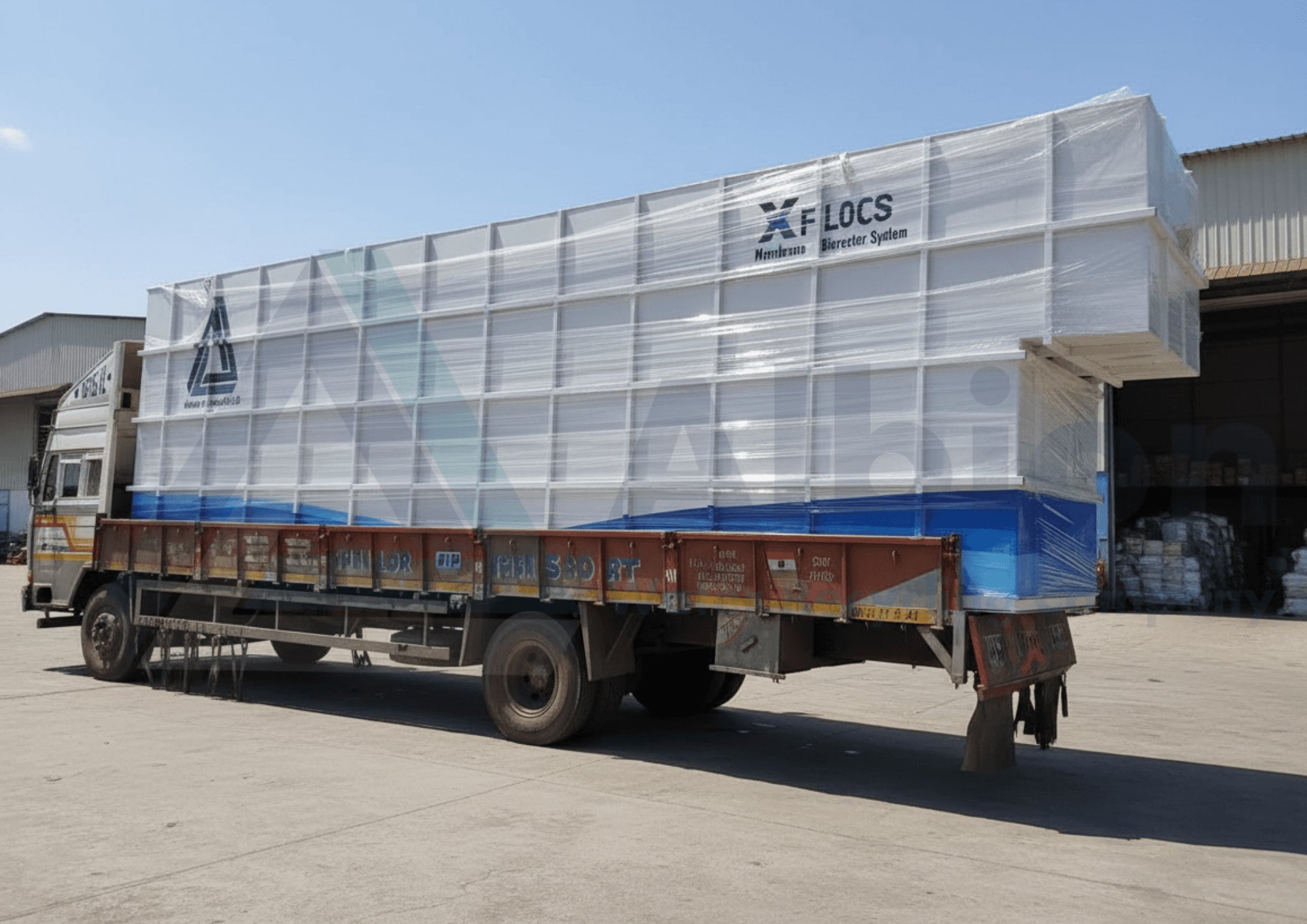
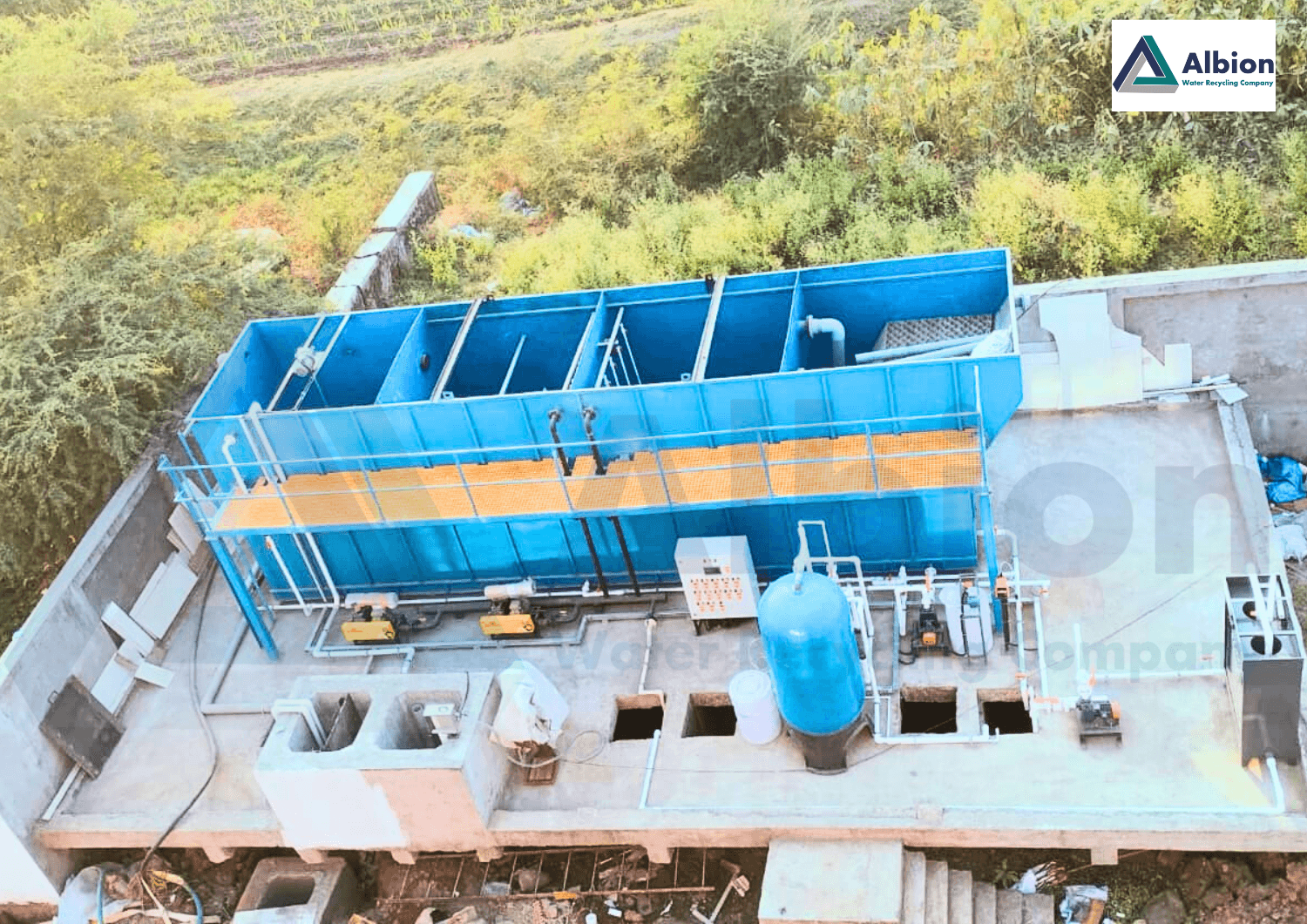
Albion Ecotech designs and executes STPs and ETPs with reuse built in, using SBR, MBBR/AMBBR and MBR biological processes with UF, RO and ZLD options, in packaged and civil formats, so that water-intensive developments like data centres, industrial parks and townships can meet growing demand without placing additional pressure on groundwater and municipal supply.
Frequently Asked Questions
Why do data centres need so much water?
Mainly for cooling. Computing equipment generates heat that must be removed, and many cooling systems use water, especially evaporative cooling towers. AI workloads generate more heat than conventional computing, which is pushing up projected water demand even as some facilities adopt more water-efficient cooling technology.
Can treated wastewater actually be used for data centre cooling?
Yes, with the right treatment train. Cooling-tower make-up needs controlled hardness, alkalinity, suspended solids and microbial content rather than drinking-water quality, which treated and polished wastewater can meet, subject to applicable water-quality standards being confirmed for the specific site and use.
What does ‘dry cooling’ mean and why doesn't it eliminate the water problem?
Dry cooling removes heat without evaporating water, which cuts direct water use substantially, but it consumes more electricity than evaporative cooling. Since generating that electricity has its own water footprint, dry cooling shifts rather than fully eliminates the water impact, particularly where the power grid relies on water-intensive generation.
Why should wastewater treatment plants be planned alongside new data centres?
Because water-intensive facilities built in water-stressed regions without a reuse plan compete directly with local communities and industries for a limited resource. Pairing new developments with STPs, ETPs and reuse systems lets them meet their water needs from treated wastewater instead of fresh groundwater or municipal supply.
Which regions are most exposed to this growing water demand?
Areas already facing high or extremely high water stress are projected to account for a large share of global data centre water consumption by 2030, including parts of India identified as highly exposed, where projected data centre water use is large relative to local water stress.