Albion Ecotech Product Update: Compact STPs, MBBR Systems and Filtration Media for Every Scale
Albion Ecotech's product range now covers wastewater treatment at almost every scale, from a household unit that runs on a 50 W solar panel to gravity-fed plants treating up to 100 m³ a day, plus the membrane and filtration systems used in larger industrial and municipal trains. This update summarises what each product is for, so project teams can see which one fits their site before starting a detailed design.
Compact sewage treatment for homes and small sites
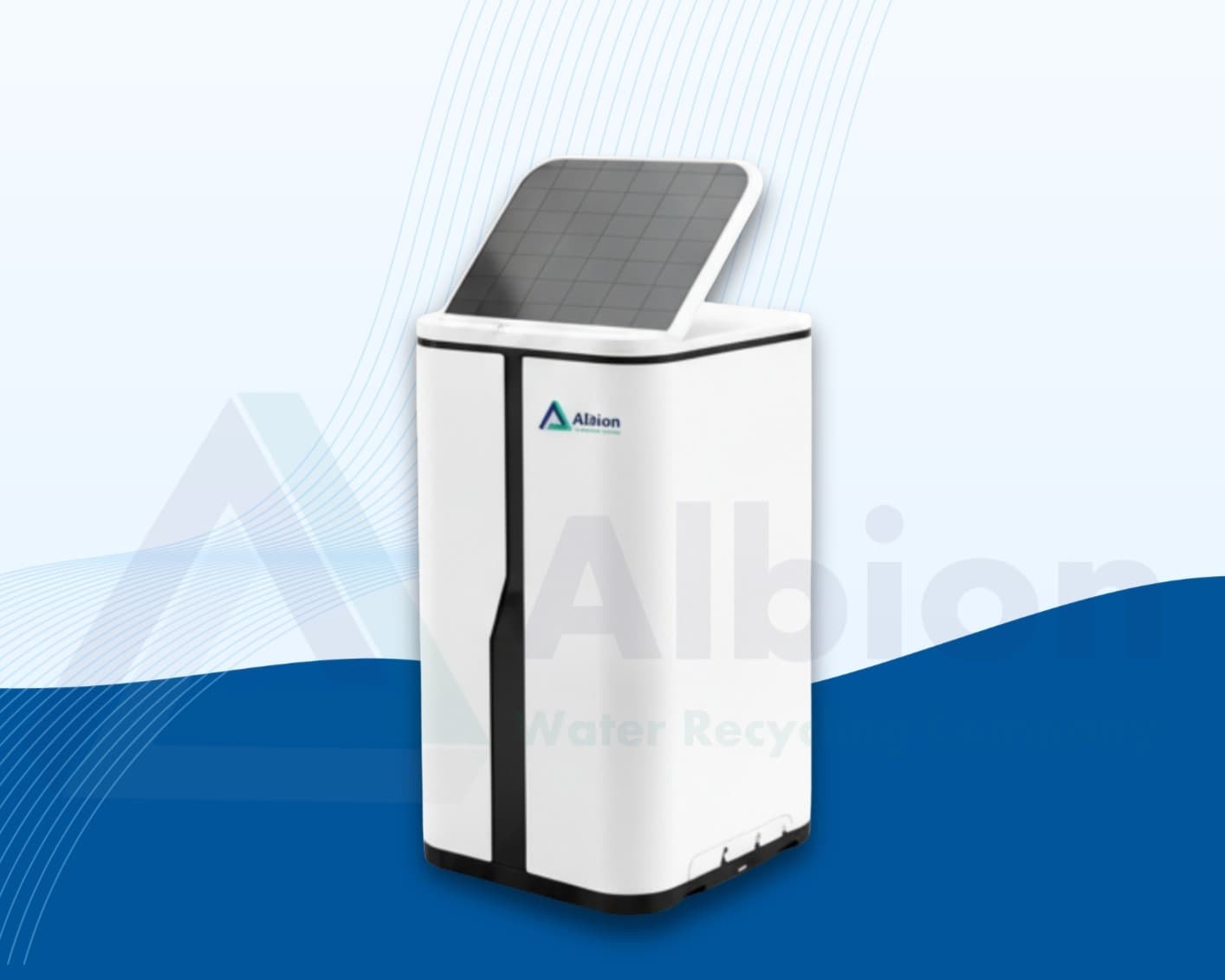
SmartSolar: household STP
SmartSolar is a household sewage treatment plant sized for 5 to 10 people. It combines AMBBR with contact oxidation in a shell measuring 0.7 x 0.7 x 1.26 m and weighing 70 kg. A micro-aeration fan draws under 40 W, so the unit can run from a 50 W solar panel at sites with no grid connection. Treated water is routed automatically between toilet flushing, irrigation and discharge, and 4G or Wi-Fi connectivity supports remote monitoring. The double-layer shell is rated for temperatures down to -20 °C. Typical effluent quality is COD under 60 mg/l, BOD5 under 20 mg/l, suspended solids under 20 mg/l, ammoniacal nitrogen under 15 mg/l and total phosphorus under 1 mg/l. It suits individual homes, off-grid cabins, homestays, public restrooms and rural sanitation upgrades.
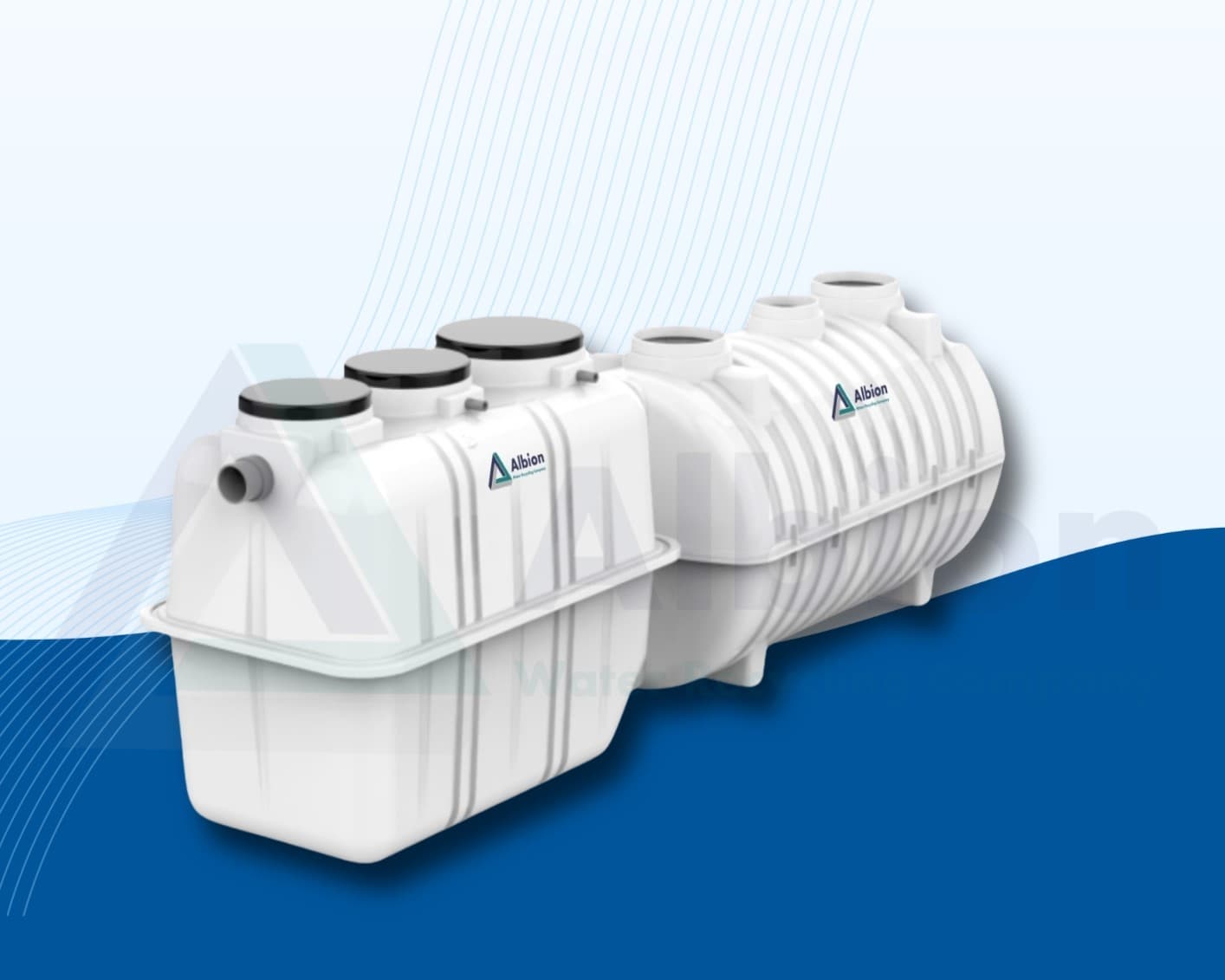
SmartAox: buried plug-and-play MBBR
SmartAox is a packaged MBBR unit for 1 to 5 m³ per day, built in lightweight SMC or FRP and buried underground with a gravity inlet and outlet. It uses an anoxic and oxic (A/O) process with moving carrier media and two internal recirculation loops. Units weigh between 180 and 350 kg and draw 0.025 to 0.075 kW depending on size, and several units can be combined as the load grows. An optional solar kit with an MPPT controller and lithium battery can power the blower off-grid. Typical effluent quality is COD around 80 mg/l, BOD5 20 mg/l, suspended solids 20 mg/l, ammoniacal nitrogen 5 mg/l and total phosphorus 1 mg/l. It fits rural homes, villas, small hospitality sites, scenic-area toilets, rural schools and small offices.
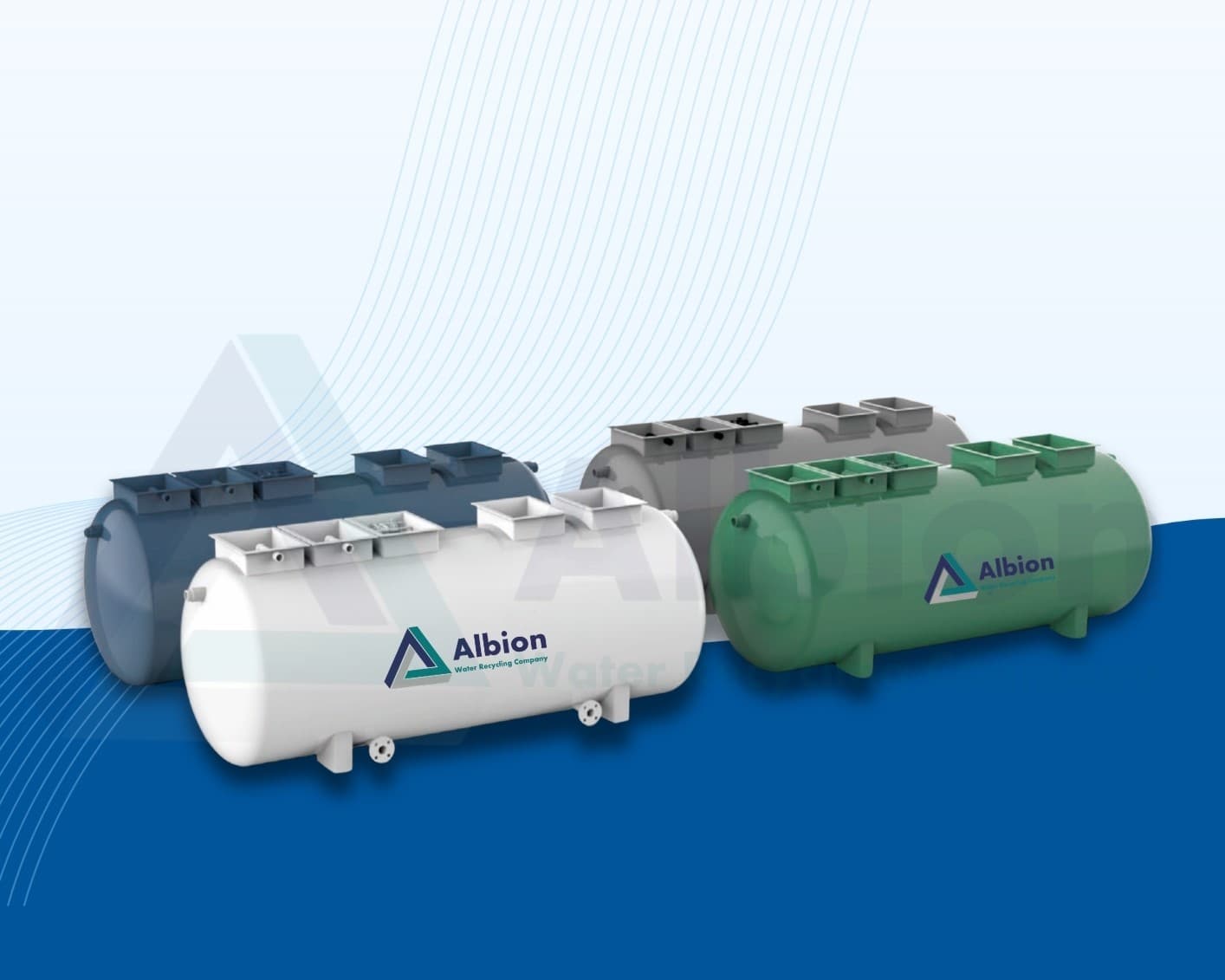
SmartBox: gravity-fed MBBR from 5 to 100 m³/day
SmartBox is the larger plant in the range, available as models SB20 to SB100 in high-strength FRP/SMC. Wastewater flows by gravity through five compartments inside a single vessel: anoxic, IFAS, CAS, sedimentation and disinfection. Because no internal lifting pumps are required, there are fewer mechanical failure points, and water-level regulation lets the plant absorb sudden flow spikes. The plant can stand above ground or be buried, and the shell is rated for a 30 to 50 year service life. Installed power runs from 0.75 to 2.44 kW across the range. Reference performance shows COD of about 20.5 mg/l, BOD5 9.7 mg/l, suspended solids 6.8 mg/l, ammoniacal nitrogen 2.7 mg/l and total phosphorus 0.83 mg/l. It suits eco-sensitive zones, large residences, highway services, small hotels and offices without sewer access, and reuse projects.
Filtration and membrane systems
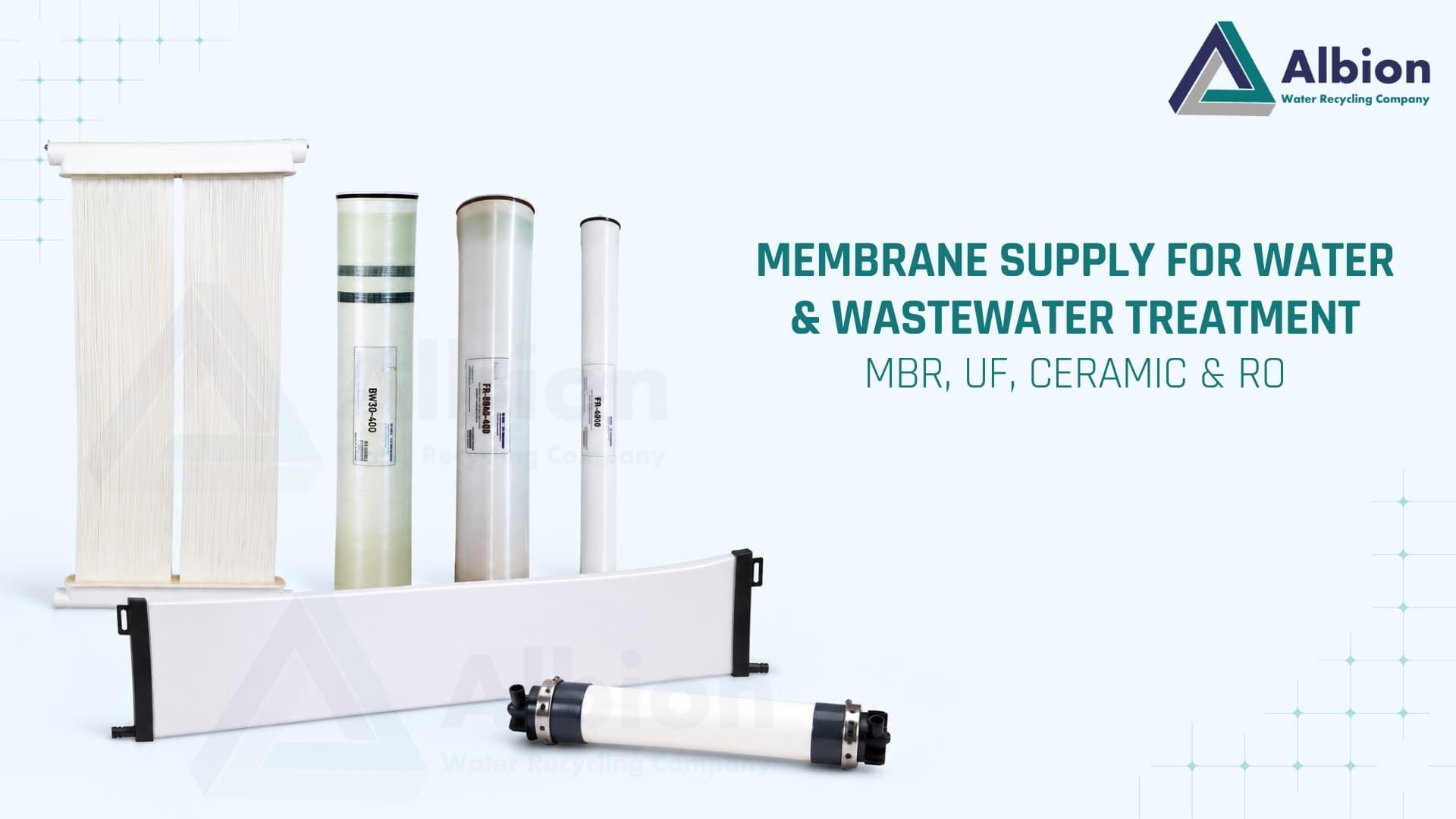
- Activated Filtration Media (AFM). A granular filter medium designed as a drop-in replacement for sand in existing filter vessels. It filters down to 1 micron without added coagulation, is reported to cut backwash water demand by about half, and has a service life of up to 15 years. It is certified for drinking water use under NSF61 and the European DWI regulation, among other certifications. Typical uses include RO and UF pre-treatment, cooling tower side-stream filtration, tertiary effluent polishing and municipal water supply.
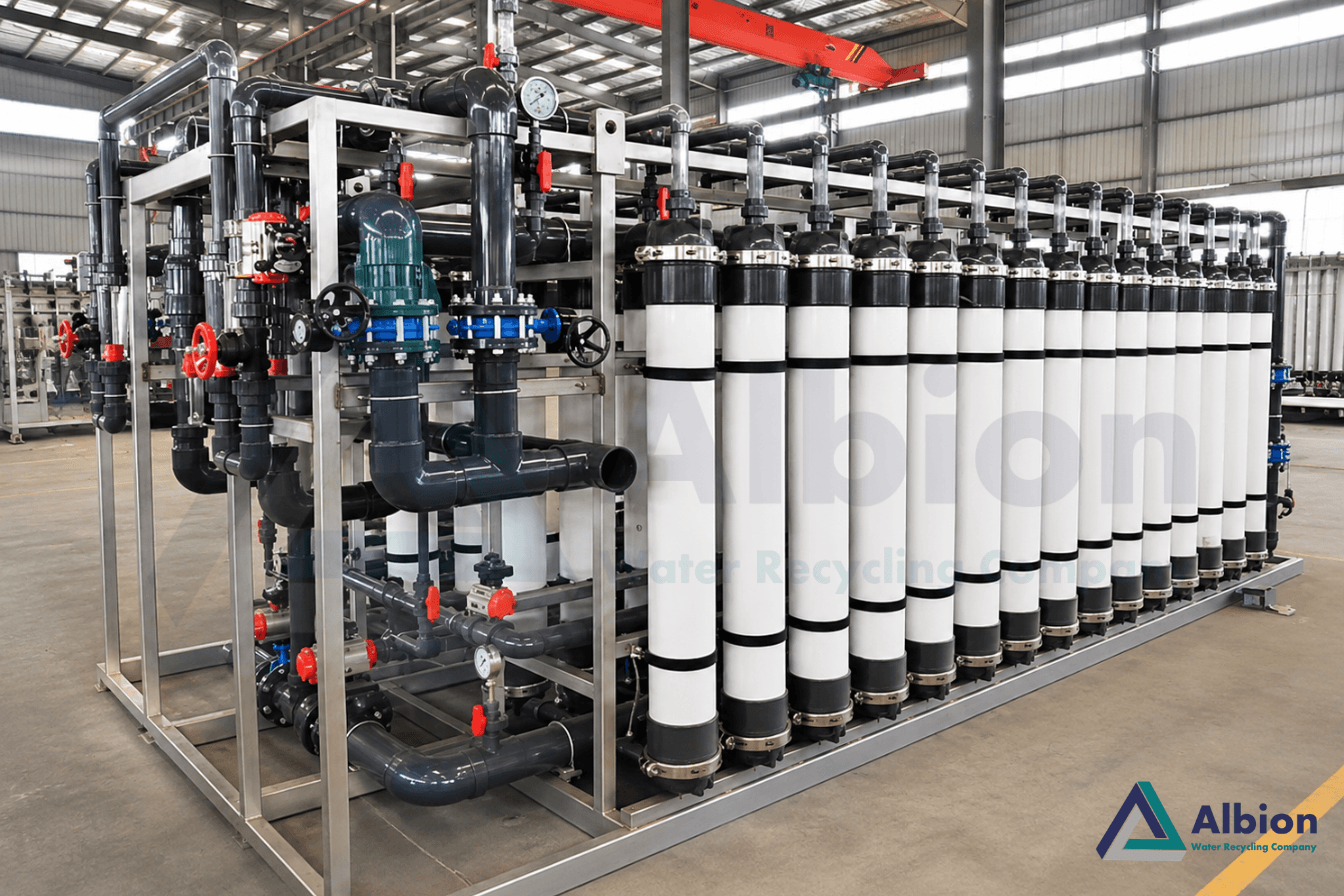
- U-Flocs Ultrafiltration (UF). A pressure-driven membrane system with a 0.02 to 0.1 μm pore range that rejects bacteria, viruses, endotoxins and particulates without chemicals or a phase change. It is used as pre-treatment ahead of RO, as a polishing stage after an ETP or STP, and for lake and river water filtration.
- Cera Flocs Ceramic MBR. A membrane bioreactor built around a chemical-resistant ceramic membrane with cross-flow separation, aimed at industrial wastewater containing solids, bacteria, oil and heavy metals.
Process lines for larger plants
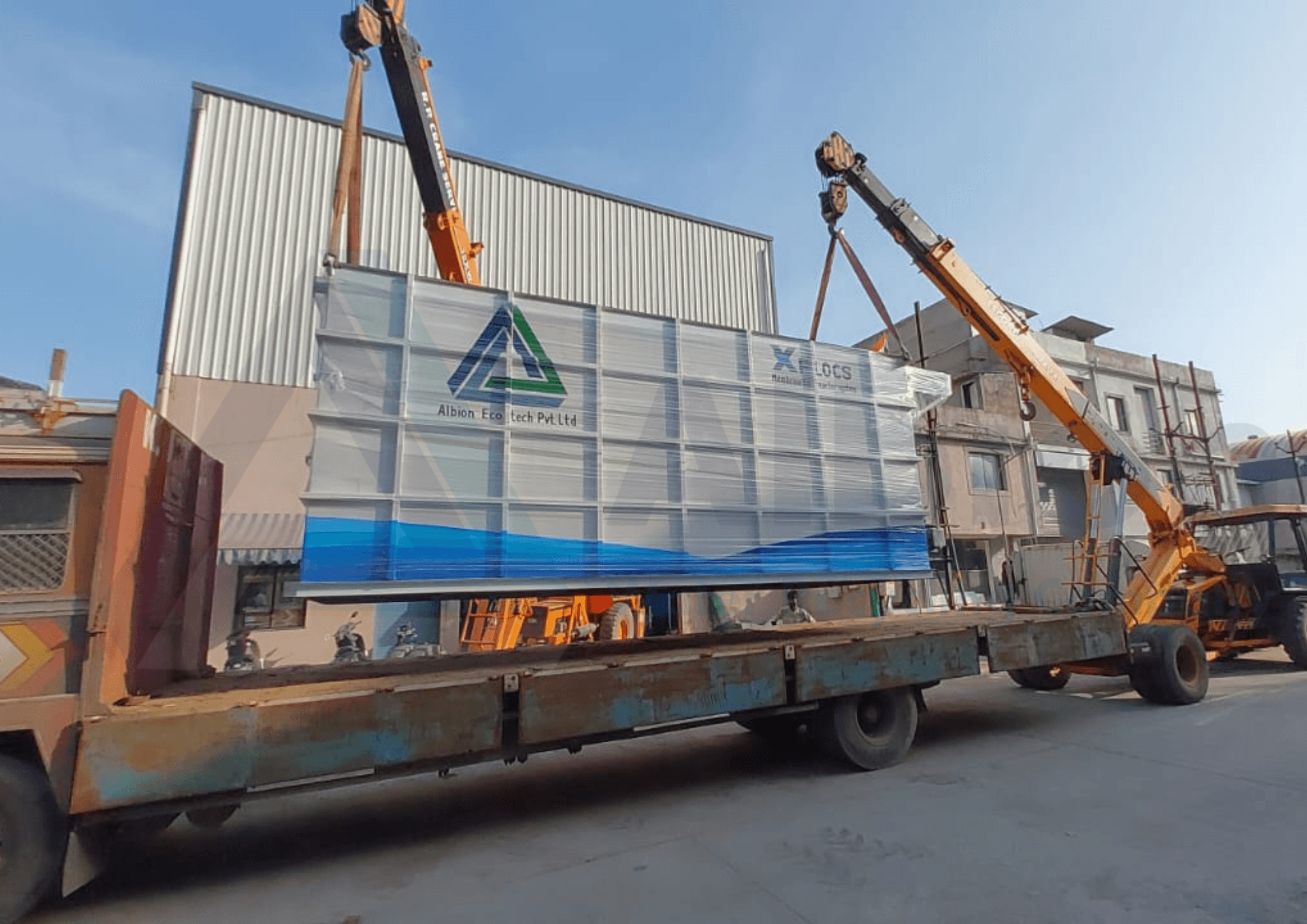
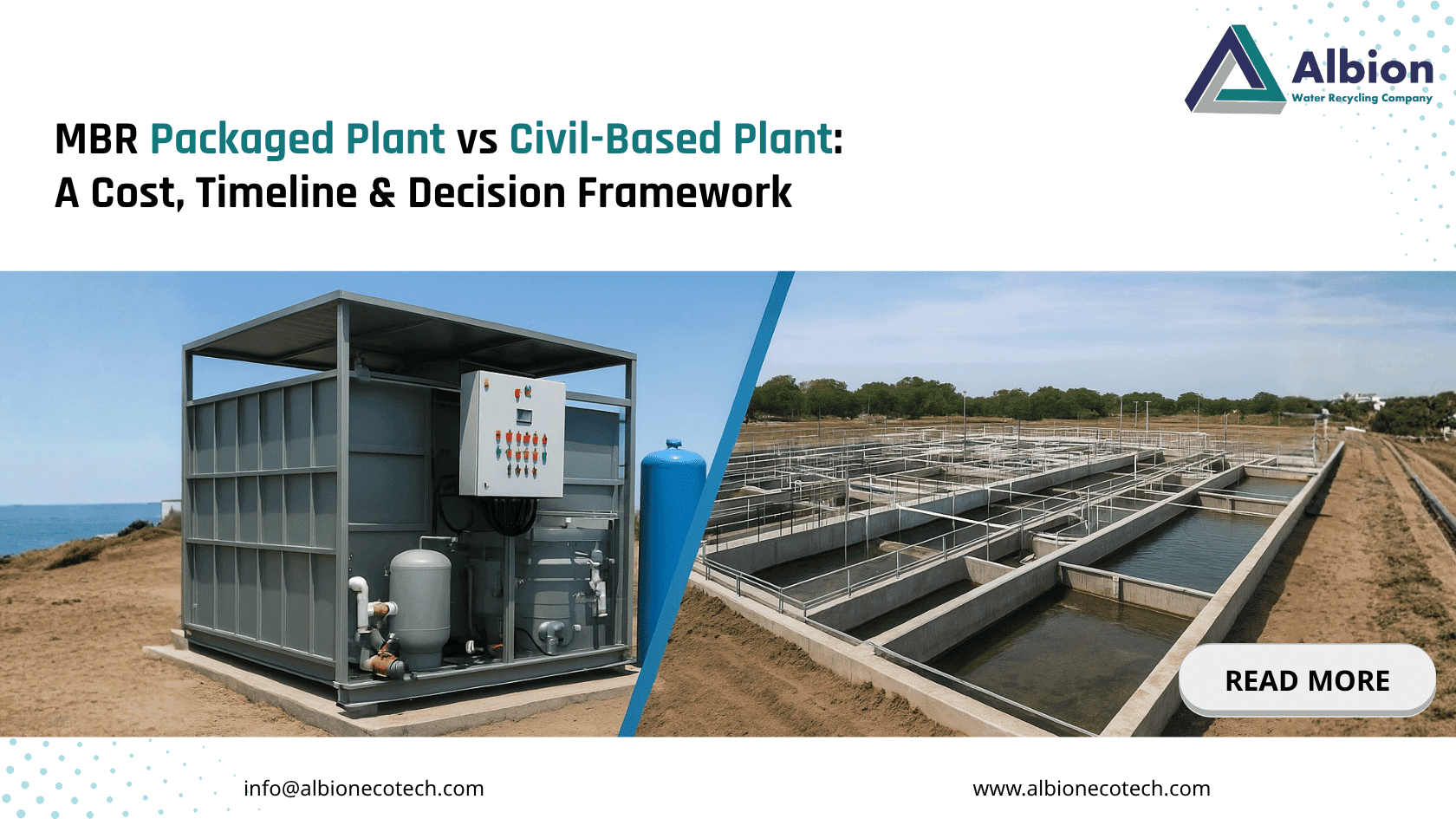
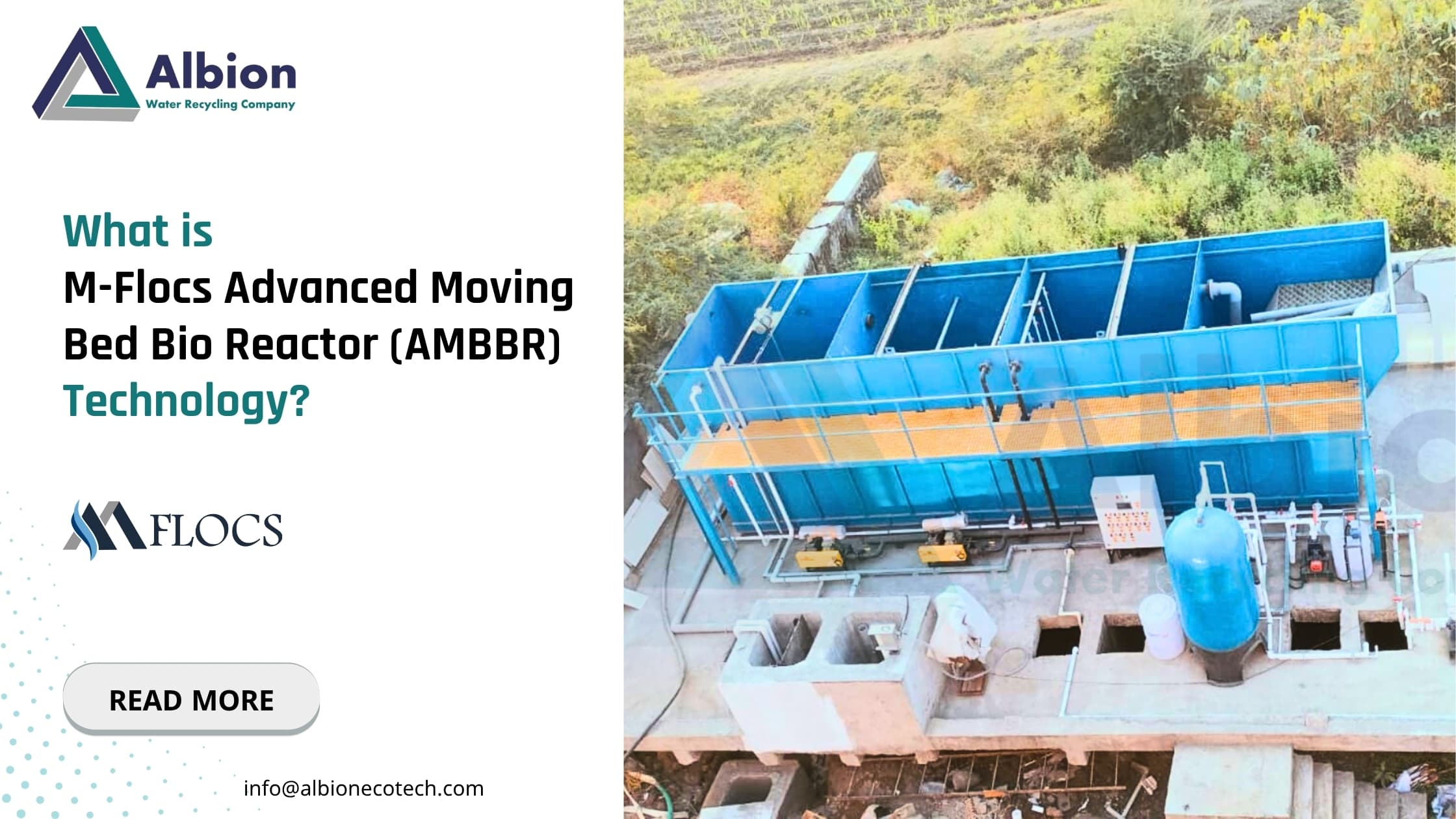
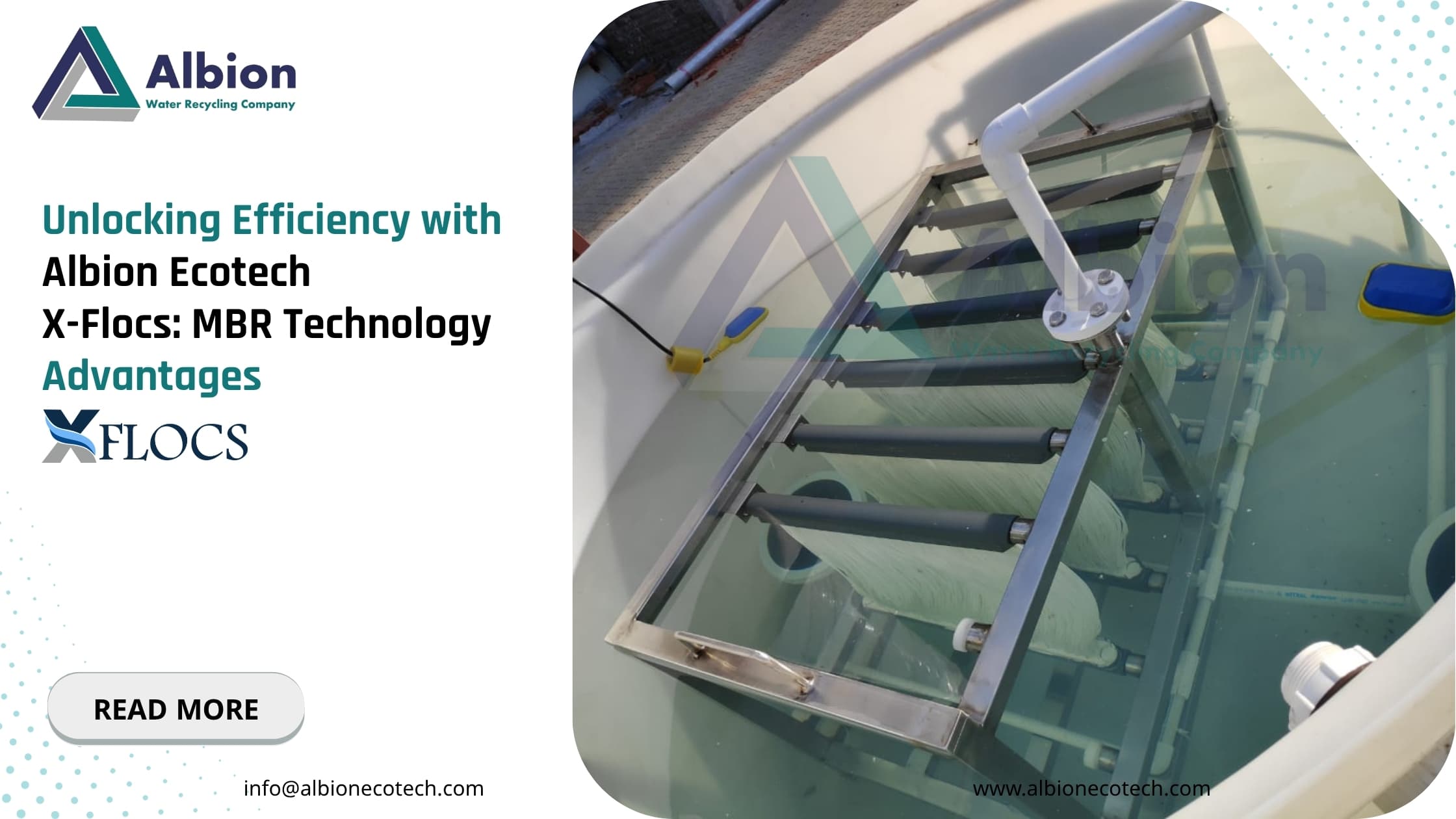
For municipal STPs, industrial ETPs and CETPs, the core process lines remain X-Flocs MBR for compact, reuse-grade treatment, M-Flocs AMBBR for variable loads, tight plots and capacity enhancement, and A-Pro DAF for removing fats, oils, grease and suspended solids. These can be combined with UF, RO and ZLD where water reuse or recovery is the goal, and supplied in packaged or civil formats.
Which product fits which site
- One home or cabin, possibly off-grid: SmartSolar.
- A small property or facility up to 5 m³/day with limited space: SmartAox, buried and expandable by adding units.
- A hotel, school, rest stop or large residence needing 5 to 100 m³/day without lifting pumps: SmartBox.
- A larger or permanent plant with reuse goals: X-Flocs MBR or M-Flocs AMBBR, with UF, RO or ZLD as needed.
- An existing sand filter that needs to perform better: AFM as a drop-in replacement, after checking vessel and feed-water details.
- Aggressive or oily industrial effluent: Cera Flocs, assessed against the effluent and cost of ownership.
Performance figures quoted for the packaged units are typical or reference values. Actual results depend on influent quality, loading and operation, and discharge or reuse standards should be confirmed for each site.
Talk to Albion Ecotech
Project teams can share flow, effluent quality and site details with Albion Ecotech for a recommendation on process, construction format and downstream polishing. Sludge management, energy-efficient equipment, PLC-based automation and post-commissioning support are included in the scope of supply.
Frequently Asked Questions
What is the capacity range of the Smart series?
SmartSolar serves households of 5 to 10 people, SmartAox treats 1 to 5 m³ per day, and SmartBox covers 5 to 100 m³ per day across models SB20 to SB100.
Can the compact plants run without grid power?
SmartSolar is designed to run from a 50 W solar panel, and SmartAox offers an optional solar kit with a controller and battery for off-grid blower operation.
Does SmartBox need lifting pumps?
It is gravity-fed and needs no internal lifting pumps, although a client-scope equalisation tank sits ahead of the unit to buffer incoming flow.
Can AFM replace sand in an existing filter?
Yes. AFM is designed as a direct replacement for sand and can be used in a conventional sand filter without vessel modification. Sizing should be confirmed against the vessel and feed water.
Where is U-Flocs ultrafiltration used?
Mainly as pre-treatment ahead of RO, as a polishing stage after ETP or STP treatment, and for filtering lake and river water, using a chemical-free, pressure-driven membrane.