44% of the World's Household Wastewater Still Goes Untreated, WHO Data Showss
Nearly half the household wastewater generated on the planet is still discharged without proper treatment. New data released by the World Health Organization and UN-Habitat for SDG indicator 6.3.1 puts the figure at 44%, a number that translates into billions of cubic metres of untreated sewage reaching rivers, groundwater, and coastal waters every year.
The data comes from WHO's 2025 country files for SDG 6.3.1, the UN indicator tracking the proportion of domestic and industrial wastewater flows safely treated. For households specifically, WHO and UN-Habitat report that 56% of domestic wastewater was safely treated in 2024, drawing on reporting from countries representing roughly 90% of the world's population. The remaining 44% either never reached a treatment system or passed through one without meeting a safe standard.
The Numbers Behind the Headline
WHO's most recent full global report on the indicator, published in 2024 and covering 2022 data, found that 42% of household wastewater was not safely treated that year, equal to an estimated 113 billion cubic metres released with inadequate or no treatment. That estimate drew on a narrower set of 42 countries representing about 12% of the global population, so it isn't directly comparable to the broader 2024/2025 figure. Lined up side by side, the two reporting rounds look like this:
- 2022 data (WHO global report, published 2024): ~58% safely treated, 42% not safely treated, covering countries representing about 12% of the global population.
- 2024 data (WHO/UN-Habitat SDG 6.3.1, 2025 country files): 56% safely treated, 44% not safely treated, covering countries representing about 90% of the global population.
Note: the two rounds draw on different country samples, so the change from 42% to 44% is not evidence of a worsening trend — it reflects broader, more complete reporting rather than a like-for-like comparison.
Where the Untreated Wastewater Actually Goes
A 2025 synthesis of WHO's country-level data, published by Qadir, Drechsel and Jones, breaks the global picture down further. The domestic sector generates an estimated 267.5 billion cubic metres of wastewater a year. Of that:
- 63% (168.8 billion m³) is collected through sewers or septic tanks.
- 54.7% (146.3 billion m³) receives treatment of some kind.
- 45.3% (121.2 billion m³) is released to the environment untreated — 98.7 billion m³ of it never collected at all, and 22.5 billion m³ collected but discharged without adequate treatment.
That untreated share splits into two distinct problems. The uncollected volume seeps into the ground or nearby water bodies directly from households with no sewer connection or septic system. The collected-but-untreated volume points to gaps in treatment capacity rather than collection infrastructure. The first problem is a coverage gap; the second is a plant performance gap, and they call for different fixes.
Why Nearly Half of Household Wastewater Escapes Treatment
- Missing collection infrastructure: households without sewer connections or working septic tanks have no route into a treatment system, which WHO identifies as the single largest driver of the untreated share.
- Treatment capacity that hasn't kept pace with urban growth, particularly in fast-expanding cities where population outruns planned sewage treatment plant (STP) capacity.
- Ageing or undersized plants operating past their design life, common where civil-based STPs were sized for a smaller population decades ago.
- Financing and land constraints that slow new plant construction, especially in low- and lower-middle-income regions.
- Thin monitoring and reporting systems, which is a data problem as much as a treatment one — WHO itself notes that global estimates remain uncertain because many countries still don't report consistently on this indicator.
The Cost to Ecosystems and Public Health
Untreated household wastewater carries pathogens, nutrients, and organic load that receiving water bodies aren't built to absorb. Nutrient-rich discharge drives eutrophication in lakes and coastal zones, feeding algal blooms that strip oxygen from the water and kill off fish and aquatic plant life. Where wastewater reaches drinking-water sources or irrigation channels, it becomes a direct route for waterborne disease — a link SDG Target 6.3 exists specifically to break, since it frames wastewater treatment as inseparable from water quality and public health outcomes.
Target 6.3 calls for halving the proportion of untreated wastewater by 2030. On current data, the world is roughly in the middle of that gap, not past it.
Regional and Income Disparities
WHO and UN-Habitat both flag that the global average masks wide gaps between regions and income groups. High-income countries generally report treatment rates far above the global figure, while low- and lower-middle-income countries report far below it, largely because sewer coverage itself is lower in those regions. The 2025 synthesis notes that untreated wastewater reuse — using raw or partially treated sewage for irrigation without safeguards — remains most common in exactly these lower-income settings, adding a direct exposure route on top of environmental discharge.
What Closing the Gap Requires
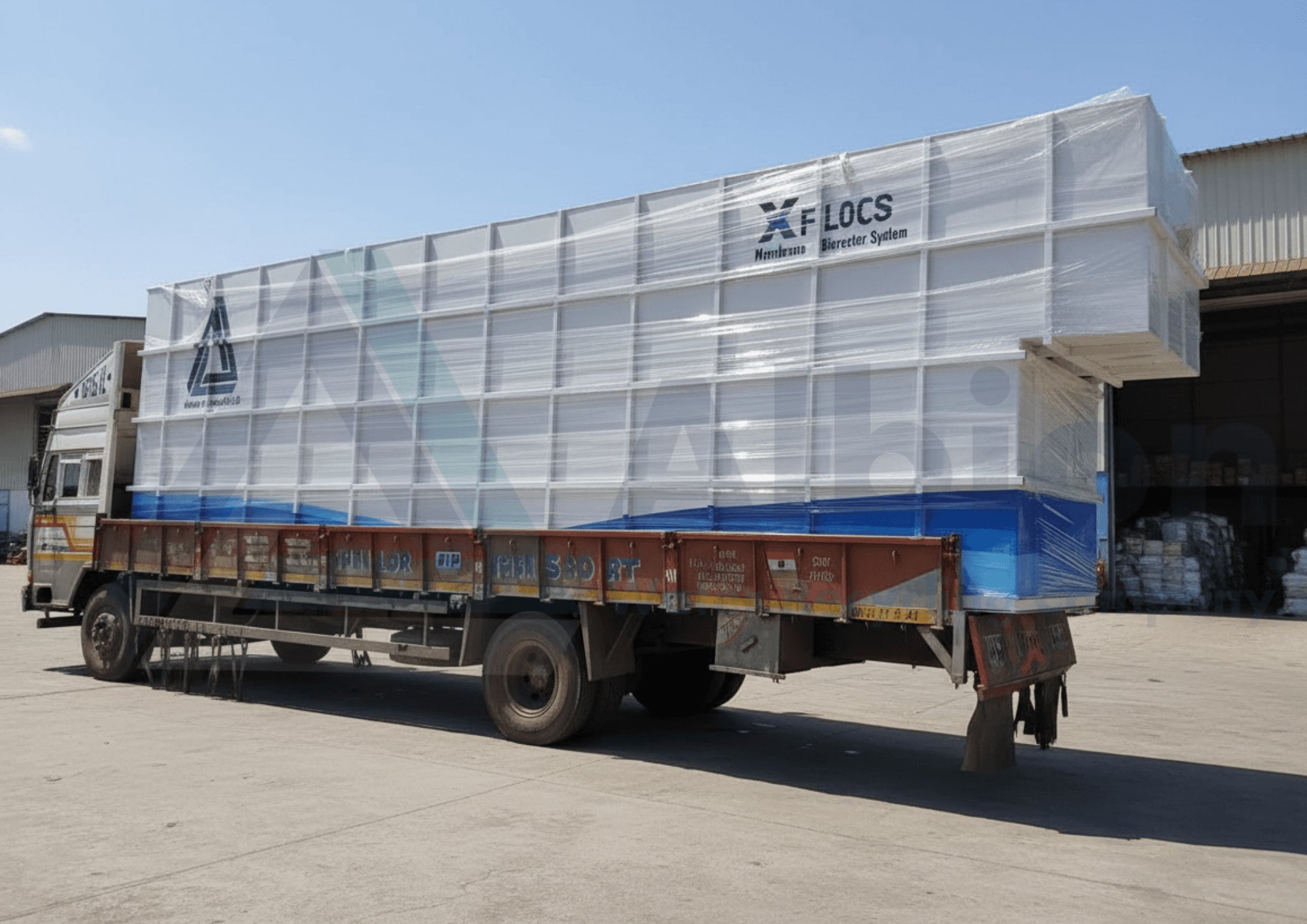
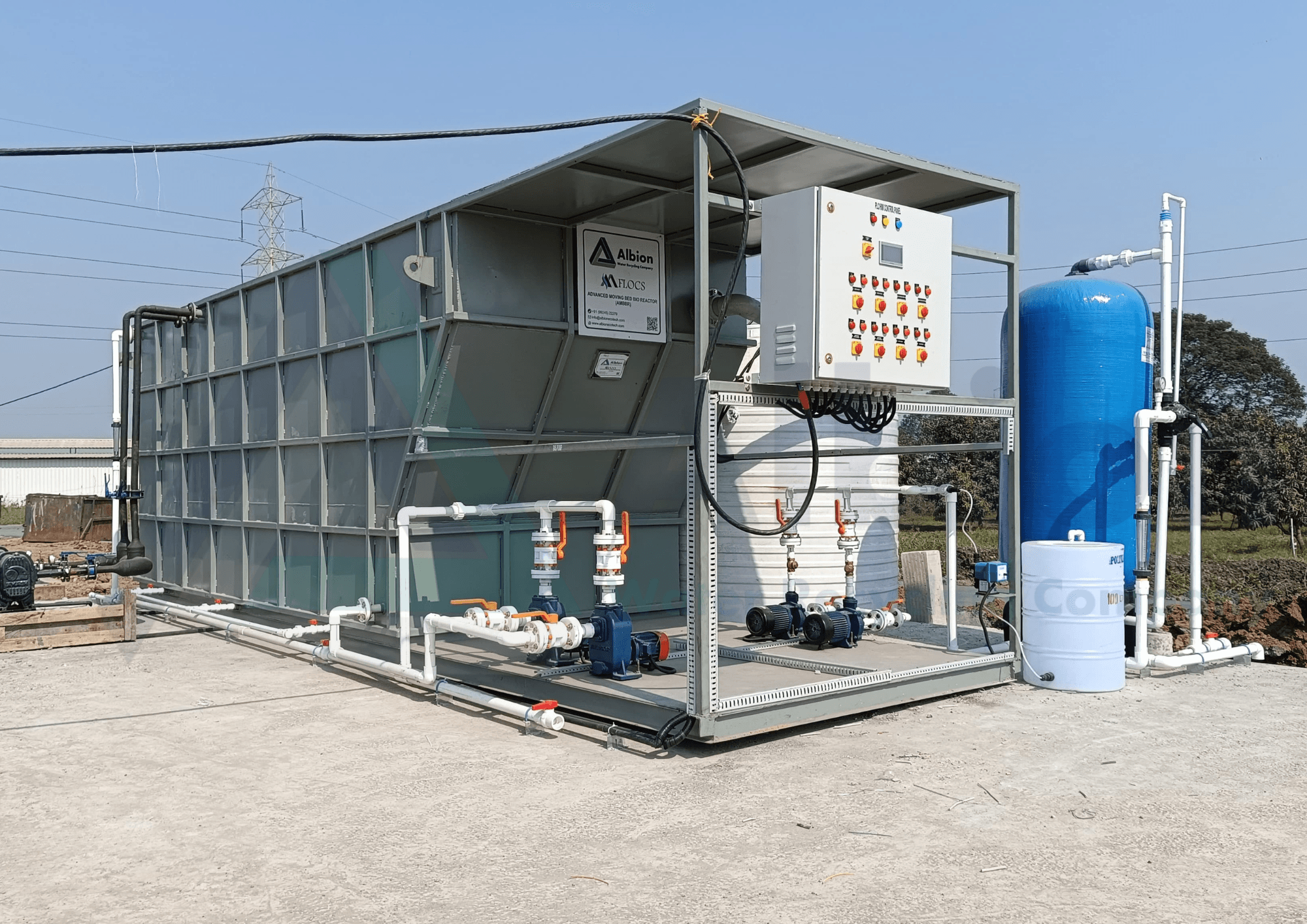
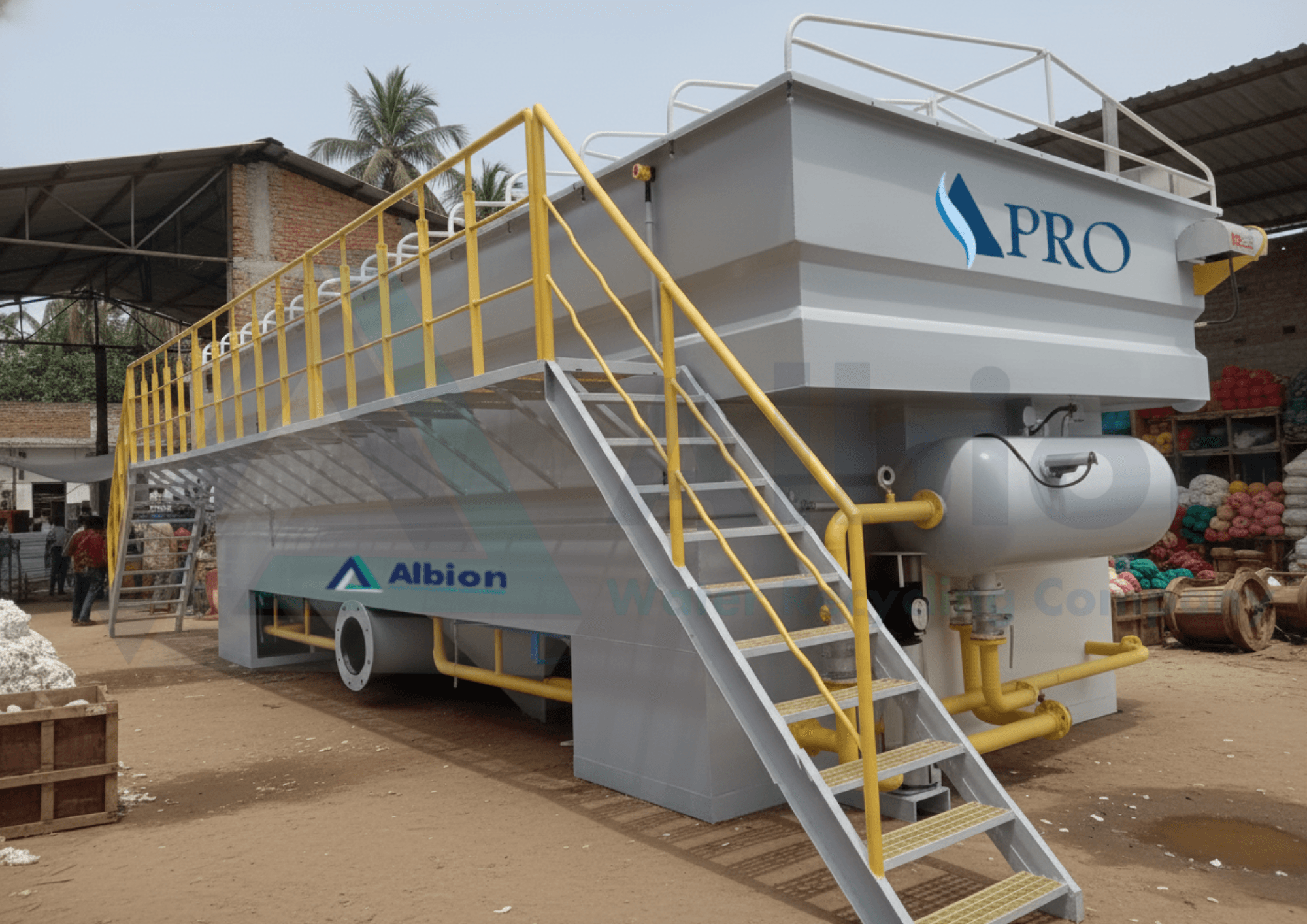
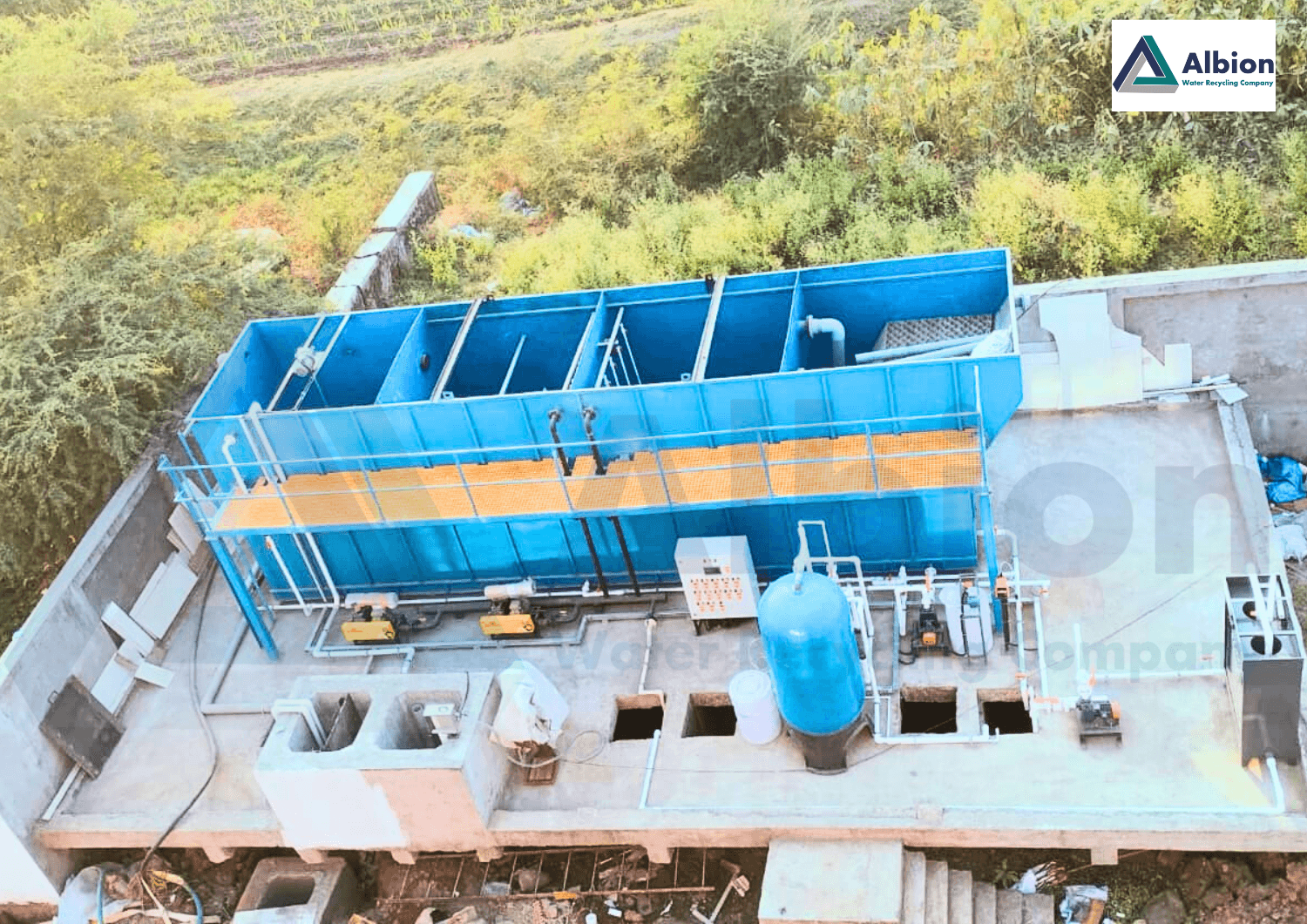
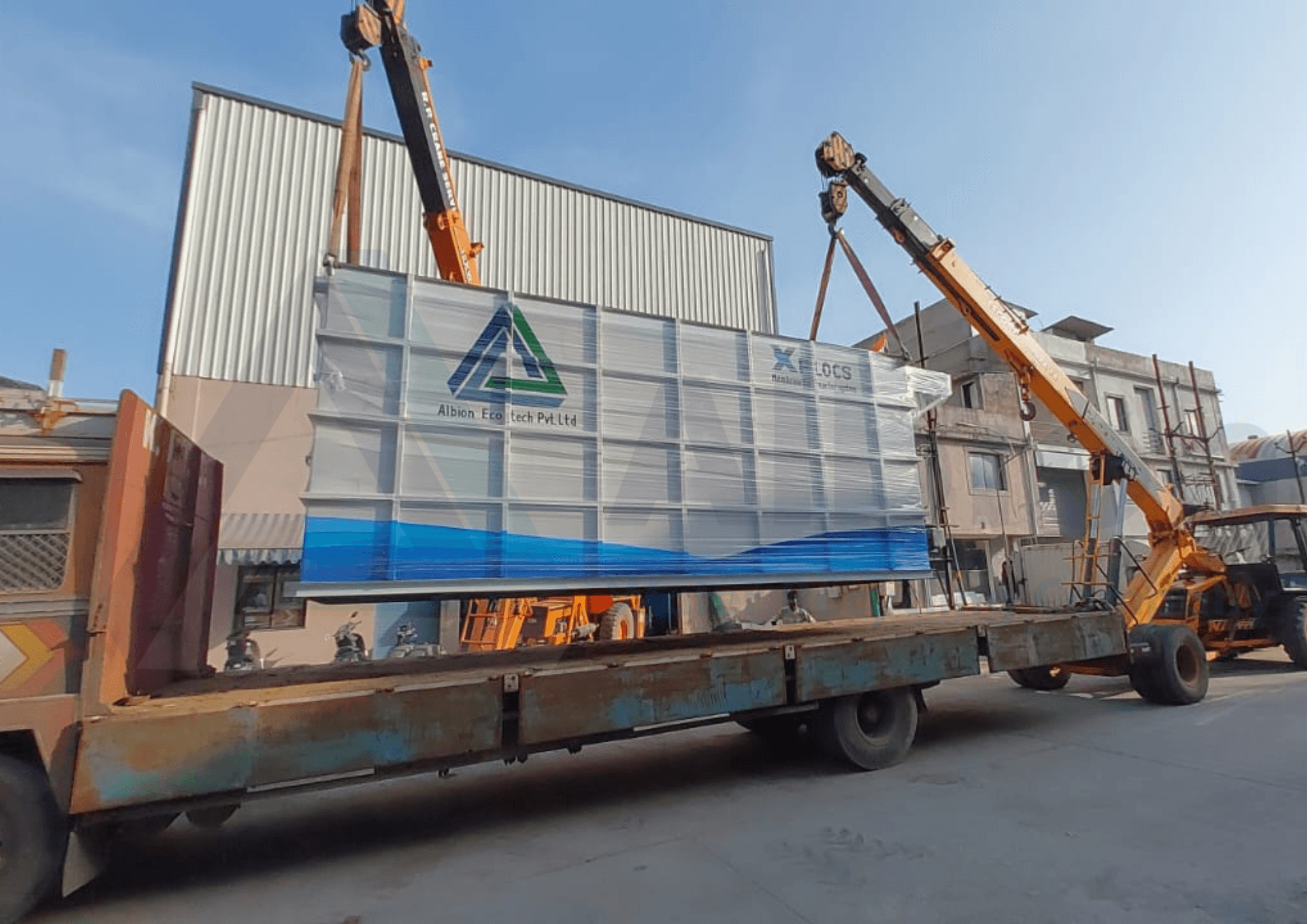
Closing a gap this size takes two parallel efforts: extending sewer and collection coverage where it doesn't exist, and adding treatment capacity where wastewater is collected but not adequately treated. On the technology side, municipalities and residential developments facing capacity or land constraints increasingly turn to compact, factory-fabricated plants rather than large civil-based construction:
- Membrane Bioreactor (MBR) and Advanced Moving Bed Bioreactor (AMBBR) systems, which combine biological treatment with membrane filtration in a compact footprint suited to sites with limited land.
- Dissolved Air Flotation (DAF) as a pre-treatment step for wastewater carrying high oil, grease, or suspended solids loads before it reaches biological treatment.
- Packaged, plug-and-play plants that can be installed and commissioned faster than civil-based construction, which matters most where sewer networks are still being extended and demand is growing ahead of infrastructure.
None of these technologies fix the collection gap on their own — that requires sewer network investment, which is a longer-term infrastructure commitment. But they do address the second half of the problem: wastewater that reaches a treatment point but currently isn't treated to a safe standard.
FAQs
What percentage of household wastewater goes untreated globally?
WHO and UN-Habitat's 2025 SDG 6.3.1 country files put the figure at 44% for 2024, based on reporting covering roughly 90% of the global population.
What happens to wastewater that is not safely treated?
It is either never collected — entering the ground or nearby water bodies directly — or collected through sewers and septic systems but discharged without meeting a safe treatment standard.
Why does so much household wastewater escape treatment?
Most of the gap comes from missing collection infrastructure rather than treatment plant shortfalls, compounded by capacity, financing, and monitoring constraints in lower-income regions.
What technologies help close the wastewater treatment gap?
Compact, factory-fabricated systems such as MBR, AMBBR, and DAF-based plants let municipalities and developments add treatment capacity quickly, without the land and timeline demands of civil-based construction.